Choosing the Right Evacuation Chair for Emergencies

Zhangjiagang Xiehe Import & Export Co., Ltd.

application/evacuation-chair, application/evacuation-chair, 
Inquiry
Inquiry

evacuation chair

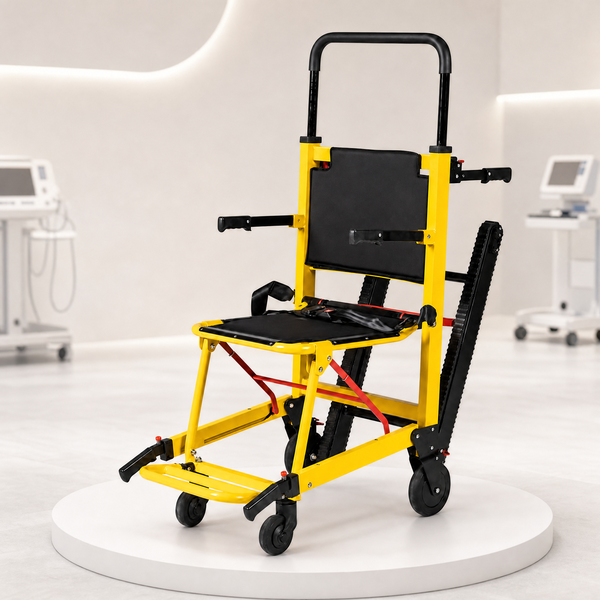
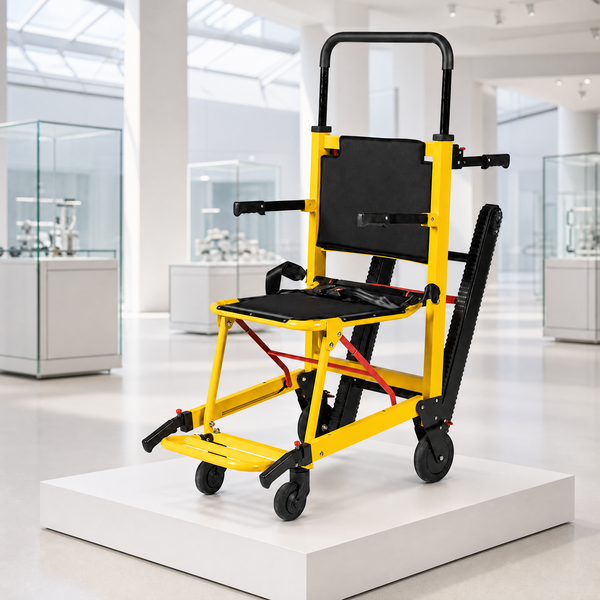
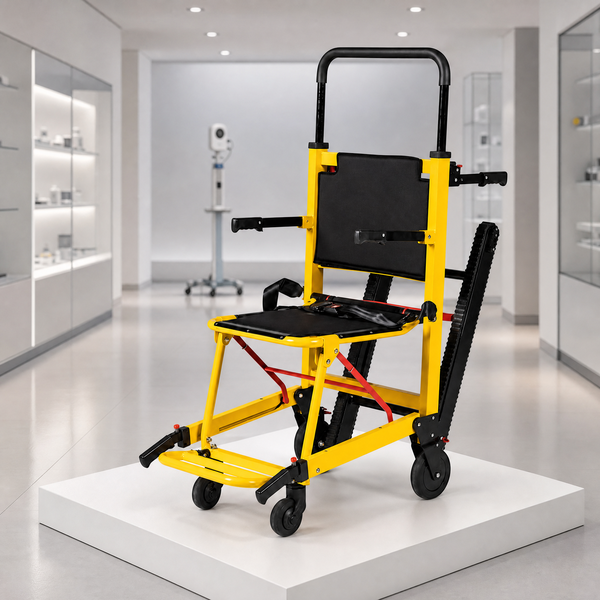
Evacuation  chairs are  critical tools designed to  assist  in the  safe  and efficient evacuation of individuals, particularly in emergencies such as fires or medical  situations. For  purchasing managers, engineers,  and safety officers,  selecting the right evacuation  chair involves understanding various specifications,  quality standards,  and  application scenarios. This article aims to provide practical  insights into choosing  the best evacuation chair for  your  needs, highlighting key considerations that will help you make  informed purchasing  decisions.

Why choose XieHe evacuation chair

Our Products

How to Choose the Right Evacuation Chair for Your Needs

When selecting an evacuation  chair, consider the following factors:


Weight  Capacity: Ensure the  chair can support the maximum  weight of potential  users. Most evacuation chairs have a  weight limit typically ranging  from 250 to 350 pounds.  This is crucial, as  a chair that cannot support the intended user may  fail  during an  emergency.

Material and Construction: Evacuation chairs are often made from lightweight materials like aluminum or high-strength plastic. These materials provide durability without adding excessive weight. Look for chairs with a sturdy frame and reinforced seams, as these features enhance safety and longevity. Additionally, consider investing in quality Funeral Home Products that complement your evacuation chair setup.

Ease of Use: Evaluate how user-friendly  the chair is. Features such as adjustable backrests, footrests, and a  simple folding mechanism can significantly improve usability,  especially in high-stress situations.

Portability: The evacuation chair should  be lightweight and easy to transport. Consider models with wheels or integrated carrying handles for easier maneuverability.

Compliance  with Standards: Check that the chair  meets relevant safety and performance standards, such as ISO 13485, which indicates adherence to quality management systems in the medical device sector.

Selecting the right evacuation chair involves balancing these factors to meet your specific operational requirements and ensuring readiness  for emergencies.

Frequently Asked Questions

Our Blog Posts

What Our Partners Say

Understanding the Quality Standards for Evacuation Chairs

Understanding the Quality Standards for Evacuation Chairs

Quality standards are essential for ensuring the reliability and safety of evacuation chairs. Key certifications to look  for  include:

CE Certification: This indicates compliance with European health, safety,  and environmental protection standards. FDA Approval: For  products  marketed in the  U.S., FDA approval  ensures that the chair meets safety and efficacy standards. ISO 13485 Certification: This certification pertains to quality management  systems specifically for medical devices,  ensuring that  the manufacturer  adheres to rigorous quality control processes.

Understanding these  certifications helps buyers confirm that the evacuation  chairs are manufactured under strict guidelines,  minimizing  the  risk of product failure in emergency situations.  Additionally, it’s  advisable to request documentation that verifies compliance with these  standards from  potential suppliers.

Cost Factors to Consider When Purchasing Evacuation Chairs in Bulk

Cost Factors to Consider When Purchasing Evacuation Chairs in Bulk

When considering bulk purchases  of  evacuation chairs, several cost factors come into play:

Unit Price: The base  cost per chair may decrease with larger  orders. Request quotes from multiple suppliers  to find the  most competitive pricing.

Shipping Costs:  Shipping can significantly  impact the overall cost, particularly for international orders.  Consider the  shipping method, destination, and associated fees when budgeting.

Customization Fees: If customization is  required—such  as branding,  specific  color  schemes, or  tailored features—be sure to account for  these additional costs.


Maintenance and Training: Factor in the costs associated with maintaining the chairs and training staff on their proper use. Regular maintenance ensures longevity and optimal performance, while training enhances preparedness during emergencies. Investing in Electric Stair Chair options may also provide additional benefits for mobility in emergency situations.

By understanding these factors, purchasing managers can make informed decisions that  align with their budget while ensuring they  receive quality evacuation chairs.

Common Problems with Evacuation Chairs and Effective Solutions

Common Problems with Evacuation Chairs and Effective Solutions

Some  common issues  associated with evacuation chairs include:

Weight Limit  Exceedance: Chairs may  fail if users exceed the weight limit. It's crucial to communicate weight restrictions clearly to  all staff and provide appropriate training.

Wear  and Tear:  Frequent use  can  lead to wear on  components like straps  and wheels. Regular  inspections and maintenance can help identify potential issues before they become critical.

Complex Operation: In high-pressure situations, staff may struggle  with complicated mechanisms. Training on the proper use of evacuation chairs  can mitigate this risk.

Poor  Storage Conditions: Storing  chairs in damp or overly hot conditions can damage materials. Ensure that evacuation chairs are stored in a controlled environment to maintain  their integrity.

Addressing these  problems proactively through training,  regular maintenance, and  proper storage can enhance the reliability of evacuation chairs during emergencies.

Application Scenarios for Evacuation Chairs in Various Industries

Application Scenarios for Evacuation Chairs in Various Industries

Evacuation chairs are  versatile and can be used in various  settings, including:

Healthcare Facilities:  Hospitals  and clinics  frequently use evacuation chairs to assist patients who have mobility challenges during emergencies.

Educational Institutions: Schools and universities are required  to have evacuation plans for students and staff with disabilities, making evacuation chairs essential.

Corporate Offices: In office environments, evacuation chairs serve as critical safety equipment  to ensure compliance with occupational health and safety regulations.

Public Buildings: Government buildings, shopping malls, and airports must be  equipped with evacuation chairs to facilitate the safe evacuation of all individuals, especially those  with mobility  issues.

Each application highlights the need for specific  features, such as enhanced maneuverability in tight spaces or durability for frequent use, reinforcing the importance of selecting the right evacuation chair  for the  intended environment. Additionally, exploring options like Manual Stair Chair can provide further support for various evacuation scenarios.

when it comes to purchasing  evacuation  chairs, understanding the  key specifications, quality standards, cost  factors, common issues, and application scenarios is essential for  making informed decisions. By taking these considerations  into account, B2B buyers can ensure they  select evacuation chairs that not only meet safety requirements but also fit their operational needs effectively.