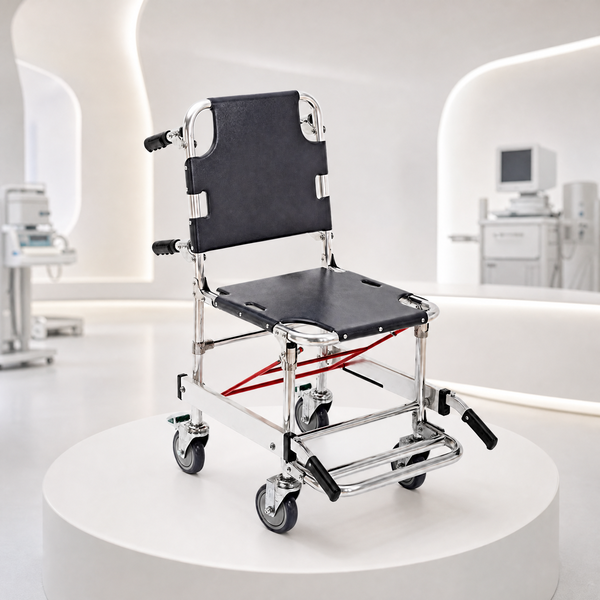
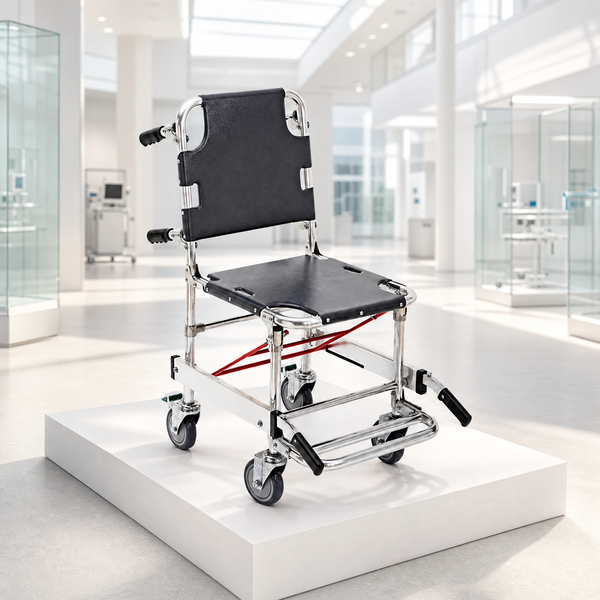
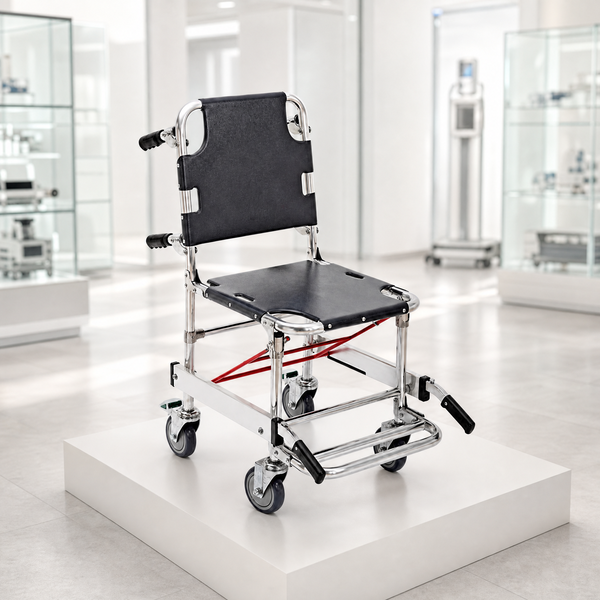
Common Problems with Emergency Evacuation Chairs and Their Solutions
While emergency evacuation chairs are essential for safety, they may encounter common issues that can impact performance. Being aware of these problems and their solutions can help ensure that these chairs function effectively when needed.
Mechanical Failures: Regular maintenance can prevent mechanical failures, such as issues with folding mechanisms or wheel malfunctions. Implementing a routine inspection schedule can help identify potential problems early.
User Inexperience: In emergency situations, stress can lead to improper usage of evacuation chairs. Regular training sessions for staff can help mitigate this issue, ensuring they are familiar with the operation of the chairs.
Compatibility Issues: Not all evacuation chairs are suitable for all environments. For example, chairs designed for narrow stairwells may not function well in wider spaces. Buyers should consider the specific layout of their facilities when selecting chairs.
Storage Problems: If chairs are not stored properly, they may become difficult to access. Establishing designated storage areas that are easily reachable and clearly marked can alleviate this issue.
By proactively addressing these common problems, organizations can enhance the reliability of their emergency evacuation solutions, ensuring safety for all individuals, particularly those with disabilities.
understanding the critical factors involved in selecting and maintaining emergency evacuation chairs for disabled individuals is essential for any organization committed to safety. By focusing on reliable suppliers, adhering to industry standards, and implementing effective installation and maintenance strategies, buyers can ensure they are prepared for any emergency situation.
 EN
EN