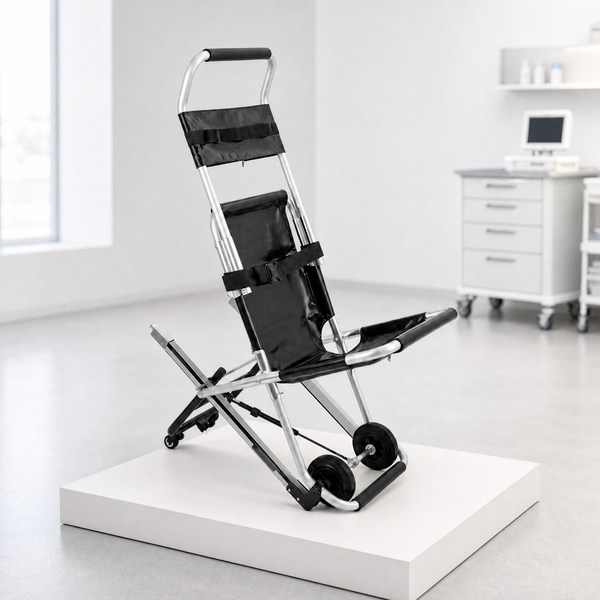
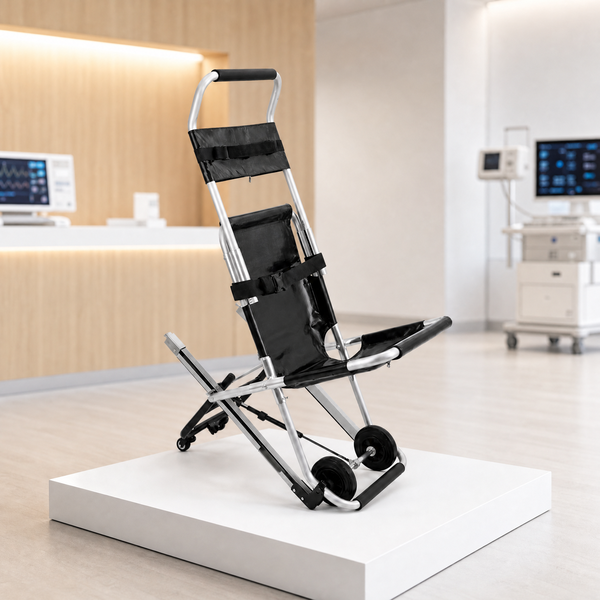
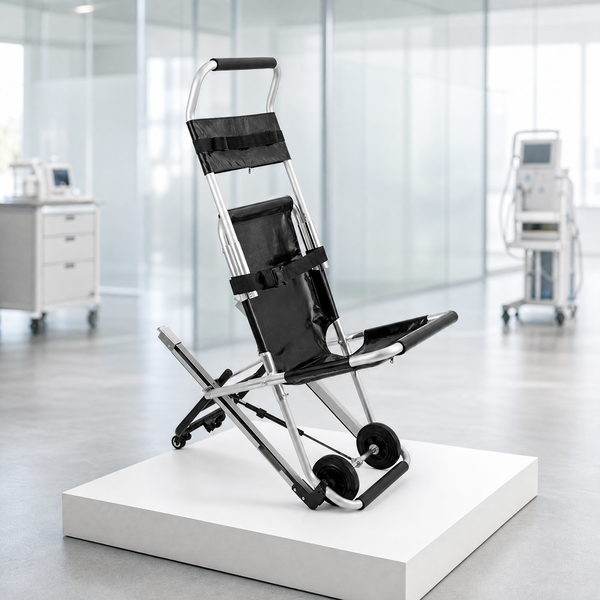
Wholesale Options for Evacuation Stairs

Zhangjiagang Xiehe Import & Export Co., Ltd.

application/evacuation-stair, application/evacuation-stair, 
Inquiry
Inquiry

evacuation stair

Evacuation  stairs are  critical safety equipment designed to facilitate emergency exits  in  various structures. As a B2B  buyer,  you must  consider key factors such as quality,  specifications, and  supplier reliability  to  ensure the  safety and compliance of your  facilities. This article will  guide you  through essential aspects of sourcing evacuation stairs,  helping  you make  informed  purchasing decisions that meet  industry standards.

Why choose XieHe evacuation stair

Our Products

Wholesale Options for High-Quality Evacuation Stairs

When sourcing  evacuation stairs, wholesale options provide a  strategic advantage for companies looking to equip  multiple facilities or large-scale projects. By purchasing in  bulk,  you can often  negotiate better pricing and ensure consistent delivery  across your locations. Zhangjiagang  Xiehe Import  Export Co., Ltd. offers a range of evacuation stair solutions that adhere to CE, FDA, and ISO 13485 certifications, ensuring high-quality products that meet international safety standards. For a comprehensive selection, you might also want to explore our Funeral Home Products that emphasize safety and compliance.


Additionally, consider the variations in design and material  that may suit different applications. For  instance, lightweight aluminum or steel options  are common  for portable evacuation stairs,  while  more robust designs may  be needed for permanent installations in high-traffic  areas. Always verify the supplier's  capacity for customization to meet specific project requirements.


Frequently Asked Questions

Our Blog Posts

What Our Partners Say

Key Specifications to Consider When Sourcing Evacuation Stairs

Key Specifications to Consider When Sourcing Evacuation Stairs

Several key specifications are essential when evaluating evacuation stairs:

Load Capacity: This specification defines  the maximum weight  the stairs can safely support. Ensure that the load  capacity meets the  expected foot traffic and any additional equipment that may  be transported during an evacuation.

Dimensions:  The width and height  of the stairs are critical for ensuring accessibility and compliance with local  building codes. Proper  dimensions also facilitate ease of use during emergencies.

Material:  Common  materials include  aluminum for lightweight designs and steel for durability. Each material has its advantages and disadvantages in terms of weight, strength, and corrosion resistance.

Surface Treatment: Anti-slip coatings  are essential for safety, especially in emergency situations. Ensure that the stairs have a surface treatment that  provides adequate grip.

Installation Type: Determine whether the stairs will be freestanding,  fixed,  or portable. This will impact both the design and the installation process.


Evaluating  these  specifications ensures  that the evacuation stairs will perform adequately during emergencies and comply with safety regulations.

A Buyeru2019s Guide

A Buyeru2019s Guide

When preparing to purchase evacuation stairs, consider the  following steps  to streamline the process:

Define Your Needs:  Assess the specific  requirements for your facility, including building layout, expected occupancy, and local safety regulations.

Request  Specifications: Prepare a  detailed list  of specifications required  for your evacuation stairs. This should include load capacity, dimensions, material, and  intended installation  conditions.

Compare  Suppliers: Evaluate multiple suppliers, focusing on their  certification credentials, production capabilities, and customer feedback. A supplier with experience in  emergency safety equipment will likely provide better insights into  product quality  and compliance.

Request Samples: Before committing to a large order, request  samples to assess the quality and performance of  the evacuation stairs. Testing them  under actual conditions can help identify any potential issues.

Inquire  About Customization: If your project has unique requirements,  discuss customization options with suppliers. This could include specific dimensions, materials, or surface treatments. For instance, you could explore options like the Manual Stair Chair for specialized needs.

By following these steps, you can ensure a more effective purchasing process that meets your operational needs.

Installation Guidance for Efficient Use of Evacuation Stairs

Installation Guidance for Efficient Use of Evacuation Stairs

Proper installation of evacuation stairs is crucial for ensuring their effectiveness during emergencies. Here are key points to  consider:

Site Preparation: Ensure the installation area is clear and  appropriately marked.  This includes verifying that there is adequate space for safe movement and that the stairs are accessible.

Follow Manufacturer Instructions: Adhere closely to the  manufacturer's installation guidelines.  This includes anchoring the stairs securely and ensuring they are  level and  stable.

Conduct Safety  Tests: After installation, conduct tests to confirm that the  stairs are performing as intended.  This  may include  weight tests and checks for stability and ease of  use.

Regular Maintenance: Establish  a maintenance schedule to inspect the stairs for any wear and tear, especially after extreme weather events  or high usage periods. Prompt repairs can prevent safety hazards.

Training: Provide training for  staff on the proper use of evacuation stairs, including how to assist others  during an emergency.

Following  these guidelines will enhance the effectiveness and  reliability of  your evacuation stairs in real emergency situations.

Cost Factors to Assess When Purchasing Evacuation Stairs

Cost Factors to Assess When Purchasing Evacuation Stairs

Understanding the cost factors  involved in purchasing evacuation stairs is key to making a budget-friendly decision.  Here are several factors  to consider:


Material Costs: Different materials  will have varying price points. Aluminum is generally more affordable and lighter, while  steel provides  stronger durability at a higher  cost.

Customization Fees: If you require specific designs or features, be prepared for additional costs associated  with customization.  Always clarify these fees upfront.

Shipping and Handling: Shipping costs  can vary significantly based on the size and  weight of the evacuation stairs. Be sure to  factor in these costs in your total budget.

Installation Costs: If you do not have in-house capabilities to install the stairs, consider hiring professionals. Installation costs can vary based on the complexity of the project.

Volume Discounts: Purchasing in  larger quantities may qualify you for volume discounts. Always inquire about these options when discussing pricing with suppliers.

Warranty and Maintenance: Consider the long-term costs associated with warranties and maintenance  agreements.  A higher initial investment may save money down the line if the  product proves durable  and reliable.

By carefully assessing these cost factors, you can make  a well-informed purchasing decision that aligns with your budget while  still ensuring safety and compliance.