Essential Features of Rescue Chairs for Emergencies

Zhangjiagang Xiehe Import & Export Co., Ltd.

application/rescue-chair, application/rescue-chair, 
Inquiry
Inquiry

rescue chair

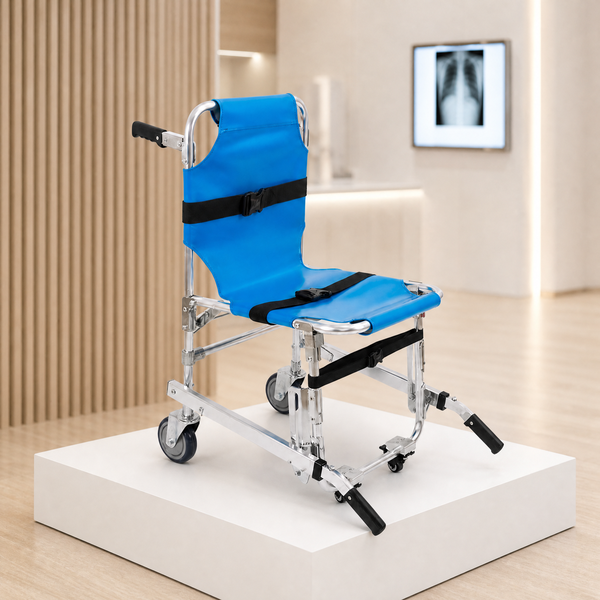
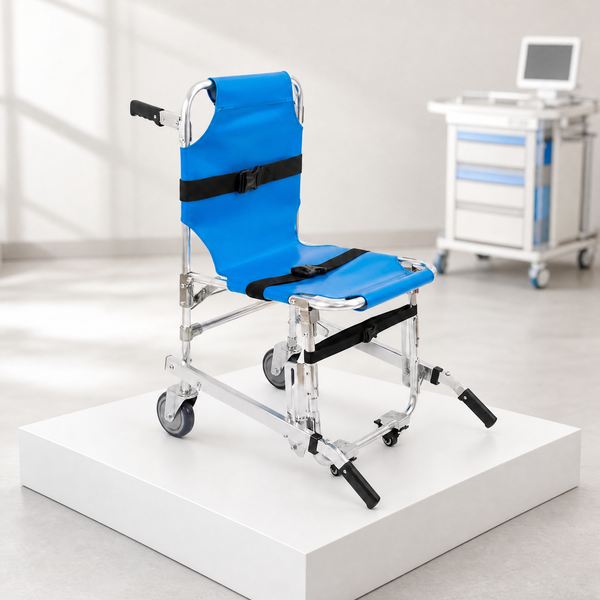
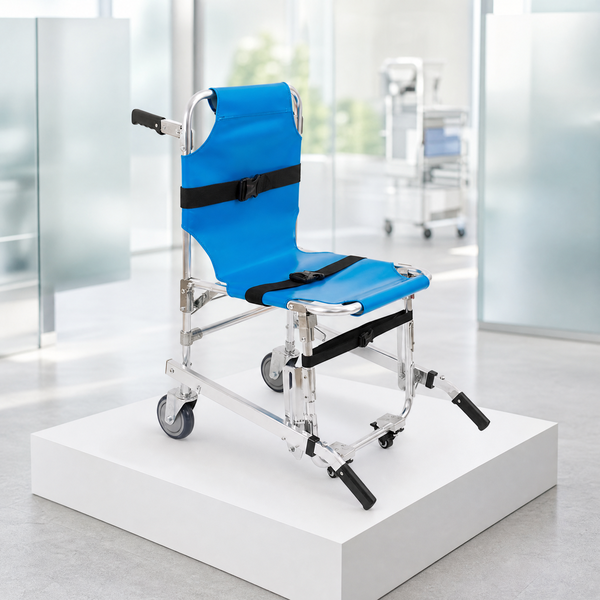
The  rescue chair is a specialized  medical device designed  for the  safe and efficient evacuation of patients in emergency situations.  With its unique design  and functionality,  it addresses key concerns for B2B buyers, including safety,  usability, and compliance with  industry  standards. This article will help purchasing managers, distributors, and other  professionals  understand the  essential features to consider,  quality assurance  processes  for bulk orders,  common challenges associated with rescue chairs,  and their  applications in various  emergency scenarios. For instance, the YXH-1H Folding Stretcher is a great example of a reliable rescue chair.

Why choose XieHe rescue chair

Our Products

Key Features to Consider

When selecting a  rescue chair, several  critical features should be evaluated to ensure optimal performance in emergency situations.

Material and Durability:  Rescue chairs are typically made from  lightweight yet sturdy materials, such as aluminum or high-strength plastics, which provide both portability and  durability. Buyers should confirm that the materials used are resistant to wear and tear, especially in high-stress environments like hospitals or rescue operations.

Weight Capacity: The weight capacity of rescue chairs varies, with most designed to support a  minimum of 200 kg (440 lbs). It's  essential to select a model that  accommodates the maximum expected patient  weight, including additional equipment if needed.

Foldability and Storage: Many rescue chairs feature a foldable  design for  easy storage and transport. A compact design can be  particularly beneficial for facilities with limited space. Ensure that the folding mechanism is user-friendly  and can  be operated quickly  during emergencies.

Comfort  and Safety Features: Look for padded  seating and safety belts to secure patients during transport. Some models may also include head and neck support  to ensure patient comfort and safety. The design should facilitate quick access for first responders while ensuring the  patient's  stability.

Compatibility with Other Equipment: Consider how the rescue chair will integrate with existing emergency response equipment, such as stretchers or medical vehicles. Compatibility can enhance efficiency during patient transfers. For example, combining a rescue chair with the YXH-5P Stair Stretcher can provide seamless patient handling.

Frequently Asked Questions

Our Blog Posts

What Our Partners Say

Quality Assurance for Bulk Orders

Quality Assurance for Bulk Orders

Quality assurance  is paramount when ordering rescue chairs in bulk. Zhangjiagang Xiehe Import Export Co., Ltd. maintains CE, FDA,  and ISO 13485 certifications, ensuring that their products meet international safety and quality standards. Here are key aspects to  consider for quality assurance:

Pre-Production Samples: Before placing a  bulk order, request pre-production samples to evaluate the design, materials, and functionality.  This  allows buyers to inspect the product before mass production begins, ensuring it meets  their specifications.

Quality Control Processes: Inquire about the manufacturer's quality control processes throughout production.  This includes inspections at various stages—from raw material  sourcing to final assembly. A robust  quality management  system can help identify and mitigate potential issues early.

Testing and Compliance: Verify that the  rescue chairs undergo rigorous testing to  comply with safety standards. Documentation of compliance  can provide reassurance regarding  the product's reliability and safety during use.

Lead Times and Packaging: Establish clear lead times for production and shipping  to manage inventory effectively. Additionally,  ensure  the packaging protects the  chairs during transport, minimizing the  risk of damage.

Key Indicators

Key Indicators

When evaluating rescue chairs,  specific indicators  can  help buyers determine the best  options:

User Feedback: Reviews and testimonials from other users can provide insight into the  chair's performance in  real-world scenarios. Look for  feedback  regarding ease  of use, comfort, and  reliability.

Warranty and Support: Assess the warranty offered by the manufacturer. A  comprehensive warranty can indicate the manufacturer's confidence  in their product quality. Additionally, consider  after-sales support for maintenance or replacement parts.

Market  Reputation: Research the  manufacturer's reputation in the  industry. A company with a long-standing  presence  and positive  relationships with distributors and  users is likely to provide reliable products.

Applications of Rescue Chairs in Emergency Situations

Applications of Rescue Chairs in Emergency Situations

Rescue chairs are versatile  tools used in various emergency situations,  including:

Medical  Emergencies: In  hospitals, rescue chairs facilitate the quick transport of patients with mobility challenges, ensuring they can be moved safely  and efficiently during critical situations.

Fire and Disaster Evacuations: During fires or natural disasters, rescue chairs allow  first responders  to  evacuate individuals who cannot walk or are at risk of falling. Their design ensures that patients  can be  transported over rough terrain, which is often  encountered in emergency scenarios.

Sporting  Events: Medical teams at sporting  events utilize rescue chairs to transport injured athletes swiftly off the field,  providing immediate medical  attention as needed.

Public Transport and Large Venues: Rescue chairs  are also employed in  airports, train stations,  and stadiums to  assist individuals with mobility issues during emergencies, ensuring that all  guests can be evacuated safely.

Common Problems with Rescue Chairs and Effective Solutions

Common Problems with Rescue Chairs and Effective Solutions

Despite their critical role, rescue chairs can present challenges that buyers should be aware of:

Durability Issues: Some rescue chairs may suffer from  wear and tear over  time, especially if used frequently. To combat  this, choose models made of high-quality materials and verify the manufacturer's durability testing  results.

Operational Difficulties: Users may find  certain rescue chairs challenging  to operate under  stress. Ensuring that staff is adequately trained on the chair's  use  and practicing emergency scenarios can enhance  operational efficiency.

Maintenance Requirements: Regular maintenance is essential to ensure that rescue chairs  remain functional and safe. Buyers should establish  a  routine inspection schedule to check for any signs of  damage  or wear.

Supply Chain Delays: Delays in supply can affect the availability of rescue  chairs, particularly during emergencies. Building a relationship with a reliable manufacturer like Zhangjiagang Xiehe Import  Export Co., Ltd.  can help mitigate these risks through clear communication and contingency planning.

By understanding the key features, quality assurance processes, and applications of rescue chairs, B2B  buyers can make informed decisions that enhance safety and efficiency in emergency situations.