English
Views: 0 Author: Site Editor Publish Time: 2026-04-09 Origin: Site


Is cheaper Medical Equipment always the better choice? Not always. Many buyers face confusion when choosing between OEM and standard options.In this article, we explain key differences and when each works best. You will learn how to choose Medical Equipment based on real needs and long-term value.
OEM Medical Equipment refers to products manufactured by the original producer but adjusted to meet specific buyer requirements. It focuses on flexibility. Buyers can modify structure, materials, or features so the equipment fits real clinical or market needs more closely.
In practical terms, OEM solutions allow changes such as size, configuration, or functional details. It can also include private labeling and packaging tailored for different regions. This is useful in healthcare environments where equipment must match how it is actually used, not just how it is designed on paper.
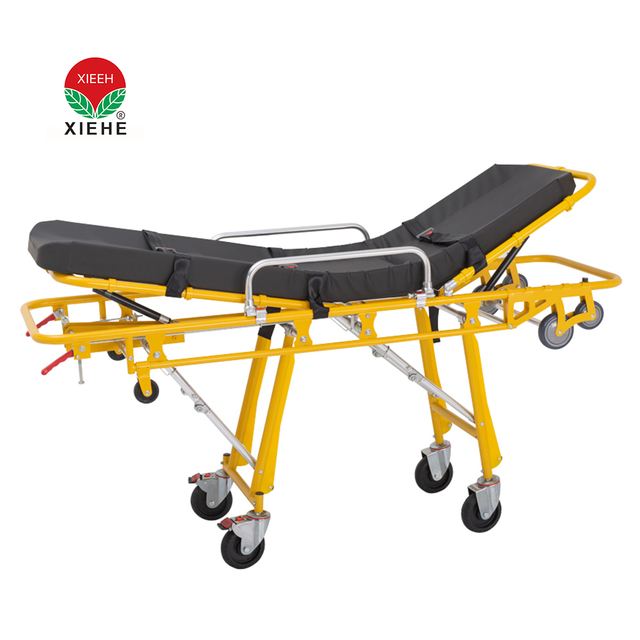
For example, in patient transport scenarios, details like frame strength, wheel design, or folding mechanisms can directly affect safety and efficiency. Manufacturers like Xiehe, which specialize in stretchers, hospital beds, and emergency equipment, can adjust these elements based on real usage conditions in hospitals or rescue situations.
Standard Medical Equipment refers to ready-made products with fixed specifications that are available directly from a catalog. These products are designed to meet common industry needs, so they can be used without modification.
This approach simplifies the purchasing process. Buyers can compare models quickly, place orders faster, and rely on consistent production. Since the design is already established, there is less need for testing or adjustment, which helps reduce procurement time.
Standard models work best when requirements are clear and widely shared. For example, common hospital beds, medical trolleys, or folding stretchers are often used in similar ways across different facilities. In these cases, a standard solution can provide reliable performance while keeping the process simple.
OEM and standard Medical Equipment are not about quality levels. They do not represent high-end versus low-end products. Instead, they reflect different purchasing approaches.
OEM focuses on flexibility. Standard focuses on efficiency. Both can meet professional standards when produced under proper quality control systems, including certifications such as ISO 13485 or FDA-related compliance.
In real decision-making, buyers usually care more about practical factors. They look at whether the equipment fits the application, performs reliably, and supports long-term use. For example, in emergency transport or hospital care, smooth operation and safety matter more than whether the product is OEM or standard.
OEM vs Standard Medical Equipment Comparison
| Aspect | OEM Medical Equipment | Standard Medical Equipment |
|---|---|---|
| Flexibility | High, supports design and feature changes | Low, limited to existing models |
| Procurement | More steps, requires communication and confirmation | Faster and simpler ordering process |
| Application Fit | Better for specific or complex scenarios | Suitable for general and routine use |
| Branding | Supports private labeling and customization | Usually standard supplier models |
| Lead Time | Longer due to customization | Shorter due to standardized production |
| Cost Focus | Better long-term positioning | Lower upfront cost and quick budgeting |

When evaluating Medical Equipment, design flexibility often becomes the first key difference. Standard products usually follow fixed specifications. They are designed for general use, so buyers select from existing models. This makes the process efficient, but it limits how well the product can match specific needs.
OEM Medical Equipment works differently. It allows adjustments based on real applications. Instead of adapting the workflow to the product, the product is adapted to the workflow.
To better understand how this plays out, consider the following:
Custom Dimensions and Structure:
OEM solutions allow changes in size, height, or structural layout. This helps match equipment to specific hospital spaces or ambulance configurations. It also improves handling during patient transfer, where space and movement matter.
Material and Build Choices:
Buyers can select materials based on durability or environment. For example, different alloys or coatings may be needed for heavy-duty or outdoor use. This flexibility helps extend product lifespan in demanding conditions.
Accessory and Feature Configuration:
OEM Medical Equipment can include customized accessories. These may involve side rails, mattress types, locking systems, or storage options. Each adjustment improves how the equipment performs in real scenarios.
Branding and Packaging Adaptation:
OEM also supports private labeling and packaging changes. This is useful for distributors who want consistent branding across markets. It also helps align products with local expectations.
In the Medical Equipment field, compatibility is not just about fitting parts together. It affects how smoothly the equipment works in daily operations. It also influences safety and user confidence, especially in high-pressure environments like emergency care.
OEM Medical Equipment is often designed around a specific use case. This helps ensure consistent operation across different scenarios. When equipment follows a unified design logic, it becomes easier for staff to use it without confusion or error.
Standard Medical Equipment can still provide stable performance. However, it is designed for general use, not for specific workflows. This can lead to small mismatches, which may affect efficiency over time.
Key performance-related considerations include:
Workflow Integration:
Equipment should fit naturally into hospital or rescue processes. OEM designs can align more closely with how staff actually work, reducing unnecessary steps or adjustments.
Operational Consistency:
Consistent design improves user familiarity. When equipment behaves the same way every time, it reduces training time and improves confidence during use.
Stability and Reliability:
In products like stretchers or hospital beds, stability is critical. OEM solutions can optimize these aspects for specific conditions, while standard models aim for general reliability.
User Experience in Real Conditions:
Smooth movement, secure locking, and easy adjustment all affect daily performance. These details become more important in emergency or high-frequency use.
For patient transport equipment, even small differences in design can impact safety and efficiency. That is why compatibility and performance are often key decision factors.
Compliance is a core requirement in Medical Equipment purchasing. It ensures that products meet safety and regulatory standards. Buyers need reliable documentation and consistent production quality to support their operations.
OEM Medical Equipment offers more flexibility in this area. Documentation can be adjusted based on project needs. Technical files can be prepared for specific markets. This is especially useful for distributors working across different regions.
Standard Medical Equipment typically comes with existing certifications. This simplifies the process, but it may not always meet every local requirement without modification.
Important compliance-related aspects include:
Certification Alignment:
OEM solutions can be adapted to meet specific regulatory needs. Standard products rely on pre-existing certifications, which may not cover all cases.
Technical Documentation:
OEM allows customization of manuals and technical files. This helps ensure compliance with local regulations and customer expectations.
Production Quality Control:
Both OEM and standard products depend on the manufacturer’s quality system. Consistency in production is essential for reliability.
Traceability and Process Control:
Strong manufacturing systems help track product quality from raw materials to final delivery. This is critical in healthcare applications.
Lead time and cost are often the most visible differences, but they require deeper evaluation. Standard Medical Equipment usually offers faster delivery. The design is ready, and production is already optimized. This makes it suitable for urgent or routine purchases.
OEM Medical Equipment takes more time at the beginning. It involves communication, design adjustments, and confirmation steps. However, this process results in a product that better fits the intended use.
Key decision factors include:
Lead Time and Project Planning:
Standard products are faster to deliver. OEM projects require more preparation but offer better customization.
Initial Cost vs Lifecycle Value:
OEM may involve higher setup effort. However, it can reduce long-term costs through better durability and fit.
Maintenance and Spare Parts:
Equipment that requires frequent repairs can increase operational costs. Reliability becomes a critical factor.
After-Sales Support:
Service response, warranty, and technical support all influence long-term usability. Strong support helps reduce downtime.
Standard Medical Equipment becomes the better option when speed and simplicity matter more than customization. In many real purchasing cases, buyers do not need to change design details. They just need reliable equipment that works as expected and can be delivered quickly. This is where standard models perform well.
There are several common situations where standard products make more sense:
Fast Procurement Needs:
When hospitals or distributors need equipment urgently, standard models reduce waiting time. The design is already confirmed, so production can start immediately. This helps avoid delays in critical supply situations.
Routine Hospital Use:
Many healthcare facilities rely on equipment for daily operations. Products like hospital beds, trolleys, or stretchers are used in similar ways across different locations. Standard Medical Equipment fits these consistent needs without extra adjustments.
Repeat Orders and Stable Demand:
Buyers who reorder the same products benefit from standardized models. It simplifies planning and reduces uncertainty. The same specifications ensure consistency across batches.
Simple Evaluation Process:
Standard products are easier to compare. Buyers can review specifications, pricing, and features without going through design discussions. This makes decision-making faster and more straightforward.
Different types of buyers prefer standard Medical Equipment because it aligns with their operational needs. These buyers often focus on efficiency, cost control, and ease of management rather than customization.
Typical user groups include:
Hospitals and Clinics:
They often require dependable equipment for daily use. Standard models provide consistency, which helps staff operate equipment without additional training. It also supports easier maintenance.
Distributors and Wholesalers:
They need products that can be sold quickly across different markets. Standard Medical Equipment simplifies inventory management and reduces the risk of unsold customized items.
Project Teams with Fixed Specifications:
Some projects define clear technical requirements from the beginning. In these cases, standard models that already meet those specifications can reduce complexity and speed up procurement.
Procurement Teams Focused on Efficiency:
When the goal is to complete purchasing quickly, standard products reduce communication steps. This helps teams manage time and resources more effectively.
Standard Medical Equipment offers several practical advantages, especially when the goal is efficiency and reliability. These benefits are not just about convenience. They directly impact procurement speed and operational stability.
Key advantages include:
Faster Quotation and Ordering:
Since specifications are fixed, suppliers can provide quotations quickly. Buyers do not need to wait for design confirmation. This shortens the overall purchasing cycle.
Lower Development Risk:
Standard models are already tested and used in multiple markets. This reduces uncertainty. Buyers can rely on proven designs instead of experimenting with new configurations.
Simpler Comparison Process:
It is easier to compare standard products across suppliers. Specifications are clear, and differences are easier to evaluate. This helps buyers make decisions more confidently.
Easier Replenishment and Planning:
Standard products can be reordered without changes. This supports long-term planning and stable supply. It also reduces the risk of mismatched inventory.
While standard Medical Equipment is efficient, it is not always the best fit for every situation. Its main limitation comes from its fixed nature. It cannot easily adapt to unique requirements or changing conditions.
Some common limitations include:
Limited Customization Options:
Buyers cannot easily adjust dimensions, materials, or features. This can be a problem when specific applications require different configurations.
Reduced Product Differentiation:
Standard models are widely available. This makes it harder for distributors to stand out in competitive markets. Products may look similar across different suppliers.
Less Flexibility for Special Projects:
Projects with unique requirements may not be fully supported by standard designs. This can lead to compromises in performance or usability.
Potential Mismatch with Local Preferences:
Different regions may have different expectations for design or functionality. Standard Medical Equipment may not always align perfectly with those preferences.
OEM Medical Equipment becomes the better choice when standard models cannot fully meet real-world requirements. In many healthcare and distribution scenarios, buyers are not only purchasing equipment. They are building product lines, entering new markets, or responding to specific project demands. In these cases, flexibility matters more than speed.
There are several situations where OEM solutions clearly make more sense:
Custom Specifications for Specific Applications:
Some medical environments require equipment tailored to their workflow. For example, stretcher height, frame strength, or wheel design may need adjustment. OEM allows these changes so the equipment fits actual usage conditions rather than forcing users to adapt.
Brand Differentiation in Competitive Markets:
When many suppliers offer similar products, it becomes difficult to stand out. OEM Medical Equipment allows buyers to create unique product features or appearance. This helps build a stronger identity in the market.
Market-Specific Requirements:
Different regions may have different expectations for design, materials, or functionality. OEM makes it possible to adjust products based on local preferences or regulations. This improves acceptance and usability.
Private-Label Product Development:
Many distributors want to sell under their own brand. OEM supports this by allowing custom logos, packaging, and documentation. It helps create a consistent brand image across different product categories.
| Scenario Type | Why OEM Medical Equipment Fits Better | Result |
|---|---|---|
| Custom use cases | Needs specific design adjustments | Better usability |
| Competitive markets | Requires product differentiation | Stronger positioning |
| Regional markets | Needs local adaptation | Higher acceptance |
| Private branding | Requires own brand identity | Consistent branding |
OEM Medical Equipment is often preferred by buyers who are focused on long-term business development rather than short-term purchasing convenience. These buyers usually operate in competitive environments where differentiation and flexibility are critical.
Typical buyer groups include:
Importers and Wholesalers:
They often supply multiple markets and need products that can adapt to different customer needs. OEM allows them to adjust specifications and branding, making their offerings more competitive.
Healthcare Distributors:
Distributors aim to build strong product portfolios. OEM Medical Equipment helps them offer unique products instead of competing only on price. This supports better margins and customer loyalty.
Project-Based Purchasers:
Large projects, such as hospital construction or emergency system setup, often require equipment tailored to specific requirements. OEM solutions help meet these technical and functional demands.
Brand Owners and Private Label Sellers:
Buyers who want to establish their own brand rely on OEM to create consistent product identity. This includes logos, packaging, and product design aligned with their brand strategy.
| Buyer Type | Why They Choose OEM Medical Equipment | Business Benefit |
|---|---|---|
| Importers | Need flexibility across markets | Broader product range |
| Distributors | Want differentiated products | Higher competitiveness |
| Project Buyers | Require tailored solutions | Better project fit |
| Brand Owners | Build private-label products | Strong brand identity |
OEM Medical Equipment offers clear advantages when buyers need more than standard solutions. These advantages are not only technical. They also support business strategy, market positioning, and long-term growth.
The most important strengths include:
Customization for Real Needs:
OEM allows adjustments in design, materials, and features. This ensures the equipment fits actual usage conditions, improving efficiency and safety in healthcare environments.
Product Differentiation:
Unique designs or features help products stand out. This is especially important in markets where many suppliers offer similar standard models.
Branding Flexibility:
Buyers can create their own brand identity through customized logos, packaging, and documentation. This strengthens recognition and builds trust with customers.
Better Fit for Target Markets:
OEM solutions can adapt to regional preferences and regulatory requirements. This improves product acceptance and reduces the risk of mismatch.
Choosing between OEM and standard Medical Equipment depends on real needs, not labels. Standard options work well for fast orders and routine use. OEM solutions offer flexibility, branding, and better fit for specific markets. Xiehe provides reliable Medical Equipment, including stretchers and hospital furniture, combining customization, stable quality, and responsive service for long-term value.
A: OEM Medical Equipment means products customized by manufacturers for specific needs.
A: Standard Medical Equipment suits routine use and quick procurement in hospitals.
A: OEM Medical Equipment offers customization, branding, and better market fit.
A: OEM Medical Equipment may cost more upfront but offers better long-term value.
A: Choose Medical Equipment based on usage, budget, and long-term needs.