 English
Views: 0 Author: Site Editor Publish Time: 2026-06-24 Origin: Site


Stairs can be challenging for many, posing safety risks and mobility issues. How can these risks be reduced effectively? Stair chair systems offer a reliable solution.
These systems help users move safely while enhancing stairway stability. They prevent accidents and improve comfort on stairs.
In this post, you’ll learn what stair chair systems are, why stability matters, and how these systems boost stairway safety and mobility.
The rail forms the backbone of any stair chair system. It anchors firmly to the stair treads, creating a solid path for the chair to glide along. Made from strong metals like steel or aluminum, the rail resists bending or flexing under weight. This rigidity ensures the entire system remains stable during use, preventing wobbling or shaking. The rail's secure mounting to the stairs guarantees the stair chair stays aligned, maintaining balance and safety throughout the ride.
The carriage acts as the moving platform that carries the chair along the rail. Inside it, a motor powers the drive system, often using a rack-and-pinion mechanism. This system meshes gears on the carriage with teeth on the rail, allowing precise, controlled movement up or down the stairs. Heavy-duty wheels or rollers keep the carriage steady, preventing side-to-side play. The drive system also features speed control, soft start, and stop functions, delivering a smooth, comfortable ride without sudden jolts.
The seat assembly sits atop the carriage and includes the chair, armrests, footrest, and safety belts. Ergonomically designed, the seat supports proper posture and comfort, reducing user fatigue. Many models offer swivel seats that rotate at landings to help users exit safely. The seat locks securely in place during travel, preventing unwanted movement. Folding armrests and footrests save space when the chair is not in use, keeping stairways clear for others.
Controls usually reside on the armrest, featuring simple switches or joysticks that users operate easily. Most systems use "dead-man" controls, meaning the chair only moves while the user actively presses the control, enhancing safety. Remote controls or wall-mounted call buttons allow summoning the chair from different floors. Some models include indicator lights or displays showing battery status or alerts, helping users monitor system health.
Most stair chair systems rely on rechargeable batteries housed in the carriage. These batteries power the motor, ensuring quiet, smooth operation. Chargers connect to household outlets and recharge batteries when the chair parks at designated points. Battery backup allows the chair to function during power outages, preventing users from getting stranded mid-staircase. Battery life varies but typically lasts several years before replacement is needed.
Safety sensors detect obstacles on the stairs, stopping the chair instantly to avoid collisions. Pressure-sensitive edges on footrests and carriage covers activate these sensors. Braking systems engage automatically at landings and if the chair exceeds safe speeds. Additional safety features include emergency stop switches and seat-lock interlocks that prevent movement unless the seat is properly secured. These multiple layers of protection ensure user safety and stairway stability.
Tip: Regularly inspect the rail mounting brackets and carriage rollers to maintain smooth movement and prevent stability issues in stair chair systems.
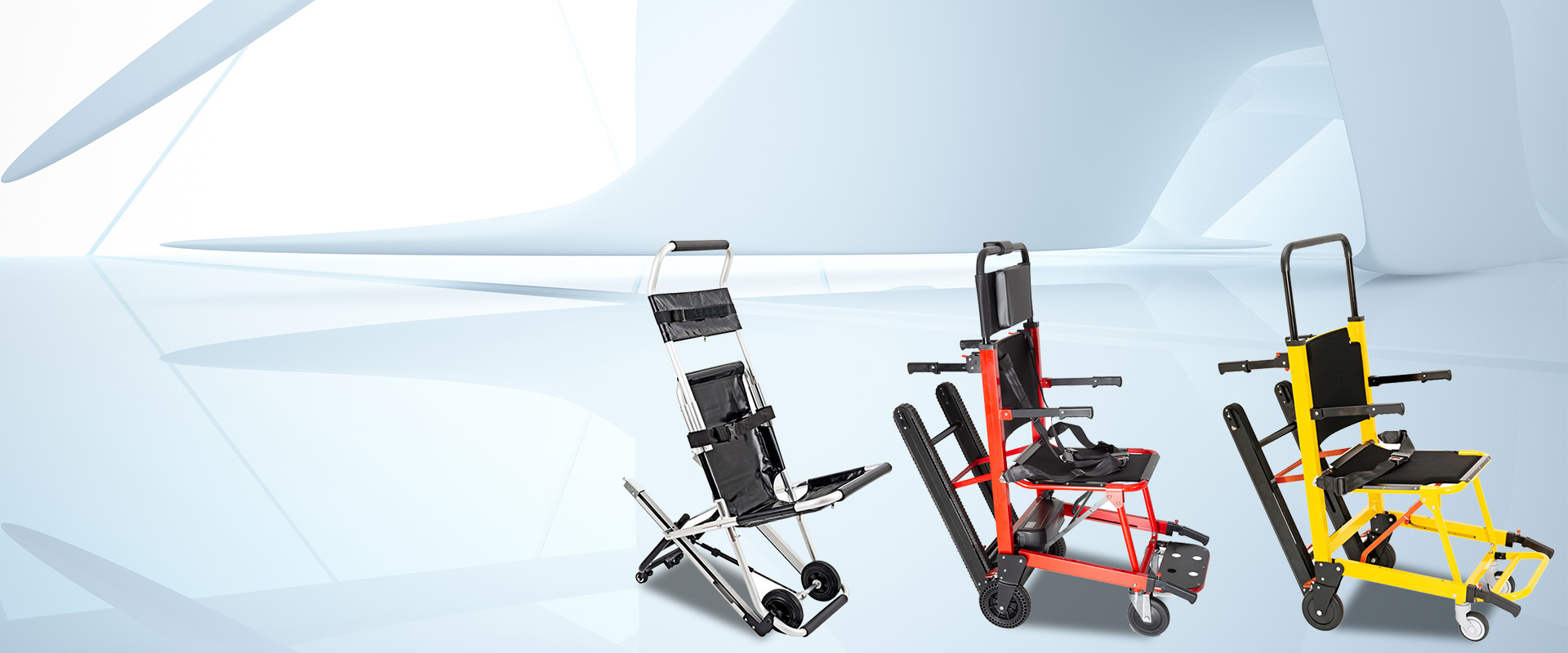
Tracked stair chair systems use a rack-and-pinion drive to move smoothly along the rail. The motor turns a small gear (the pinion) that fits into a toothed rack on the rail. This setup ensures the chair moves steadily without slipping. It provides precise control, allowing the chair to climb or descend stairs safely. The gear teeth mesh tightly, preventing any jerky or uneven motion. This mechanism also helps the chair hold its position firmly when stopped, adding to overall stability.
The rail is securely fastened directly to the stair treads, not just the wall. This method anchors the system to the strongest part of the staircase. Heavy-duty brackets hold the rail tight, preventing any movement or wobbling during use. This direct attachment spreads the load evenly across the stairs, reducing stress on any single point. As a result, the entire stair chair system stays rigid and stable, even when carrying heavier users. Proper installation here is key to maintaining safety and reliability.
Smooth rides are essential for user comfort and safety. Tracked stair chair systems include electronic speed controls that regulate how fast the chair moves. They start slowly, accelerate gently, and slow down gradually at the end of the journey. This soft start/stop reduces jolts that could unbalance the user or cause the chair to shake. Maintaining a consistent, moderate speed also prevents sudden jerks that might damage the system or the stairs. These features work together to deliver a stable, controlled ride every time.
Safety is built into every stair chair system. Automatic brakes engage when the chair reaches the top or bottom of the stairs, holding it securely in place. If the system detects any malfunction or unsafe condition, safety interlocks immediately stop the chair. These interlocks prevent the chair from moving unless the seat is locked properly and the user is secured. In emergencies, manual stop buttons provide quick control. Together, these braking and safety features prevent accidents and ensure the stairway remains stable during operation.
Tip: Always verify that the rail mounting brackets are tightly secured to stair treads during installation to maximize structural stability and user safety.
Straight stair chair systems are designed for staircases that run in a single, uninterrupted line. Their rails are typically prefabricated in standard lengths, making installation quick and cost-effective. Because the rail is straight, the chair moves along a direct path, which simplifies the drive mechanism and control systems. This simplicity translates into high reliability and consistent stability during operation. The sturdy rail and carriage ensure the chair remains firmly aligned, preventing wobbling or lateral movement. These systems often feature rail sections that can fold up at the bottom to avoid trip hazards, maintaining a safe environment for all stair users.
Curved stair chair systems are built for staircases with bends, turns, or landings. Each curved rail is custom-made to fit the exact dimensions and angles of the stairs. This custom design requires more sophisticated engineering to ensure the carriage navigates smoothly around curves without losing stability. The rail's secure attachment to stair treads and precise gear engagement prevents slipping or jerking, even on tight turns. Advanced control systems manage speed and braking carefully during navigation. These features combine to maintain steady, stable movement, giving users confidence when riding complex stair layouts.
Outdoor stair chair systems face unique challenges due to exposure to weather elements like rain, snow, and UV rays. Their rails and components are made from corrosion-resistant materials such as stainless steel or specially coated aluminum. Sealed electronics and waterproof covers protect the motor and control systems. Despite harsh conditions, these systems maintain strong stability through robust rail mounting and durable carriage designs. The drive mechanisms incorporate features to prevent slipping on wet or icy stairs. Additionally, outdoor models often include enhanced braking systems to handle varying surface conditions, ensuring a safe, stable ride year-round.
Each stair chair type offers distinct stability advantages tailored to its environment and staircase design:
Stair Chair Type | Stability Features | Best For |
|---|---|---|
Straight | Simple, rigid rail; direct path; reliable gearing | Standard, linear staircases |
Curved | Custom rails; precise gear control; smooth curves | Staircases with bends or landings |
Outdoor | Weatherproof materials; sealed electronics; enhanced braking | External stairs exposed to elements |
Straight systems excel in reliability due to their straightforward design. Curved systems prioritize secure navigation along complex stair shapes. Outdoor systems focus on durability and maintaining stability despite environmental challenges. Choosing the right system depends on staircase layout and usage conditions, but all prioritize user safety and stairway integrity.
Tip: When selecting a stair chair system, consider the staircase layout and environment carefully to ensure the chosen type provides optimal stability and safety for daily use.
Obstacle detection sensors play a vital role in stair chair safety. These sensors are usually pressure-sensitive strips placed along the footrest edges and carriage covers. If the chair encounters any obstruction—such as a dropped object, pet, or person—the sensors immediately halt movement. This quick response prevents collisions that could destabilize the chair or cause injury. The system stops the motor and applies brakes, ensuring the chair remains steady and safe until the obstruction is cleared.
Emergency stop switches provide users and caregivers with a fast way to stop the chair in an urgent situation. These switches are strategically located on the armrest or control panel for easy access. When pressed, the chair instantly ceases all movement and engages braking systems. Manual overrides allow trained personnel to control the chair directly during maintenance or emergencies, bypassing automatic functions if necessary. These features add an extra layer of control, helping prevent accidents and maintain stairway stability.
Swivel seats enhance user comfort and safe exit at landings. However, they must lock firmly during travel to avoid unwanted movement. Swivel seat locks secure the chair in place, preventing it from rotating while ascending or descending stairs. Alongside this, secure seating restraints such as lap belts or harnesses keep the user safely seated. These restraints reduce the risk of slipping or falling, which could destabilize the chair or cause injury. Together, these features ensure the user remains steady and secure throughout the ride.
Speed control is critical for stability on stairs. Stair chair systems continuously monitor travel speed using sensors and electronic controls. If the chair moves faster than a safe threshold, overspeed protection activates. This system immediately applies brakes to slow or stop the chair, preventing loss of control. Smooth acceleration and deceleration features also help maintain balance and comfort. By managing speed precisely, these controls reduce jolts and abrupt movements that could compromise stability.
Child locks and key switches prevent unauthorized or accidental use of the stair chair. These security measures keep children or untrained individuals from operating the chair unsupervised, which could cause unsafe situations. The key switch disables controls until a key is inserted, and child locks may block access to controls or require additional steps to activate the chair. These protections ensure the stair chair is used only by those who understand its safe operation, maintaining overall stairway safety.
Tip: Always test obstacle sensors and emergency stop switches regularly to ensure they respond correctly and keep stairway travel safe and stable.
Installing a stair chair system properly is critical for stability and safety. Professionals start by carefully measuring the staircase to ensure the rail fits perfectly along the treads. The rail must be mounted directly to the stair treads, not just the wall, using heavy-duty brackets spaced evenly to spread the load. Each bracket is anchored firmly with screws or bolts rated for structural support. Professionals check the rail alignment multiple times during installation to avoid any gaps or misalignments that could cause wobbling. Proper torque on fasteners prevents loosening over time. Finally, installers test the entire system by running the chair up and down the stairs to confirm smooth, stable operation.
Routine maintenance keeps the stair chair system functioning safely and smoothly. Users or caregivers should clean the rail regularly to remove dust, dirt, or debris that might interfere with the carriage’s movement. Lubricating moving parts, such as rollers and gears, prevents wear and reduces friction. Periodic checks of the rail mounting brackets ensure none have loosened or corroded. It’s also important to inspect the seat, armrests, and footrest for damage or wear, replacing parts if needed. Scheduling annual professional servicing is recommended to perform detailed inspections and adjustments.
The stair chair’s batteries power the motor and controls. Regularly checking battery charge status helps avoid unexpected shutdowns during use. Most systems include indicator lights or displays to show battery health. Batteries typically last three to five years depending on usage and climate. Replacing batteries before they fail maintains reliable operation. During maintenance visits, technicians test battery voltage and capacity, replacing cells when performance drops below safe thresholds. Users should also ensure the chair is parked at charging points after each use to keep batteries fully charged.
Brakes and sensors are vital for stability and safety. Regular inspection ensures brakes engage firmly to hold the chair in place at landings or during stops. Technicians test automatic braking systems and emergency stop switches to confirm responsiveness. Safety sensors, such as obstacle detectors, must be clean and free from damage to function correctly. Mechanical parts like the rack-and-pinion drive, rollers, and carriage bearings require lubrication and wear checks. Any worn or damaged components should be replaced promptly to maintain smooth, stable operation.
Common stability problems often stem from loose rail brackets, dirty or dry rails, or worn mechanical parts. If the chair wobbles or jerks, first check that all rail brackets are tight and secure. Cleaning the rail and lubricating moving parts often resolves rough movement. If the chair slows or stops unexpectedly, battery health and electrical connections should be tested. Faulty sensors or brakes may cause sudden stops or failure to hold position. In such cases, professional diagnosis and repair are essential. Keeping a regular maintenance schedule prevents most issues before they arise.
Tip: Schedule annual professional inspections to tighten rail mounts, test brakes, and replace worn parts, ensuring your stair chair system stays stable and safe for years.
Before using the stair chair, ensure the seat, armrests, and footrest are unfolded and locked into place. Check the stairway and rail for any obstacles like bags, shoes, or loose rugs that might trigger safety sensors. Confirm the chair is fully charged and parked correctly at its designated resting spot. Some models require turning on a power switch or inserting a key to activate the system. Taking these steps helps prevent interruptions and ensures a smooth ride.
Sit fully back in the chair, placing your feet firmly on the footrest. Use the safety belt provided, fastening it securely across your lap. This restraint keeps you steady and prevents slipping during travel. High armrests and contoured seats add extra support for balance and comfort. Always check that the seat locks in place before moving. Proper seating and securing are vital for safe, stable stairway travel.
Most stair chairs feature simple controls on the armrest, such as a rocker switch or joystick. Press and hold the control in the direction you want to travel. The chair will accelerate gently, maintaining a steady speed for comfort. Releasing the control causes a smooth, gradual stop. Some systems include remote controls or wall-mounted call buttons to summon the chair from different floors. Always keep light pressure on controls during movement to maintain safety.
At the top or bottom landing, many stair chairs swivel the seat away from the staircase. This rotation positions you safely to stand without turning on the stairs. The swivel locks firmly in place before you unbuckle the safety belt. Use armrests or nearby grab bars to assist standing if needed. After exiting, fold the seat, armrests, and footrest back to free the stairway for others. This design helps prevent falls and maintains stairway accessibility.
Stair chairs can serve multiple people in a household. Each user should fit within the weight and size limits specified by the manufacturer. Remote controls or call buttons allow users or caregivers to summon the chair easily. Caregivers can assist in securing safety belts or operating swivel seats for users with limited mobility. Store remotes safely to prevent unauthorized use, especially around children. Clear communication and practice ensure everyone uses the stair chair safely and comfortably.
Tip: Always perform a quick safety check before each use, confirming seat locks, safety belts, and clear stairways to ensure a smooth, secure ride every time.
Stair chair systems greatly improve safety and mobility on stairs by providing stable, controlled movement. Choosing high-quality systems ensures reliable performance and user protection. Advances in technology continue to enhance stability and comfort for users. Professional installation and regular maintenance are crucial for optimal function and safety. Zhangjiagang Xiehe Medical Apparatus & Instruments Co., Ltd. offers dependable stair chair solutions that prioritize security and ease of use, delivering lasting value for daily stairway needs.
A: A stair chair system is a motorized chair that moves along a rail mounted to stair treads, designed to safely transport users up and down stairs with enhanced stability.
A: The stair chair uses a rigid rail securely attached to stair treads, a rack-and-pinion drive for smooth movement, and safety sensors to maintain balance and prevent wobbling.
A: Tracked stair chairs offer precise control, smooth rides, and built-in safety features, making stairway navigation safer and more stable than portable or manual devices.
A: Regularly inspect rail mounts, clean and lubricate moving parts, check batteries, and test safety sensors to preserve the stair chair’s stability and performance.
A: Prices vary by type—straight, curved, or outdoor stair chairs—with factors like custom rails and features influencing cost; professional installation adds to the total expense.


