English
Views: 0 Author: Site Editor Publish Time: 2026-04-09 Origin: Site


Can emergency teams trust every product in a critical moment? Not always. Quality in Medical Equipment affects safety, speed, and patient support. In this article, you will learn how to judge emergency equipment by structure, function, reliability, and standards.
In emergency situations, equipment quality directly affects patient handling and staff efficiency. A poorly designed stretcher or chair may slow transfer, increase operator effort, or reduce patient stability during movement. Good Medical Equipment helps teams work faster and more safely, especially in high-pressure settings such as ambulances, stairways, and hospital corridors.
Patient Safety: Stable frames, secure belts, and reliable locking systems help reduce movement risk during transfer. This is essential for injured, elderly, or weak patients.
Response Speed: Easy-to-use equipment saves time during loading, positioning, and transport. In emergency care, small delays can affect the whole workflow.
Operational Confidence: When staff trust the equipment, they focus more on the patient and less on handling problems. That makes daily use smoother and more controlled.
High-quality Medical Equipment usually shares three important traits: strong structure, reliable performance, and simple operation. These qualities matter because emergency teams need equipment that works well every time, not only when it is new. Buyers should look at how the product performs in practical use, not just how it looks in a product photo.
Structural Strength: The equipment should remain stable under load and repeated movement. A solid frame improves safety and product life.
Reliable Performance: It should open, lock, adjust, and move in a consistent way. That is important in urgent care settings where mistakes cost time.
Ease of Operation: Staff should be able to understand and use it quickly. Clear controls and smooth handling reduce training pressure and user errors.
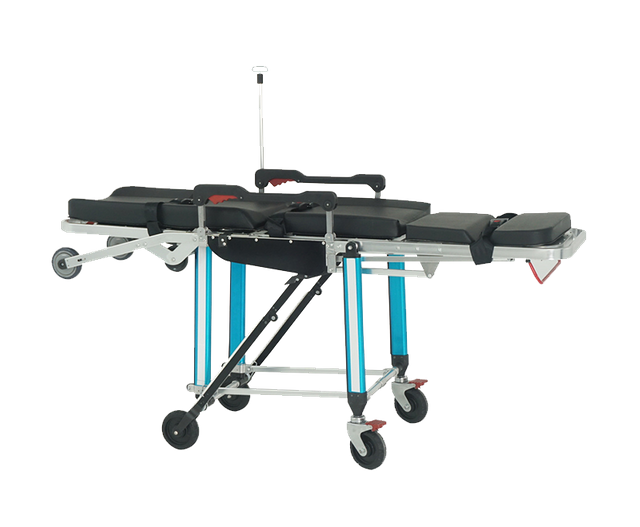
Strong materials are the base of dependable Medical Equipment. In emergency settings, products are lifted, folded, moved, stored, and cleaned again and again. They need to keep their shape and stability through repeated use, not only during an initial inspection. High-strength materials such as aluminum alloy are often preferred because they balance durability, corrosion resistance, and easier handling.
Material Strength: The frame should use practical, high-strength materials that feel solid during lifting and transport. It should support demanding daily use without adding unnecessary weight.
Load Stability: Good equipment should remain balanced under working weight. It should not wobble, bend, or feel weak during movement.
Wear Resistance: Surfaces should resist rust, scratches, and damage from cleaning. This helps extend service life and maintain product appearance.
Good Medical Equipment should help caregivers act quickly and confidently. In emergencies, they may work in stairways, ambulances, hallways, or tight spaces. If a product is difficult to fold, lock, or adjust, it slows the whole process. Easy operation is not an extra feature. It is part of product quality.
Operation Mode: Some products are designed for one-person use, while others require more support. The design should match real working conditions.
Folding and Locking: Mechanisms should open smoothly and stay secure after repeated use. They should not feel stiff or unclear.
Ergonomic Design: Handles, grips, and movement points should reduce physical strain and improve control during transport.
| Function Area | Good Performance Looks Like |
|---|---|
| Folding system | Fast and smooth deployment |
| Locking system | Secure and easy control |
| Adjustment features | Simple repositioning during use |
| Ergonomics | Better comfort for caregivers |
High-quality Medical Equipment must protect the patient during transfer. In emergency movement, even a small loss of stability can create added risk. Safety design should support restraint, positioning, and controlled movement from start to finish. It should also help maintain patient comfort during transport.
Safety Belts and Harnesses: These should secure the patient well and remain dependable during movement. Weak restraint systems reduce overall product trust.
Anti-Slip Stability: Stable surfaces and controlled motion help reduce sliding or shifting during transfer.
Patient Support: Cushioning and positioning features improve comfort and help maintain safer posture.
Certifications help show whether Medical Equipment is supported by recognized standards and structured quality systems. Common trust signals in this field include CE, FDA, and ISO 13485. Xiehe highlights these quality-related documents in its company information, which supports its position in hospital and emergency equipment.
CE: Often shows compliance for the relevant market. The exact product scope should still be checked carefully.
FDA-Related Documentation: This can strengthen trust, though the claim should be reviewed in detail.
ISO 13485: This usually indicates a structured medical quality management system for device manufacturing.
Verification: Company name, model information, and document validity should match clearly.
The long-term value of Medical Equipment depends heavily on how well it performs after repeated daily use. In emergency settings, products are not used gently or occasionally. They are moved through corridors, loaded into vehicles, carried across uneven ground, folded, unfolded, cleaned, and stored over and over again. Because of this, reliability is closely linked to durability. A product should keep its structure, movement, and basic function stable even after long periods of regular use. If it starts to loosen, shake, or wear down too quickly, it can affect both efficiency and safety.
Service life should also be considered together with frequency of use. Equipment used several times a day will naturally face more wear than equipment used only in limited situations. That is why durability cannot be judged by appearance alone. It should be understood as the ability to maintain stable performance over time. For a company such as Xiehe, whose products are used in emergency transport and hospital handling scenarios, this kind of long-term dependability is an important part of product quality.
Reliable Medical Equipment should not only work well in the beginning. It should also remain practical to clean, inspect, and maintain during long-term use. In emergency and hospital environments, hygiene is a daily requirement, so surfaces should be easy to wipe down and disinfect without creating extra effort for staff. If the design includes corners, joints, or materials that trap dirt or are difficult to clean, routine maintenance becomes less efficient. Over time, that can affect both product condition and user confidence.
Serviceability also matters because even durable products need regular checks and occasional part replacement. It is helpful when accessories and spare parts are available in a clear and consistent way. Preventive maintenance is equally important. A product that can be inspected easily is more practical for long-term use because small issues can be found before they become larger problems. In this sense, quality is not only about how a product works today. It is also about how manageable it remains after months or years of use.
Long-term performance is shaped not only by the product itself but also by the support behind it. Even well-made Medical Equipment benefits from responsive service, clear warranty terms, and dependable technical assistance. Warranty coverage helps define what support is available if a product issue appears within the expected service period. Technical responsiveness matters just as much. When support is slow or unclear, even a small issue can interrupt normal use and create unnecessary pressure for the team.
This is where manufacturer capability becomes part of quality evaluation. A supplier should be able to provide stable communication, practical service, and consistent supply support over time.
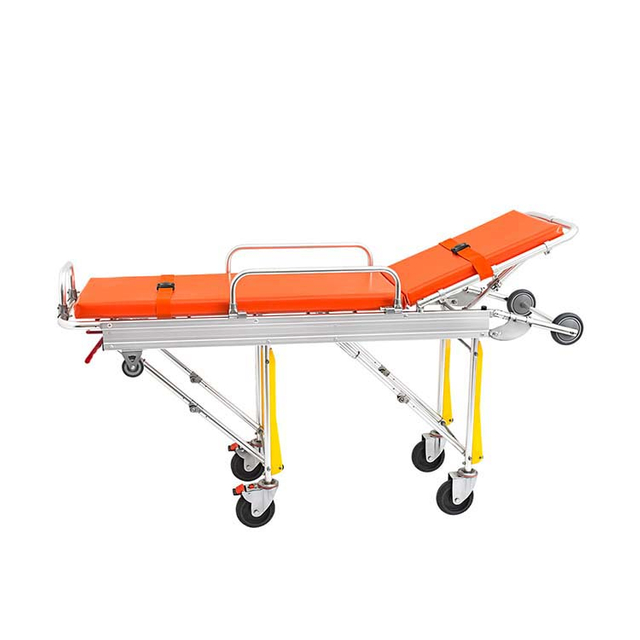
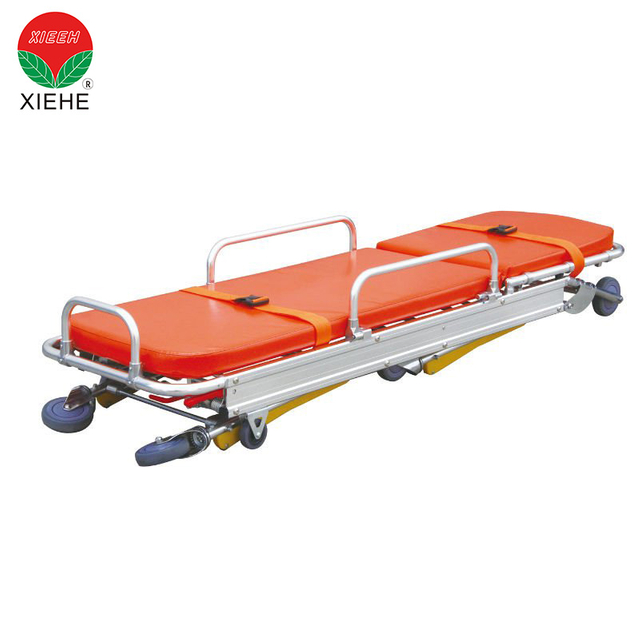
For ambulance and patient transport, Medical Equipment should support fast loading, stable movement, and easy adjustment. Ambulance stretchers are often chosen because they help move the patient smoothly from the scene to the vehicle and then into the treatment area. Good transport products should also include practical adjustment features, since patient needs can change during movement.
Ambulance Stretchers: They are designed for repeated patient transfer and vehicle loading. Their value comes from stable rolling, secure structure, and smoother handling during transport.
Loading Features: A reliable loading system helps reduce delay and improve control. It matters most when speed and safety are both important.
Adjustable Support: Backrest and positioning features help improve comfort and make transport more practical in real emergency use.
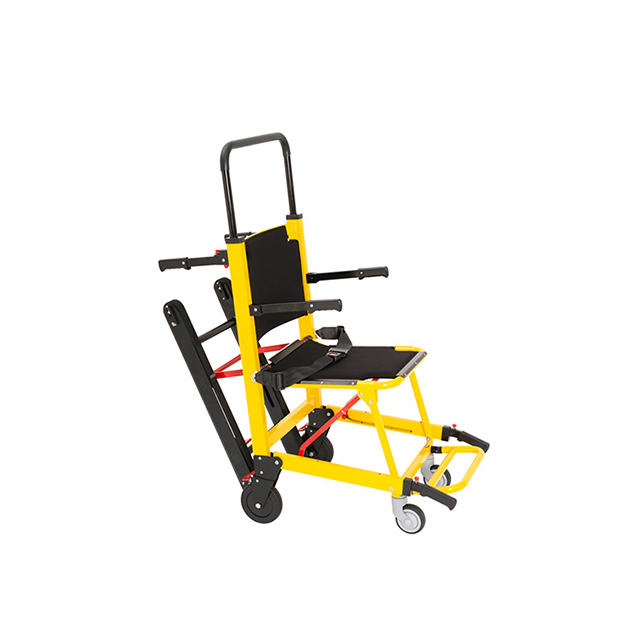
Stair and evacuation situations need a different type of Medical Equipment. Standard transport products may be too large or too difficult to control in narrow spaces. Stair chairs and stair stretchers are more suitable because they are designed for compact movement and better handling in stairwells, landings, and tight indoor areas.
Stair Chairs: They work well in narrow staircases and indoor evacuation routes. They are useful when seated movement is the safer option.
Stair Stretchers: They are better when the patient needs more support during vertical movement. They help improve transfer safety in spaces where wheeled transport is not possible.
Confined-Space Handling: Maneuverability matters a lot in this setting. The equipment should turn easily and remain stable in tight areas.
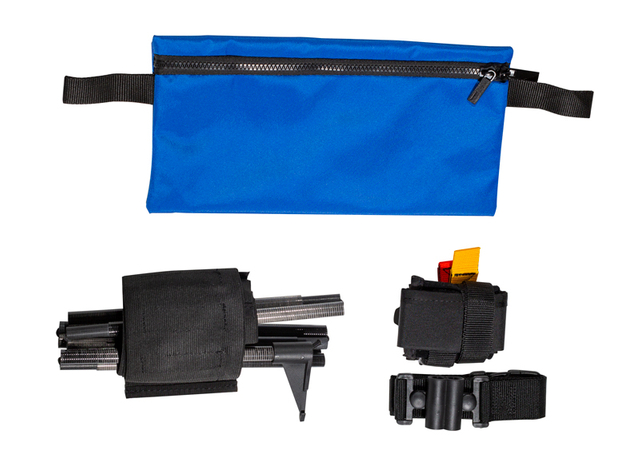
Rescue and first aid settings often require Medical Equipment that is portable and quick to deploy. Folding stretchers, scoop stretchers, spine boards, and immobilization devices are often used because they support fast response and practical field handling. These products are especially useful before the patient reaches a more controlled care environment.
Folding Stretchers: They are easier to carry and store. They are often used when quick deployment matters most.
Scoop Stretchers: They help lift the patient more carefully. This makes them useful when movement should be limited.
Spine Boards and Immobilization Devices: They support body stabilization during rescue and transfer. They are often used when controlled positioning is important.
Good Medical Equipment should match the real working environment. Hospital use often needs smooth indoor movement and easy cleaning. Pre-hospital use needs portability and faster deployment. Outdoor rescue may require simpler carrying solutions, while indoor evacuation needs better control in tight spaces. Operator skill level also matters, since some products are easier to use than others.
When equipment is matched to the actual scenario, it becomes more useful and more reliable in daily emergency work. That is why product range matters.
Choosing quality emergency Medical Equipment means looking at strength, safety, ease of use, reliability, and compliance together. Xiehe adds value through stretchers, stair chairs, rescue products, and responsive support, helping emergency teams work more safely and efficiently.
A: Safety, stability, and reliable daily performance matter most.
A: Check structure, locking, patient support, and smooth handling.
A: It helps caregivers move faster and reduce handling errors.
A: CE, FDA-related documents, and ISO 13485 are common signals.
A: Xiehe offers stretchers, stair chairs, spine boards, and rescue products.