English
Views: 0 Author: Site Editor Publish Time: 2026-06-04 Origin: Site


Stair Chair are essential for safely moving patients on stairs. Unlike traditional stair lifts, they are portable and versatile. In emergencies, quick and secure stair transport is critical. This post explains stair chairs’ purpose and how EMS and caregivers use them. You’ll learn key differences between tracked and folding stair chairs.
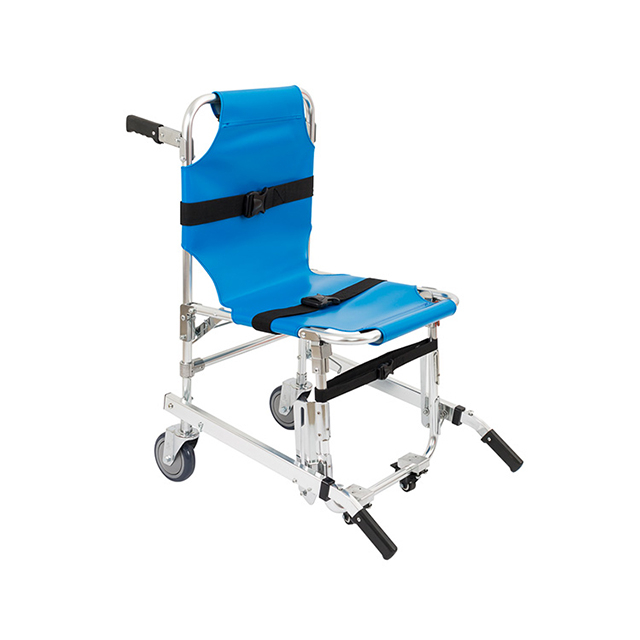
Manual folding stair chairs are popular for their simplicity and portability. They fold up compactly, making storage and transport easy for EMS teams and caregivers. These chairs usually feature lightweight frames, often made of aluminum, allowing operators to carry and maneuver them effortlessly.
Key benefits include:
Ease of Storage: Folding design reduces space needed when not in use.
Lightweight: Less physical strain on operators during transport.
Cost-Effective: Typically more affordable than motorized or tracked models.
Simple Operation: No batteries or motors to maintain.
These chairs are ideal for straightforward staircases and situations where quick deployment matters. They often come with safety belts, footrests, and handles to secure patients during transport.
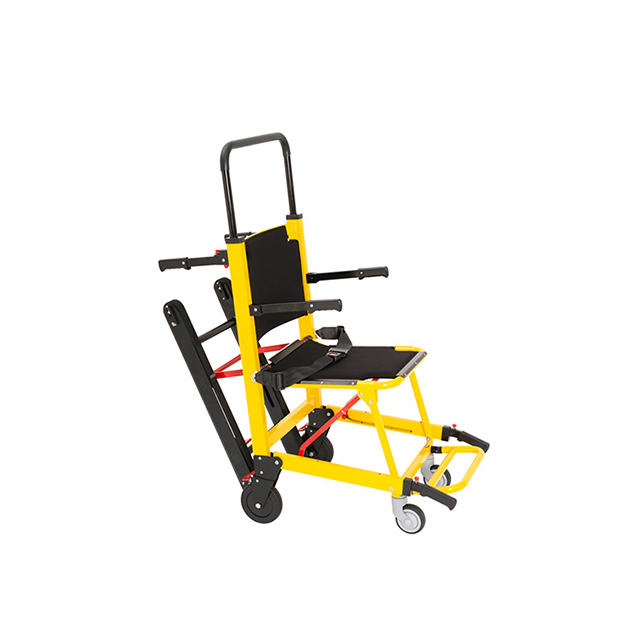
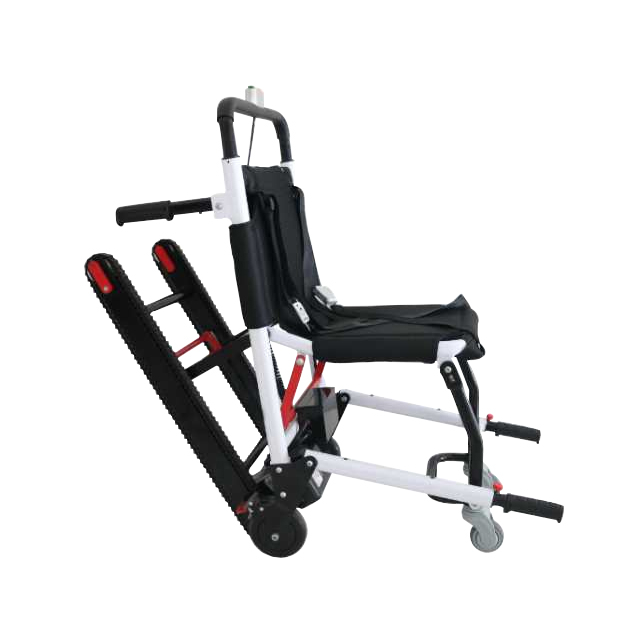
Tracked stair chairs incorporate a track system along the base, allowing the chair to glide smoothly over stairs. This design offers enhanced stability and control, especially on steep, narrow, or curved staircases.
Key advantages include:
Improved Stability: Tracks distribute weight evenly, reducing chair wobble.
Smooth Navigation: Easier to control ascent and descent on stairs.
Reduced Operator Strain: Track system lessens the physical effort needed.
Better Handling on Complex Stairs: Tracks help maneuver tight turns or irregular steps.
Though generally heavier than folding chairs, tracked models provide a safer ride for patients and reduce fatigue for EMS personnel. They often require two operators but can sometimes be managed solo, depending on the model.
Motorized stair chairs combine powered assistance with features like tracks or wheels, enabling EMS teams to transport patients with minimal effort. These models usually include rechargeable batteries powering motors that propel the chair up or down stairs.
Hybrid models blend manual and motorized features, such as manual operation with track-based stability or motorized assistance without full automation.
Benefits of motorized and hybrid options:
Significantly Reduced Physical Strain: Motor power handles heavy loads and steep stairs.
Enhanced Safety: Motorized speed control and braking systems improve patient security.
Versatility: Hybrid models offer balance between portability and powered support.
Extended Use: Suitable for frequent patient transports or heavier individuals.
Motorized chairs are excellent for EMS teams facing challenging environments or needing to transport patients quickly and safely over multiple flights of stairs.
Stair Chair Type | Best Use Cases |
|---|---|
Manual Folding Stair Chairs | Quick deployment, lightweight needs, simple staircases |
Tracked Stair Chairs | Narrow, curved, or steep stairs requiring stability |
Motorized Stair Chairs | Heavy patients, long flights, frequent stair transports |
Hybrid Stair Chairs | Combination of portability and powered assistance |
Choosing the right stair chair depends on environment, patient needs, and operator capacity. Manual folding chairs suit simple, low-frequency use. Tracked chairs excel where stability on tricky stairs is critical. Motorized and hybrid chairs offer powerful support for demanding situations.
Tip: When selecting a stair chair, match the chair type to your typical stair environment and patient weight to optimize safety and ease of use.
Safety is the top priority when selecting a stair chair. Most models come equipped with seat belts or safety straps to keep patients secure during transport. These restraints prevent sliding or sudden movements, especially on stairs. Brakes are another essential feature. Hand-operated brakes allow operators to stop the chair instantly, ensuring stability on sloped or uneven steps. Some motorized models include automatic braking systems or safety sensors that detect obstacles and halt movement, adding an extra layer of protection. Stability mechanisms like anti-slip footrests and wide base frames reduce the risk of tipping or wobbling during use.
Comfort matters for patients who may spend several minutes in the chair. Look for cushioned seats with enough padding to reduce pressure points. Chairs with adjustable armrests and footrests improve patient positioning and comfort. Some models offer swivel seats or adjustable headrests, which help caregivers transfer patients more easily, especially in tight stairwells. A wider seat can accommodate larger patients, while ergonomic design supports posture and reduces fatigue. The chair’s material should be durable and easy to clean, suitable for emergency or medical environments.
Mobility features vary widely between models. Track systems allow chairs to glide smoothly over stairs, providing better control and reducing jerky movements. These tracks distribute weight evenly, making navigation on curved or narrow stairs safer. Foldability is another critical mobility feature, especially for manual chairs. A folding design enables quick storage and transport, fitting easily into ambulances or small storage spaces. Lightweight frames made from aluminum or composite materials enhance portability without sacrificing strength.
Portability is crucial for EMS teams and caregivers who need to move stair chairs frequently. Chairs should be lightweight enough for one or two operators to carry comfortably. Compact folding designs save space when the chair isn’t in use. Some models include carrying handles or wheeled cases for easier transport. Consider the storage space available in your vehicle or facility to ensure the chair fits without hassle. Durability is also key—chairs must withstand frequent folding, unfolding, and rough handling without damage.
Tip: Prioritize stair chairs that balance safety features with portability to ensure patient security while easing transport and storage challenges for EMS personnel and caregivers.
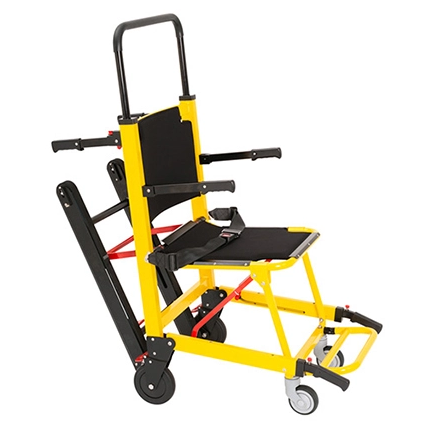
Tracked stair chairs offer superior stability compared to folding stair chairs. Their track system distributes weight evenly across stair surfaces, reducing wobbling or tipping risks. This feature is crucial on steep or uneven steps, where maintaining balance is challenging. Operators experience smoother control, which translates into safer patient transport. Folding stair chairs, while portable, rely heavily on operator skill to maintain stability, especially on tricky staircases.
Tracked models excel on curved or narrow staircases. The continuous track system glides along stairs, allowing for better alignment and smoother turns. This design minimizes jerky movements, which can unsettle patients or make navigation difficult. Folding stair chairs, lacking tracks, can struggle in tight spaces or around corners, requiring more effort and coordination from operators. For EMS teams working in buildings with complex stair layouts, tracked chairs provide a distinct advantage.
Using tracked stair chairs reduces the physical burden on EMS personnel. The track mechanism absorbs much of the effort needed to move the chair up or down stairs. This is especially helpful when transporting heavier patients or negotiating long flights of stairs. Folding chairs, being lighter, may seem easier to carry but demand more lifting and balancing effort during stair navigation. Over time, tracked chairs help prevent operator fatigue and potential injuries, improving overall efficiency.
Despite their benefits, tracked stair chairs have some limitations. They tend to be heavier and bulkier, making transport and storage more challenging. Their higher cost can also be a factor for some EMS providers or caregivers. Folding stair chairs shine in scenarios requiring rapid deployment and easy storage, such as in ambulances or small spaces. They are also preferable for simple, straight staircases where tracks offer less added value. Ultimately, folding chairs remain a practical choice for quick, lightweight patient moves.
Tip: Choose tracked stair chairs for complex, curved, or steep stairs to enhance safety and reduce physical strain, but keep folding chairs handy for quick, lightweight transport in simpler stair environments.
Ensuring the patient is properly positioned in the stair chair is vital for safety. Always seat the patient comfortably, keeping their back against the chair’s backrest. Use all provided safety belts and straps to secure them firmly but gently. Fasten the lap belt and, if available, shoulder straps to prevent sliding or sudden movements during transport. Footrests should support the patient’s feet to avoid dangling, which can cause discomfort or instability. Proper positioning reduces the risk of falls and helps maintain balance while moving on stairs.
Operators must be trained to handle stair chairs safely and efficiently. Training should include how to:
Secure patients correctly.
Use brakes and safety features.
Maneuver chairs on different stair types.
Communicate with team members during transport.
Practice drills help operators gain confidence, especially for tricky stairs or heavier patients. Knowing when to ask for assistance is crucial. Operators should also learn to lift and carry the chair properly to avoid injuries.
Braking systems are essential for controlling stair chairs during stops or adjustments. Manual models typically have hand brakes that operators can engage to hold the chair steady on inclines. Motorized chairs often include automatic brakes that activate if the chair stops unexpectedly or detects an obstacle. Some advanced models feature safety sensors that halt movement if resistance or sudden changes occur, preventing accidents. Regular testing of brakes and sensors ensures they work properly when needed.
Staircases can vary widely, from narrow, winding stairs to steep or uneven steps. Handling these safely requires choosing the right chair and using proper techniques:
On narrow stairs, use chairs with compact frames or track systems for better control.
Curved stairs benefit from tracked or motorized chairs that glide smoothly.
Steep stairs require careful braking and slow, steady movement.
Uneven or damaged steps demand extra caution and possibly additional personnel support.
Always assess the stair environment before transport and adjust your approach accordingly to maintain safety for both patient and operator.
Tip: Regularly train EMS personnel on stair chair operation, emphasizing patient securing, brake use, and navigating tricky staircases to ensure safe, confident handling in emergencies.
Stair chairs come in a wide price range depending on type and features. Manual folding stair chairs are usually the most affordable, often priced between $500 and $1,500. Their simple design and lack of motors keep costs low, making them a popular choice for basic patient transport.
Tracked stair chairs, which include a track system for better stair navigation, typically cost more due to their enhanced stability and control features. Expect prices from about $1,500 to $3,500, depending on brand and build quality.
Motorized stair chairs, which offer powered assistance for moving patients, are the priciest. These models can range from $2,500 up to $6,000 or more. The cost reflects the added motors, battery systems, and advanced safety features they include.
Choosing the right model depends on your budget, frequency of use, and patient needs. Manual chairs suit low-use scenarios and simpler stairs. Tracked models fit environments with tricky staircases. Motorized chairs work best for heavy patients or frequent transports.
Maintenance keeps stair chairs safe and reliable over time. For manual and tracked chairs, regular cleaning is essential. Wipe down seats, handles, and tracks to remove dirt and debris. Check brakes, wheels, and folding mechanisms for wear or damage. Lubricate moving parts occasionally to ensure smooth operation.
Motorized stair chairs require extra care for their batteries. Always charge batteries fully before use, especially when expecting multiple transports. Follow manufacturer guidelines for charging cycles to extend battery life. Keep spare batteries handy if possible, so operations don’t get interrupted. Inspect electrical connections and motors regularly to catch any issues early.
Routine checks of safety belts, brakes, and track systems help avoid surprises during emergencies. Document maintenance activities and address repairs promptly.
Most stair chairs come with warranties covering parts and labor, generally lasting one to three years. Manual stair chairs often have simpler warranties since they have fewer components. Motorized models usually include longer warranties or options for extended coverage on motors and batteries.
Extended service plans offer added peace of mind. These plans may cover scheduled inspections, repairs, and replacement parts beyond the standard warranty period. For EMS teams with heavy use, extended plans reduce unexpected downtime and repair expenses.
When buying, review warranty terms carefully. Confirm what components are covered and for how long. Some vendors also provide customer support and maintenance services as part of package deals.
Refurbished stair chairs can be a budget-friendly alternative. These units are inspected, repaired, and restored to meet safety standards before resale. They often come with limited warranties, offering some protection.
Buying refurbished models allows EMS providers to access higher-end features at reduced costs. However, ensure the refurbishing vendor is reputable and the chair’s history is transparent.
Refurbished chairs suit organizations with budget constraints but still needing reliable equipment. Always verify condition, warranty, and service options before purchase.
Tip: Invest in routine maintenance and battery care to extend stair chair lifespan and maximize your return on investment.
Selecting a reliable vendor is crucial when buying a stair chair. The vendor you choose affects product quality, customer service, and warranty support. These factors impact how well your stair chair performs and how long it lasts. Here’s what to look for when choosing a stair chair vendor.
Start by researching vendors’ reputations. Look for companies known for quality and reliability. Check customer reviews on their websites, social media, and third-party platforms. Positive feedback from EMS teams and caregivers shows the vendor delivers dependable products. Beware of vendors with many complaints about product defects or poor service.
Ask colleagues or industry professionals for recommendations. Vendors with a strong track record in EMS or caregiving markets often provide better support and products tailored to your needs.
Choose a vendor offering a wide selection of stair chairs. This ensures you find a model matching your specific needs, whether manual, tracked, motorized, or hybrid. Vendors with diverse product lines usually provide chairs with various safety features like seat belts, brakes, and adjustable seats.
A broad range also means you can upgrade or replace equipment from the same vendor, simplifying maintenance and training.
Good customer support is essential for handling questions, repairs, or emergencies. Look for vendors offering multiple contact options like phone, email, or live chat. Quick, knowledgeable responses reduce downtime and keep your operations running smoothly.
Some vendors also provide maintenance plans or service agreements. These include scheduled inspections, repairs, and parts replacement, which prolong stair chair life. Vendors offering training sessions or instructional materials add extra value.
Ensure the vendor’s products comply with relevant safety standards and certifications. Certifications from recognized bodies confirm the stair chairs meet quality and safety requirements. This is vital in emergency medical environments where patient safety is non-negotiable.
Ask the vendor for documentation proving compliance. Certified products reduce liability and improve confidence in your equipment.
Tip: Prioritize vendors with strong reputations, diverse product lines, responsive support, and certified products to ensure long-term reliability and safety for your stair chair investment.
Stair chairs usually support weights between 300 and 500 pounds. Manual folding models often hold up to 300-350 pounds, suitable for most average patients. Tracked stair chairs typically have higher weight limits, around 350-450 pounds, due to their sturdy design. Motorized stair chairs can support even heavier patients, sometimes up to 500 pounds or more, thanks to powered assistance and reinforced frames. Always check the manufacturer's specifications to ensure the chair fits your patient weight needs safely.
Some stair chairs are designed for one-person operation, especially motorized or hybrid models with track systems that reduce physical effort. However, for manual folding or tracked chairs, two operators are usually recommended to ensure patient safety and chair stability, particularly on steep or narrow staircases. Single-operator use might be possible with proper training and lightweight patients, but having a second person adds an important safety layer.
Regular maintenance keeps stair chairs safe and reliable. Clean seats, handles, and tracks after each use to prevent dirt buildup. Check brakes, wheels, and folding mechanisms for wear or damage frequently. Lubricate moving parts as recommended by the manufacturer to ensure smooth operation. For motorized chairs, monitor battery health and charge fully before use. Replace worn belts or straps promptly. Document maintenance to track care and repairs over time.
Track-based stair chairs excel on curved staircases, as their track system helps glide smoothly around bends. Folding chairs without tracks may struggle on curves. For outdoor stairs, choose models with corrosion-resistant frames and durable materials. Motorized chairs are often better for outdoor use due to powered control on uneven or long staircases. Always verify the chair’s specifications for outdoor suitability and follow safety guidelines.
Manual stair chairs are ideal for quick, lightweight transport on simple, straight stairs. They cost less and require minimal maintenance. Motorized chairs suit frequent use, heavy patients, or challenging staircases, reducing operator strain. Hybrid or tracked models offer a middle ground, providing stability without full motorization. Consider patient weight, stair complexity, and operator capacity when deciding.
Yes, professional training is highly recommended. Training covers patient securing, brake use, and maneuvering on various stair types. It ensures operators can handle emergencies confidently and safely. Motorized and tracked chairs may require additional instruction on battery care and sensor functions. Regular practice drills help maintain skills and reduce accident risks.
Manual stair chairs usually come with 1 to 2-year warranties covering parts and labor. Motorized models often offer extended warranties for motors, batteries, and electronics, sometimes up to 3 years or more. Some vendors provide optional extended service plans for added protection. Review warranty terms carefully to understand coverage limits and exclusions before purchase.
Tip: Always match stair chair weight capacity and stair environment to your patient and operational needs to ensure safe, effective use.
Tracked stair chairs offer enhanced stability and ease on curved or steep stairs compared to folding models. Folding stair chairs excel in portability and quick deployment for simple staircases. Choosing the right chair depends on stair complexity, patient weight, and operator capacity. EMS professionals and caregivers should consider these factors for safety and efficiency. Exploring different models ensures optimal patient care. Zhangjiagang Xiehe Medical Apparatus & Instruments Co., Ltd. provides reliable stair chairs designed to meet diverse needs with quality and safety.
A: Tracked stair chairs feature a track system for smooth, stable movement on stairs, ideal for curved or steep staircases, while folding stair chairs are lightweight, portable, and best for simple, straight stairs.
A: Maintain motorized stair chairs by regularly charging batteries, cleaning tracks and seats, lubricating moving parts, and inspecting brakes and electrical components.
A: Track stair chairs reduce operator strain, improve stability on complex stairs, and enhance patient safety compared to folding stair chairs, which prioritize portability.
A: Stair chairs generally support 300-500 pounds, with manual folding chairs supporting lower weights and motorized models handling heavier patients.
A: Yes, training ensures proper patient securing, brake use, and safe navigation of stairs, reducing risks during transport.