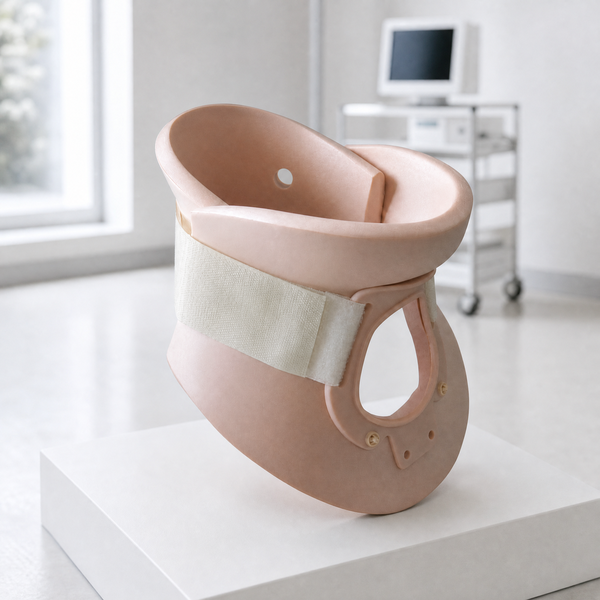
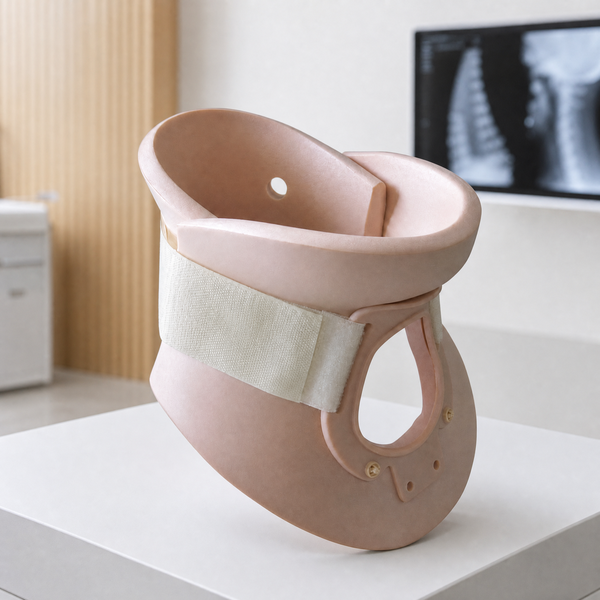
Common Problems with Neck Cervical Braces and Effective Solutions
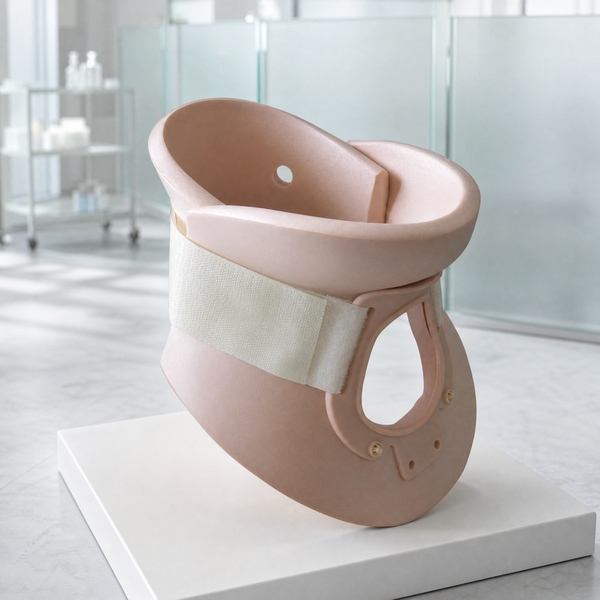
Despite their benefits, neck cervical braces can present certain challenges. Here are common issues and solutions:
Fit and Sizing Issues: Improper fitting can lead to discomfort and ineffective support. To mitigate this, ensure that patients are evaluated for proper sizing before distribution. Adjustable designs can also enhance fit across various patient sizes.
Material-Related Discomfort: Some braces may not breathe well, leading to discomfort during extended wear. Opt for braces made from breathable materials or those designed with ventilation for improved comfort.
Durability Concerns: Frequent use can lead to wear and tear. Choosing high-quality, durable materials can help extend the lifespan of the brace. Regularly inspect braces for signs of damage, and establish a replacement schedule based on usage.
Patient Resistance: Some patients may be resistant to wearing cervical braces, perceiving them as uncomfortable or cumbersome. Education on the importance of the brace for their recovery can help foster compliance. Selecting a brace that prioritizes comfort can also encourage usage.
By being aware of these common problems, buyers can proactively seek solutions when selecting neck cervical braces, ensuring better outcomes for patients and healthcare providers alike.
In summary, understanding the various aspects of neck cervical braces—from selection criteria and specifications to potential challenges—enables B2B buyers to make informed decisions that meet the needs of their organizations effectively.
 EN
EN