Neck Braces: Key Specifications and Best Practices

Zhangjiagang Xiehe Import & Export Co., Ltd.

application/neck-brace, application/neck-brace, 
Inquiry
Inquiry

neck brace

Neck  braces  are essential medical devices  used to  stabilize and support the neck, particularly after injuries or surgeries. For B2B buyers, such  as distributors and purchasing managers in the  healthcare sector, understanding  the  specifications, cost factors, and best practices  related to neck braces is crucial for  making  informed purchasing decisions. This article  aims to provide insights into the key specifications to  evaluate in  neck braces,  guidance for distributors, considerations  for bulk orders, best practices, and  common  issues  along  with their solutions.

Why choose XieHe neck brace

Key Specifications to Evaluate in Neck Braces

When selecting a neck brace, several key specifications must be considered to ensure it meets the intended purpose. These include:

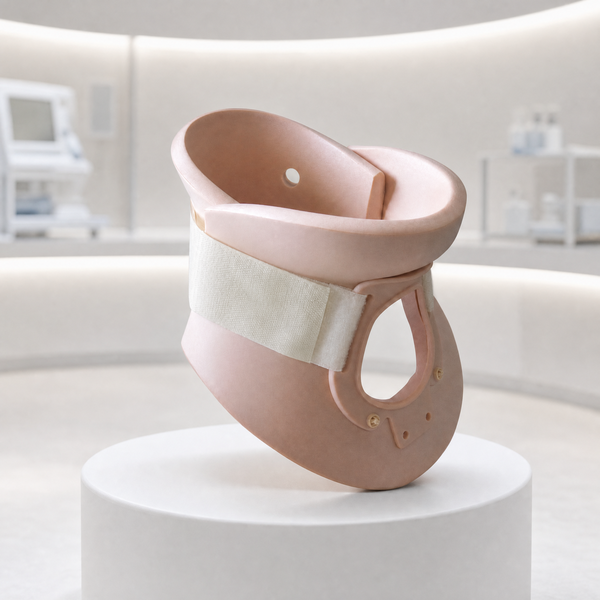
Material: Neck braces are typically made from materials like thermoplastic, foam, or fabric.  The material affects comfort, support, and durability. For example, a thermoplastic neck brace offers rigid support, while foam provides  more  comfort but less stability.

Size and Adjustability: Neck braces come in  various sizes and often include adjustable straps. Ensuring the correct fit is vital for effectiveness. An improperly sized neck brace may cause  discomfort or fail to provide adequate support.

Type  of Support: There  are different types  of neck braces, such as soft collars for minor injuries and hard  collars for more severe conditions. Understanding  the specific use-case is essential for choosing the right type.

Weight: The weight of the neck brace can impact  patient comfort, especially for extended wear. Lightweight materials may be preferred for patients requiring long-term support.

Certifications: Look for neck braces that  meet  relevant medical device  standards, such as CE and FDA certifications. This ensures compliance with  safety and quality standards.

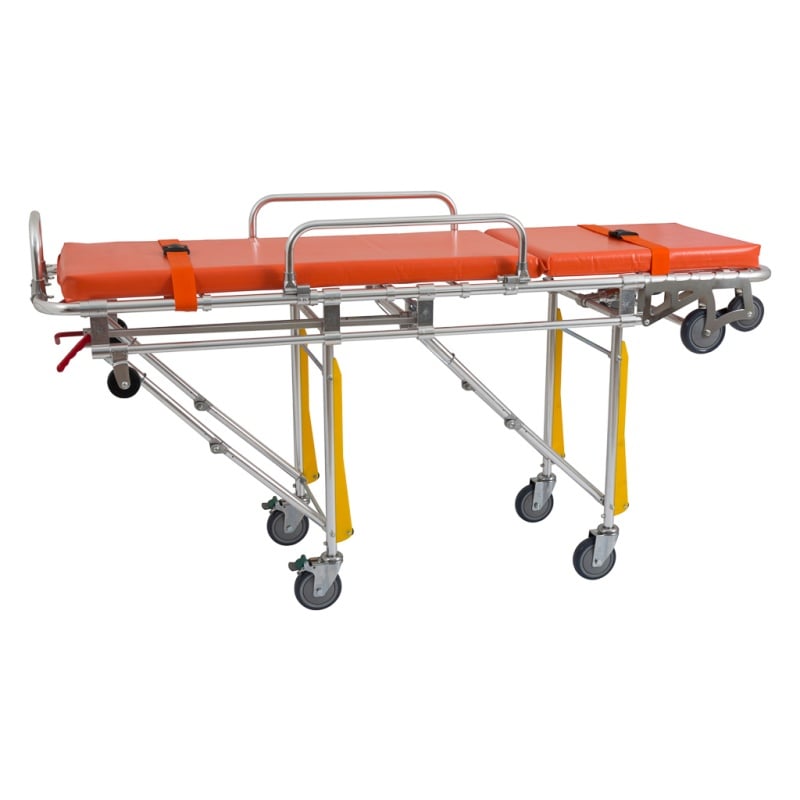
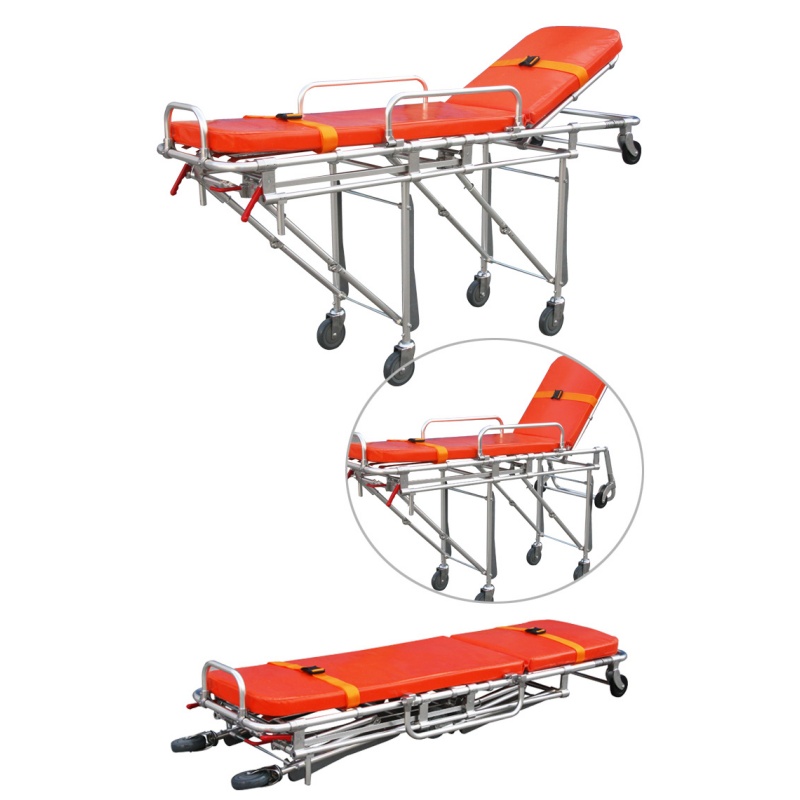
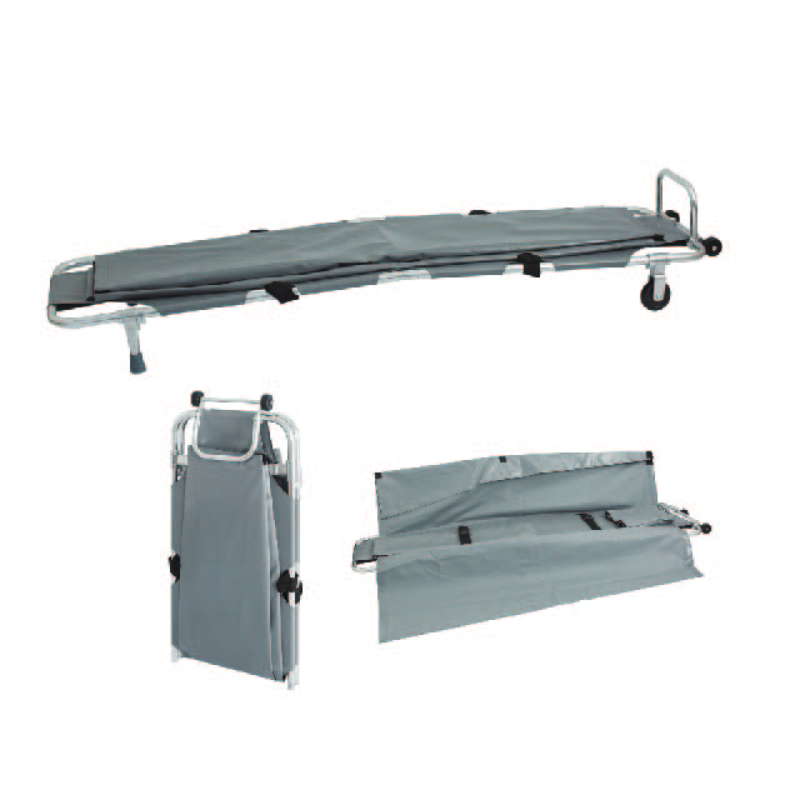
By carefully evaluating  these specifications, buyers can select neck  braces that not only meet regulatory requirements but also  suit the specific needs of their patients. For example, considering options like the YXH-1H Folding Stretcher can provide additional support during patient transport.

Frequently Asked Questions

Our Blog Posts

What Our Partners Say

A Guide for Distributors

A Guide for Distributors

Distributors play a vital  role in the supply chain of neck braces, and  understanding the market dynamics is key. Here are  some points to consider:

Market Research: Stay updated on trends within the healthcare industry, particularly related to  orthopedic and rehabilitation products. Knowing what healthcare providers are currently purchasing can help  adjust inventory accordingly.

Supplier Relationships: Building strong relationships with manufacturers, like Zhangjiagang Xiehe  Import &  Export Co., Ltd., can facilitate better  pricing, customization options, and access to the  latest products.

Customization Capabilities: Many  healthcare providers prefer customized solutions tailored  to specific patient needs. Offering customization options  can differentiate your distribution services from competitors.

Education and Training: Providing educational resources or training for healthcare providers on the  use and benefits of neck braces can enhance customer loyalty  and support  product sales.

Logistics and Shipping: Efficient logistics are crucial in ensuring timely delivery of neck braces. Understanding packaging methods and  lead times will help manage  customer expectations effectively.

By focusing on these aspects, distributors can enhance their offerings and  better serve their healthcare clients.

Understanding Cost Factors for Bulk Neck Brace Orders

Understanding Cost Factors for Bulk Neck Brace Orders

When purchasing neck braces in bulk,  several  cost factors come into  play that can significantly affect the overall expenditure:

Material Costs: The choice of materials will impact the unit price. Higher-quality materials may have a higher  upfront cost but can result in better  patient outcomes and satisfaction.

Customization Fees: Customized neck braces may  incur additional costs. Buyers should clearly communicate their requirements to receive accurate quotes.

Minimum Order Quantities (MOQ): Understanding the manufacturer's MOQ is  crucial.  Some suppliers may  offer lower prices for larger orders, but buyers must balance this against their actual needs.

Shipping and Handling: Costs can  vary based on  shipment size,  destination, and packaging methods. Buyers should inquire about shipping options and potential discounts for bulk orders.

Payment Terms: Negotiating favorable payment terms can help  manage cash flow. Consider options such as extended payment terms  or discounts for early payments.

By accounting for  these factors, buyers can  make more informed  decisions  that align with their budgetary constraints while ensuring  quality and compliance.

Best Practices

Best Practices

Implementing best practices can streamline the procurement process and  enhance the overall  experience with neck braces:

Sample Approval: Before  finalizing bulk orders, it is advisable to obtain samples  for evaluation. This helps ensure the product meets specifications in terms of fit, material, and comfort.

Quality Control: Establish a quality control process to verify that the  neck braces meet required  standards before distribution. This may  involve inspecting samples or reviewing the manufacturer's quality assurance protocols.

Documentation:  Maintain clear documentation of all orders, including specifications, quantities, and delivery timelines. This will facilitate smoother transactions and reduce misunderstandings.

Feedback  Loop: Encourage feedback from  healthcare providers regarding the  performance of neck  braces. This information can be invaluable  for making future  purchasing decisions and improving product offerings.

Training for Staff: Ensure that  your sales and support staff are  well-informed  about the products. This knowledge enables them to answer questions and provide guidance to healthcare professionals effectively.

By adhering to these  best practices, distributors can optimize  their procurement processes and improve customer satisfaction.

Common Problems with Neck Braces and Their Solutions

Common Problems with Neck Braces and Their Solutions

Despite their importance, neck braces can present  challenges during use or distribution. Here are common issues and practical solutions:

Fit Issues: Poor fit can lead to  discomfort or inadequate support. To mitigate this, provide  comprehensive sizing charts and guidance for proper fitting techniques. Encourage healthcare providers  to assess fit during patient evaluations.

Material Durability: Some materials  may wear out faster than expected, leading to increased replacement  costs. Ensure that the materials used in neck braces are  suitable for  the intended use and meet durability standards.

Patient Non-compliance: Patients may struggle to wear neck braces  as recommended. Providing educational materials  that explain the  importance  of compliance can  help improve patient outcomes.

Packaging Damage: During shipping, neck braces can be damaged if not packaged properly. Collaborate with manufacturers to establish robust packaging  methods that protect products during transit.

Supply Chain Delays: Delays in supply can disrupt  healthcare providers'  services. Build strong relationships with manufacturers and maintain open communication to anticipate and address potential delays proactively.

By  identifying these common issues  and implementing effective  solutions, distributors can enhance their reputation and ensure that  healthcare providers receive high-quality, reliable products.