Comparing Material Advantages in Different Medical Neck Brace Designs
The material used in medical neck braces significantly influences their performance and patient acceptance. Here are some common materials and their advantages:
Foam: Soft foam neck braces provide comfort and adequate support for minor injuries. They are lightweight and often have moisture-wicking properties, making them suitable for extended use.
Plastic: Rigid plastic neck braces offer maximum immobilization, making them ideal for severe injuries requiring strict support. They are durable and easy to clean, though they may be less comfortable for long-term wear.
Fabric: Fabric neck braces are often used for soft support. They can be padded for comfort and provide a level of adjustability. Fabrics with antimicrobial properties can also enhance hygiene.
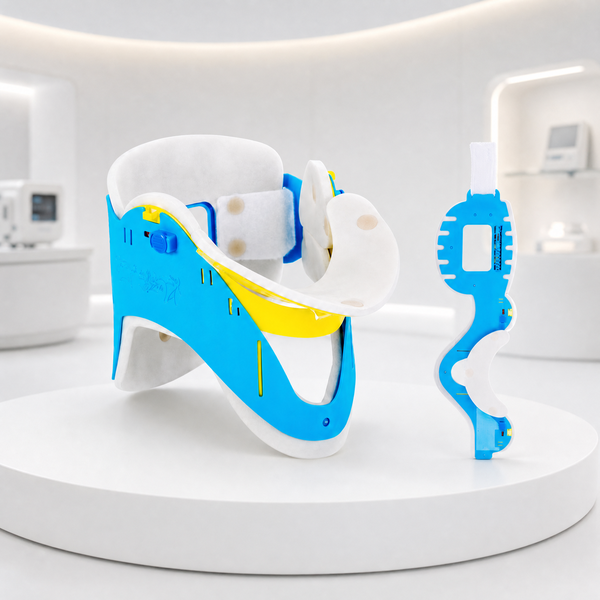
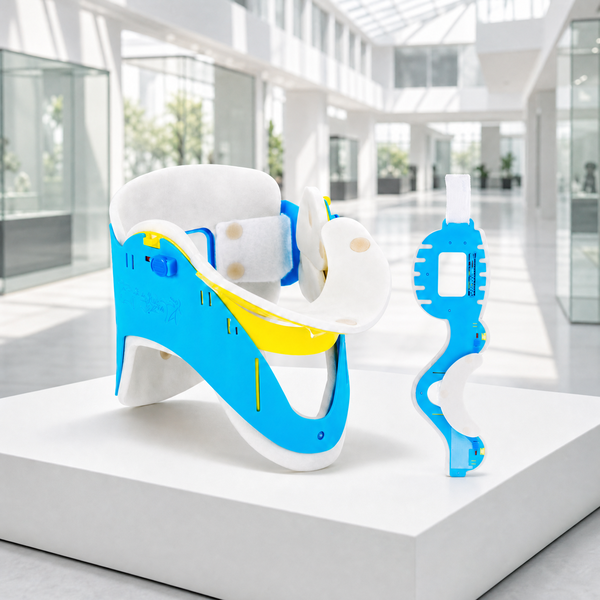
Combination Materials: Many modern braces use a combination of materials to balance support and comfort. For example, a rigid outer shell with a soft foam lining can provide strong support while maintaining patient comfort.
Custom Materials: In some cases, custom materials may be developed for specific patient needs, such as hypoallergenic fabrics for sensitive skin or specialized padding for enhanced comfort.
Selecting the right medical neck brace requires thoughtful consideration of specifications, material options, and supplier reliability. By following the guidelines outlined, purchasing managers and healthcare professionals can make informed decisions that ensure optimal patient outcomes and satisfaction.
 EN
EN