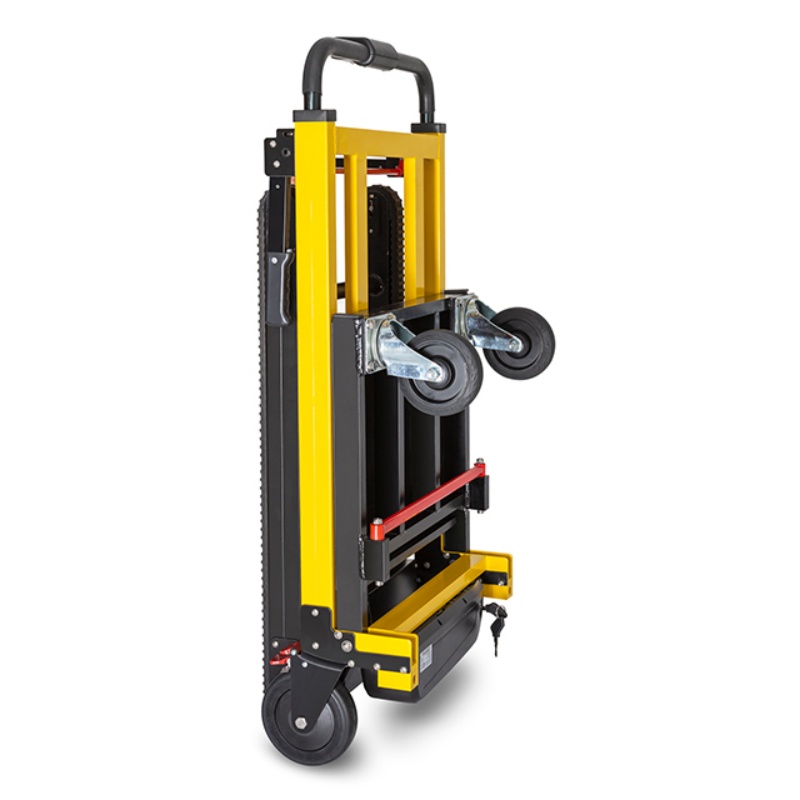
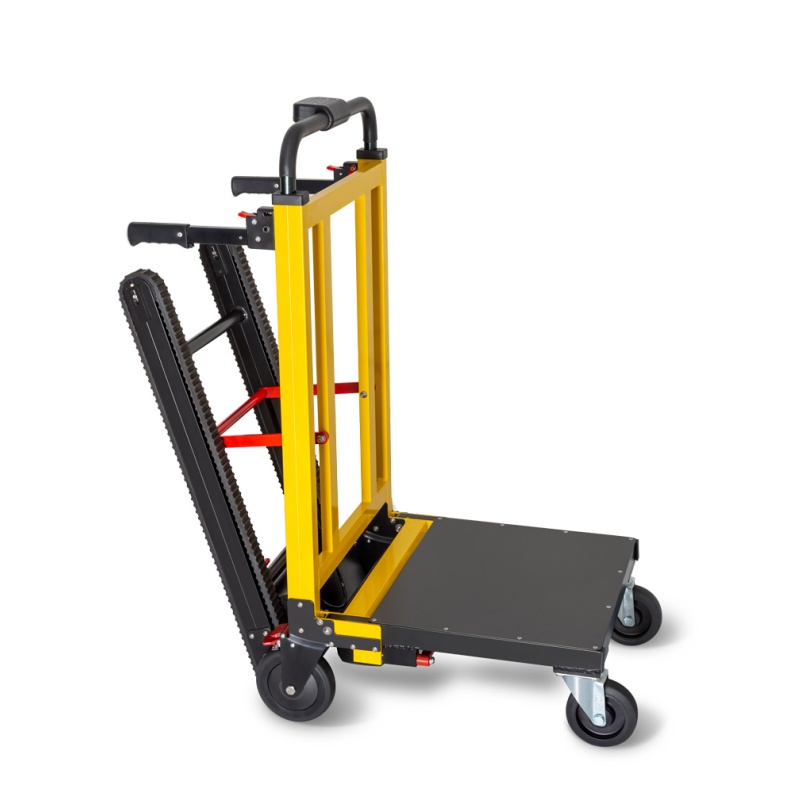
Emergency Evacuation Chair Specifications for Buyers

Zhangjiagang Xiehe Import & Export Co., Ltd.

application/emergency-evacuation-chair, application/emergency-evacuation-chair, 
Inquiry
Inquiry

emergency evacuation chair

Emergency evacuation  chairs  are  essential safety devices  designed to assist individuals  with mobility issues during emergencies,  enabling their  quick and safe evacuation  from buildings. For B2B  buyers, such as purchasing managers and facility managers,  understanding  the specifications, cost factors, and installation  guidelines  is crucial in selecting  the right product. This article aims  to  provide  comprehensive insights into  emergency evacuation chairs, helping buyers make informed decisions  that meet their operational needs and  compliance requirements. Additionally, incorporating products like Funeral Home Products can also enhance safety measures in various facilities.

Why choose XieHe emergency evacuation chair

Emergency Evacuation Chair Specifications for Wholesale Buyers

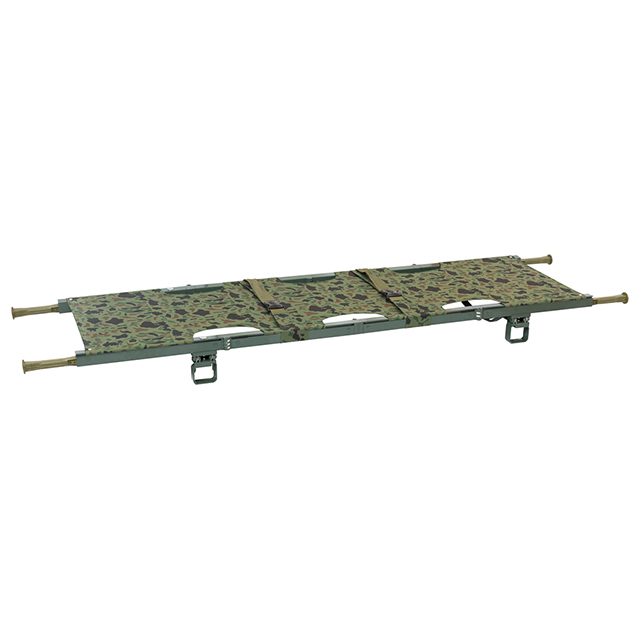
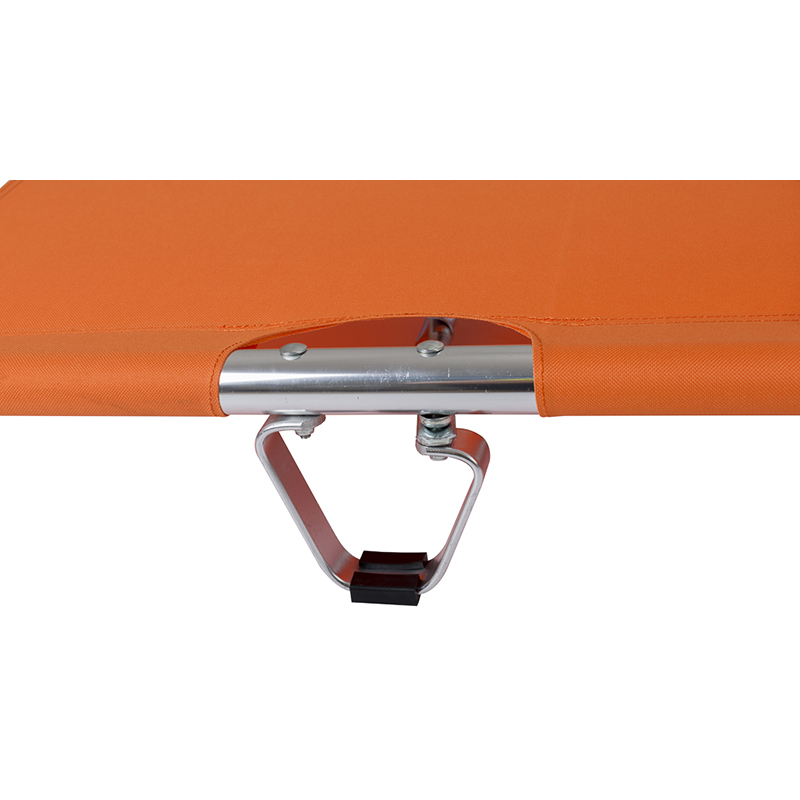
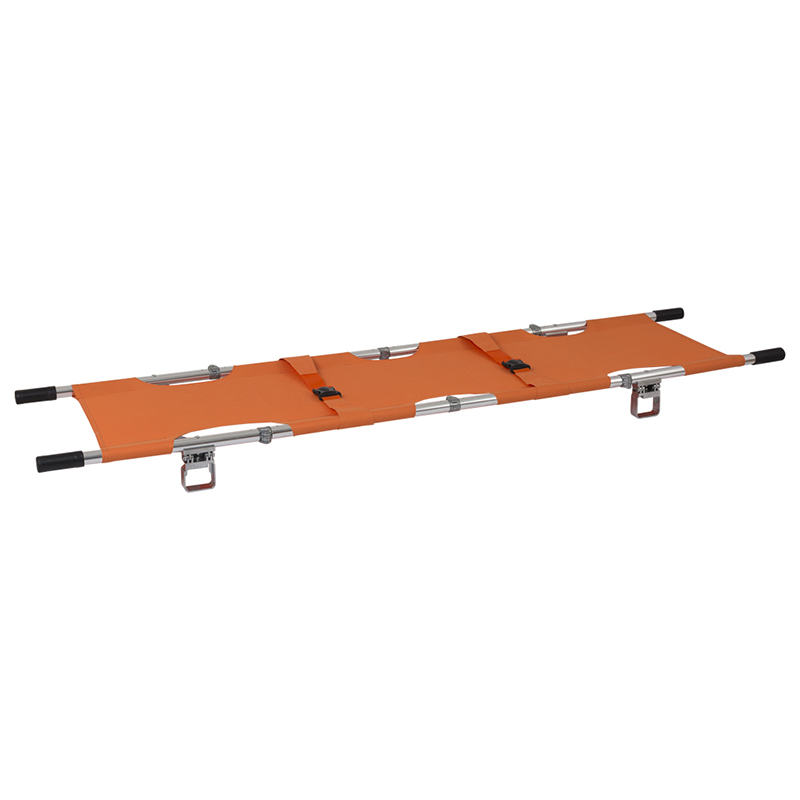
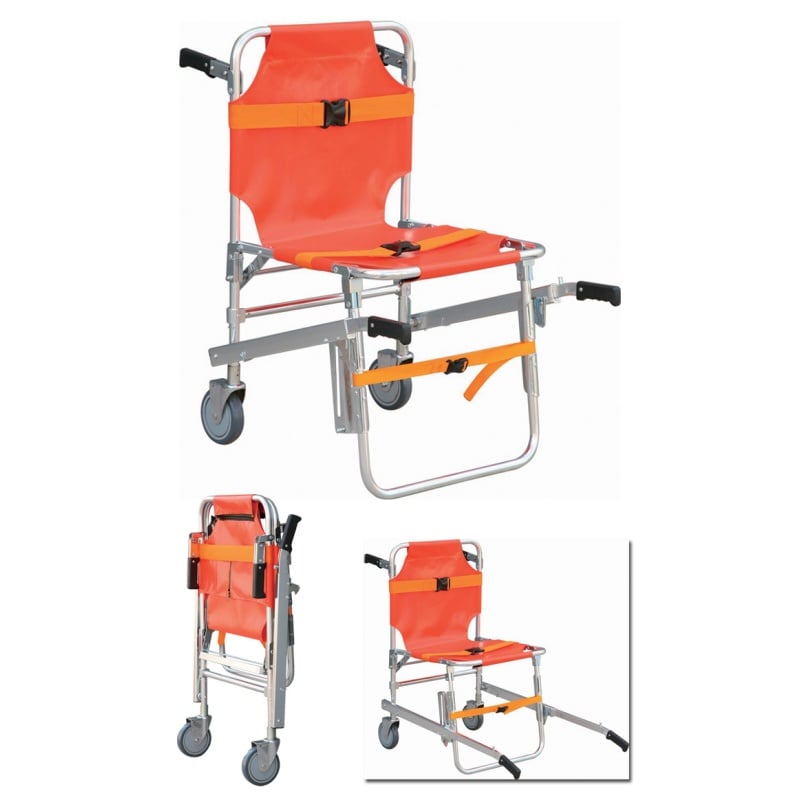
When sourcing emergency evacuation chairs, buyers should focus on several key specifications that directly impact safety and usability. Typically, these  chairs are  constructed from lightweight  yet durable materials, such  as aluminum frames and high-strength fabric, which ensure both strength and maneuverability. The weight capacity is another vital specification; many chairs can support  between 250 to 500 pounds, making it  essential for  buyers to confirm  this based on their intended application.

Additionally, dimensions play  a critical role in the suitability  of an evacuation chair. Standard chairs often have a folded  width  of around 20 inches, allowing for passage through narrow hallways  and doorways. Buyers should assess the chair's height, depth, and overall design to ensure it meets specific facility requirements. 

Safety features, such as adjustable safety straps and non-slip  footrests, are crucial for user protection. Furthermore, look for chairs equipped with easy-to-operate brakes and a foldable  design for compact storage. Buyers should also inquire about  the manufacturer's certifications,  such as CE, FDA, and ISO 13485, which indicate adherence to  international safety and  quality standards.

Frequently Asked Questions

Our Blog Posts

What Our Partners Say

Cost Factors to Consider When Purchasing Emergency Evacuation Chairs

Cost Factors to Consider When Purchasing Emergency Evacuation Chairs

The  cost of emergency evacuation chairs can vary significantly based on  several factors. First, the materials used in construction will impact  pricing. High-quality materials that enhance durability  and safety may  lead to higher upfront costs  but can result in  lower long-term expenses  due to reduced wear and maintenance needs. Options such as Manual Stair Chair can also be considered for versatile evacuation solutions.

Another crucial aspect is the  level of customization  required. Many manufacturers offer options tailored  to specific organizational needs, such as color, branding, and additional features. Customization often increases the price, but it can enhance the product's fit within a facility's  emergency response plan.


Additionally, the quantity ordered plays a significant role in pricing. Bulk orders may qualify for discounts, so it’s advisable for buyers to consider  their total  needs when placing orders. Finally, shipping costs  and any required certifications  or compliance testing should also be  factored into the overall budget, as these can impact  the final price that buyers will need to pay.

 
Key Considerations

Key Considerations

When evaluating  emergency evacuation chairs,  several key considerations should guide buyers in their decision-making process. First and foremost is the chair's usability in real-life  emergency  scenarios.  Buyers  should consider how easy it  is to operate, particularly under stressful conditions. This includes assessing the  weight and  maneuverability of the chair,  ensuring that staff can efficiently assist individuals without significant strain.

Moreover, buyers must ensure that the chosen chair complies with  local safety regulations  and standards. This includes understanding any legal requirements for  emergency equipment in  their region, which may dictate specific features or certifications necessary for compliance.

Training and  maintenance are also  critical factors.  Buyers should consider whether  the manufacturer provides training on proper usage and maintenance of the evacuation chair, as this  can greatly affect its effectiveness in emergencies.  Regular maintenance checks should be scheduled to ensure the chair is always ready for immediate use.

Installation Guidelines for Emergency Evacuation Chairs in Facilities

Installation Guidelines for Emergency Evacuation Chairs in Facilities

Proper installation of emergency  evacuation chairs is crucial for ensuring they can be  accessed quickly during an  emergency. Chairs  should be strategically placed in high-traffic areas, such  as stairwells  and near exits, to ensure they are readily available.


The installation process typically  involves securing the  chair in  a designated area with clear  signage indicating its location. Additionally, it may be beneficial to integrate the chairs into an overall emergency  evacuation plan, detailing staff  responsibilities  during an  emergency.

It’s advisable for facilities to conduct regular drills to familiarize staff with  the evacuation chairs and reinforce proper evacuation procedures. During these drills, feedback should be gathered to identify any obstacles or challenges in accessing or  using the  chair, allowing for adjustments to  be made to  improve the evacuation process.

Common Problems with Emergency Evacuation Chairs and Effective Solutions

Common Problems with Emergency Evacuation Chairs and Effective Solutions

While emergency  evacuation chairs  are designed for safety  and  efficiency, several common problems can arise, which buyers should be aware of. One frequent issue is the chair's weight, which can hinder rapid movement. To  mitigate this,  buyers should consider  lightweight models that still meet  safety standards.


Another concern is wear and  tear, particularly in  high-usage environments.  Regular maintenance  checks, including inspections of the fabric, frame, and safety mechanisms, can help identify issues before they compromise safety. It  is advisable to establish a routine for checking the chair's functionality, ensuring that any problems are addressed promptly.

Additionally, training staff on the correct usage of evacuation chairs can prevent misuse and ensure that everyone is  prepared  during an emergency. Buyers should request training materials or sessions  from the manufacturer to ensure staff are equipped with the knowledge needed for effective operation.

Understanding the specifications, cost  factors, installation guidelines, and common  issues associated with emergency evacuation chairs is essential for  B2B buyers. By thoroughly evaluating these aspects, purchasing managers and facility administrators can make informed decisions that enhance safety and compliance within their organizations.