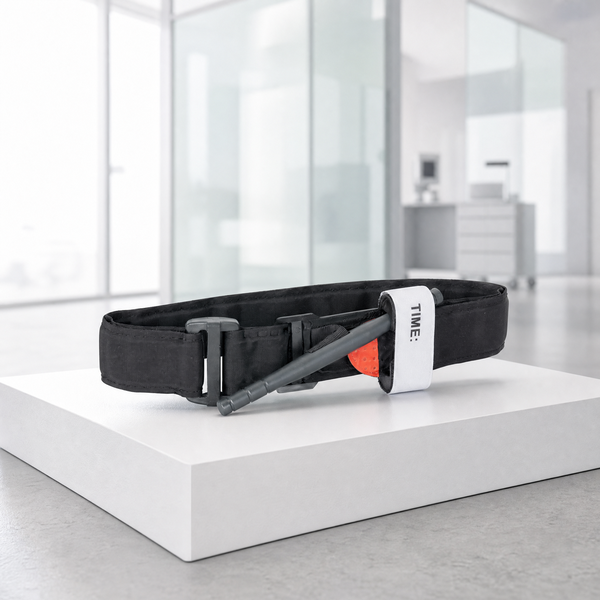
Key Specifications for Tourniquets in Wholesale

Zhangjiagang Xiehe Import & Export Co., Ltd.

application/tourniquet, application/tourniquet, 
Inquiry
Inquiry

tourniquet

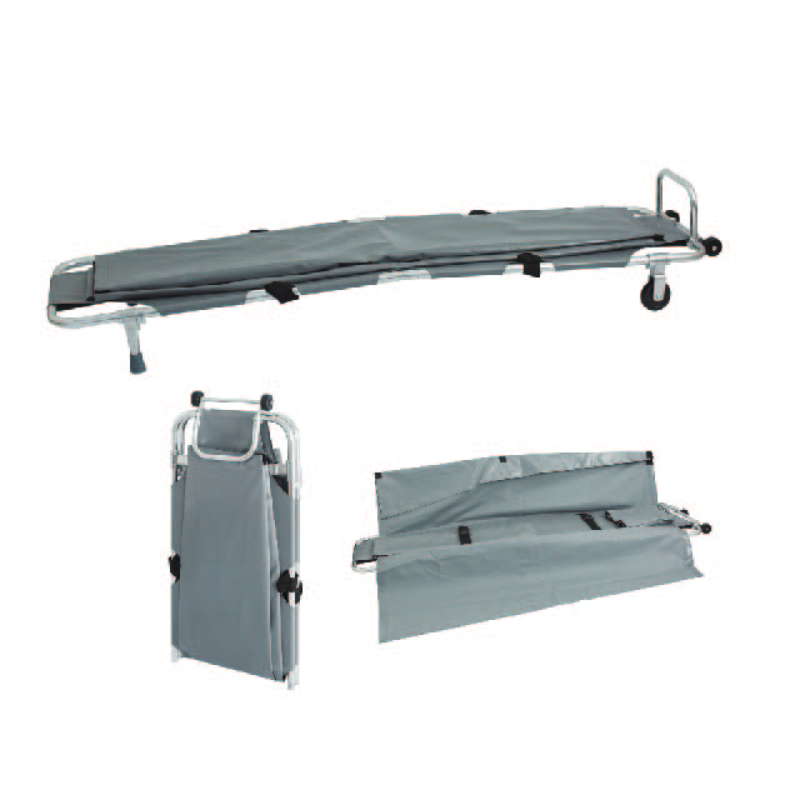
Tourniquets are essential medical devices used  to control severe  bleeding in emergency  situations,  particularly in trauma cases.  For B2B buyers, such as purchasing managers, distributors,  and healthcare providers,  understanding the  specifications and quality of  tourniquets is  crucial  for making  effective purchasing  decisions. This article will provide insights into key specifications, quality evaluation, sourcing considerations, material  advantages, and installation guidance for tourniquets, ensuring that  you can confidently select  the  right  products for  your  needs. If you're interested in high-quality options, consider exploring the YXH-1H Folding Stretcher for emergency use.

Why choose XieHe tourniquet

Key Specifications of Tourniquets for Wholesale Buyers

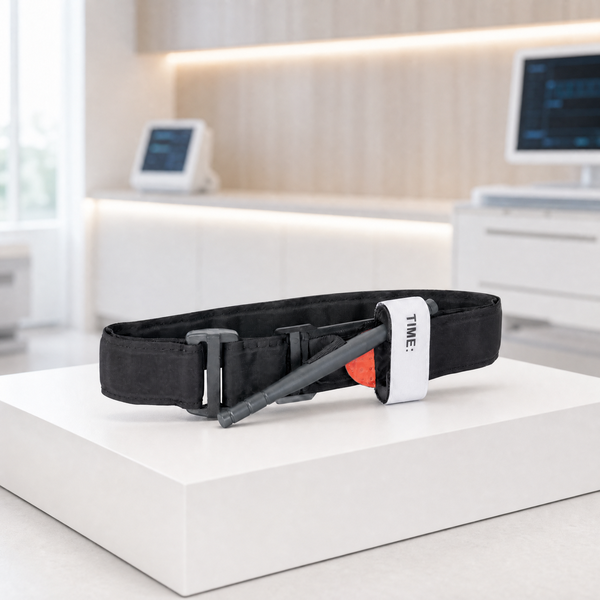
When evaluating tourniquets for wholesale purchase,  several key specifications should be  considered. These include the material composition, dimensions, closure mechanism, and pressure  application capability.

Material Composition: Most tourniquets are made from durable synthetic materials like nylon or polyester, which offer resistance to tearing and wear. The  choice of material affects the device's weight, flexibility,  and  ease of use during emergencies.

Dimensions and Weight: The  size of the  tourniquet  must be appropriate for adult and pediatric applications. A standard  adult  tourniquet typically measures around 1.5 inches  in width and 37-40 inches in length, while pediatric versions are shorter. A  lighter weight is often preferable for ease of  transport.

Closure Mechanism: The effectiveness of a tourniquet hinges on its closure system.  Common types  include windlass systems, which allow for adjustable pressure, and buckle systems that provide quick application. Buyers should assess which mechanism aligns with their operational requirements.


Pressure Application: Effective hemostasis requires the ability to apply  sufficient pressure. Look for specifications that detail the  maximum pressure the tourniquet can exert, as this determines its effectiveness in controlling bleeding.

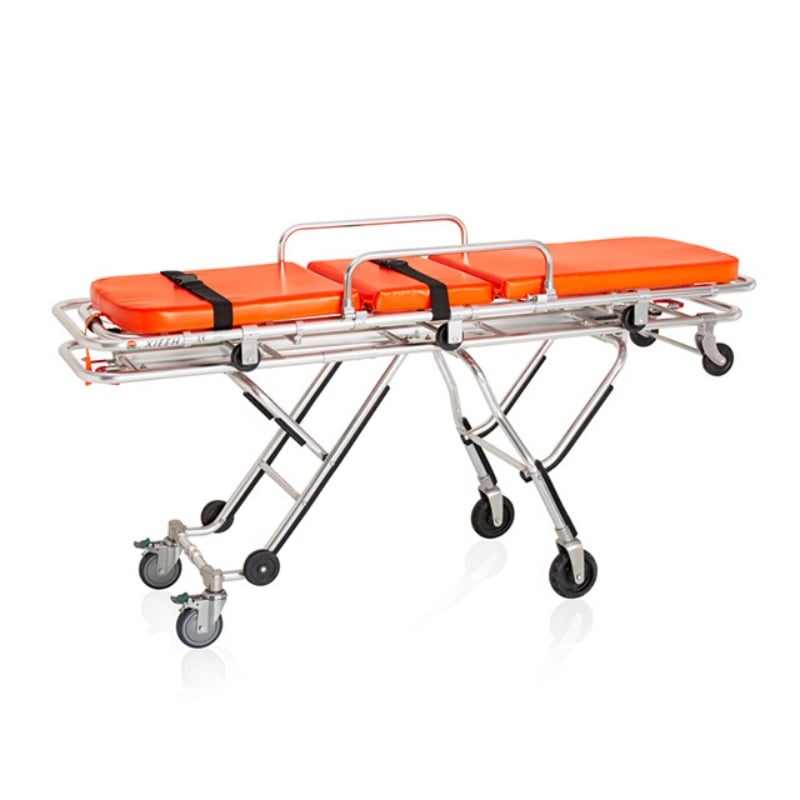
Understanding these specifications will help buyers select the most suitable tourniquets for their specific applications, whether in hospitals, emergency medical  services, or military settings. Additionally, you might want to consider options like the YXH-3K Ambulance Stretcher for broader emergency management needs.

Frequently Asked Questions

Our Blog Posts

What Our Partners Say

How to Evaluate the Quality of Tourniquets for Your Projects

How to Evaluate the Quality of Tourniquets for Your Projects

Quality evaluation of tourniquets is critical to ensure reliability in emergency situations. Here are some practical steps to assess quality:

Certifications:  Check  for relevant certifications such as CE,  FDA,  or ISO 13485, which indicate compliance with international safety and  efficacy standards. These certifications are especially important  for medical devices.

Durability Testing: Evaluate if the manufacturer conducts rigorous durability tests, such as tensile strength and tear resistance tests. A high-quality tourniquet should withstand  repeated use without failure.

User Feedback:  Consider reviews and  feedback from healthcare professionals or emergency responders who have  used the tourniquets in real-world situations. Their  insights can reveal practical performance aspects that specifications may not  cover.

Sample Approval: Before placing  a bulk order, request samples  and conduct in-field tests to ensure the product meets your  operational needs. Pay  attention to  ease of use,  comfort, and effectiveness in  simulated emergency scenarios.

By following  these steps, buyers can ensure they are selecting high-quality tourniquets that will perform reliably when needed most.

Sourcing Tourniquets for Your Business Needs

Sourcing Tourniquets for Your Business Needs

Sourcing tourniquets requires careful consideration of several  factors to  meet business needs effectively:

Supplier Evaluation: Look for manufacturers like Zhangjiagang Xiehe Import Export Co., Ltd., known for their certified production  processes and experience in supplying medical equipment globally. Evaluate their production capabilities and responsiveness to  inquiries.

Minimum Order Quantity  (MOQ): Understand the  supplier’s MOQ, as this will impact your purchasing strategy. Some suppliers may offer flexibility in MOQs,  especially for new customers  or bulk orders.


Lead Time: Inquire about  the lead  time for production and delivery. A reliable supplier  should provide clear timelines for when you can expect your order  to arrive, which is crucial for  maintaining stock levels in your business.

Customization Options: If your business requires specific branding  or functional modifications, discuss customization capabilities with  potential suppliers. Customization can include branding on the tourniquet  or adjustments to dimensions and  materials to suit particular needs.

By considering these sourcing factors,  businesses can effectively procure tourniquets that align with their operational  requirements and budgets.

Comparing Material Advantages in Different Tourniquet Options

Comparing Material Advantages in Different Tourniquet Options

The  choice of material in tourniquets significantly influences their performance and  application. Here is a comparison of common materials used in tourniquet manufacturing:

Nylon: Known for its lightweight  and high tensile strength,  nylon is a popular choice for tourniquets. Its resistance to water and abrasion makes it  suitable for outdoor and emergency  use. However, it may not offer the same level of comfort against the skin as  some other materials.


Polyester:  This material is often used for its durability and UV resistance. Polyester  tourniquets  can perform well in various  environmental  conditions, making them a reliable choice for  both urban and wilderness  settings.

Rubberized Components: Some tourniquets incorporate rubberized elements for added  grip and comfort during application. This feature can enhance  the user experience, particularly in high-stress situations.

Biodegradable Materials: As sustainability becomes a larger concern, some manufacturers are exploring biodegradable materials that do not compromise performance. Such materials may appeal to organizations looking to minimize their environmental impact.

Understanding the advantages and limitations of  each material type will enable buyers to select the  best option based on application requirements and  user preferences.

Installation Guidance for Effective Use of Tourniquets

Installation Guidance for Effective Use of Tourniquets

Proper installation and application of tourniquets  are critical for their effectiveness in emergency situations. Here are  some  guidelines to  ensure effective use:

Familiarization with Instructions: Ensure  that all users are trained in the correct application technique. Most tourniquets come with user manuals or instructional videos; reviewing these materials can  help prevent  mistakes during critical moments.

Practice Application: Regularly conduct training sessions  where users can practice applying tourniquets on dummies or simulated patients. This builds confidence and ensures that users can act swiftly and correctly  when  needed.

Positioning:  When applying a tourniquet,  it should be placed above  the site of  injury and  tightened until bleeding stops. Practitioners should be aware of the timing and pressure required, as excessive pressure can cause tissue damage.

Monitoring: After application, it is  essential to monitor the patient closely for signs of shock or further bleeding. Users should be  trained  to  recognize when a second tourniquet may  be necessary or when to adjust the first.

By following these installation guidelines, users can maximize the effectiveness of tourniquets in emergency situations, ultimately improving patient outcomes in critical care settings.