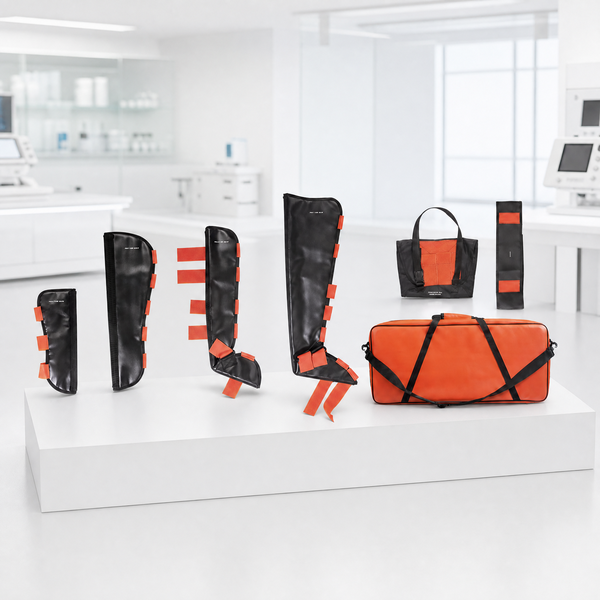
Features and Benefits to Consider
When evaluating padded board splint kits, several features and benefits should be prioritized to ensure they meet your operational and clinical needs. Key features include:
Material Quality: Look for splints made from materials that offer a balance of strength and weight. High-density polyethylene is commonly used due to its durability and ease of cleaning.
Padding: The quality of padding directly impacts patient comfort. Choose splints with high-quality, hypoallergenic padding that provides adequate cushioning and support.
Adjustability: Some padded board splint kits come with adjustable straps or features that allow for a customized fit. This is particularly beneficial for treating patients of different sizes or for varying types of injuries.
Ease of Use: Consider the design of the splint—those that are intuitive to apply can significantly enhance efficiency in emergency situations.
Storage and Portability: Compact designs that are easy to store and transport can be advantageous, especially for mobile medical teams.
By understanding these features, buyers can make informed decisions that enhance their emergency response capabilities while ensuring patient safety and comfort. Always verify that the selected kits align with your operational requirements and regulatory guidelines.
In summary, selecting the right padded board splint kits involves thorough evaluation of supplier reliability, quality specifications, cost factors, application suitability, and practical features. By taking these considerations into account, B2B buyers can better prepare for effective procurement, ensuring they are equipped for any medical emergency.
 EN
EN