Essential Guide to First Aid Kit Splints

Zhangjiagang Xiehe Import & Export Co., Ltd.

application/first-aid-kit-splint, application/first-aid-kit-splint, 
Inquiry
Inquiry

first aid kit splint

When sourcing first  aid kit splints, it's essential to understand their role in emergency care and how they can  be effectively integrated  into  first aid kits. A first aid kit splint is a critical medical device designed to stabilize broken or  injured limbs  until professional medical help  is available. For  B2B  buyers,  key  concerns typically include product quality, material durability, compliance with industry  standards, and  supplier reliability. This article  will cover vital  considerations  when sourcing first aid kit  splints, including specifications, material comparisons,  supplier evaluation,  and installation guidance.


Why choose XieHe first aid kit splint

What to Consider When Sourcing First Aid Kit Splints Wholesale

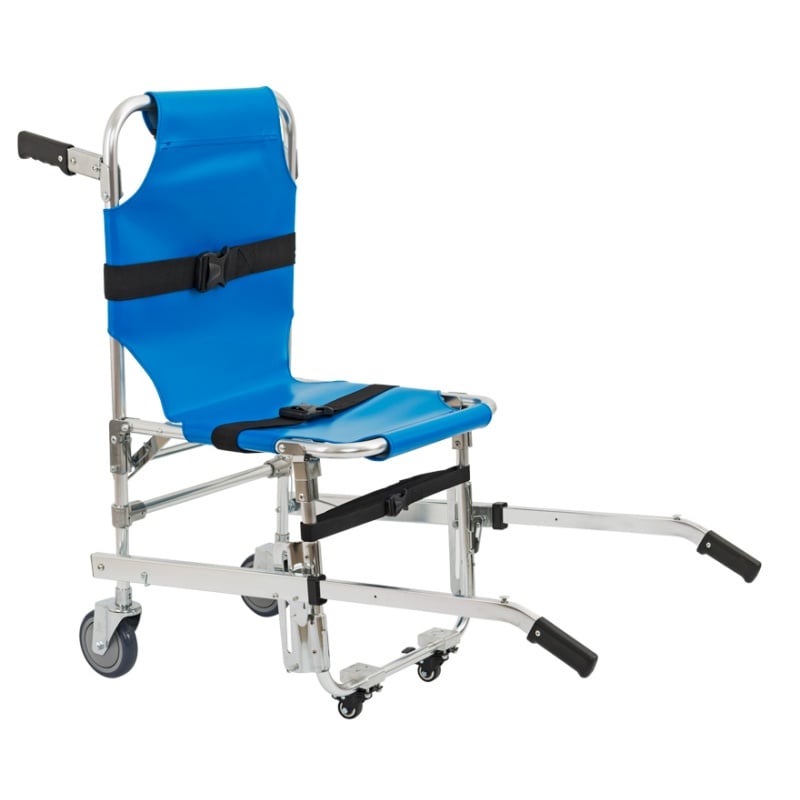
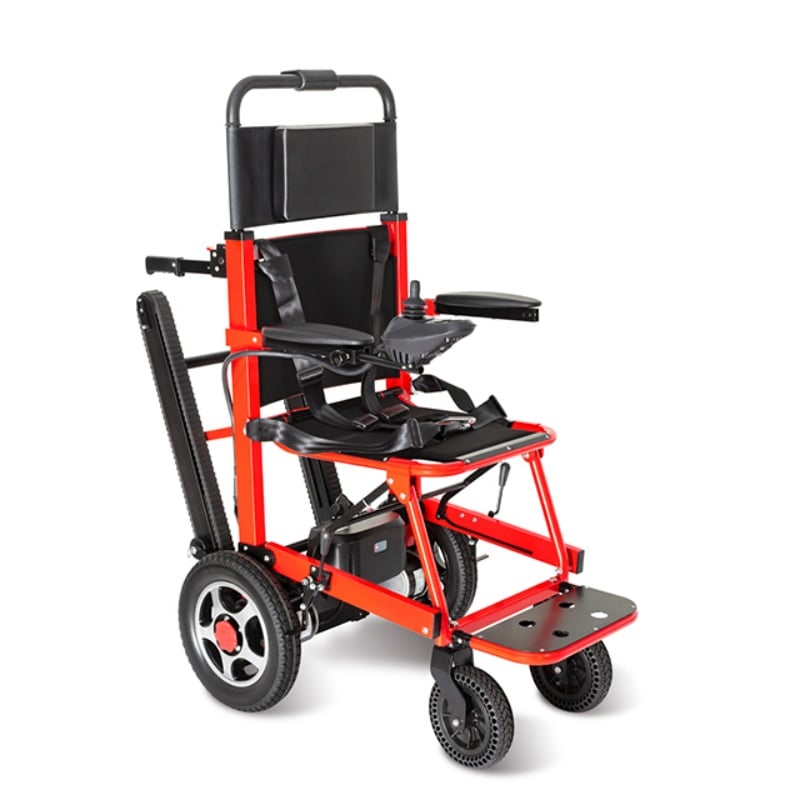
When sourcing  first aid kit splints wholesale, buyers should prioritize several factors to ensure  they receive high-quality products. First, it’s important to confirm compliance with relevant certifications such  as CE, FDA, and  ISO  13485, which indicate that the product  meets international safety and quality standards. Additionally, understanding the specific needs of the  target market is crucial; for example, splints intended for use in industrial settings may require different specifications than those for  home  use. For industrial applications, options like the YXH-5M2 Stair Stretcher may also be considered.

Buyers should also evaluate the  minimum  order quantity (MOQ)  and production capacity of suppliers. This ensures that the supplier can meet demand consistently  and that they are capable of scalable production if needed. Furthermore, consider the customization options available;  suppliers that offer tailored solutions can better meet specific client needs.

Lastly, quality control processes  should  be  thoroughly  assessed. This includes inquiring  about the supplier’s testing methods, inspection protocols, and return policies, which help mitigate risks associated with  product defects.

Frequently Asked Questions

Our Blog Posts

What Our Partners Say

Key Specifications for High-Quality First Aid Kit Splints

Key Specifications for High-Quality First Aid Kit Splints

Key specifications for first aid  kit splints include material composition, dimensions, weight, and flexibility. The  choice of material directly affects the splint's  performance; common materials include lightweight plastics, aluminum,  and fiberglass,  each offering different levels of  support and comfort. For instance, aluminum splints  provide rigidity and are often preferred  for their strength, while flexible materials may be favored for their ease of storage  and  application.

Dimensions  are  critical as well; splints should be designed to  accommodate various limb sizes. Buyers should verify that the dimensions fit the intended application, as an improperly sized splint can compromise its effectiveness. Weight is another important factor; lighter splints are easier to handle and carry, which  is especially important in emergency situations.

Flexibility is also a key consideration. Some splints are designed  to  be malleable, allowing  them to conform  to the shape of the injured limb, while others maintain a fixed  structure.  Understanding the specific application will guide the choice of the appropriate splint type.

How to Choose Reliable Suppliers for First Aid Kit Splints

How to Choose Reliable Suppliers for First Aid Kit Splints

Selecting a reliable supplier for first aid kit splints involves evaluating several critical factors. Start by researching suppliers’  industry reputation  and  experience.  A well-established supplier, such as Zhangjiagang Xiehe Import Export Co., Ltd., known for its comprehensive product range and  adherence to international standards, can provide  assurance of quality and reliability.

Next,  assess the  supplier's manufacturing  capabilities. Look for suppliers that utilize modern equipment and have robust quality control measures in place. A factory that adheres to ISO  certifications is more likely to produce consistent and high-quality products.

Communication  is another  essential  aspect; the ability to discuss product specifications, customization options,  and lead  times  transparently is crucial. Suppliers  should be willing to provide samples for evaluation, enabling  buyers to  assess product quality before committing to larger orders.

Finally, consider the supplier’s distribution network. Suppliers with a broad global reach and a strong logistics framework can facilitate timely deliveries and better service.

 
Comparing Material Advantages of First Aid Kit Splints

Comparing Material Advantages of First Aid Kit Splints

Material selection for first aid kit splints  plays a pivotal role in their effectiveness and user experience. Common materials used in the manufacturing of splints include:

Aluminum: This material  is lightweight yet strong. Aluminum splints are easily  molded to fit  the contours of  an injured limb,  providing excellent support. They are also rust-resistant,  making them suitable for various environments.


Plastic: Lightweight  plastic splints are often less  expensive and can be produced in various shapes and sizes.  While they may not provide the same level of rigidity  as aluminum, they are favored for their flexibility and ease of use.


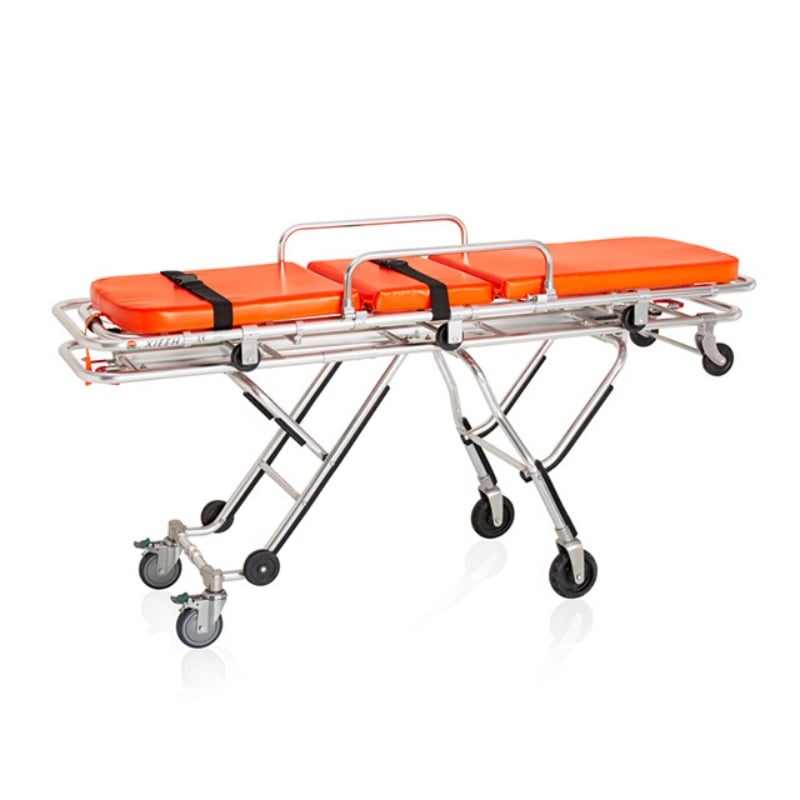
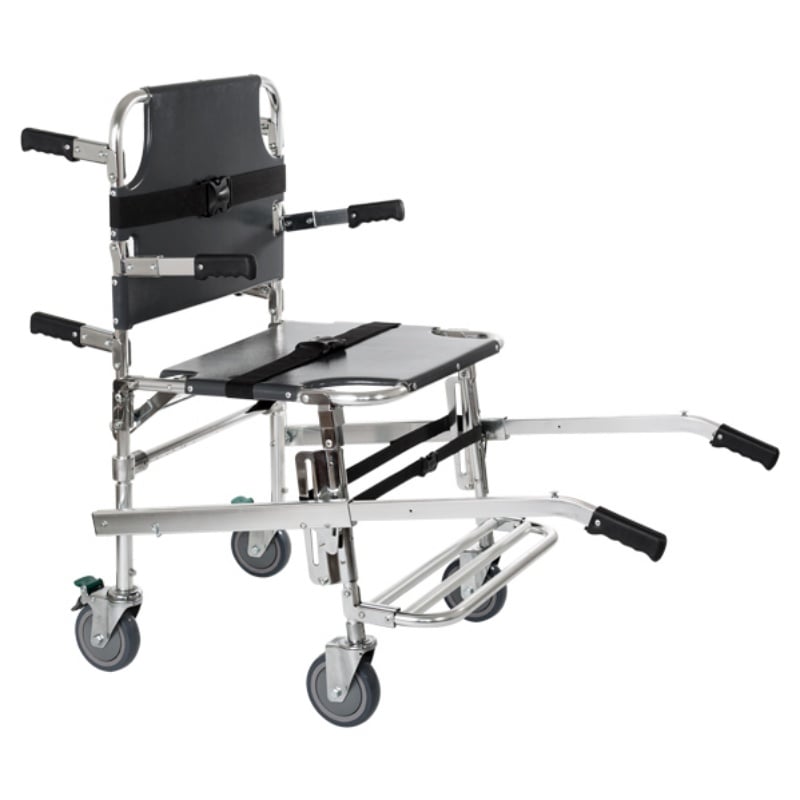
Fiberglass: Known for its strength and durability, fiberglass  splints provide solid support while remaining relatively lightweight. They are often used in scenarios where a higher level of immobilization is required, such as with splints like the YXH-3B Ambulance Stretcher.

When choosing materials, consider the specific application, as different materials may  be more suitable for particular environments or usage  scenarios. For  instance, aluminum splints may  be preferred in industrial first aid kits,  while plastic options might be more suitable for  home use or travel kits.

Installation Guidance for Effective Use of First Aid Kit Splints

Installation Guidance for Effective Use of First Aid Kit Splints

Effectively using first aid kit splints involves  proper installation techniques, which can significantly impact  their effectiveness. First, assess the injury to determine the appropriate type and size of splint needed.  Ensure that the splint is clean and free from any  contaminants before application.

When applying the splint,  stabilize the injured area first. Carefully position the  splint along the limb, ensuring it extends beyond the joints above and below the injury site. Secure  the splint using bandages or straps,  ensuring that it is snug but not overly tight to avoid cutting off circulation.

It's also  crucial to monitor the injured area after application.  Check for any signs of swelling or discoloration,  which may indicate that the splint is too tight. If  the splint does not maintain  proper alignment or support, it may need to  be adjusted or replaced.


Training  personnel on the proper use of splints can enhance response effectiveness in emergencies. Providing clear instructions and hands-on practice can  help ensure that first responders  are prepared to use splints effectively in real-world situations. 

By understanding these key aspects of first aid kit splints, B2B buyers can make informed purchasing decisions  that enhance safety and preparedness in emergency situations.