Key Specifications to Consider When Sourcing First Aid Splints
Understanding the key specifications of first aid splints is crucial for making informed purchasing decisions. Here are the main specifications to consider:
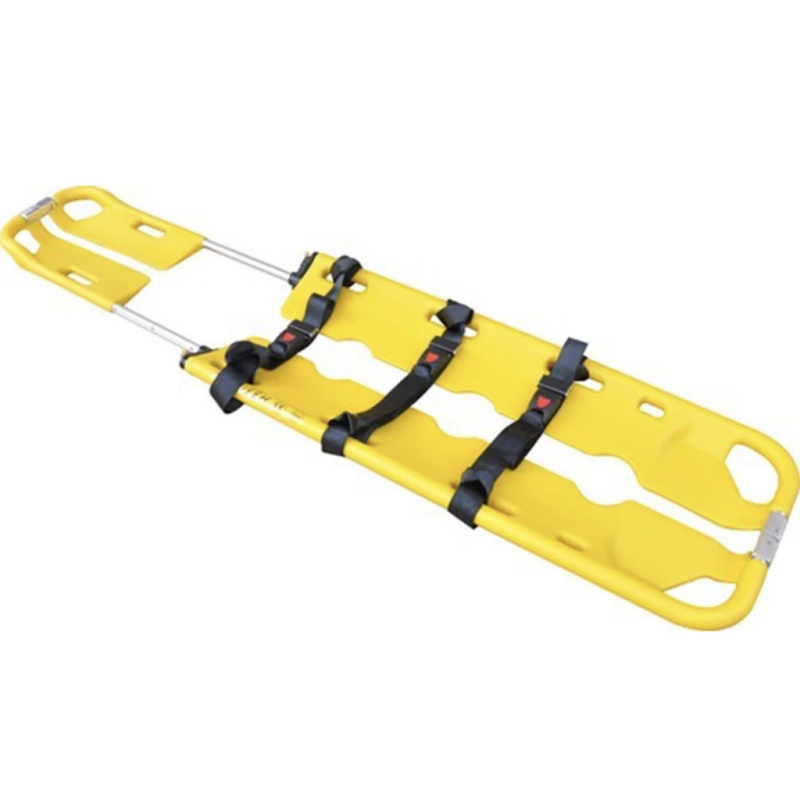
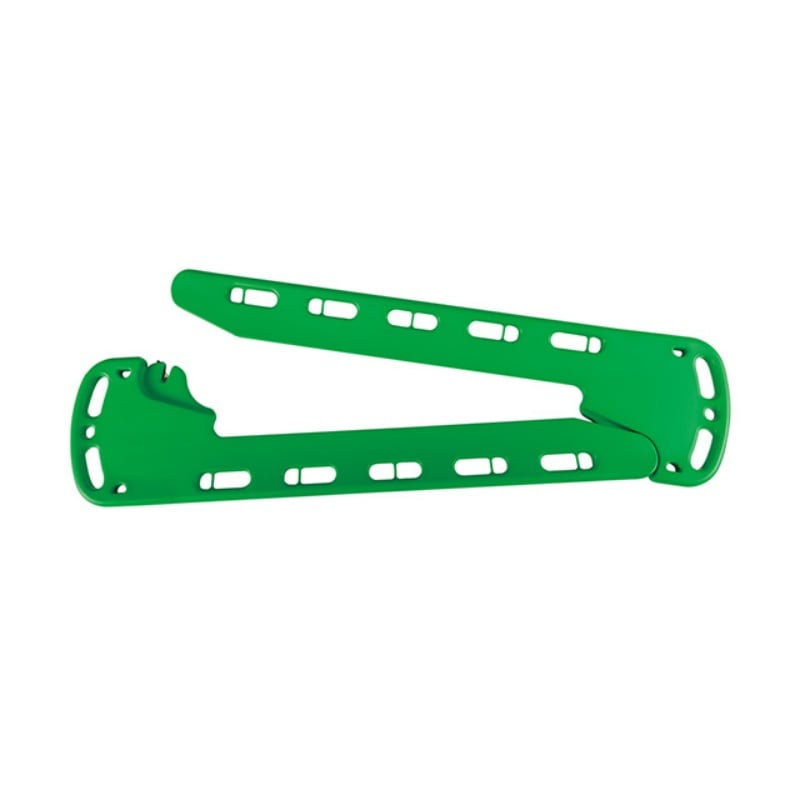
Material: Common materials include lightweight plastics and aluminum, which provide strength and flexibility. The choice of material should balance durability with comfort, especially for prolonged use.
Dimensions: The size of the splint is critical for proper immobilization. Ensure that the dimensions align with the intended use—adult vs. pediatric applications may require different sizes.
Weight: Lightweight splints are preferred for ease of transport, particularly in emergency situations. Verify that the weight does not compromise the splint's effectiveness.
Design: Some splints are designed for specific injuries (e.g., forearm, leg), while others are universal. Consider the versatility needed for your operations.
Ease of Use: Look for splints that can be quickly and easily applied, especially in high-pressure situations. Features like adjustable straps or self-adhesive materials can enhance usability.
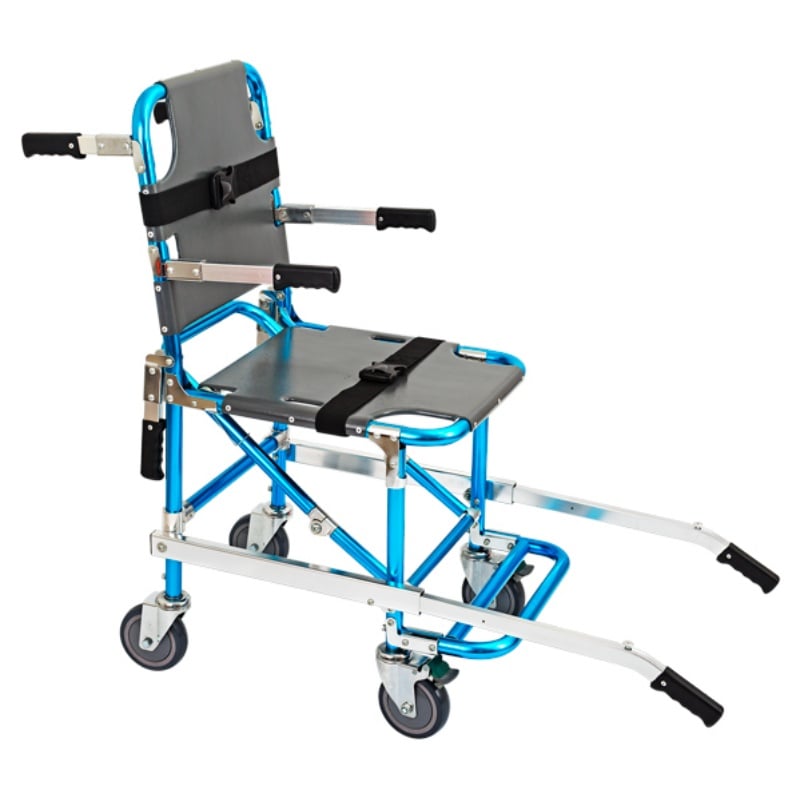
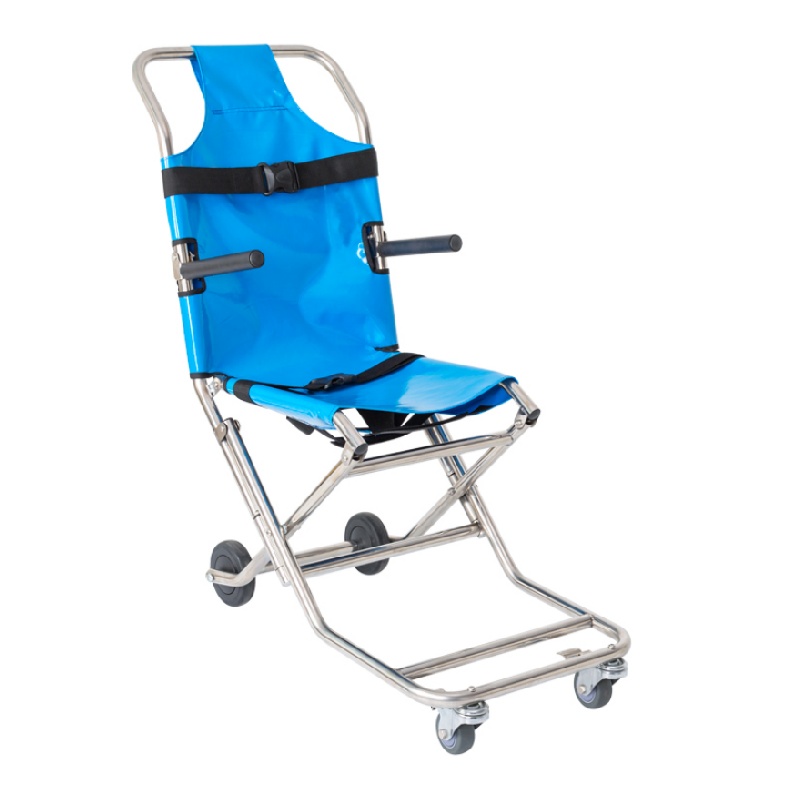
Storage and Packaging: Consider how the splints will be packaged for storage. Compact designs can save space and make transportation easier. For more information on effective storage solutions, check our Stair Solution.
Selecting the right specifications ensures that the first aid splints will perform effectively in real-world applications.
 EN
EN