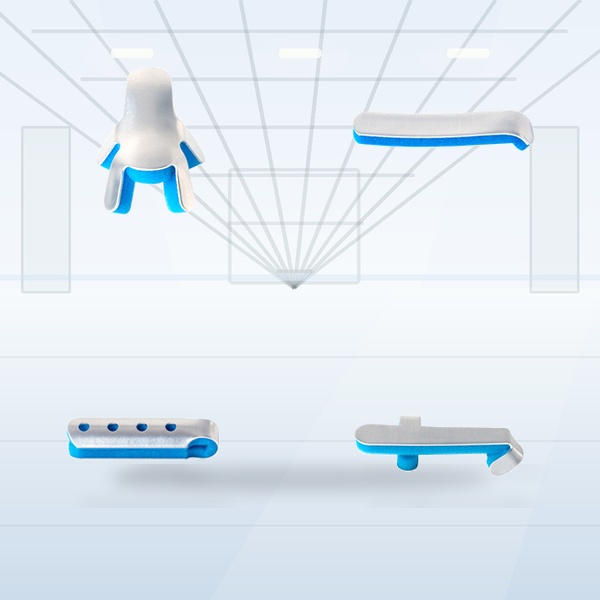
Choosing the Right Finger Injury Kit for Your Business

Zhangjiagang Xiehe Import & Export Co., Ltd.

application/finger-injury-kit, application/finger-injury-kit, 
Inquiry
Inquiry

finger injury kit

Choosing the right finger injury kit for  your business is critical for ensuring workplace safety and compliance with health regulations.  These kits are essential  for providing immediate care in  the event of finger injuries, which  can occur  in various industrial and manufacturing settings. Key concerns  for  B2B  buyers often include product reliability, compliance with  health standards,  and the ability  to customize kits according to  specific operational needs. This article  will guide you through  the important  factors to consider, evaluate the quality of  these  kits for bulk orders, provide installation guidance, address common issues, and  explore the applications of finger injury kits in different  industries.

Why choose XieHe finger injury kit

What to Consider When Choosing a Finger Injury Kit for Your Business

When selecting a finger  injury kit, buyers  should prioritize several factors:

Contents and Specifications: Ensure the kit contains essential items like sterile bandages, antiseptic wipes, and  splints specifically  designed for finger injuries. The quantity  and types of items should align with the expected  workplace risks.

Material Quality: Look for high-quality materials that meet regulatory standards, such as CE, FDA, or ISO  certifications.  Quality materials enhance the kit's  effectiveness and  safety.

Customization Options: Some suppliers offer the ability to  customize kits based on your specific industry needs. This can include adding or  removing items  or designing packaging that fits  your branding. For instance, you might consider including specific Funeral Home Products if your business operates in related sectors.

Compliance with Regulations: Ensure that the kits meet  local  safety regulations and standards.  This is particularly important in industries like  manufacturing, where compliance can impact liability and insurance.

Shelf Life and Storage: Consider the shelf life of the materials in the kit and how they should be stored. Items that are sensitive to temperature or light may require special packaging or storage conditions.

Frequently Asked Questions

Our Blog Posts

What Our Partners Say

Related product categories

How to Evaluate the Quality of Finger Injury Kits for Bulk Orders

How to Evaluate the Quality of Finger Injury Kits for Bulk Orders

Evaluating the quality of finger injury kits is crucial, especially when placing bulk orders. Here are  key steps to follow:

Request Samples: Before committing to a large purchase, request samples of the kits. This allows  you to evaluate  the contents, packaging, and  overall quality firsthand.

Quality  Control Processes: Inquire about the manufacturer’s quality control processes. A reliable  supplier  should have stringent testing and inspection procedures in place to ensure that every kit meets quality standards.

Supplier Certifications: Verify that  the supplier holds relevant certifications. Certifications such as CE, FDA, and ISO 13485 indicate that the products have been manufactured under  strict quality management  systems.

Customer  Feedback and Reviews: Look for  testimonials or reviews from  other businesses that have purchased the kits. This feedback  can provide insights into the product's reliability and the  supplier's service quality.

Packaging and Shipping: Consider how the kits will be packaged  and shipped. Proper packaging is essential for protecting the  contents during transport, and a reliable shipping process  ensures timely  delivery.

Installation Guidance for Effective Use of Finger Injury Kits

Installation Guidance for Effective Use of Finger Injury Kits

Proper installation and placement of finger injury kits  are vital for  ensuring they are accessible  in emergencies.  Here are some guidelines:

Strategic Placement: Position  kits in easily accessible areas where injuries are likely to occur. This  includes near machinery, workstations, and other  high-risk zones.

Clear Signage:  Use clear signage  to indicate the location of the kits. This can help employees quickly find the kits in case of  an emergency.

Training and  Awareness: Regularly train  employees on how to use the kits effectively. This  training  should include identifying when and how to use specific items,  as well as basic first-aid procedures.

Routine Checks: Implement  a routine to  check the kits for completeness and expiration dates.  Regular inspections ensure that all  items are in good condition and ready for use.

Common Problems with Finger Injury Kits and How to Solve Them

Common Problems with Finger Injury Kits and How to Solve Them

Despite their importance, finger injury  kits can  present several common problems. Here are solutions  to  address these issues:

Expired Items:  One common issue is the presence of expired items in the kit. To prevent  this, schedule regular audits of  the kits and replace expired items immediately.

Insufficient Contents:  Some kits may  lack essential items. Regularly assess the risks  in  your workplace and adjust the kit contents accordingly. Custom kits can be  tailored to meet specific needs, including items like First Aid Products that enhance the kit’s effectiveness.

Poor Quality Materials: Low-quality materials can compromise  the kit's effectiveness. Always  source kits  from reputable suppliers with  verified quality control processes  to ensure you receive reliable products.

Accessibility Issues: If kits are not easily accessible, they  may not be used in emergencies.  Ensure that kits are placed strategically and that employees  are aware of their locations.

Applications of Finger Injury Kits in Various Industries and Projects

Applications of Finger Injury Kits in Various Industries and Projects

Finger injury kits are versatile and applicable in a  range of industries. Their use can be seen in:

Manufacturing and Construction:  In these sectors, the  risk of  finger injuries is  high due to machinery and manual handling. Having well-stocked finger injury kits  readily  available can significantly mitigate risks.

Warehousing and Logistics: Workers in these settings often handle heavy packages and equipment, increasing the  likelihood of injury. Kits can provide  immediate assistance and  reduce the severity of injuries.

Healthcare Facilities: Hospitals and clinics  can utilize finger injury kits for quick responses to minor injuries among staff or patients, enhancing overall safety and  care.

Educational Institutions: Schools and training centers  can benefit from these kits to address injuries  during practical lessons or activities, ensuring student safety.

Field Operations: In industries where employees work remotely or in the field (like agriculture or oil and gas), having a portable finger injury kit can ensure that immediate care is  available,  reducing downtime and facilitating safety.

By understanding these considerations, evaluating potential suppliers carefully, and implementing best  practices  for installation and maintenance, businesses can  effectively  utilize finger injury kits to enhance workplace safety and compliance.