Essential Guide to Spine Board Types for Facilities

Zhangjiagang Xiehe Import & Export Co., Ltd.

application/spine-board-types, application/spine-board-types, 
Inquiry
Inquiry

Spine board types

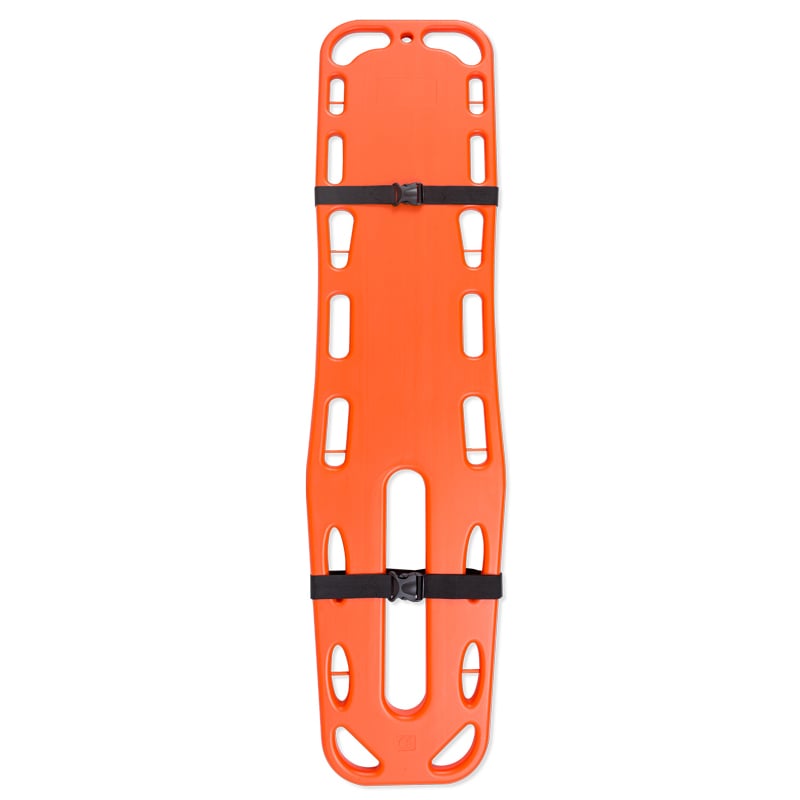
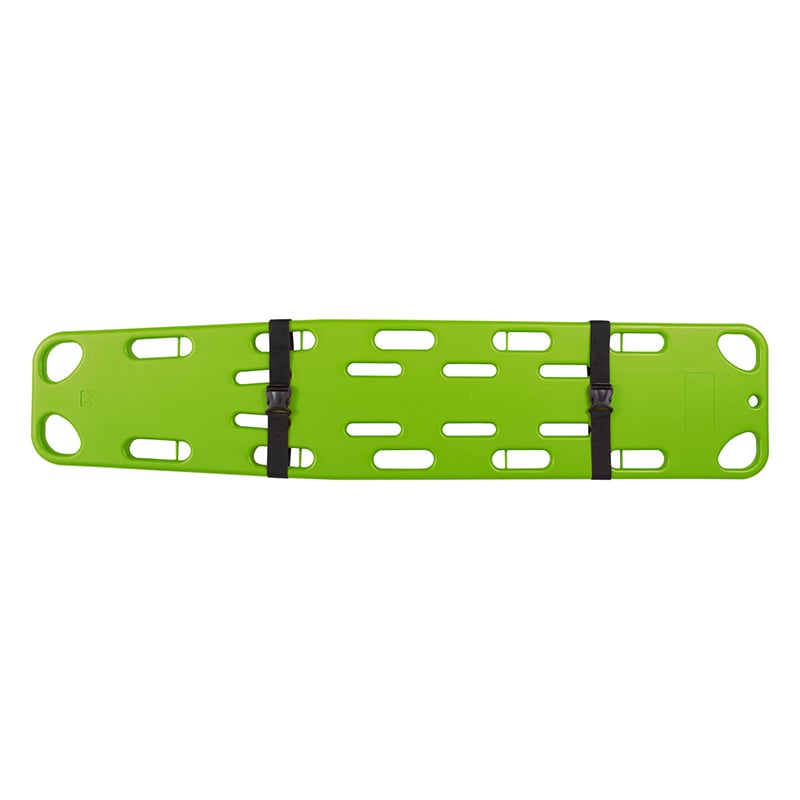
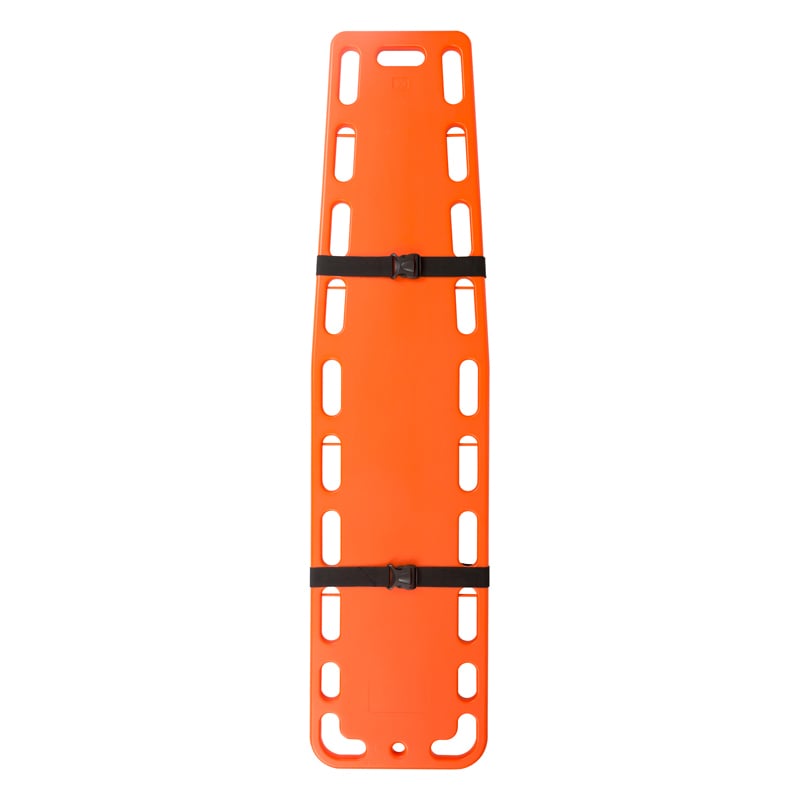
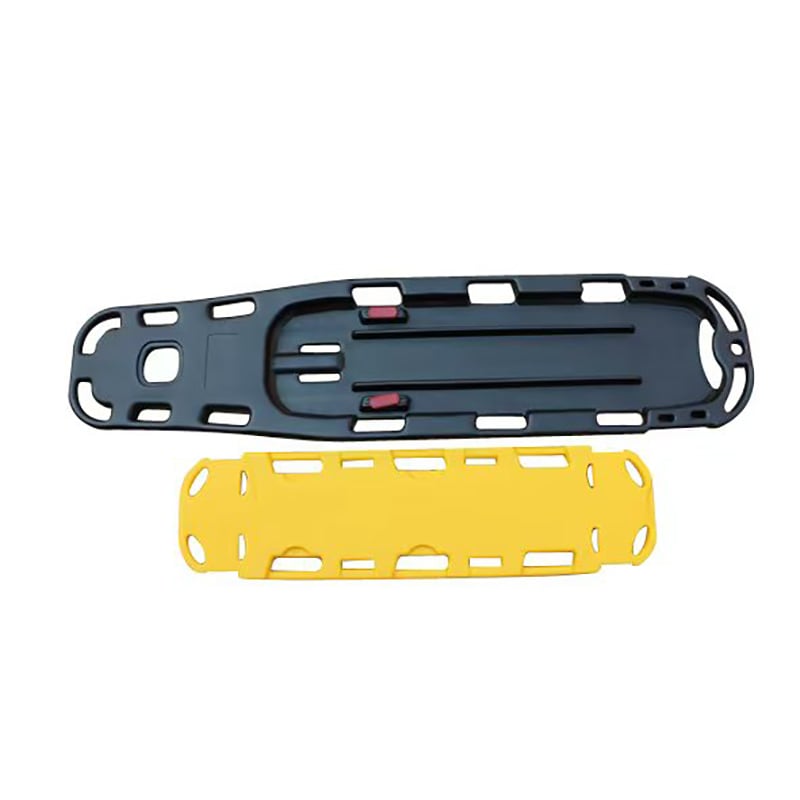
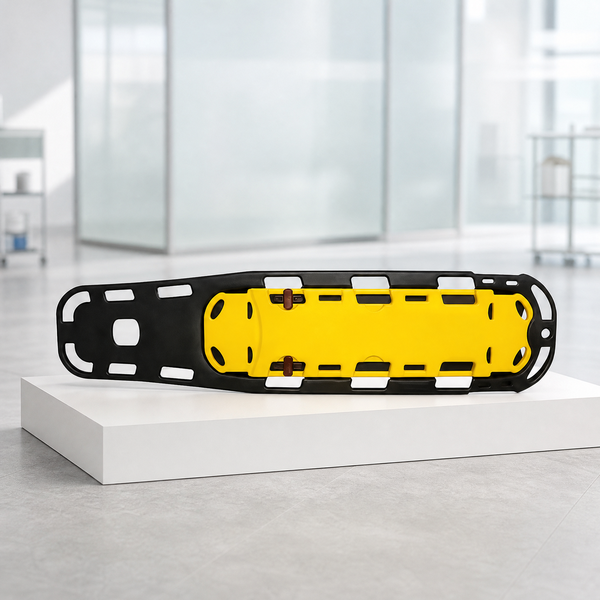
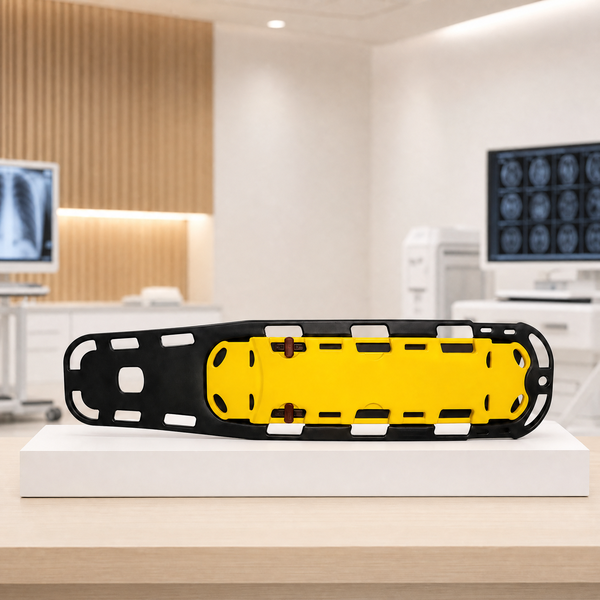
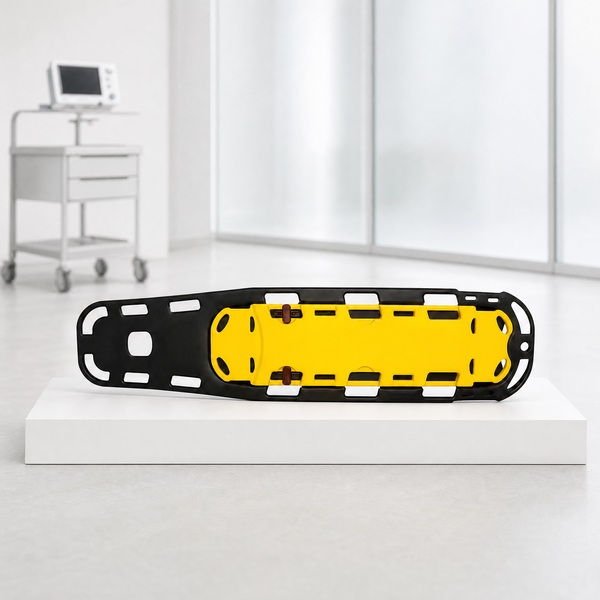
Choosing the right spine board types is crucial for emergency medical services, hospitals, and other healthcare facilities. Spine boards are essential for immobilizing patients with suspected spinal injuries during transport. B2B buyers, including purchasing managers and distributors, often face concerns about material quality, weight capacity, customization options, and compliance with relevant certifications. This article will explore various half spine board, what to consider when making a selection, and how to source reliable suppliers.

Why choose XieHe Spine board types

What to Consider When Choosing Spine Board Types for Your Facility

When selecting spine board types, several factors should guide your decision: 

Material: Spine boards are typically made from polyethylene or fiberglass. Polyethylene boards are lightweight and floatable, making them ideal for water rescues, while fiberglass boards offer greater strength and durability. Consider the material in relation to your facility's specific needs and patient demographics. 

Weight Capacity: Ensure that the chosen spine board suppliers can accommodate the maximum weight of potential patients. Check the manufacturer's specifications for load limits to avoid compromising safety during transport. 

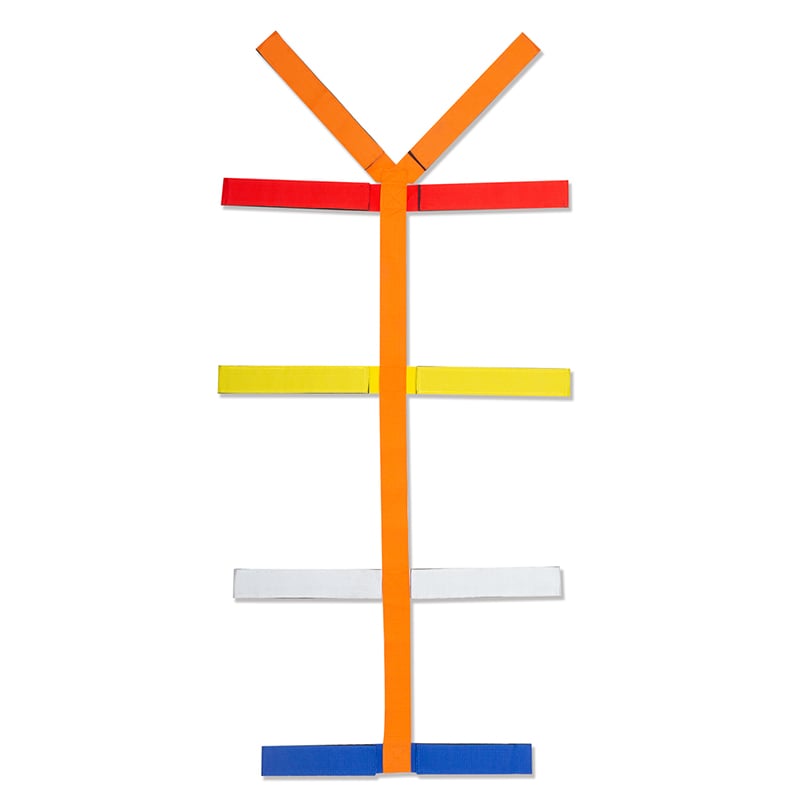
Design Features: Some spine boards come with integrated head immobilizers and safety straps, which enhance patient stability. Evaluate whether these features are necessary for your application and if they comply with your local regulations. 

Certification: Look for spine board suppliers that meet regulatory standards such as CE, FDA, or ISO certifications. This ensures that the product has undergone rigorous testing and adheres to safety protocols. 

Compatibility: Consider how the spine board suppliers will integrate with your existing equipment, such as stretchers and transport vehicles. Compatibility can affect the efficiency of patient transfer. 

By focusing on these factors, you can select spider straps for spine board that best meet the needs of your facility and ensure patient safety.

Frequently Asked Questions

What types of spine boards do you offer?

We supply rigid plastic, perforated, foldable, pediatric and vacuum-compatible spine boards for varied emergency and clinical needs.
Yes. Our production is CE, FDA and ISO 13485 certified, ensuring compliance with international medical standards.
Yes. We offer customization including size, color, branding, strap configuration and accessory fittings to meet client specifications.
Boards are typically made from high-density polyethylene or composite materials that are lightweight, radiolucent, and easy to disinfect.
Yes. We serve a global network of distributors and can export spine boards to customers across 120 countries with distributor support.

Our Blog Posts

What Our Partners Say

Where to Source Reliable Spine Board Suppliers for Bulk Orders

Where to Source Reliable Spine Board Suppliers for Bulk Orders

When sourcing spine board suppliers, it’s essential to conduct thorough research to find reliable partners. Here are a few strategies: 

Industry Directories: Utilize online industry directories and trade associations to compile a list of manufacturers and distributors specializing in medical equipment. These platforms often feature reviews and ratings, helping to identify reputable suppliers. 

Trade Shows and Expos: Attending industry trade shows provides valuable opportunities to meet suppliers face-to-face. You can see their products firsthand, discuss customization options, and establish relationships that may lead to better pricing and service. 

Certifications and Compliance: Ensure that the suppliers you consider hold the necessary certifications. This not only guarantees product quality but also builds trust in their manufacturing processes. 

Request for Quotations (RFQs): Prepare detailed RFQs specifying the type of spine board suppliers required, including material, dimensions, weight capacity, and quantity. This approach allows suppliers to provide accurate quotes and helps you compare pricing and terms effectively. 

Sample Orders: Before committing to a bulk order, request samples to evaluate quality, usability, and compliance with your specifications. This step is crucial to ensure the product meets your standards. 

By following these steps, you can identify reliable ked spine board suppliers and negotiate terms that align with your facility’s needs. 

Which is Best for Your Needs?

Which is Best for Your Needs?

Determining which spine board type is best for your needs depends on several factors: 

Patient Demographics: If your facility frequently handles pediatric or geriatric patients, consider boards that offer adjustable features or additional padding for comfort. 

Environmental Conditions: For outdoor or water rescue operations, lightweight, floatable boards are preferable. Conversely, for indoor settings, durability and ease of cleaning may be more critical. 

Operational Use: Assess how frequently the XieHe spine board suppliers will be used and what types of emergencies are most common. High-frequency use may necessitate more robust materials to withstand wear and tear. 

Customization Requirements: If your facility has specific requirements, such as branding or unique features, ensure the supplier can accommodate customization requests without compromising the product’s integrity. 

By thoroughly evaluating your facility's unique needs and operational circumstances, you can select the most suitable spine board suppliers type to enhance patient care. 

Understanding the Cost Factors of Different Spine Board Types

Understanding the Cost Factors of Different Spine Board Types

Cost is a significant consideration when purchasing XieHe spine boards, and various factors contribute to pricing: 

Material Costs: The type of material used directly affects the price. For example, polyethylene boards are generally more affordable than fiberglass options due to the difference in manufacturing complexity and durability. 

Customization: Custom features, such as specific colors, branding, or added components like head immobilizers, can increase the cost. It’s essential to balance the need for customization with budget constraints. 

Order Quantity: Bulk orders typically come with discounts, so understanding your facility's needs can help you negotiate better prices. Always communicate expected order volumes to potential suppliers. 

Shipping and Handling: Consider additional costs associated with shipping, especially for large or heavy orders. Some suppliers may offer free shipping for bulk purchases, which can impact overall costs significantly. 

Warranty and Support: Evaluate whether the price includes warranties or after-sales support. A higher upfront cost may be justified if the product comes with comprehensive support and a robust warranty. 

By understanding these cost factors, you can make informed purchasing decisions that align with your budget while ensuring product quality and compliance. 

Installation Guidance for Various Spine Board Models and Types

Proper installation and usage of XieHe spine boards are vital for effective patient care. Here are some guidelines: 

Preparation: Before using a spine board, ensure that all necessary equipment, such as straps and immobilizers, are ready and in good condition. Familiarize yourself with the specific model's features and operational procedures. 

Patient Positioning: When placing a patient on the spine board, ensure that they are aligned correctly to prevent further injury. Use a log-roll technique if necessary and ensure that the head and neck are stabilized throughout the process. 

Securing the Patient: Once the patient is positioned, secure them using the provided straps. Ensure that they are snug but not overly tight, which could restrict circulation or cause discomfort. 

Training and Compliance: Regular training sessions for staff on the correct installation and usage of spine boards are recommended. Compliance with local regulations and guidelines should also be emphasized to ensure safety and efficacy. 

Regular Inspections: Regularly inspect spine boards for any signs of wear or damage. Ensure that all components, such as straps and immobilizers, are functioning correctly and replace any defective parts immediately. 

By following these installation guidelines, healthcare facilities can improve patient safety and enhance the efficiency of emergency response protocols. 

selecting the appropriate spine board type, sourcing reliable suppliers, and understanding cost factors are essential steps for B2B buyers in the healthcare sector. With careful consideration and informed decision-making, you can enhance patient care and operational efficiency in your facility.