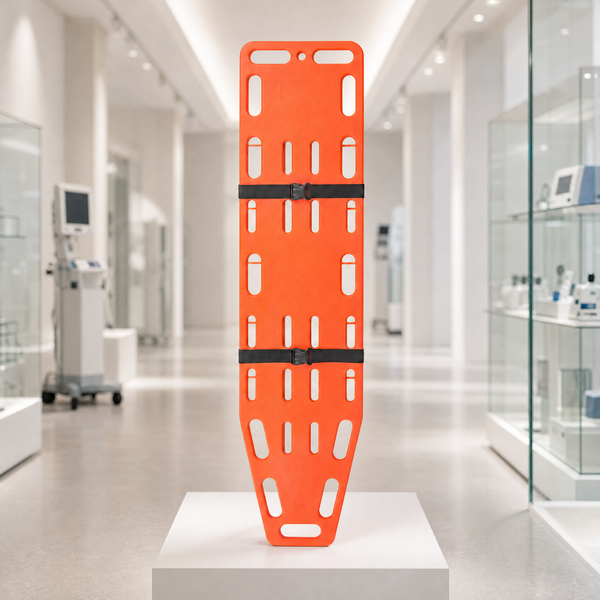
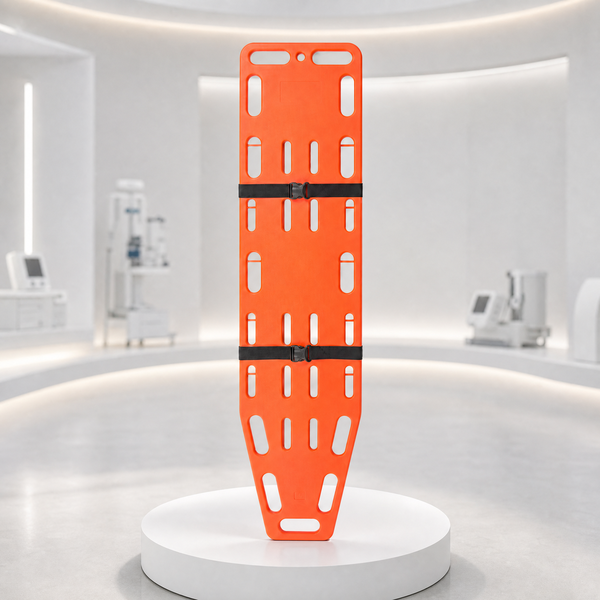
Choosing the Right Half Spine Board for Your Needs

Zhangjiagang Xiehe Import & Export Co., Ltd.

application/half-spine-board, application/half-spine-board, 
Inquiry
Inquiry

half spine board

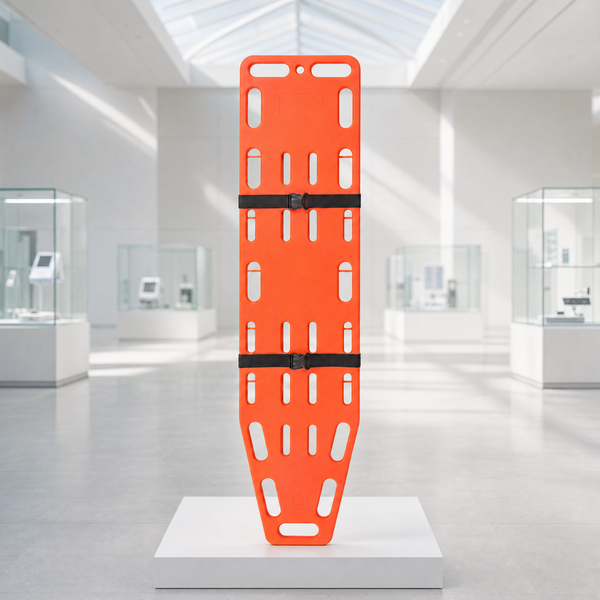
Half spine boards are  essential medical  devices used primarily in emergency  situations to  immobilize and transport  patients with  spinal  injuries. For B2B buyers,  especially purchasing managers  and medical  supply distributors, the choice of  a half spine board is critical due to  concerns about safety, durability, and compliance with health standards. This article  will guide  you through  the key factors  to consider when selecting a half spine board,  helping you make  an informed  purchasing  decision.

Why choose XieHe half spine board

How to Choose the Right Half Spine Board for Your Needs

When selecting a half spine board, it is  crucial to  consider the specific needs of your medical facility or emergency service. Factors such as weight capacity, size,  and usability in various environments play a significant role. Assess whether the board needs to accommodate  larger  patients  or if  it will primarily be used in pediatric settings. 

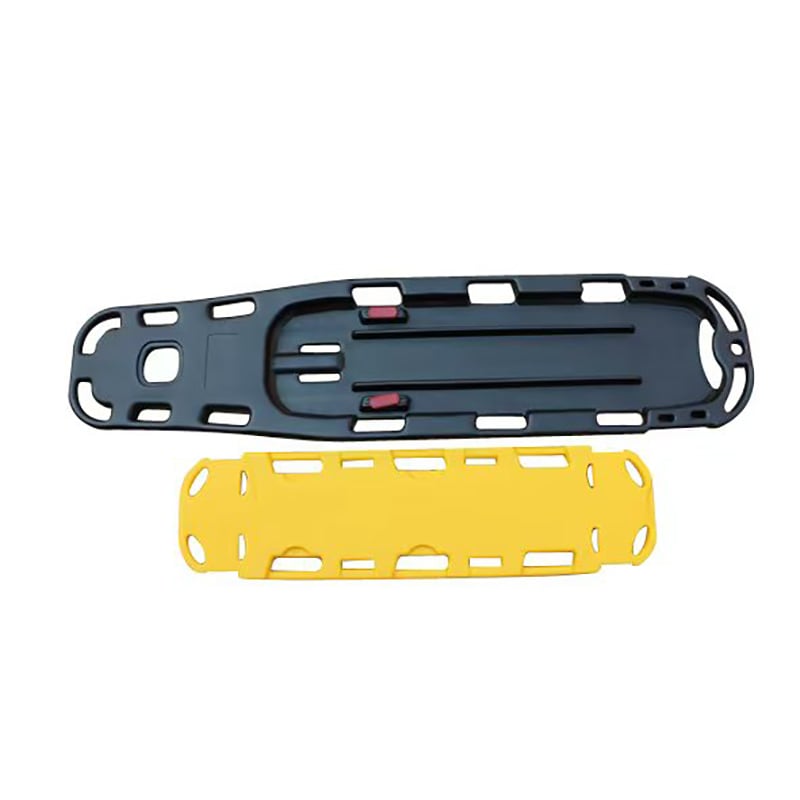
Additionally, consider the design features. Some half spine boards come with  built-in  head immobilizers,  while others may have tie-down points for securing the patient safely. Evaluate the ease of cleaning and  disinfecting the  board, as sanitation is vital in medical environments. Lastly,  ensure  that the product complies  with relevant certifications such  as CE, FDA, and ISO 13485, which indicate adherence to international  safety  and quality  standards.

Frequently Asked Questions

Our Blog Posts

What Our Partners Say

Key Specifications to Evaluate When Purchasing Half Spine Boards

Key Specifications to Evaluate When Purchasing Half Spine Boards

Understanding the specifications of half  spine boards is essential  for making an informed purchase. Key specifications include:

Dimensions: The board  should  fit comfortably within the  transport vehicles and  emergency response kits. Standard sizes accommodate most adult patients, but variations for pediatric use are available.

Weight Capacity: Most half spine boards can support weights  ranging from 250 to 500 pounds. Ensure that the chosen board meets the  maximum  expected patient weight in your facility.

Material: Typically made  from high-density  polyethylene or fiberglass, the material impacts durability and ease of cleaning. Lightweight materials are beneficial for  transport but should not compromise strength.

Thickness: A thicker  board may offer better support but can be heavier and bulkier. Consider the balance between support and portability.

Load Distribution: Look for boards designed to  distribute  weight evenly to reduce pressure points on the  patient,  which is critical during transport.

By confirming these specifications against your facility's  requirements, you  can ensure the  half spine board chosen will serve your needs effectively.

Comparing Half Spine Board Materials for Optimal Performance

Comparing Half Spine Board Materials for Optimal Performance

The material  used in half spine boards significantly affects their performance, durability, and ease of use. Here’s a comparison of common materials:

High-Density Polyethylene (HDPE): This  material is lightweight, resistant to  impact, and  easy to  clean.  It  is  commonly used in many emergency medical applications  due to  its balance of  strength  and usability.

Fiberglass: While typically heavier than HDPE, fiberglass boards are exceptionally strong and can withstand various environmental  conditions. They are often used in more rugged settings but may require more care to avoid  damage.


Aluminum: Some boards incorporate aluminum components for added strength without significantly increasing weight. These boards are  durable but may not be as easily sanitized as plastic options.

When  selecting  the material, consider the operational environment and the typical patient  demographics that the board will accommodate. Each material has its advantages, so  choosing the right one depends on balancing weight, durability, and cleaning ease.

Cost Factors to Consider When Ordering Half Spine Boards in Bulk

Cost Factors to Consider When Ordering Half Spine Boards in Bulk

When ordering half spine  boards, particularly in bulk, it is important to understand all associated costs.  Here are  key factors that influence pricing:

Material Costs: The type of material used directly  affects the unit price. For example, fiberglass boards may be more expensive than HDPE options due to material sourcing and manufacturing processes.

Custom  Features: Additional  features, such  as integrated head immobilizers or specific color coding for emergency scenarios,  can increase costs. Determine the value of these features based on your  operational needs.

Volume Discounts:  Many  manufacturers offer discounts for bulk purchases. Discussing your expected order volume can result in significant savings.


Shipping and Handling: Consider the shipping costs, especially for large orders. Shipping weight  and  dimensions can significantly impact overall expenses.

Lead  Time: Custom  orders may have  longer lead times, which can affect inventory management. Confirming delivery timelines is  crucial when planning bulk purchases.

By evaluating these cost factors, you can better manage your budget while ensuring that you acquire the  necessary equipment  for your operations.

Common Problems with Half Spine Boards and Their Solutions

Common Problems with Half Spine Boards and Their Solutions

While  half  spine boards  are designed for reliability, some common issues can  arise during  use or after prolonged exposure to various conditions. Here are a few  problems  and their solutions:

Wear and Tear: Over time, boards may show  signs of wear, such as cracks or discoloration. Regular inspections are essential to identify these  issues early. Establish a  maintenance schedule to ensure boards are in optimal condition.

Cleaning Difficulties: Some materials may  become stained or retain odors after repeated use. Ensure that the board material is compatible with the disinfectants used in your facility. Regularly cleaning and maintaining the board will extend its life.

Weight Limit Exceedance: Occasionally, a patient may exceed the weight capacity of the board,  leading to potential failures during transport. Training staff on weight limits and  proper securing techniques can mitigate this risk.

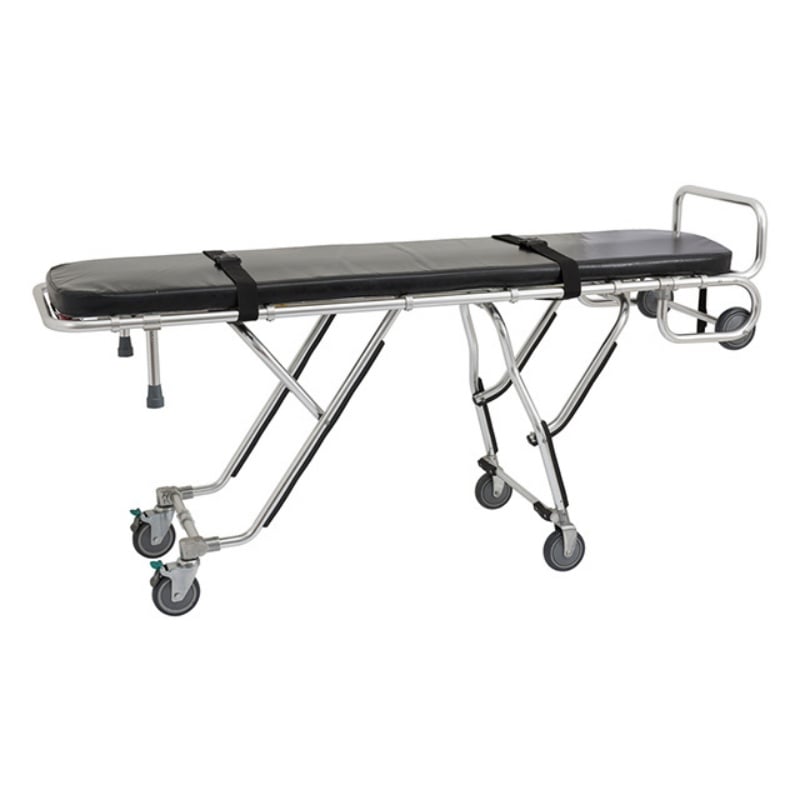
Incompatibility with Equipment: Some boards may  not fit well with specific transport equipment, such as stretchers or ambulances. It's essential to  verify compatibility before  purchase to  avoid  operational  challenges.

By addressing these common problems proactively, you can enhance the efficiency and  safety of your emergency response protocols, ensuring better patient care outcomes.