Reliable Spider Straps for Spine Boards

Zhangjiagang Xiehe Import & Export Co., Ltd.

application/spider-straps-for-spine-board, application/spider-straps-for-spine-board, 
Inquiry
Inquiry

spider straps for spine board

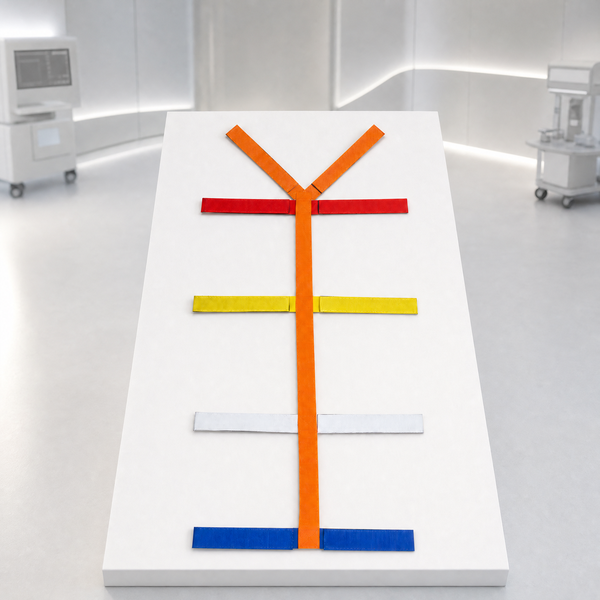
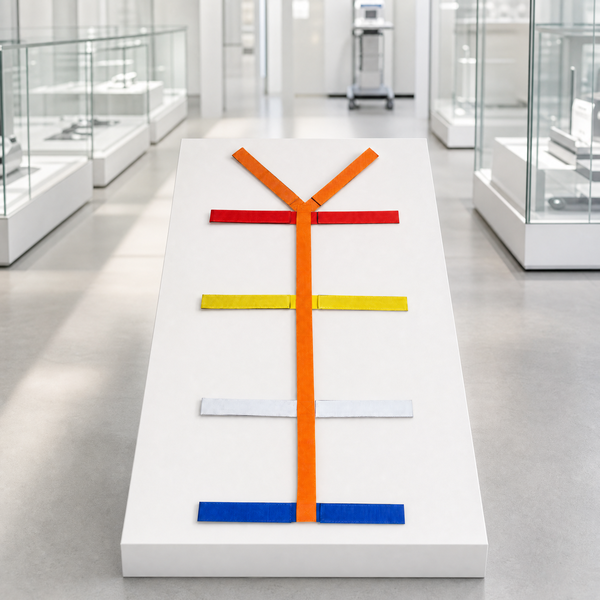
Spider straps  for  spine boards are critical  components used in emergency medical settings to secure patients during  transport, ensuring their safety and stability. For B2B buyers, such as  purchasing managers and  distributors,  the primary concerns revolve around product reliability, quality assurance, and sourcing from a reputable manufacturer. This article aims  to  provide practical  insights into  spider straps,  covering  how to find reliable sources, evaluate quality, installation  guidelines,  cost factors for  bulk purchases, and  how these  straps  enhance patient safety  during transport.

Why choose XieHe spider straps for spine board

Our Products

Where to Source Reliable Spider Straps for Bulk Orders

When sourcing spider straps for  spine  boards, it’s crucial to partner  with  a reputable manufacturer like Zhangjiagang Xiehe Import & Export Co., Ltd., which specializes in emergency stretchers  and first aid products. Buyers  should seek suppliers with  CE, FDA, and  ISO 13485 certifications, as these ensure adherence to  international quality  standards and regulatory compliance. Additionally, consider incorporating the YXH-1H Folding Stretcher for versatile patient transport solutions.

Consider exploring manufacturers  that provide customization options, as this can accommodate specific needs  for different medical applications. Engaging with suppliers who have a proven track record of servicing a  global network of distributors can also provide  insights into their reliability and product  performance. Additionally, attending industry trade  shows or professional  conferences  can facilitate direct interactions with potential suppliers,  allowing buyers to assess product samples and discuss  specific requirements in person.

Frequently Asked Questions

Our Blog Posts

What Our Partners Say

How to Evaluate Spider Strap Quality for Medical Applications

How to Evaluate Spider Strap Quality for Medical Applications

Quality evaluation of spider straps is essential for ensuring patient safety. Key specifications to  consider include:

Material Composition: Look for straps made from durable, medical-grade materials that can withstand  wear and  tear while maintaining their structural integrity. Common materials include nylon or polyester, which are known for their strength  and resistance  to moisture.

Load Capacity: Ensure the  straps can  support the weight of patients while  providing adequate tension.  This is particularly important in  emergency  scenarios where stability is vital. Consider using high-quality options like the YXH-5P Stair Stretcher to enhance load management.

Manufacturing Process: Understand the production methods  employed. High-quality spider straps are typically manufactured using advanced  stitching techniques that enhance their durability and performance.

Quality Control Processes: Inquire about  the supplier's quality  assurance practices. A reliable supplier should conduct thorough inspections and testing during  production to ensure that each batch meets established  safety and quality standards.


It’s advisable to request samples and conduct performance testing under simulated emergency conditions to  validate the  straps' effectiveness before placing a bulk order.

Installation Guidelines for Optimal Use of Spider Straps

Installation Guidelines for Optimal Use of Spider Straps

Proper installation of spider straps on spine boards is critical for effective patient immobilization. Follow these guidelines for optimal use:

Preparation: Ensure  that the spine board is clean and free from any debris. Lay out the spider straps in a way that  allows for  easy access during the fastening  process.

Positioning: Place the straps strategically over the patient,  ensuring they are aligned with key points of  the body such as the shoulders, hips, and legs. This positioning is crucial for maintaining stability during transport.

Securing the Straps: Utilize  the appropriate fastening  mechanism (e.g.,  buckles or  Velcro) to secure  the straps firmly  but not too tightly, as this  could cause discomfort or compromise circulation.

Final Checks: After securing  the patient, conduct a final inspection to ensure all straps are properly positioned and adjusted. Verify that the patient is immobilized without any  risk  of slippage  during movement.

Training staff on proper usage techniques can further enhance  safety and efficiency in  emergency medical situations.

 
Cost Factors to Keep in Mind for Bulk Spider Strap Purchases

Cost Factors to Keep in Mind for Bulk Spider Strap Purchases

When considering bulk  purchases of spider straps, several cost  factors come into  play:

Material Selection: The type of materials used can significantly affect pricing. Higher-quality materials may come at a premium but  can offer better durability and performance, ultimately reducing replacement  costs.

Customization Options: Custom-designed  straps tailored to specific applications may involve additional costs, but they can improve functionality and meet unique customer requirements.

Order  Volume:  Bulk purchasing typically leads to lower unit costs. However, it’s essential to balance quantity with  actual demand  to avoid excess inventory.

Shipping and Handling: Consider logistics costs, including  shipping fees and potential customs duties, especially when  sourcing from international suppliers.  

Supplier Negotiations: Building a  long-term relationship with  a supplier  can lead to improved pricing and terms over  time. It’s beneficial  to discuss potential  discounts for large orders or recurring purchases.

Careful analysis of  these factors can help optimize procurement strategies and control  overall expenses.

How Spider Straps Enhance Patient Safety During Transpor

How Spider Straps Enhance Patient Safety During Transpor

Spider straps play  a crucial role in enhancing patient safety during transport by providing secure immobilization. Their design allows for even  distribution of pressure across  the patient's  body, minimizing the risk of further  injury during movement. Key benefits include:

Stability: Properly secured spider straps prevent unnecessary movement,  which is  especially important for patients  with spinal injuries. This  reduces the  risk of exacerbating existing  conditions.


Ease of Use: The design of spider straps typically allows for quick application and removal, which is vital in emergency situations  where time is critical.

Compatibility with  Emergency Equipment: Many spider  straps are designed to be compatible with various types of stretchers and transport equipment, making them versatile for different medical environments.

Customization for Specific Needs: Manufacturers often provide options to customize the length, width, and  fastening mechanisms  of the straps, ensuring  they meet the specific requirements  of various medical  applications.

Incorporating high-quality spider straps into emergency response protocols can significantly improve patient care and outcomes during transport.