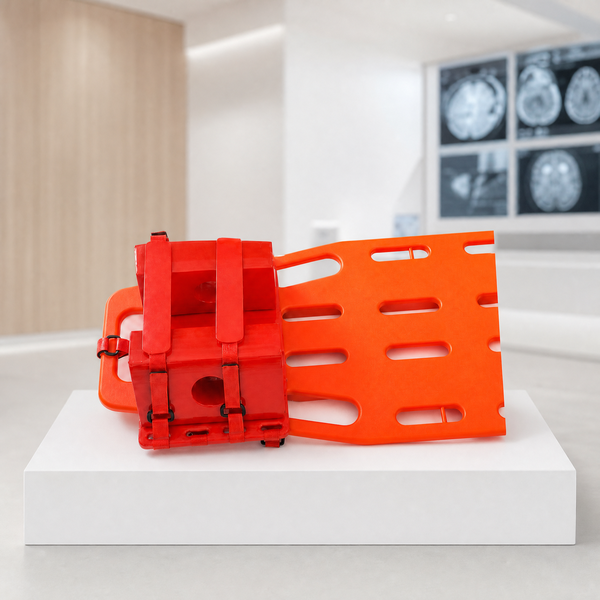
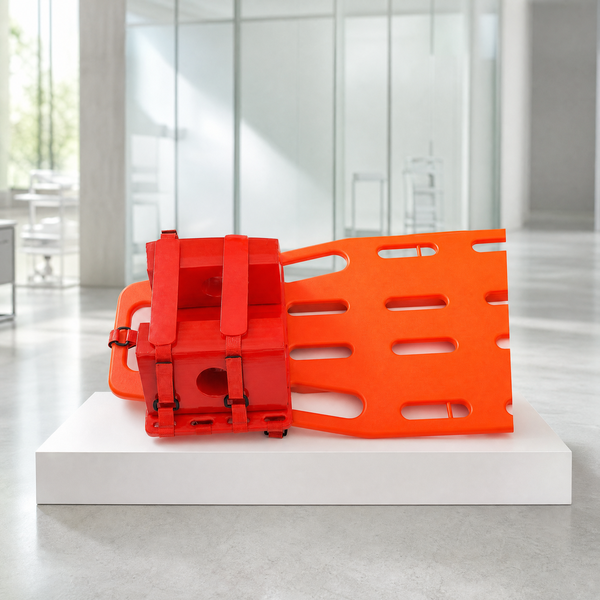
Spine Board Head Immobilizer Specifications & Sourcing

Zhangjiagang Xiehe Import & Export Co., Ltd.

application/spine-board-head-immobilizer, application/spine-board-head-immobilizer, 
Inquiry
Inquiry

spine board head immobilizer

Understanding the specifications of spine board head immobilizers is crucial for B2B buyers involved  in emergency medical services, hospitals, and  first aid  supplies. A head immobilizer is  an essential piece of equipment designed  to securely stabilize  a patient's head and neck during transport, particularly  in trauma  situations. Buyers often  focus  on  product durability, ease of use,  and compliance  with safety standards. This article will provide  insights  into the specifications, selection criteria, installation challenges, sourcing options, and material advantages of spine  board  head  immobilizers, helping  you make informed purchasing decisions. For more information on various equipment used in emergencies, check out our Funeral Home Products.

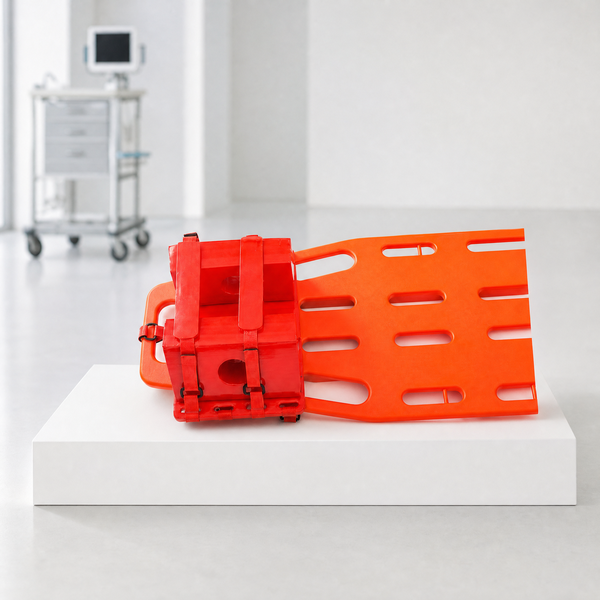
Why choose XieHe spine board head immobilizer

Our Products

Understanding the Specifications of Spine Board Head Immobilizers

Spine board head immobilizers come  with various specifications  that determine their effectiveness in emergency  scenarios. Key specifications include dimensions, weight capacity, and material composition. 

Dimensions: The size of the immobilizer should align with standard spine board dimensions to ensure compatibility. Most  head immobilizers are designed to fit universally on spine boards,  typically  measuring around 25 inches by 16 inches. Ensuring the right dimensions is critical for secure attachment and patient safety.

Weight Capacity: It's essential to  check the weight capacity of the immobilizer.  Many models  can accommodate patients up  to 250 pounds, but some may  offer higher  limits. This is particularly important for emergency services that may encounter a wide range of patient sizes.

Material Composition: Common materials used in head immobilizers include high-density foam, plastic, and metal components. These materials  should provide durability while ensuring patient comfort. Foam padding, for instance, enhances  comfort during transport, while a rigid plastic shell  helps maintain head stability.

Certification Standards:  Ensure the product complies with relevant safety standards such as CE, FDA, and ISO certifications. These certifications are indicators of quality  and reliability,  essential for medical equipment in emergency situations.

Understanding these specifications will help buyers ensure that their chosen  head immobilizer meets the operational demands of emergency medical services. Furthermore, integrating tools like the Stair Solution can enhance overall patient transport safety.

Frequently Asked Questions

Our Blog Posts

What Our Partners Say

How to Choose the Right Head Immobilizer for Your Project Needs

How to Choose the Right Head Immobilizer for Your Project Needs

Selecting the right head immobilizer involves several considerations tailored to  your specific needs.

Application: Identify the primary use of the  immobilizer. For instance, if it's intended for emergency medical services,  a model  that  is lightweight  and easy to deploy may be more suitable. Conversely, for hospital  use, a more robust design with additional padding may be preferred.

Customization Options:  Consider  whether you require customization. Suppliers like Zhangjiagang Xiehe Import Export Co., Ltd. offer tailored solutions to meet specific needs, such as color variations or additional features like integrated safety straps.


Ease of  Installation: Assess how easy the immobilizer is to install on the spine board. Quick-release mechanisms or adjustable straps can significantly improve usability in high-pressure situations.

Cost vs. Quality: While pricing  is always a consideration, opting for the cheapest option may lead to compromises in quality. Ensure you find a balance between cost and durability to achieve the  best long-term investment.

Supplier  Reputation: Investigate the reputation of potential suppliers. Established companies with a proven track record in providing  medical equipment are likely to  offer more reliable products.

By considering these  factors, buyers can select  a head immobilizer that aligns with their operational requirements and budget  constraints.

 
Common Installation Challenges for Spine Board Head Immobilizers

Common Installation Challenges for Spine Board Head Immobilizers

Even with a high-quality head immobilizer, installation can present challenges that  may affect  performance. Common issues include:

Compatibility Issues:  Not all immobilizers fit every spine board perfectly. Ensure that the immobilizer is compatible  with the specific spine board model being  used. This can prevent  misalignment and ensure maximum effectiveness.

Strap Positioning: Properly positioning the straps  is critical for effective immobilization. Misplaced straps can lead  to inadequate head stabilization, potentially jeopardizing patient  safety. Training staff on correct installation techniques can mitigate this issue.

Material Flexibility: Some immobilizers are made from materials that may not  provide the necessary rigidity. Ensure  that the selected model is firm  enough to hold the head in place while still being comfortable for the  patient.

Time Constraints: In emergency situations, time is of the essence. Choosing  a model that allows  for quick and straightforward installation can improve response  times  significantly.

Understanding these challenges will help buyers prepare for installation and ensure  the immobilizer functions effectively  in  real-world scenarios.

Where to Source Reliable Suppliers of Head Immobilizers

Where to Source Reliable Suppliers of Head Immobilizers

Sourcing reliable  suppliers for spine  board head immobilizers is essential for ensuring quality and  compliance. Here are some strategies:

Industry  Networks: Utilize industry networks or associations related  to emergency medical services or healthcare to find reputable suppliers. These platforms often provide lists  of certified  manufacturers.

Trade Shows: Attending medical and healthcare trade shows can help buyers connect with  suppliers directly. This allows for firsthand evaluations of product quality and discussions about customization options.

Online Marketplaces: Websites like Alibaba or medical supply platforms can  offer a  variety of suppliers. However, it's crucial to verify the supplier's credentials and customer reviews to  ensure reliability.

Established Manufacturers: Consider manufacturers  with a  solid reputation, such as Zhangjiagang  Xiehe  Import Export Co., Ltd., which provides CE/FDA/ISO-certified products. Their extensive experience in supplying a  global market can be  a valuable asset.

Direct Manufacturer Contact: Engaging directly  with manufacturers can provide insights into their production capabilities, customization options, and quality control processes. This direct line of communication can enhance trust and facilitate better  deals.

By  following these sourcing strategies, buyers can ensure they find reliable suppliers that meet their needs.

Comparing Material Advantages of Different Head Immobilizers

Comparing Material Advantages of Different Head Immobilizers

Material selection plays a critical role in the efficacy and comfort  of spine board head immobilizers. Here’s a  comparison of common  materials used:

High-Density Foam: This material is  often used for padding  in immobilizers. It provides comfort  and absorbs shock, making it ideal  for extended  transport times. However, buyers must ensure that it maintains its shape over time.

Plastic: Rigid  plastic components are commonly used for the structure of the immobilizer. They offer durability and ease of cleaning, essential for maintaining hygiene in medical settings. However, ensure that the plastic is lightweight to avoid adding unnecessary bulk.

Metal Components: Some immobilizers incorporate metal for added strength. This can be beneficial  for higher weight capacities and durability but may  increase the  overall  weight of the device.

Water-Resistant Materials: In environments where exposure  to moisture is a concern, choosing  materials that are  water-resistant can  improve the lifespan of the immobilizer. 

Antimicrobial Treatments: Consider materials that come with antimicrobial properties to  enhance hygiene, particularly in hospital settings where infection control is paramount.

Selecting the right material should  align with the intended use, ensuring comfort, durability, and compliance with safety standards.