Quality Emergency Stretchers for Sale

Zhangjiagang Xiehe Import & Export Co., Ltd.

application/stretchers-for-sale, application/stretchers-for-sale, 
Inquiry
Inquiry

stretchers for sale

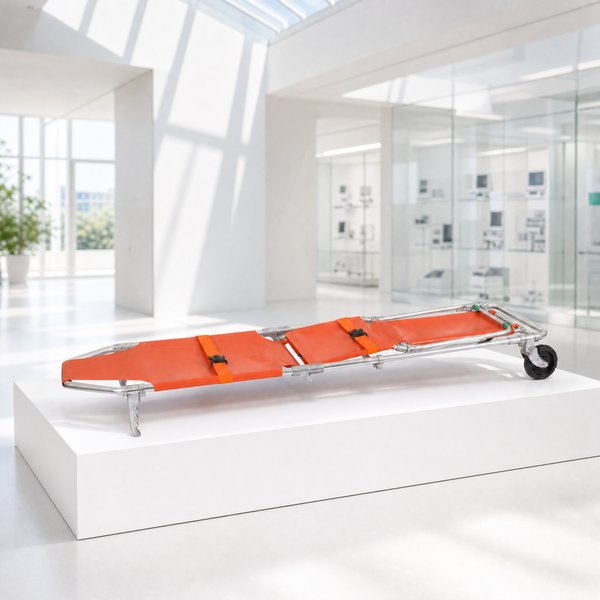
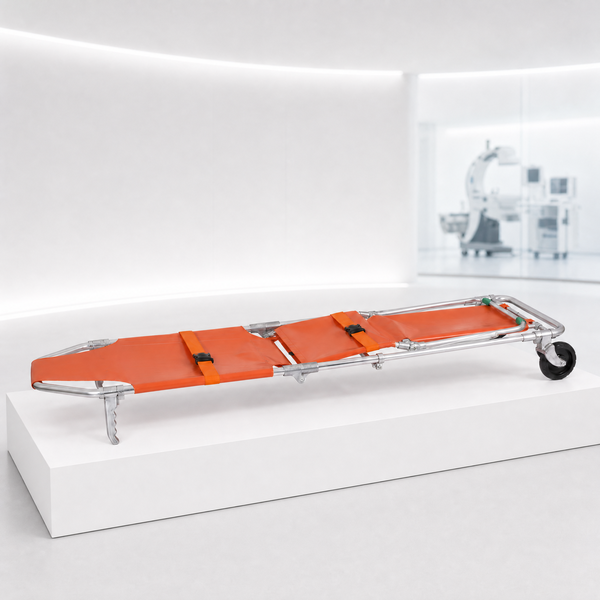
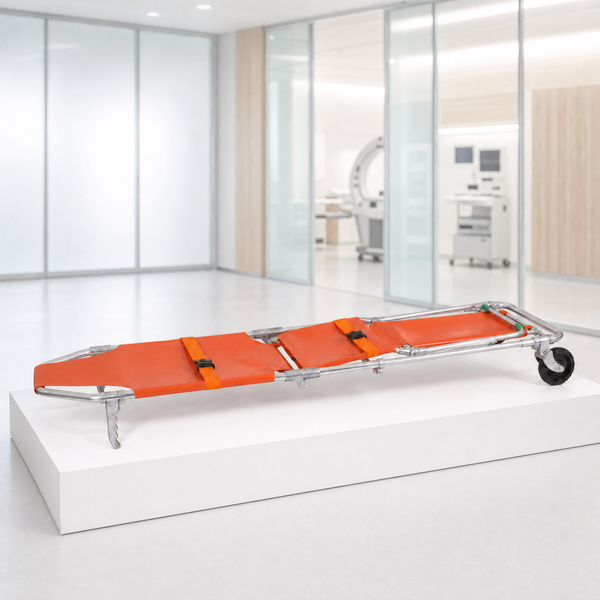
Emergency stretchers are essential medical devices designed to facilitate the safe transport of  patients in emergencies. For  purchasing  managers, distributors,  and healthcare facilities,  selecting the right  stretchers  for sale involves careful  consideration  of quality, specifications,  and  cost factors. This  article will  provide insights into  evaluating  emergency stretchers, understanding key  specifications, and  ensuring that buyers  can  make informed decisions that meet their  specific needs. For example, exploring various Funeral Home Products can also enhance your understanding of the necessary equipment.

Why choose XieHe stretchers for sale

Our Products

How to Evaluate the Quality of Emergency Stretchers for Your Needs

When assessing the quality of emergency stretchers,  several factors must be taken into account. First, consider the  certifications, such as CE, FDA, and ISO 13485, which signify compliance with  international safety and  quality standards. These certifications are crucial as they  indicate the  manufacturer  adheres to rigorous quality control processes throughout production.


Next, evaluate  the construction  of the stretcher. A well-constructed stretcher should have a robust frame, typically made from aluminum  or high-strength steel, which ensures durability under various conditions. Additionally, check for features like reinforced seams and high-quality,  tear-resistant fabric  that provide support  and comfort to the patient.

Lastly, review the performance during testing. Buyers should  request details  on any testing the stretchers have undergone,  such as load capacity tests and field  usage evaluations. This information can help ensure  that the stretchers can  withstand the demands of emergency situations.

Frequently Asked Questions

Our Blog Posts

What Our Partners Say

Key Specifications to Compare in Stretchers for Sale

Key Specifications to Compare in Stretchers for Sale

When comparing stretchers for sale, several key specifications  should be prioritized:

Weight Capacity: Determine the maximum weight the stretcher  can safely support,  which  is essential for accommodating  a  range of patient sizes.

Dimensions:  Evaluate the stretcher's dimensions when folded and unfolded. Compact designs can facilitate  easier storage and transport, while  ample  dimensions ensure comfort for  the patient.


Material Composition: Look for stretchers made of lightweight yet durable materials, such as aluminum or  high-grade  plastic, which can enhance portability without sacrificing strength. Additionally, consider the Stretcher options available that meet these criteria.

Safety Features: Consider features like safety straps, reflective strips for visibility, and  anti-roll designs that  can help  secure the patient during transport.

Mobility Features: Assess wheels and handles for ease of  maneuverability. Stretchers with multi-directional wheels provide better control in tight spaces,  which is often necessary in emergency situations.

Ease  of Cleaning: Given the importance of hygiene in medical environments, stretchers should be easy to clean, with materials that can withstand regular disinfection.

Cost Factors to Keep in Mind When Buying Stretchers in Bulk

Cost Factors to Keep in Mind When Buying Stretchers in Bulk

Purchasing stretchers in bulk can lead to significant cost savings, but several factors  must be considered to ensure a worthwhile  investment:

Unit Price vs. Total Cost: While the unit price is  important, consider  the  total cost of ownership, which includes maintenance, potential repairs, and lifespan. A lower  unit price may  not translate to long-term savings if the product requires  frequent replacement.

Customization: Custom  stretchers tailored to specific needs  may incur additional costs  but can enhance functionality and satisfaction. Discuss customization options  with  suppliers to ensure the final product aligns with  your requirements.

Shipping and Handling: Evaluate shipping costs, especially for bulk orders. Some manufacturers may offer discounts or free shipping for large orders, impacting the overall price.

Warranty and Support: Consider the warranty period and what it covers. A longer warranty may indicate manufacturer confidence in their product  and can save costs on potential repairs.

Minimum Order Quantity (MOQ): Understand  the  manufacturer's MOQ, as larger orders may be required to  access lower pricing  tiers. Balancing  MOQ with your inventory needs is crucial.

Understanding the Material Advantages of Our Stretchers for Sale

Understanding the Material Advantages of Our Stretchers for Sale

The  materials used in the construction of emergency  stretchers  significantly influence their performance and suitability for various  applications. For instance, aluminum is commonly used for its lightweight properties, enabling easy transport  without compromising strength.  Stretchers made from high-density polyethylene  (HDPE) are resistant to chemicals and moisture, making  them suitable for use  in diverse environments, from hospitals to outdoor settings.

Additionally, the choice  of  fabric plays a vital role in comfort and durability. Medical-grade fabrics  that are both breathable  and easy to clean  are ideal  for  patient transport,  ensuring a hygienic environment while providing necessary support.  It is essential for buyers to consider the specific  materials used in  stretchers and how they align with their operational needs.

Installation Guidance for Emergency Stretchers in Various Settings

Installation Guidance for Emergency Stretchers in Various Settings

Proper installation and usage of emergency stretchers  can  vary based on the setting, such as hospitals, ambulances, or remote locations. Here are some practical tips:

Hospital Settings: In  hospitals, ensure stretchers are placed in  accessible locations for quick retrieval. Familiarize staff with the operation  of the stretchers, including  locking mechanisms and safety features.

Ambulance Services: Stretchers must be compatible with the  ambulance layout. Confirm that the stretcher can be securely fastened  in place to prevent movement during transport.

Outdoor  or Remote Locations: When using stretchers in outdoor settings, consider factors like terrain and weather. Lightweight, foldable stretchers  can enhance mobility and ease  of transport across uneven surfaces.


Training:  Provide training for staff on proper lifting techniques  and the best practices for using  stretchers. Ensuring that all personnel  are knowledgeable can dramatically improve response times and patient safety.

By understanding  these factors, purchasing managers and healthcare providers can make informed decisions when selecting  emergency  stretchers for sale,  ensuring they meet the operational requirements and safety standards needed for effective patient transport.