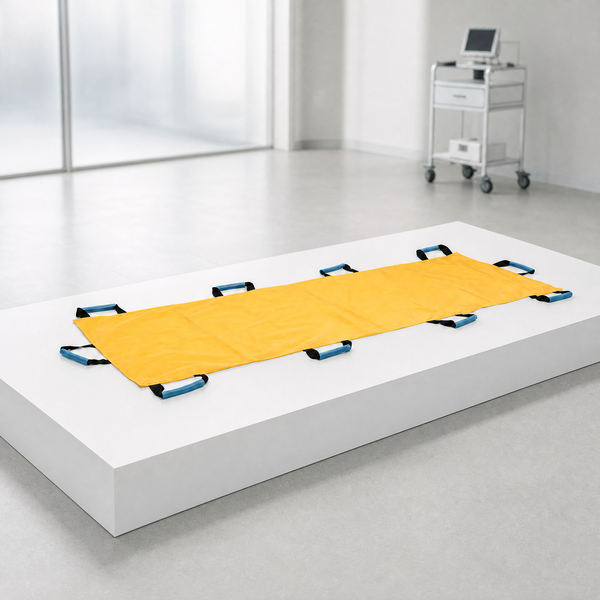
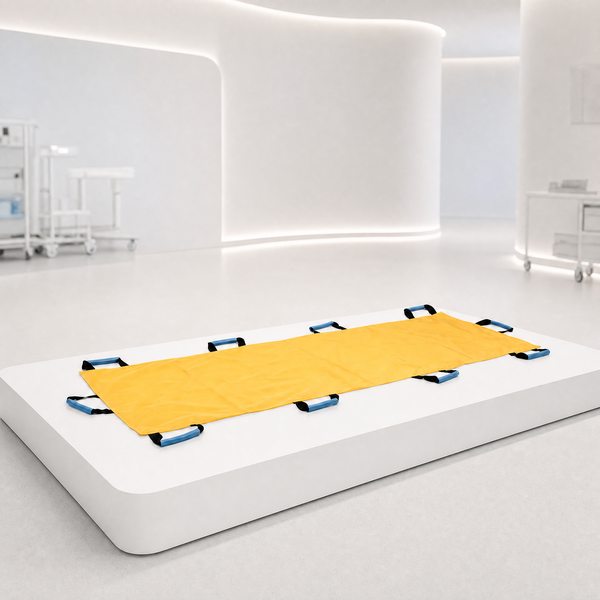
Soft Stretchers for Emergency Situations

Zhangjiagang Xiehe Import & Export Co., Ltd.

application/soft-stretcher-emergency, application/soft-stretcher-emergency, 
Inquiry
Inquiry

soft stretcher emergency

Soft stretchers are essential tools in emergency  medical situations, designed to  provide  safe and  effective  patient transport.  As  a buyer, you  might be concerned about product quality, material  suitability,  and supplier reliability.  This  article  will help you navigate these considerations by exploring  key specifications, sourcing options,  material advantages, common  challenges,  and  quality control  measures in soft  stretchers.

Why choose XieHe soft stretcher emergency

How to Evaluate the Quality of Soft Stretchers for Safety Use

When selecting soft stretchers for wholesale, consider several key specifications  that will impact their performance and suitability for various applications. First,  assess the weight capacity, which should align with the maximum patient weight expected in your operations. A common range is between 150  kg to 200 kg, but it's crucial  to verify this based on your specific  usage scenarios.

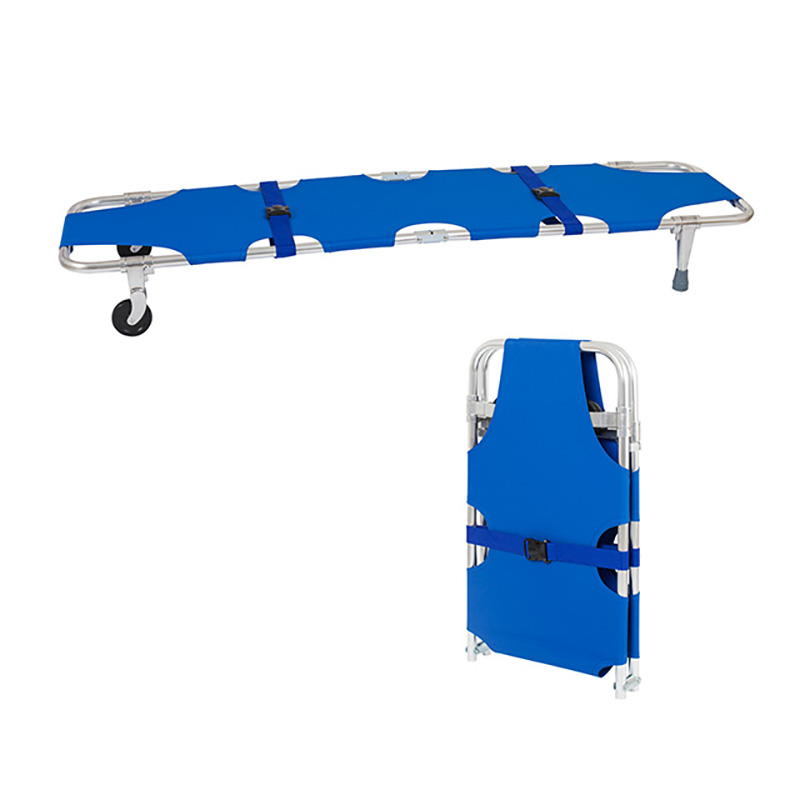
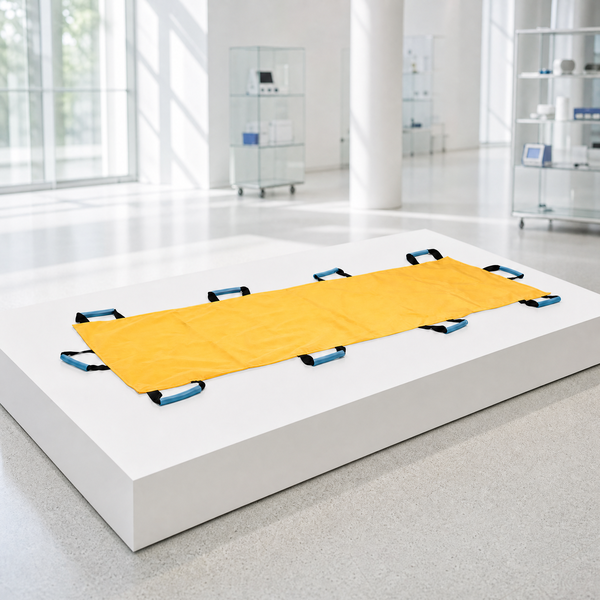
Next, examine the  dimensions  of the  stretcher. Standard sizes should accommodate adult patients comfortably, but if you anticipate transporting larger or smaller individuals,  consider custom dimensions to ensure optimal usage. Additionally, look at the material specifications,  such as the type  of fabric used for the stretcher. Materials like nylon or polyester offer durability and ease of cleaning, which  are vital for maintaining hygiene in medical environments.YXH-1H Folding Stretcher is an excellent example of a durable option that meets these standards.

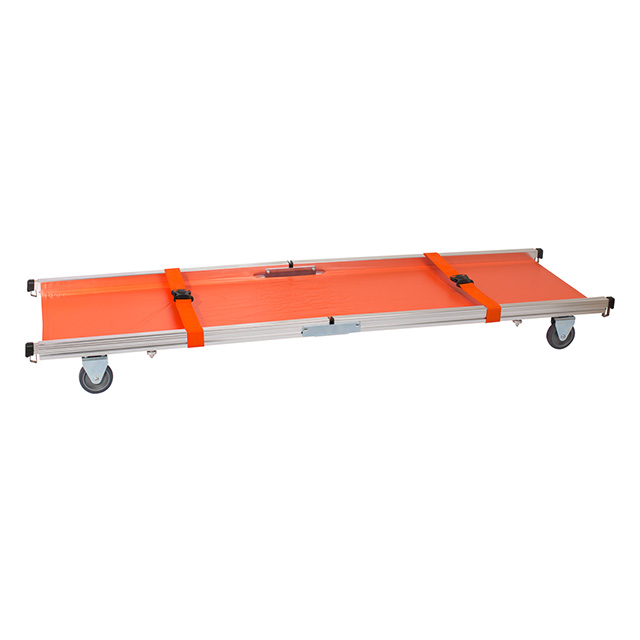
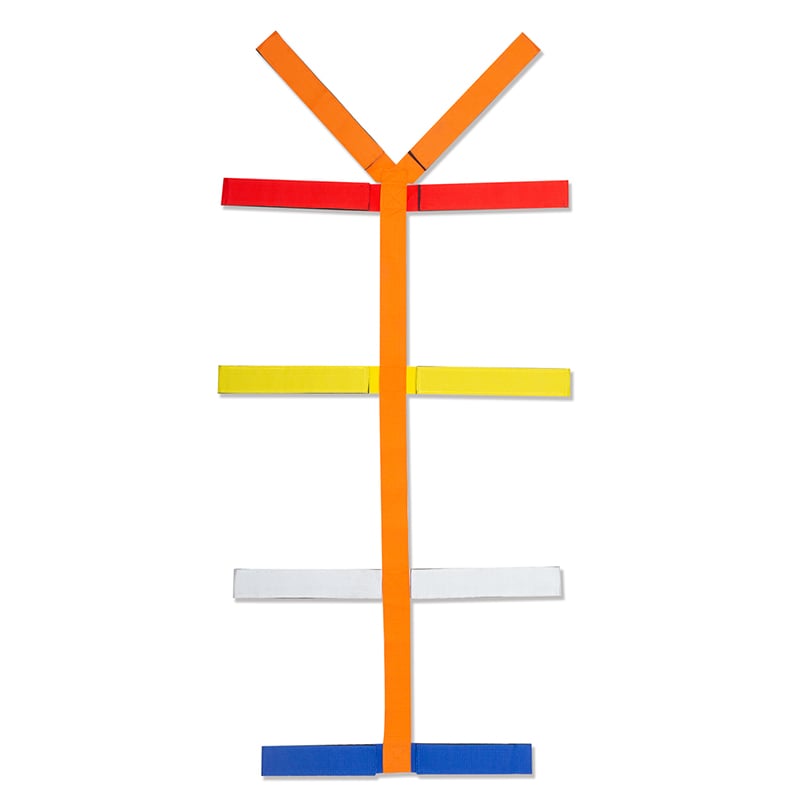
Lastly, consider the stretcher's features, such as adjustable straps,  cushioning,  and folding mechanisms. These features enhance usability and  patient comfort, making them crucial for  emergency situations. A well-designed  stretcher will also facilitate rapid deployment and easy storage, which are  critical in  emergencies.

Frequently Asked Questions

Our Blog Posts

What Our Partners Say

Understanding Specifications of Soft Stretchers for Your Projects

Understanding Specifications of Soft Stretchers for Your Projects

Sourcing reliable soft stretchers for bulk orders involves identifying suppliers with a proven  track record in the medical  equipment sector. Start  by seeking manufacturers  that have relevant certifications, such as  CE, FDA, or ISO 13485, which  validate  their  adherence to quality and  safety standards. Zhangjiagang Xiehe Import Export Co., Ltd. is an example of  a supplier that meets these certifications, ensuring compliance with  international standards.

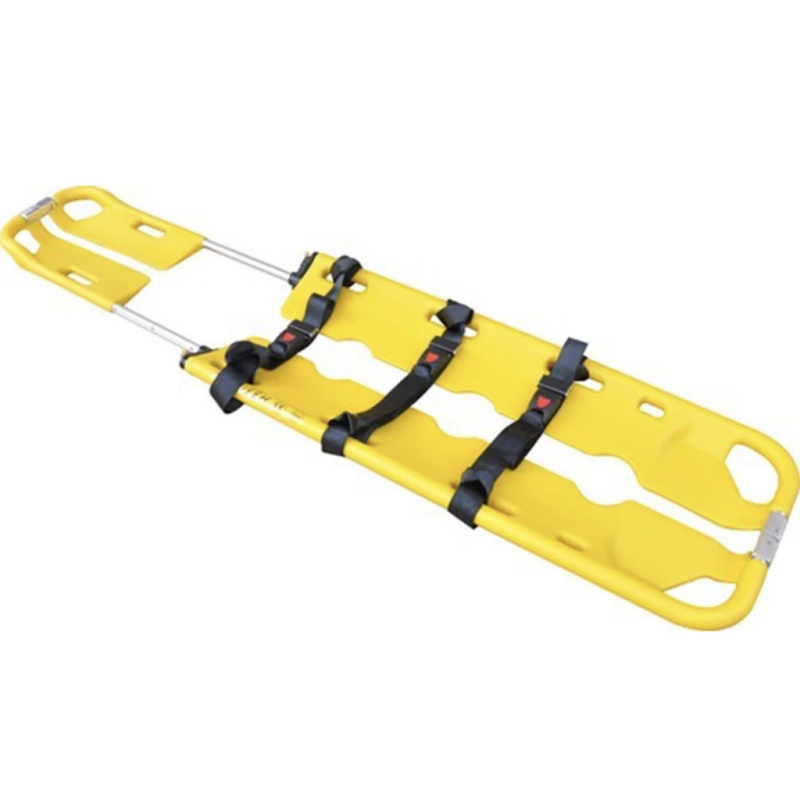
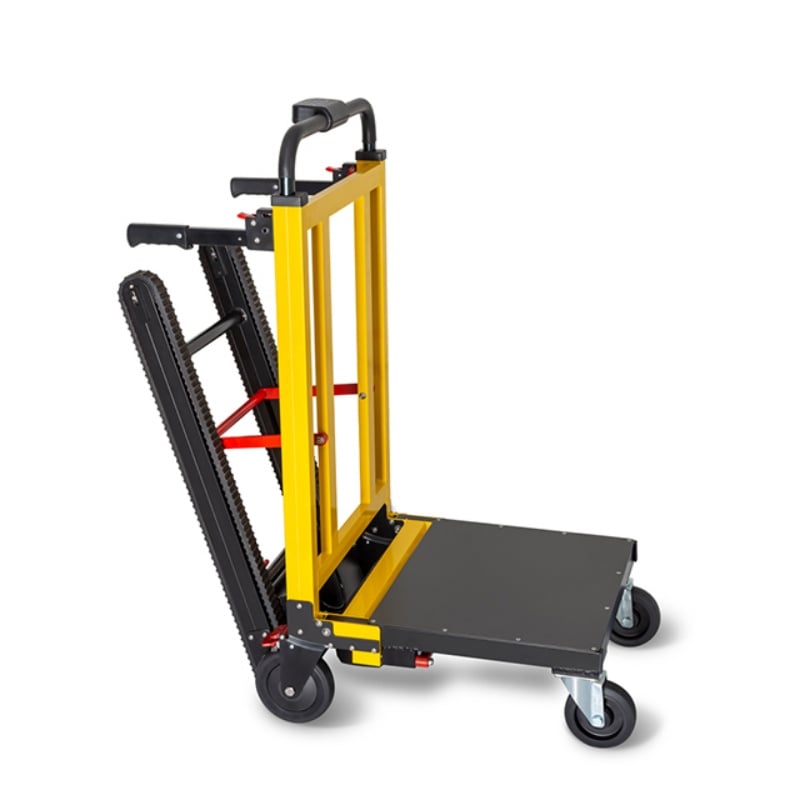
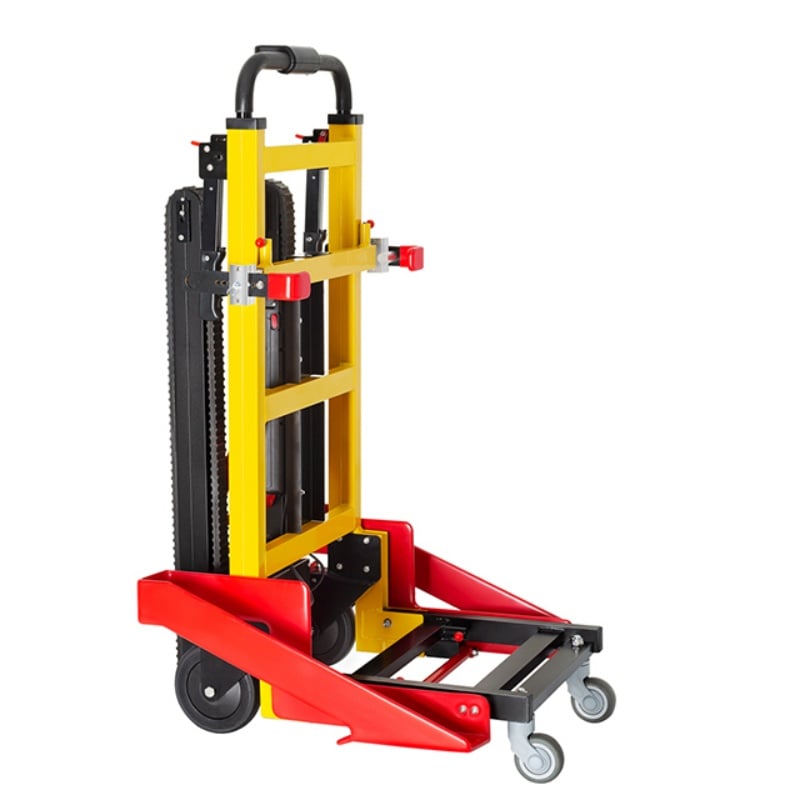
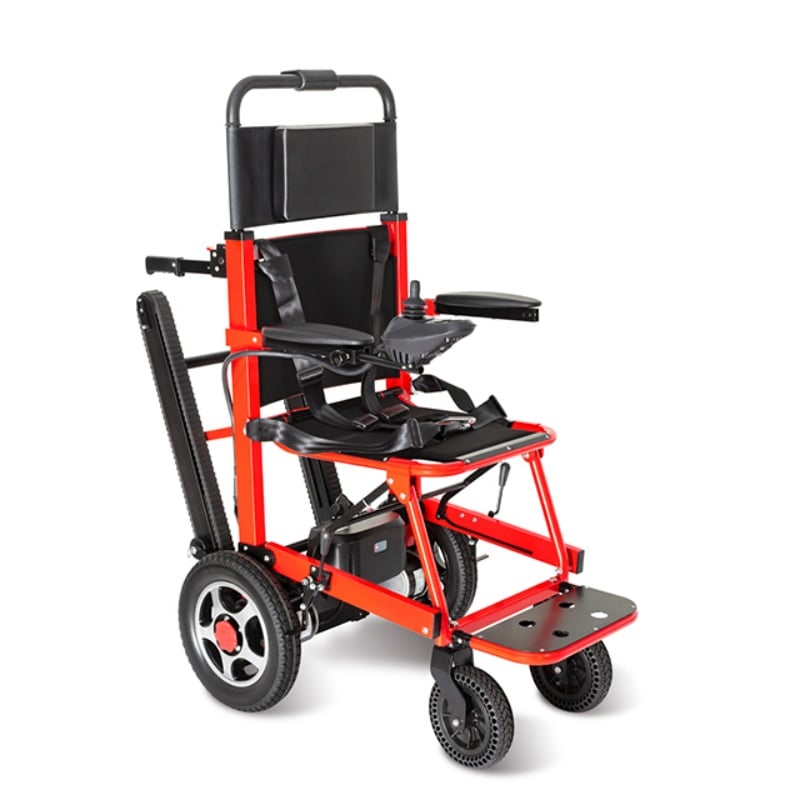
Additionally, explore suppliers  with a  strong global presence. Those with established networks across multiple countries can  often provide better support and supply chain reliability.  Look  for customer reviews or testimonials to gauge the supplier's  reputation and  product quality.  For instance, consider the YXH-5P Stair Stretcher, which has received positive feedback for its performance.

When requesting  quotations, provide detailed information about your requirements, including quantities, desired specifications, and any customization needs. This will help suppliers give you accurate pricing and lead times, ensuring that your procurement process  is efficient.

Installation Guidance for Efficient Use of Soft Stretchers in Emergencies

Installation Guidance for Efficient Use of Soft Stretchers in Emergencies

The material used in soft stretchers significantly affects their functionality, durability, and comfort. Common  materials include high-denier polyester and nylon, known for their  strength and resistance to wear and  tear.  These fabrics are also easy to clean and  disinfect,  which is essential in medical environments to prevent cross-contamination.

Additionally, consider the waterproof properties of the  material, particularly if the  stretcher  will be  used in outdoor or emergency situations where exposure to fluids is likely. Some materials  are  treated with water-resistant coatings that enhance  durability while  maintaining breathability.

Weight  is another crucial  factor; lighter  materials  facilitate easier  transport and maneuverability, which can be critical in emergency situations. However, ensure that  lighter materials do not compromise the stretcher's strength and patient safety.

Common Problems with Soft Stretchers and Effective Solutions

Common Problems with Soft Stretchers and Effective Solutions

While soft stretchers are invaluable in emergency  situations, they can face several common issues  that buyers should be aware of. One frequent problem is  wear and tear,  especially  in high-use environments. Regular inspections and maintenance are necessary  to identify signs of damage early, such as fraying seams or compromised  fabric integrity.

Another issue  can arise from inappropriate size choices.  If a stretcher is too small  or too large for the intended patient demographic, it may not provide the necessary support or safety. To mitigate this,  always verify  patient  dimensions against the stretcher specifications before purchase.

Additionally,  the ease of cleaning can often be overlooked.  Some materials may absorb stains or odors over time, which can  compromise hygiene. Ensure that  the selected  stretcher is made of materials that can  withstand  frequent cleaning with appropriate disinfectants.

Applications of Soft Stretchers in Various Emergency Scenarios

Applications of Soft Stretchers in Various Emergency Scenarios

Quality control is crucial in  manufacturing soft stretchers to ensure they meet safety and  performance standards. A robust quality control process should include several key steps. First, raw materials must be inspected for compliance with specifications before production begins. This ensures  that  only materials that meet the necessary durability and safety standards are used.

During production, regular inspections should be conducted to monitor  the stitching,  seams, and overall construction of  the stretchers. Employing a quality control team to oversee this  process can help catch defects early, reducing the risk of faulty products reaching the market.

After  production, perform  final inspections on finished stretchers, focusing on functionality and safety features. Conducting stress tests to verify weight capacity and durability is also advisable. These tests should simulate  real-world conditions, ensuring that the stretchers will perform adequately when needed.

By implementing these quality control measures, manufacturers like Zhangjiagang Xiehe  Import Export Co., Ltd. can ensure that their  soft  stretchers are reliable and  safe  for  emergency use, thereby building trust with their distributors and end-users.

In summary, understanding the specifications, sourcing options, material advantages, common  challenges, and quality control measures associated with soft stretchers will empower you to make informed purchasing decisions that enhance patient  care and operational efficiency in  emergency scenarios.