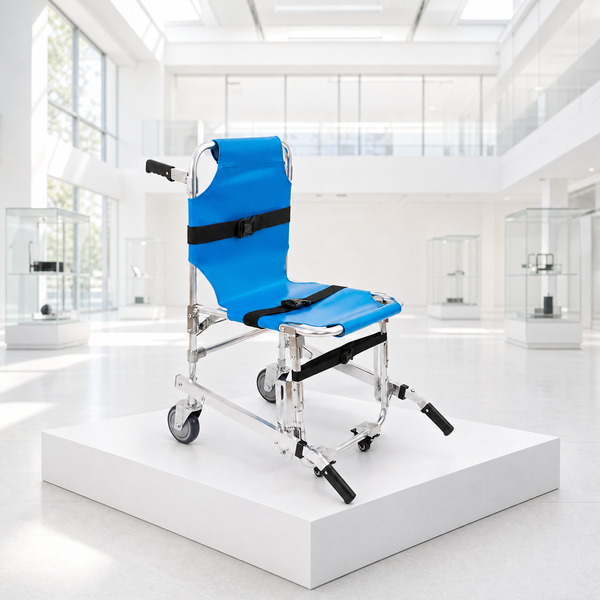
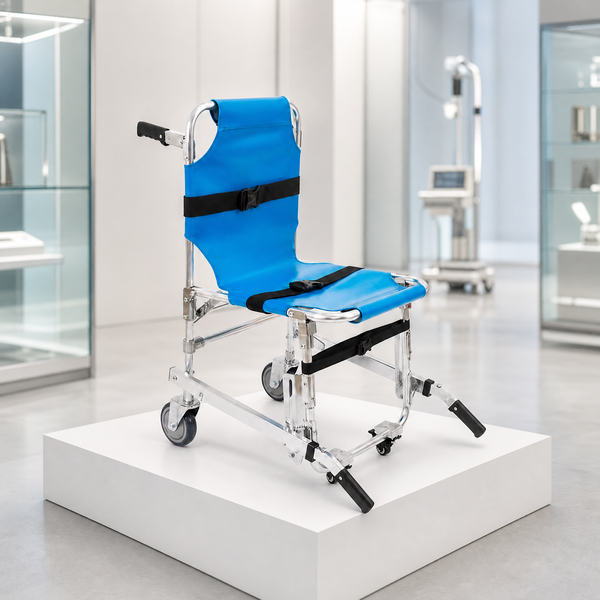
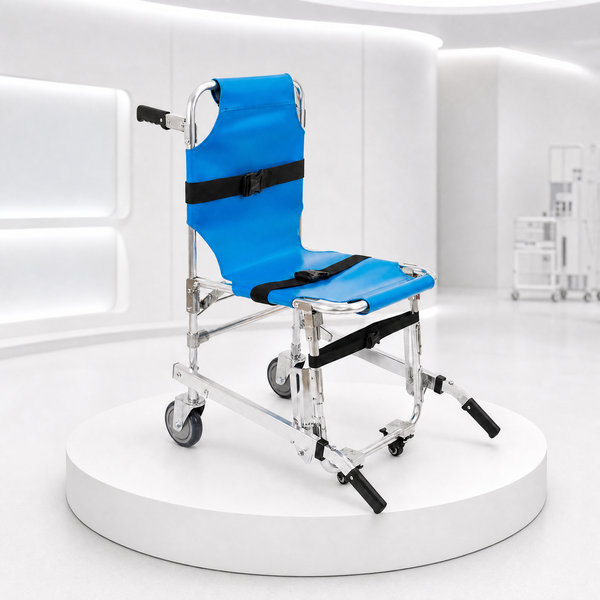
Key Considerations for Motorised Evacuation Chairs

Zhangjiagang Xiehe Import & Export Co., Ltd.

application/motorised-evacuation-chairs, application/motorised-evacuation-chairs, 
Inquiry
Inquiry

motorised evacuation chairs

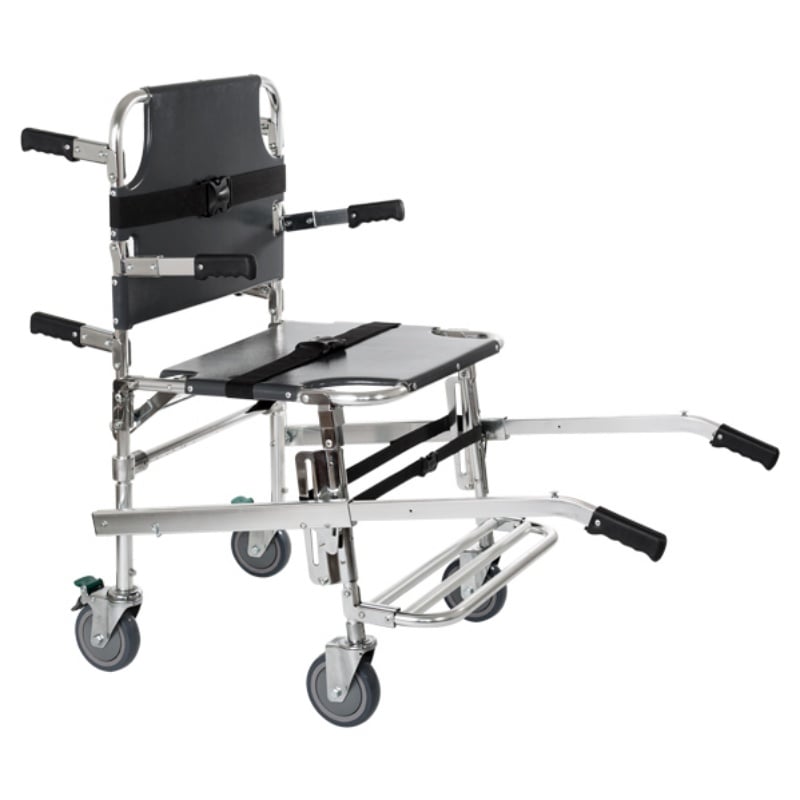
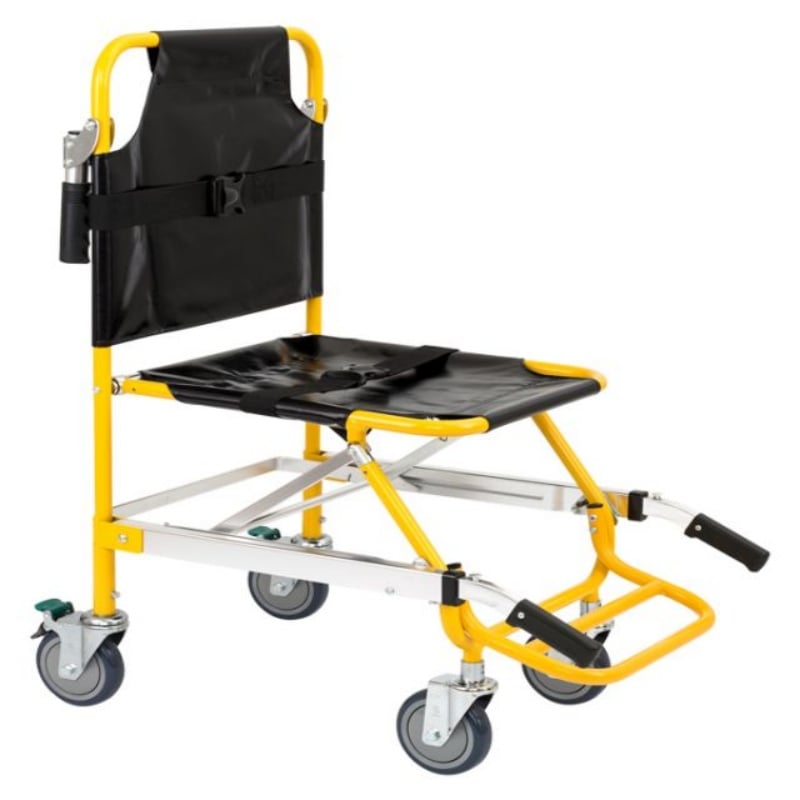
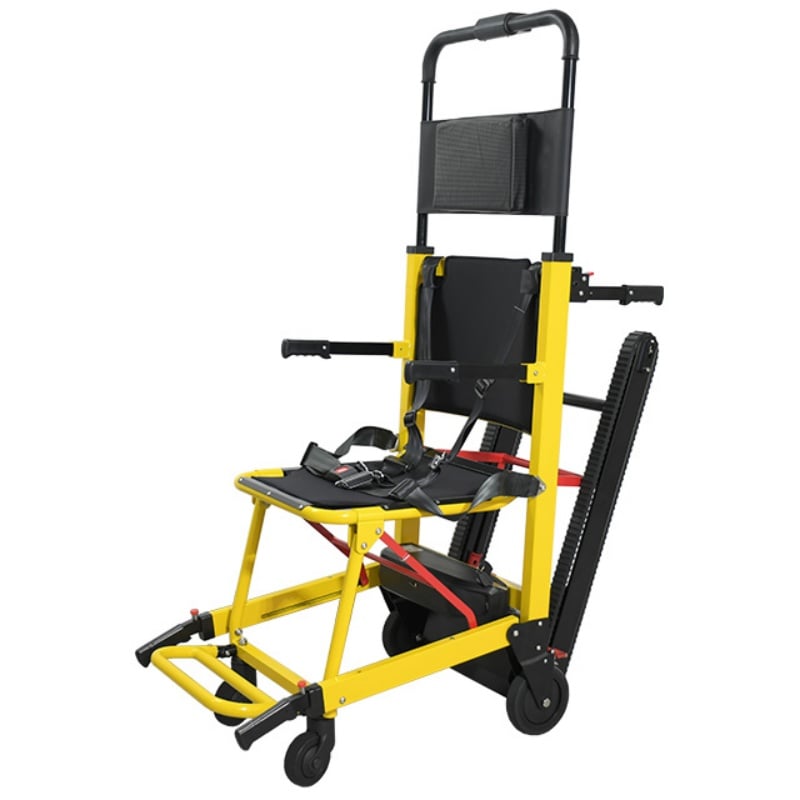
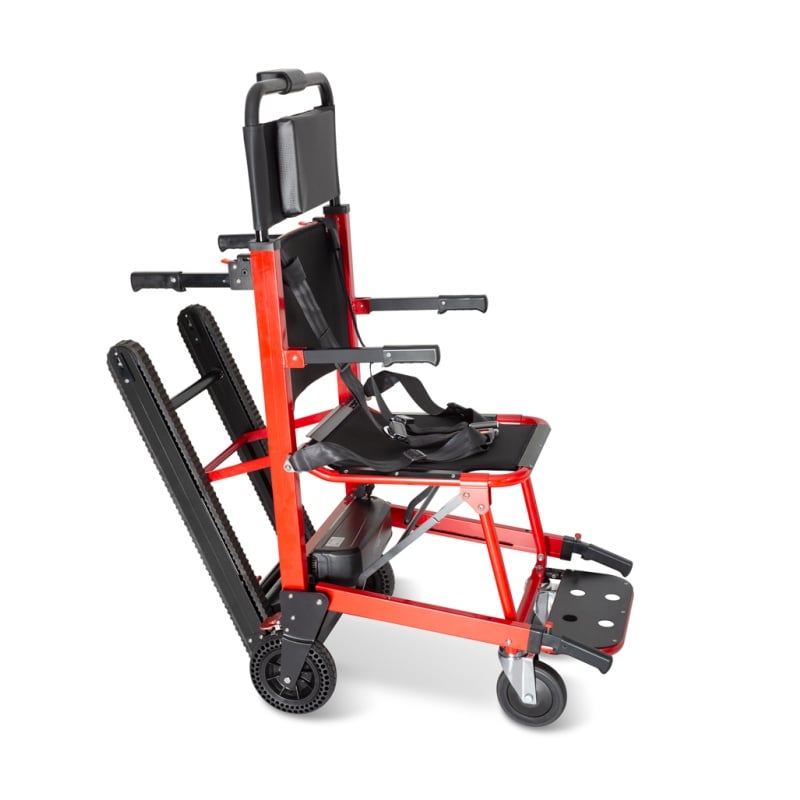
Motorised evacuation chairs are essential safety devices designed to  assist  individuals with mobility impairments during emergencies. These specialized  chairs  facilitate the rapid  and safe evacuation of  patients, especially in  environments like hospitals, nursing homes,  and  public  buildings. As a B2B buyer, understanding  the key  specifications, cost factors, potential  issues,  applications, and critical features of motorised evacuation  chairs will  help you make informed purchasing  decisions that  align with your organization's  safety protocols and operational needs.


Why choose XieHe motorised evacuation chairs

Key Specifications to Consider When Sourcing Motorised Evacuation Chairs

When sourcing motorised evacuation chairs, several key specifications should be taken  into account to  ensure their effectiveness and suitability  for your specific needs. These include:

Weight Capacity: It's crucial to choose chairs that  can support the maximum weight of the individuals they are intended to transport. Typical weight capacities range from 300 to 500  pounds, but this should be confirmed based on your expected  user demographic.

Dimensions: Consider the dimensions of the chairs, including their width and height, especially if they need to navigate through narrow hallways or doorways. The chair's folded  dimensions are also important for storage purposes.

Material: The construction material of the chair impacts durability and  ease of cleaning. Look for chairs made from high-strength aluminum  or steel frames  combined with easy-to-clean  upholstery that can  resist wear and tear.

Battery Life: For  motorised  chairs, battery capacity is a critical factor. Make sure to inquire about the average battery life  per charge and how long it  takes to recharge fully.

Safety  Features: Essential safety features include seatbelts, anti-tip designs, and brakes. Some chairs may also offer features like adjustable handles for better maneuverability or emergency braking systems.

Certification: Ensure that the chairs comply with relevant health  and safety regulations, such  as CE, FDA, or ISO certifications. This guarantees that they meet the necessary quality and safety  standards.

Understanding these specifications will help you evaluate different products effectively, ensuring that you select a chair that meets your operational requirements and safety standards. Additionally, you might want to explore various Funeral Home Products for a broader understanding of safety solutions.

Frequently Asked Questions

Our Blog Posts

What Our Partners Say

Understanding Cost Factors for Bulk Orders of Evacuation Chairs

Understanding Cost Factors for Bulk Orders of Evacuation Chairs

When considering bulk orders of motorised  evacuation chairs,  several  cost factors will influence the overall pricing:

Material and Construction: The  type of materials used  and the complexity of the construction will significantly affect the price. Higher-quality materials  may result in higher upfront costs but may offer better longevity and lower maintenance expenses.

Customization: Customized  features,  such as specific color options or additional safety enhancements, can increase  the overall cost. Be clear about your needs to get accurate quotations.

Quantity Discounts: Many manufacturers offer tiered pricing based  on the volume of the order. Inquire about bulk discounts, which can  lead to significant savings.

Shipping Costs: Factor in freight charges, especially  for large orders. Shipping fees can vary widely based on the delivery  location and  the shipping method chosen.

Lead  Time: If you require expedited production or delivery, be aware  that this may  come with additional costs. Discuss  timelines with your supplier to align with your operational needs.

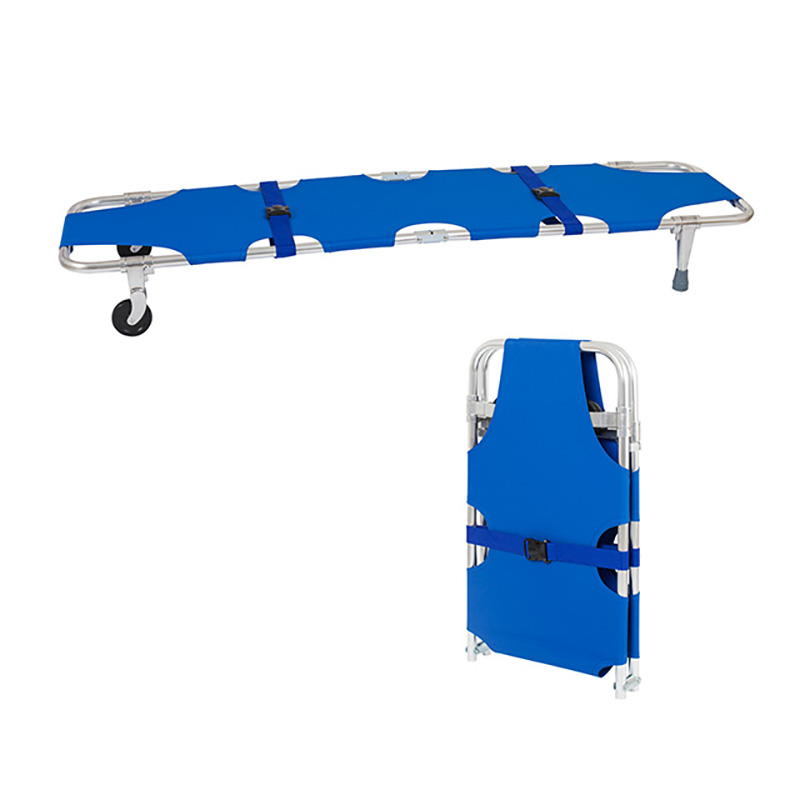
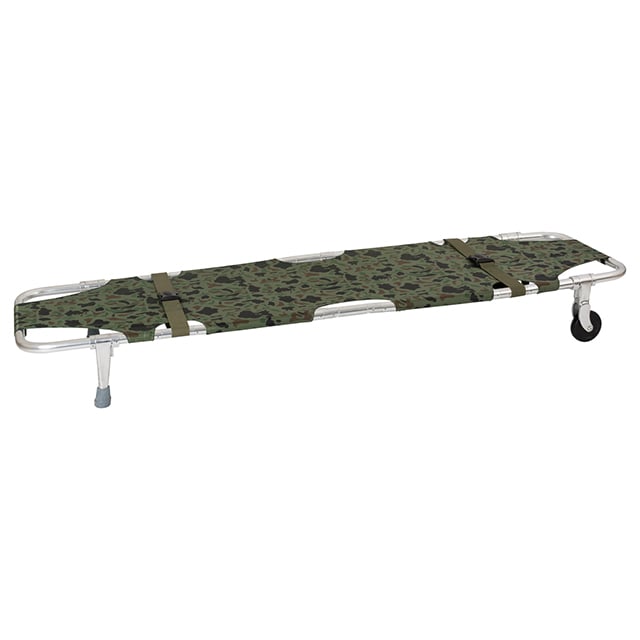
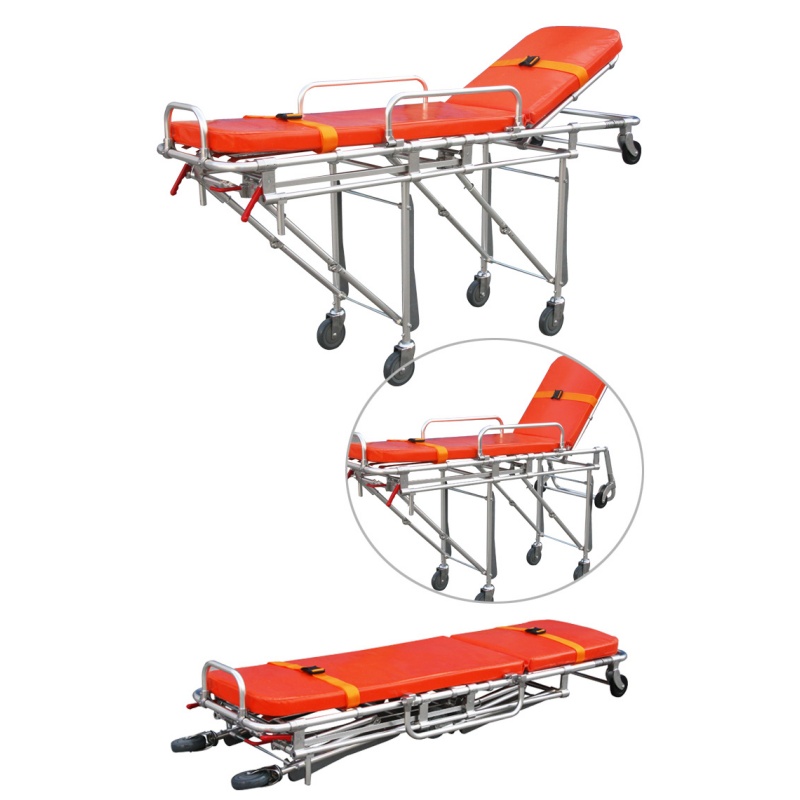
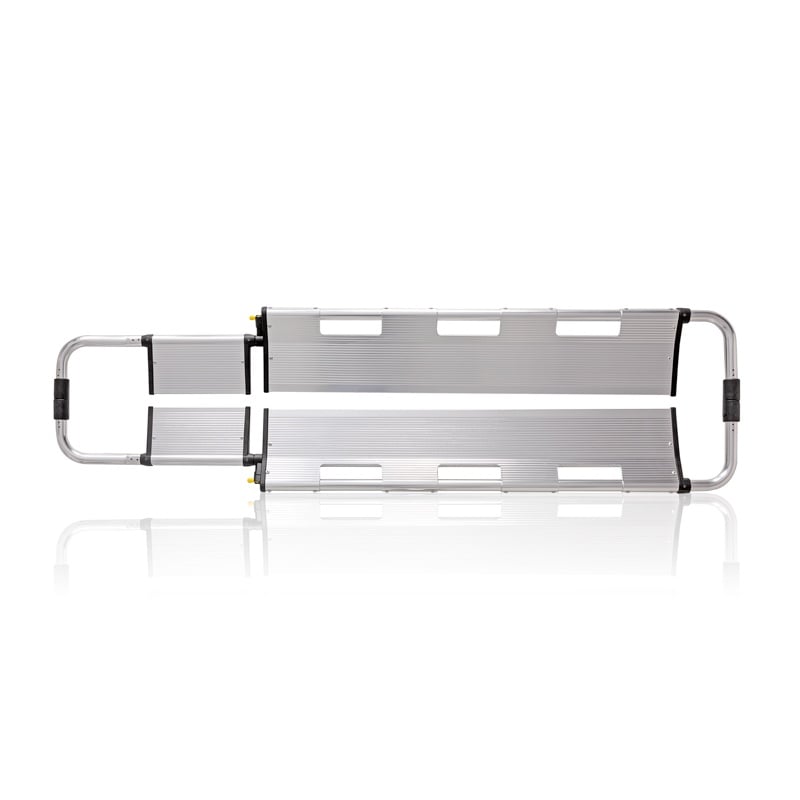
By understanding these cost factors,  you can better manage  your budget and negotiate effectively with suppliers. For organizations that deal with transportation, incorporating Stretcher solutions can be an essential part of your safety equipment.

Common Problems with Evacuation Chairs and Effective Solutions

Common Problems with Evacuation Chairs and Effective Solutions

Motorised  evacuation chairs  can encounter several common problems; however, proactive measures can mitigate  these issues:

Battery Failure: Battery life can be a concern, particularly if the chair is not charged regularly. Regular maintenance schedules  should include battery checks to  ensure optimal performance. Consider investing in backup battery options.

Mechanical Issues: Wear and tear on moving parts can lead to malfunctions.  Implement a  routine  inspection program to identify and address  issues before they become critical.

User Resistance: Some individuals may be hesitant to use evacuation chairs  due  to discomfort  or fear. Training and education about the benefits and safety  of using these chairs can help alleviate concerns and encourage proper usage.

Storage Space: Insufficient storage  space can hinder access to  evacuation chairs during an emergency.  Ensure that storage areas are easily accessible and that staff are trained to locate and deploy the chairs  swiftly.

By  addressing these common problems proactively, organizations can  enhance the  reliability and effectiveness of their evacuation procedures.

Exploring Applications of Motorised Evacuation Chairs in Various Settings

Exploring Applications of Motorised Evacuation Chairs in Various Settings

Motorised  evacuation chairs are versatile and can be  utilized  in several  settings, each  requiring specific considerations:

Healthcare Facilities: In  hospitals and nursing homes, motorised evacuation chairs are crucial for swiftly transporting patients during emergencies. They can also  be beneficial  in routine patient transfers, especially for those with mobility impairments.

Public  Buildings:  Government buildings, schools, and shopping centers should be equipped with motorised evacuation chairs to ensure compliance with safety regulations and to facilitate the evacuation of individuals with disabilities.


Event Venues: Large venues hosting events must  consider the safety of all attendees. Motorised evacuation chairs  can be deployed to assist individuals who may struggle to evacuate in a  timely manner, enhancing overall  safety.

Transport Services:  Transportation companies, especially those dealing with large  groups, should include  motorised evacuation chairs as  part of their safety equipment to accommodate passengers with mobility challenges.

By recognizing the various applications of these chairs, organizations can  enhance their emergency preparedness and ensure the safety of all individuals within their premises.

What to Look For

What to Look For

When selecting motorised evacuation chairs,  consider the following critical features to ensure you are making a well-informed decision:

Ease of Use: Look for chairs that are intuitive to operate, with simple controls that can be used by all staff members, regardless of their experience with evacuation equipment.

Transportability: Evaluate how  easy the  chair is to  maneuver, especially in tight spaces.  Features like lightweight construction and smooth-rolling wheels  can significantly enhance usability.

Durability: Assess the  durability of the evacuation chair against common wear factors. A chair designed for high-frequency use will need robust components and materials.

Maintenance Requirements: Inquire about the maintenance needs of the  chairs. Chairs that require minimal upkeep will save time  and reduce operational disruptions.

Warranty and Support: Understand the warranty terms and  the support offered by the  manufacturer. A strong  warranty and responsive customer service can be invaluable  in ensuring long-term satisfaction  with  the  purchase.

By focusing on these factors,  you can select motorised  evacuation chairs that not only meet  safety standards but also  provide long-term value and reliability for your organization.