Understanding Evacuation Chair Prices and Factors

Zhangjiagang Xiehe Import & Export Co., Ltd.

application/evacuation-chair-price, application/evacuation-chair-price, 
Inquiry
Inquiry

evacuation chair price

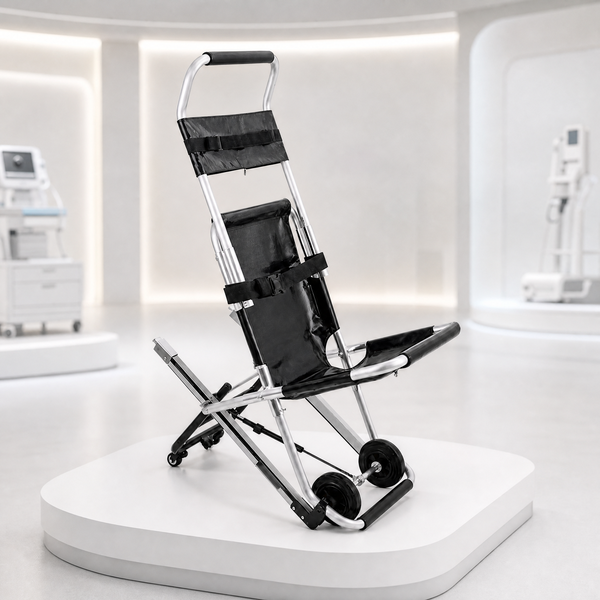
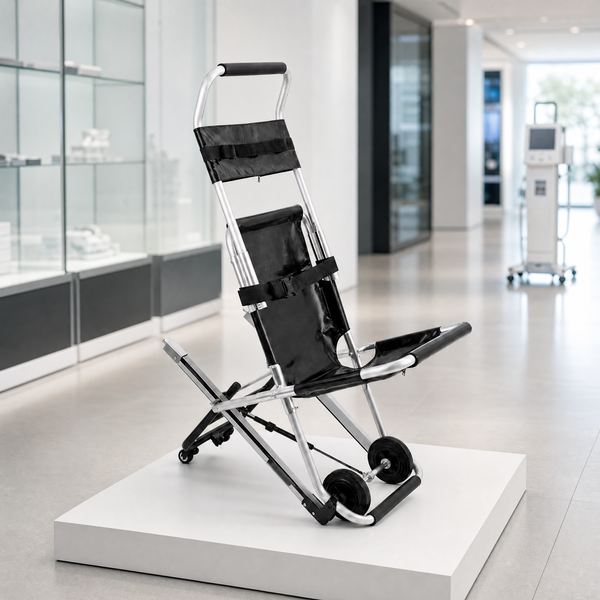
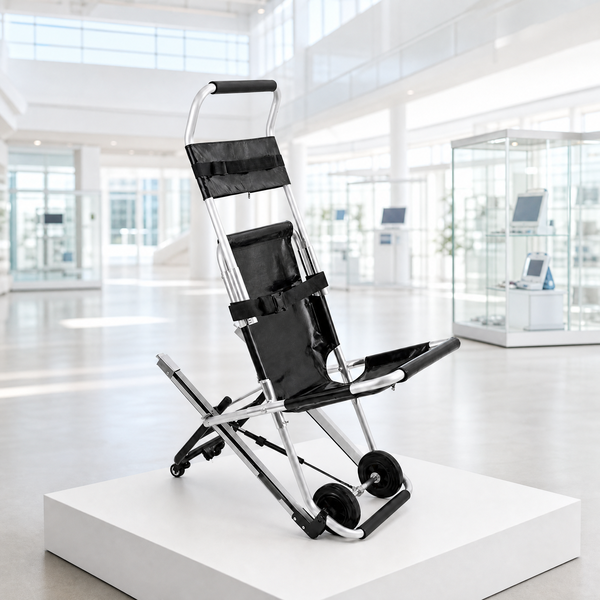
Evacuation  chairs are essential emergency response tools  designed for  the safe  transport of individuals who are unable to walk,  especially in situations  requiring quick evacuation from buildings or other  environments. Understanding evacuation chair  prices is crucial for purchasing  managers and distributors,  as they need to consider  not just the  cost but also the quality, safety, and compliance with standards. This  article will explore key factors  affecting evacuation chair pricing,  model  comparisons, installation guidance, common issues  and solutions, and effective application scenarios to help B2B  buyers  make informed decisions.


Why choose XieHe evacuation chair price

Our Products

Cost Factors Affecting Evacuation Chair Wholesale Pricing

Several factors  influence the wholesale pricing of evacuation chairs. Key elements include materials used in construction,  manufacturing processes,  and  the certifications held by the manufacturer.

Material Selection: Chairs made from high-strength aluminum or reinforced plastics often come at a premium due  to their durability and lightweight nature. Additionally, fabrics that are fire-retardant or medically approved may also significantly affect costs.


Certification and Compliance: Evacuation chairs must meet various  safety standards,  such as CE, FDA,  and ISO 13485. Manufacturers with these certifications often  have  higher production costs, which can be reflected  in the wholesale price.

Customization Options: Many suppliers, like Zhangjiagang Xiehe Import Export Co., Ltd., offer customization  options tailored to specific needs, such as color, branding, or additional features like integrated harnesses. Customization can add to the  base cost but may provide  enhanced functionality and branding opportunities. For example, models like the YXH-1H Folding Stretcher are popular choices among suppliers.

Order Quantity and  Lead Time: Bulk orders usually result in cost savings,  while smaller orders may incur higher per-unit prices. Additionally,  shorter lead times might command a premium due to expedited production processes.


Understanding these factors can  help buyers negotiate better prices and ensure they are getting value for their investment in evacuation chairs.

Frequently Asked Questions

Our Blog Posts

What Our Partners Say

Comparing Evacuation Chair Models for Quality and Performance

Comparing Evacuation Chair Models for Quality and Performance

When assessing different evacuation chair models, it's essential to  consider both quality and performance metrics. Key  specifications to compare  include:

Weight Capacity: Most evacuation chairs  have a specified  weight  limit that should  be aligned with the expected user demographic. Chairs  designed for 250 lbs  capacity may not be suitable for heavier individuals.


Dimensions and Portability: The dimensions of the chair, including its folded size, should be suitable for the intended storage location. Lightweight models like the YXH-5P Stair Stretcher are easier to maneuver, but ensure  they do not compromise  on sturdiness.

Safety Features: Look for models with safety belts, anti-slip surfaces, and easy-to-use braking systems. These  features enhance user safety and comfort during transportation.

Ease of Use: Evaluate the design for ease of operation, such as quick deployment mechanisms and intuitive  controls. Ideally, the chair should be operable by an untrained  individual in an emergency.

Durability: Inspect the materials for wear resistance and  whether they can withstand regular use  in high-stress environments. A well-constructed chair will reduce  the need for frequent replacements.

By comparing these factors  across various models, B2B buyers can select evacuation chairs that align  with their operational needs and budget constraints.

Installation Guidance for Your New Evacuation Chair

Installation Guidance for Your New Evacuation Chair

Proper installation of evacuation chairs is critical to ensure they  function effectively in emergencies. Here are  some practical  steps to follow:

Review Manufacturer Instructions:  Each model may have specific installation guidelines. It’s essential to read these  documents thoroughly to  avoid operational issues.

Choose Suitable Locations:  Install chairs in easily accessible locations,  ideally  near exits or  stairwells. Ensure that  they are visible  and labeled for quick identification during  emergencies.

Training Staff: Conduct training  sessions for staff on how to use the evacuation chairs properly. This training should  include carrying techniques and understanding safety features.

Regular Maintenance Checks: Schedule maintenance checks to ensure that the  chair remains  in good working condition. Inspect the safety features, fabric  integrity, and mechanical components regularly.

By following these guidelines, facilities can ensure their evacuation  chairs are ready for  immediate use when needed.

Common Problems with Evacuation Chairs and Their Solutions

Common Problems with Evacuation Chairs and Their Solutions

While evacuation chairs are designed for reliability,  users may encounter common issues. Here are some typical problems and suggested solutions:

Stiff Mechanisms: Over time, the chair's folding  or unfolding mechanisms may become  stiff. Regular lubrication can help maintain smooth operation.

Worn  Straps  or Belts: Safety straps can  wear out with frequent use. Regularly check  for fraying or damage,  and  replace them as needed to ensure user safety.

Incorrect Weight Handling:  If a chair is overloaded, it may not function correctly. Always adhere to the specified weight limits to prevent structural damage and ensure safety.

Storage  Issues: If the chair is not  stored properly, it may be difficult to access in an emergency. Ensure that  the storage area is  clear and that  the chair is easily  reachable.

Identifying  these common issues and  implementing proactive measures can significantly enhance the reliability  of  evacuation chairs during emergencies.

Application Scenarios for Effective Use of Evacuation Chairs

Application Scenarios for Effective Use of Evacuation Chairs

Evacuation chairs are versatile tools used  in various settings.  Here are some effective application scenarios:

Healthcare Facilities: Hospitals and clinics often use evacuation chairs to transport patients with mobility impairments during emergencies such as fires  or natural disasters.

Public Buildings:  Schools, shopping malls, and corporate offices are required to have evacuation plans in place. Having accessible evacuation chairs like the YXH-5M2 Stair Stretcher can facilitate  the safe exit of individuals with disabilities.

Event Venues: Concerts and sports arenas can benefit from evacuation chairs to ensure that all attendees, regardless of their mobility, can be safely evacuated in emergencies.

Residential  Buildings: Multi-story residential buildings,  especially those housing  elderly or  disabled individuals, should be equipped with evacuation chairs to enhance safety.

By  recognizing these application scenarios,  facility managers can better assess their evacuation needs and ensure compliance with safety regulations.

understanding evacuation chair prices involves more  than just the cost; it encompasses  quality, suitability for application,  and  effective installation. By considering  the  factors  discussed , B2B buyers can make  informed  decisions that align with their organizational needs and safety standards.