Essential Specifications for Sourcing Chair Lifts

Zhangjiagang Xiehe Import & Export Co., Ltd.

application/chair-lifts, application/chair-lifts, 
Inquiry
Inquiry

Chair lifts

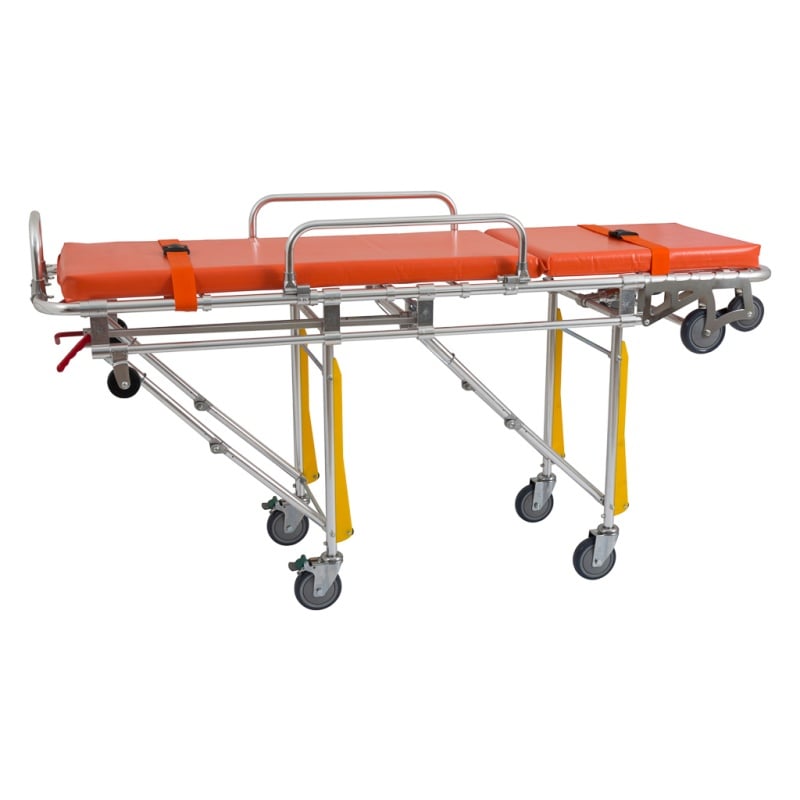
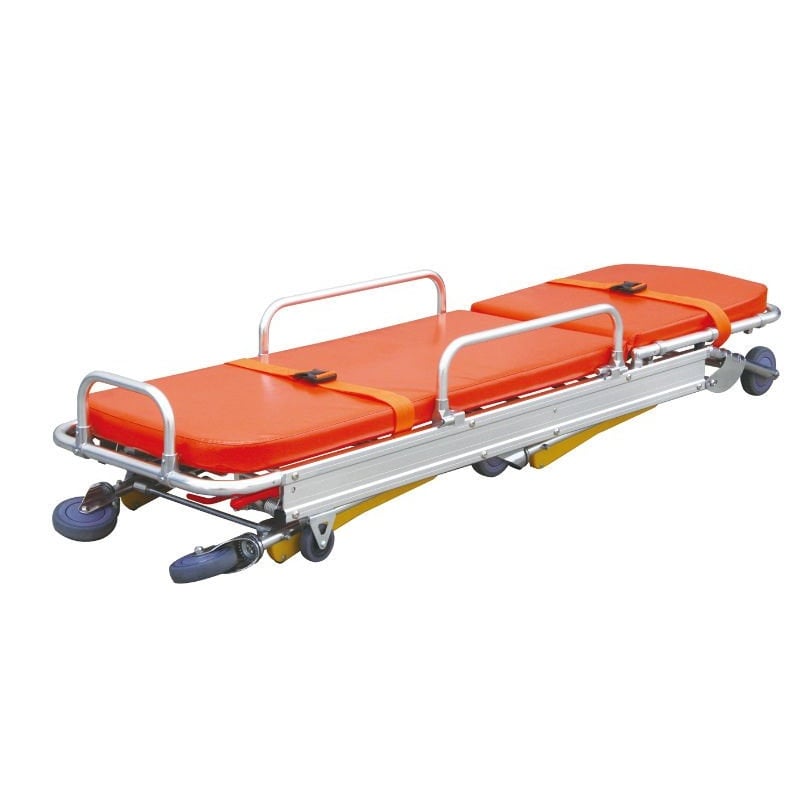
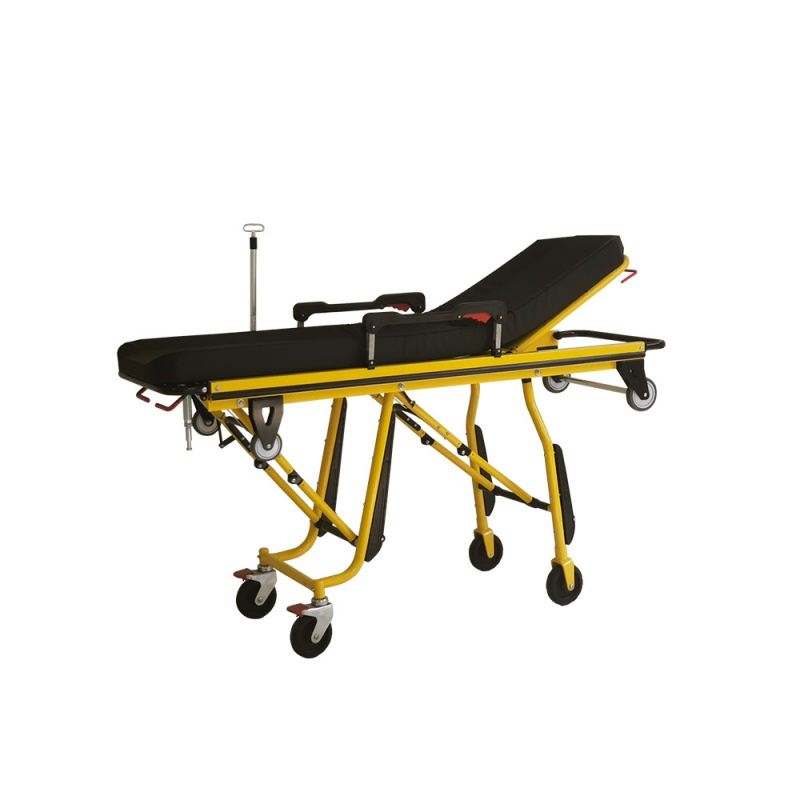
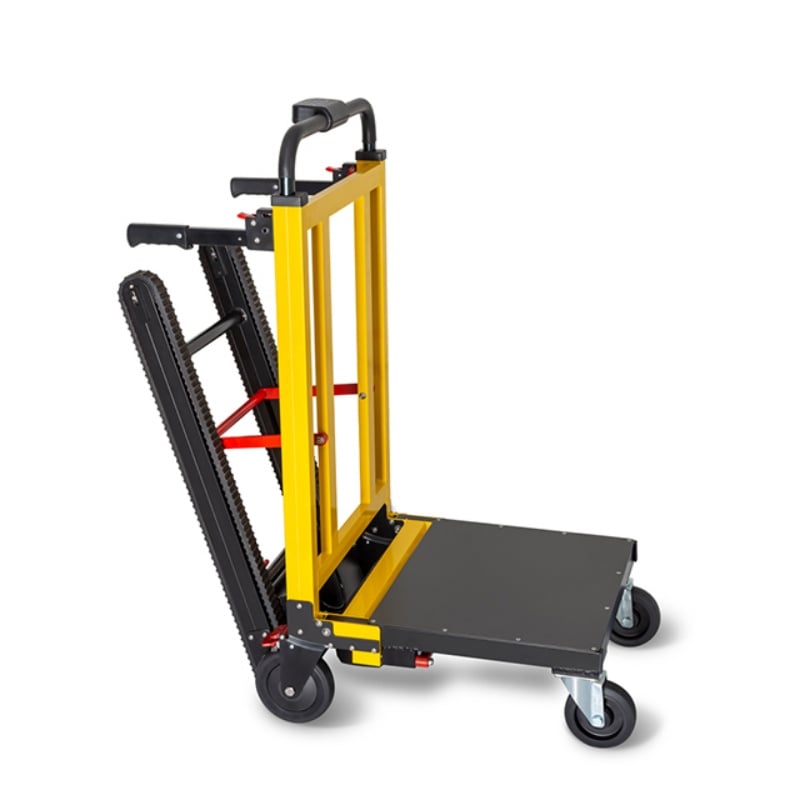
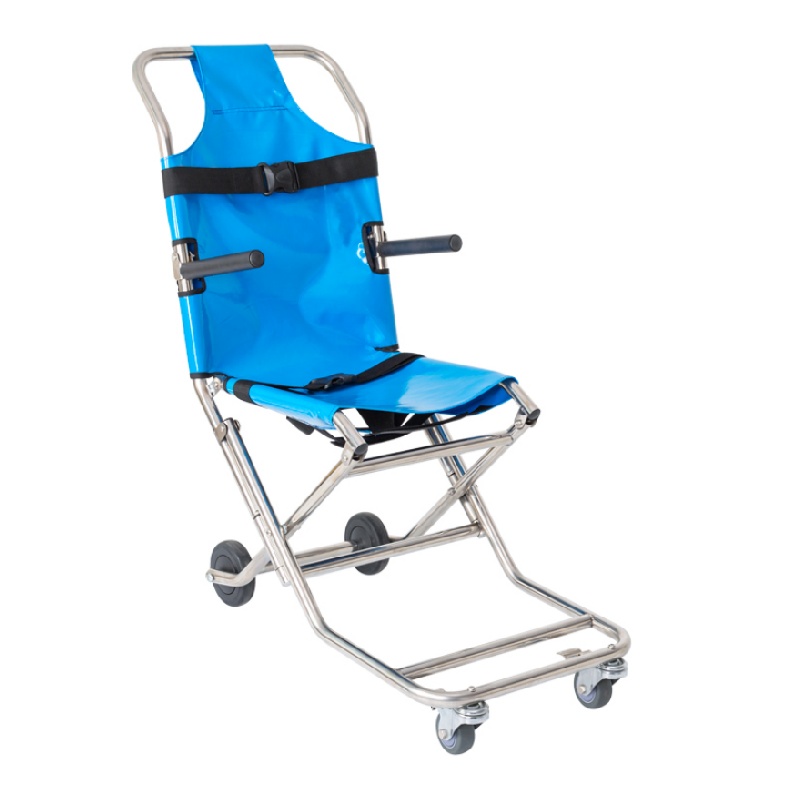
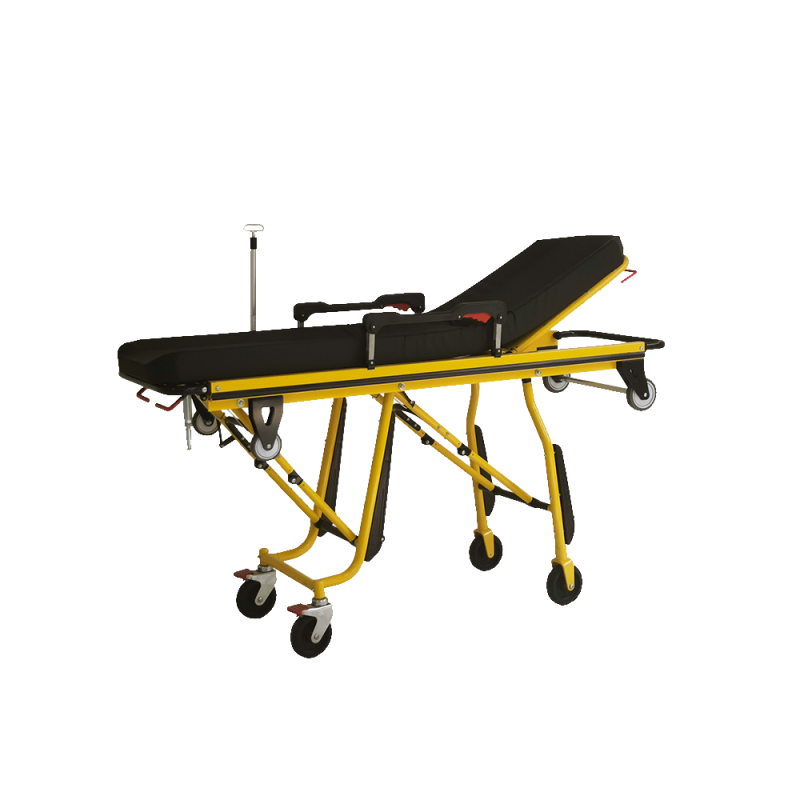
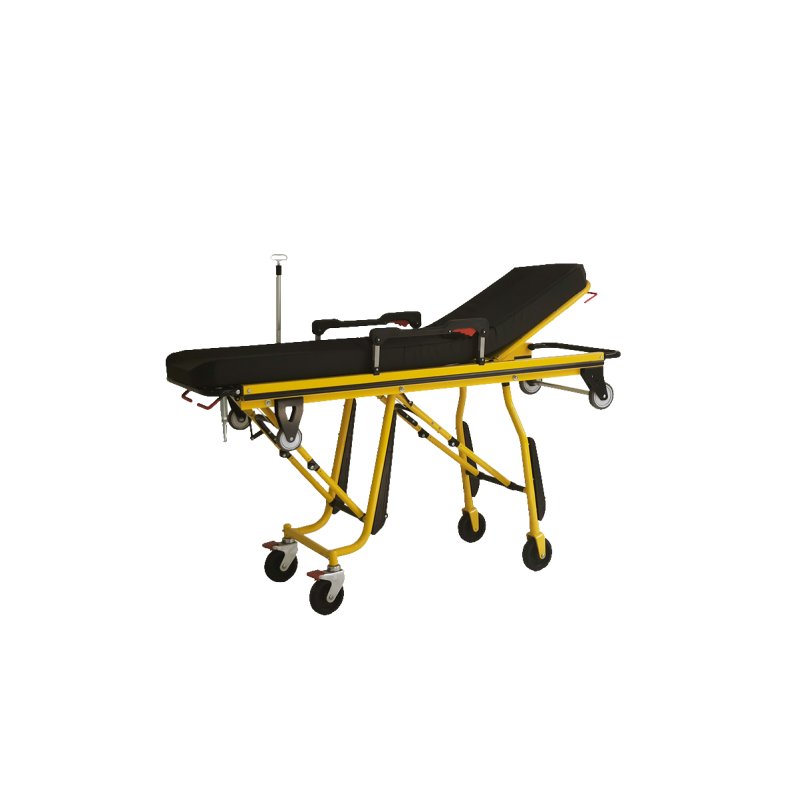
Chair lifts are essential devices used in various applications, particularly in healthcare and emergency settings, where they provide safe and efficient transportation of individuals who may have difficulty moving on their own. For purchasing managers, engineers, and product managers, understanding the specifications, best practices, and potential issues associated with chair lifts is crucial for making informed decisions. This article aims to guide B2B buyers through the critical aspects of sourcing chair lifts, ensuring they can confidently evaluate options that meet their specific needs. For instance, buyers looking for effective solutions can explore the YXH-5P Stair Stretcher for its robust design.

Why choose XieHe Chair lifts

Specifications to Consider When Sourcing Chair Lifts

When sourcing chair lifts, several key specifications should be thoroughly evaluated to ensure the product meets the intended application requirements: 

Weight Capacity: Understanding the maximum weight capacity is vital. The handicap chair lift must safely transport individuals of varying weights, and selecting a model with an adequate weight limit is essential for both safety and functionality. 

Dimensions: The dimensions of the chair lift, including seat width and height, must align with the space available for installation and the target user demographics. Buyers should verify that the measurements fit within the intended environment, such as narrow hallways or small rooms. 

Material Composition: The materials used in the construction of chair lifts can impact durability and maintenance. Common materials include aluminum for lightweight frames and high-strength plastics for seating. Buyers should consider the material's resistance to wear and tear, especially in high-use environments. 

Safety Features: Look for features such as seat belts, anti-slip surfaces, and emergency stop buttons. These elements enhance user safety and can significantly affect the decision-making process. 

Power Source: Chair lifts can be powered by electricity or battery. Understanding the power requirements, including the need for backup power in emergencies, is crucial for operational reliability. 

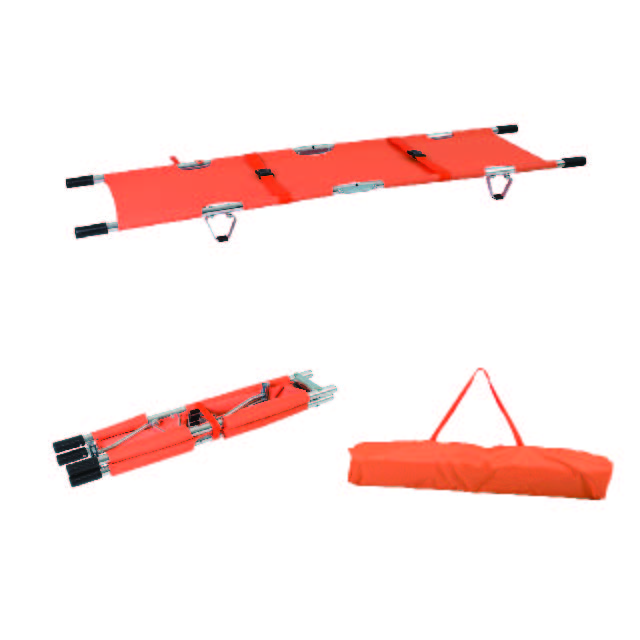
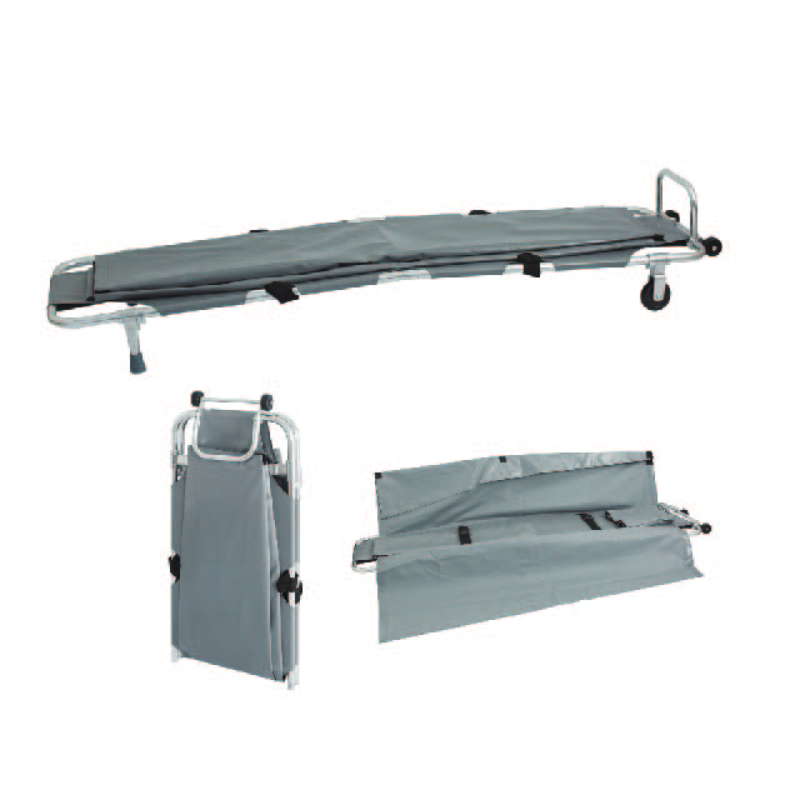
Customization Options: Many manufacturers, including Zhangjiagang Xiehe Import Export Co., Ltd., offer customization capabilities. Buyers should inquire about the possibility of tailoring designs to fit unique needs, such as specific color schemes or additional support features, similar to how the YXH-1H Folding Stretcher can be tailored for specific requirements. 

Frequently Asked Questions

What types of chair lifts do you offer?

We supply medical and hospital-grade chair lifts designed for patient transfer and rehabilitation, available in seated, standing-assist, and bariatric models. Custom options are offered to meet clinical needs.
Yes. Our chair lifts are produced under CE, FDA, and ISO 13485 quality systems, ensuring compliance with international medical device standards.
Yes. We provide customization for dimensions, weight capacity, upholstery, and accessories to fit hospital or emergency service requirements.
Lead time varies by model and customization but typically ranges from 4 to 8 weeks. Exact timing is confirmed upon order and depends on quantity and specifications.
Yes. We serve a global network and export to over 120 countries. We assist distributors with order logistics, documentation, and after-sales support.

Our Blog Posts

What Our Partners Say

Best Practices

Best Practices

To ensure a successful procurement process for chair lifts, buyers should adhere to the following best practices: 

Conduct Thorough Research: Evaluate multiple suppliers and compare their offerings. Look for manufacturers with a proven track record and relevant certifications, such as CE, FDA, and ISO 13485, which indicate compliance with international quality standards. 

Request Samples: Before placing a bulk order, request samples to assess the product's quality, functionality, and ease of use. Testing samples under actual operating conditions can reveal potential issues that may not be apparent from specifications alone. 

Engage in Dialogue: Communicate openly with suppliers about specific needs and concerns. Establishing a good relationship can lead to better support and more flexible solutions tailored to your requirements. 

Plan for Maintenance: Understand the maintenance requirements of electric chair lift for stairs, including potential wear points and necessary servicing intervals. This will help ensure longevity and reliability in the operational environment.


Common Problems with Chair Lifts and Effective Solutions

Common Problems with Chair Lifts and Effective Solutions

While chair lifts are designed for efficiency, users may encounter several common problems. Understanding these issues and their solutions can enhance user experience: 

Mechanical Failures: Mechanical components may wear over time, causing failures. Regular maintenance and inspections are vital to identifying wear and ensuring timely repairs. 

Power Issues: For electrically powered chair lifts, power supply interruptions can cause operational challenges. Implementing a backup power system can mitigate this risk, ensuring functionality during power outages. 

What Buyers Should Know

What Buyers Should Know

When preparing to purchase chair lifts, buyers should keep in mind the following key considerations: 

Request Detailed Quotations: When reaching out to suppliers, provide comprehensive information about required specifications, application context, and expected volumes. This allows suppliers to provide accurate pricing and lead times. 


Understanding Material Advantages in Chair Lift Manufacturing

The choice of materials used in chair lift manufacturing plays a crucial role in the performance, durability, and safety of the product. Here are some key material considerations:  

Aluminum 

Aluminum provides an exceptional strength-to-weight ratio, making it an ideal choice for reducing overall structural load without compromising load-bearing capacity. Its natural corrosion resistance ensures long-term weatherproofing against rain, snow, and extreme temperature fluctuations, which significantly lowers routine maintenance requirements. Additionally, high-tensile aluminum alloys allow for precision engineering, smooth weldability, and enhanced energy efficiency during operation. Incorporating corrosion-resistant anodized finishes or protective powder coatings further extends equipment lifespan, ensuring that manufactured chair lifts maintain structural integrity, deliver smooth passenger transport, and meet rigorous international safety standards across demanding outdoor environments.