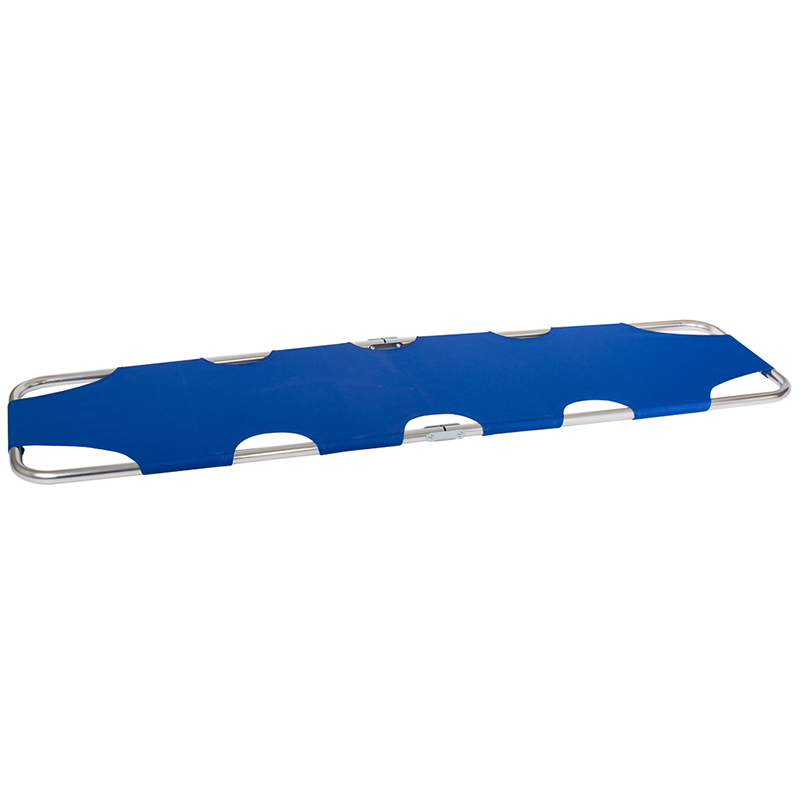
Chairlifts for Stairs: Essential Installation Guidance

Zhangjiagang Xiehe Import & Export Co., Ltd.

application/chairlifts-for-stairs, application/chairlifts-for-stairs, 
Inquiry
Inquiry

chairlifts for stairs

Chairlifts for  stairs are essential mobility solutions that help  individuals navigate multi-level  buildings with ease and safety. For B2B  buyers, such  as purchasing managers and distributors,  selecting the  right chairlift  involves  understanding specifications, installation requirements, and material advantages.  This  article aims  to guide  decision-makers  through key considerations when evaluating  chairlifts for  stairs, ensuring that they make informed  purchasing  choices that  align with their operational needs.


Why choose XieHe chairlifts for stairs

Installation Guidance for Chairlifts for Stairs in Residential Settings

When installing chairlifts for stairs in residential  settings, it’s crucial to consider the layout  and specific needs of the user. The  installation process generally begins with a thorough assessment of the staircase dimensions, including width, angle, and any obstructions that  may  affect the chairlift's operation. Buyers should ensure  that  the  installation site is prepared to accommodate the chairlift’s power supply and any necessary safety features. It is also advisable to involve professional installers  who  are familiar with the manufacturer's specifications and installation protocols. This  helps to  ensure that  the chairlift is mounted securely and functions correctly, minimizing the  risk of  operational issues or  safety hazards.


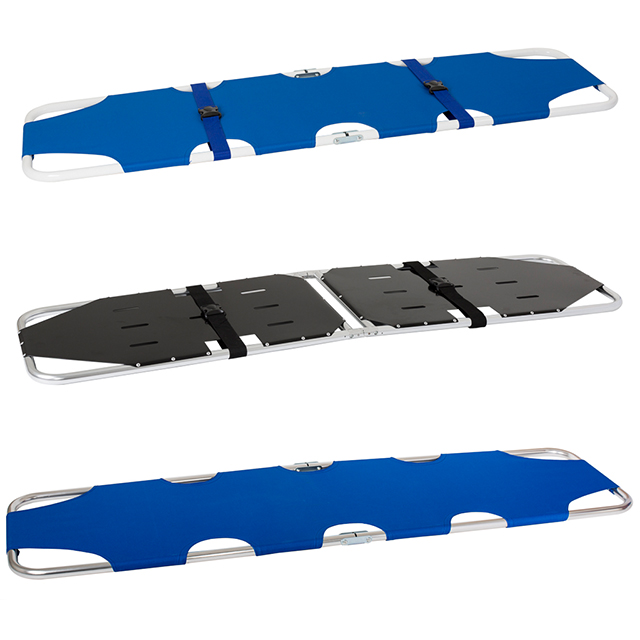
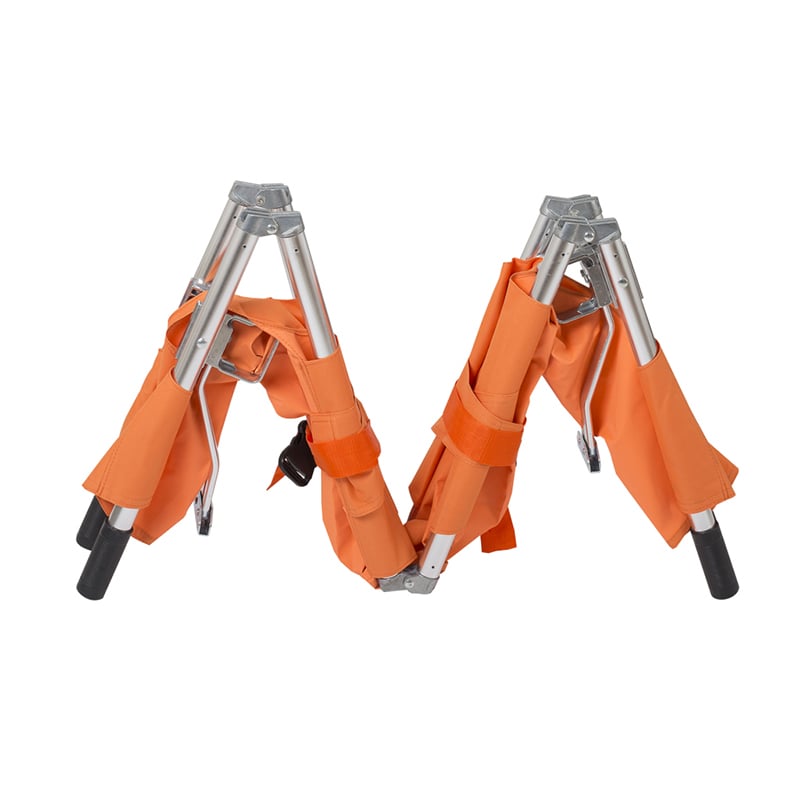
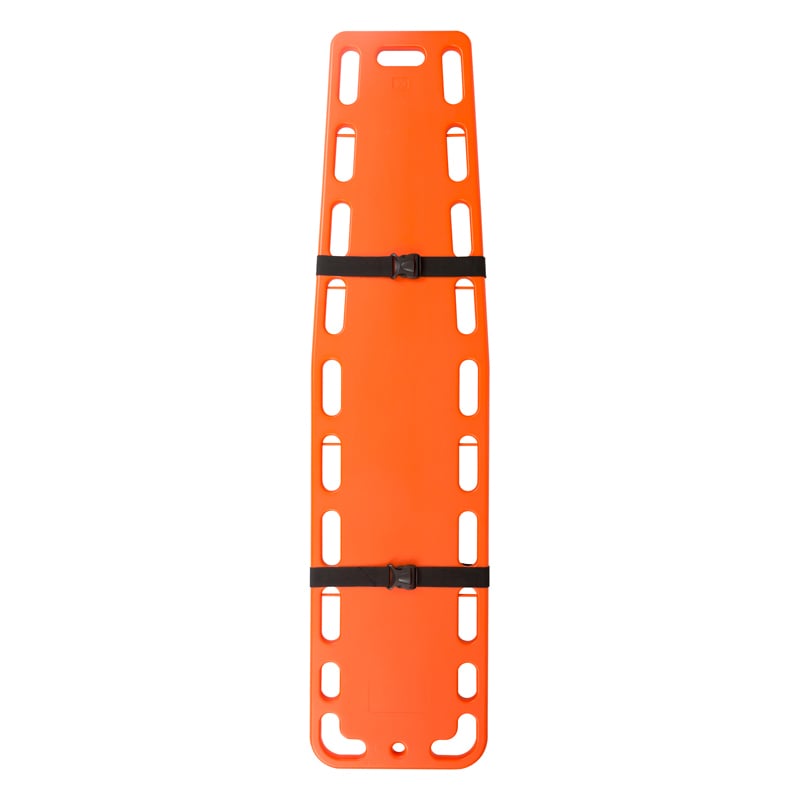
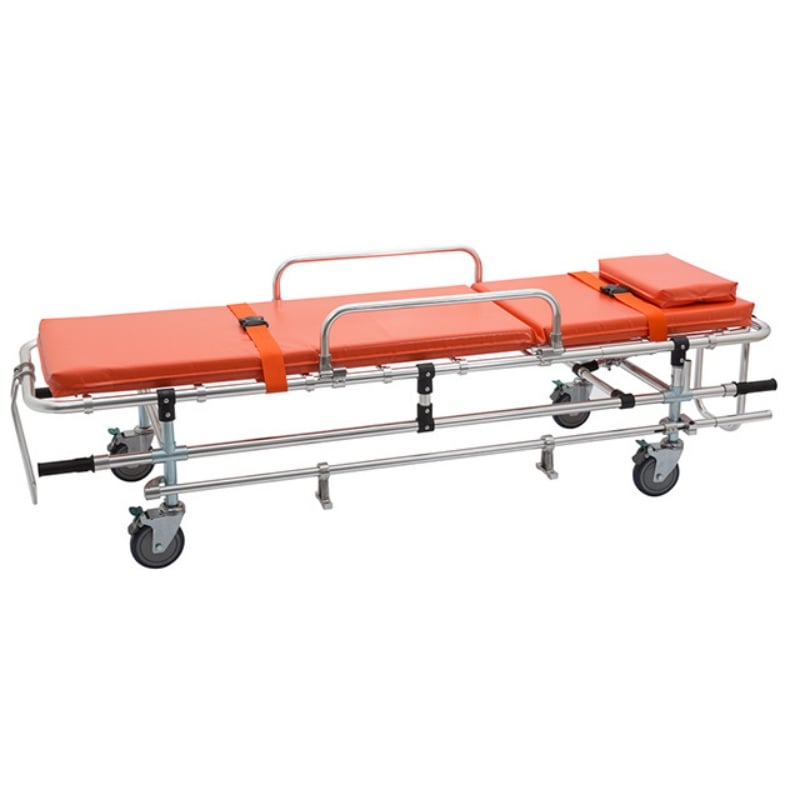
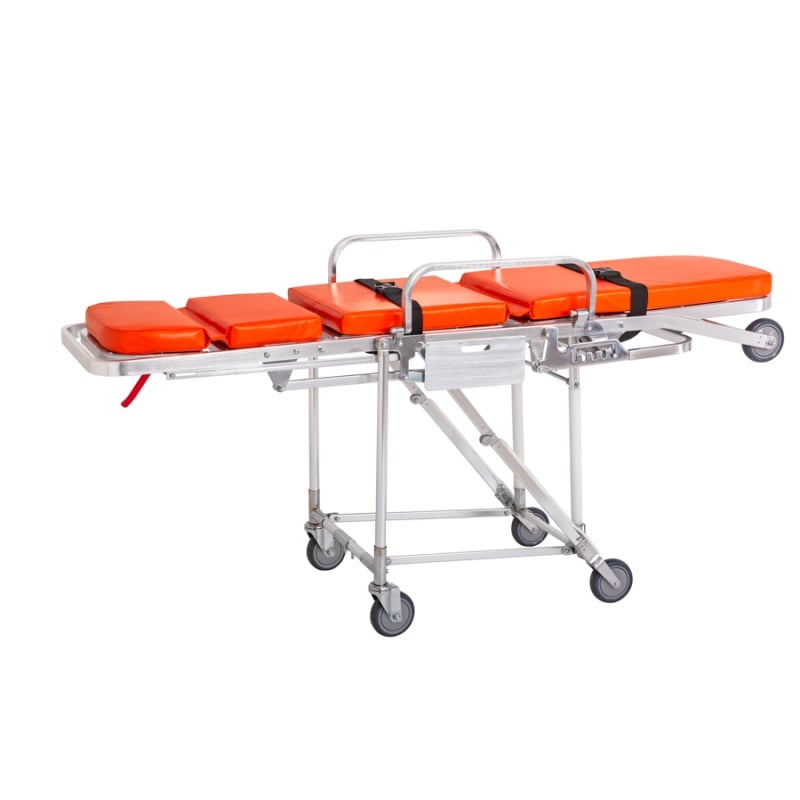
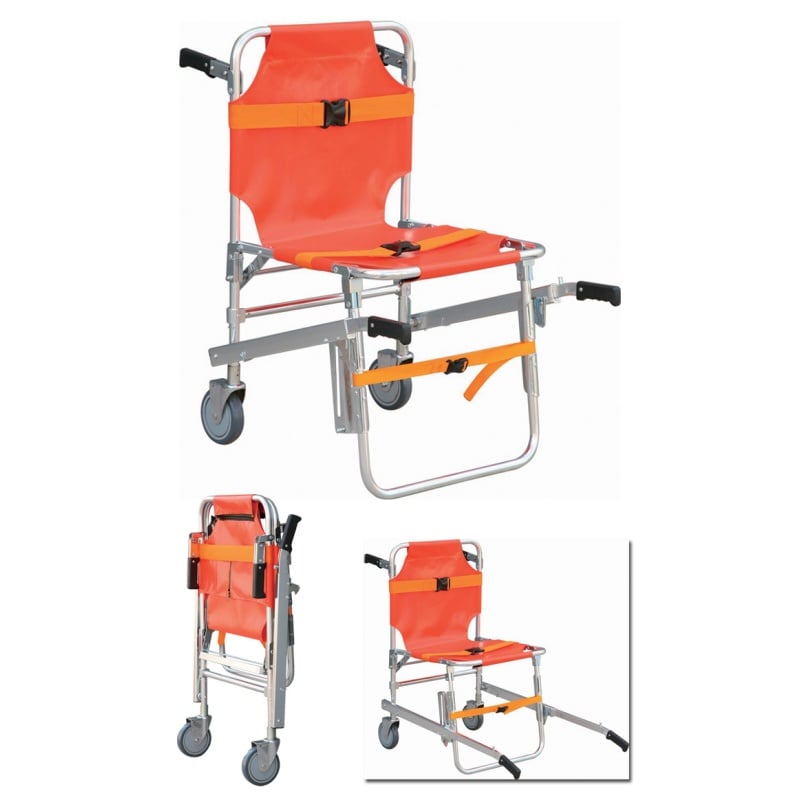
Moreover, potential buyers should inquire about the availability  of installation support from suppliers, as a trusted partner  can provide insights on installation best practices  and necessary adjustments that may arise during the process. For instance, choosing a reliable model like the YXH-5P Stair Stretcher can also be beneficial for effective installation in various settings.

Frequently Asked Questions

Our Blog Posts

What Our Partners Say

Comparing Material Advantages of Chairlifts for Stairs Solutions

Comparing Material Advantages of Chairlifts for Stairs Solutions

The materials used  in the  construction of  chairlifts for stairs significantly impact their durability, weight capacity, and overall performance. Common materials include aluminum, steel, and reinforced plastics,  each offering distinct advantages.

Aluminum: Known for  its  lightweight and corrosion-resistant  properties, aluminum is  often used in the frames of chairlifts. This material provides excellent strength-to-weight  ratios, making it a popular choice for residential applications where ease of handling is essential.

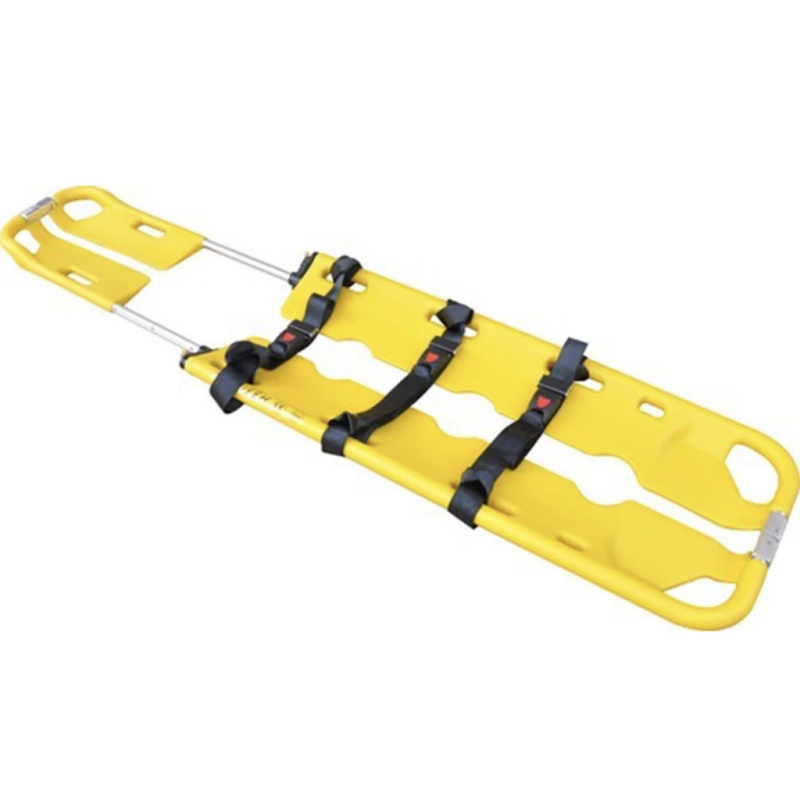
Steel: For higher weight capacities, steel is frequently utilized. It is heavier than aluminum but offers superior strength, making it ideal for commercial applications or environments where frequent use is anticipated. Models like the YXH-5N Stair Stretcher exemplify this strength.


Reinforced Plastics: Used in non-structural components, reinforced plastics can provide  weather resistance and aesthetic flexibility. This  can be particularly advantageous for outdoor  installations or  environments where appearance is a concern.

When selecting materials, buyers should  consider the expected load, environmental conditions, and the specific application of  the  chairlift. Each  material's  properties can influence not just performance but also maintenance requirements and longevity.

Common Problems with Chairlifts for Stairs and Effective Solutions

Common Problems with Chairlifts for Stairs and Effective Solutions

While chairlifts for stairs are  designed for reliability, users may encounter  several common issues. Understanding these problems and their solutions can aid buyers in making informed decisions and preparing for potential maintenance needs.

Power Supply  Issues: One typical problem is  a loss of power,  which  can  prevent the  chairlift from operating. Buyers should confirm the  power requirements and consider models with  battery backup options to ensure functionality during power  outages.

Mechanical Failures: Regular inspections  can help identify wear and  tear  on critical components such as belts and motors. Engaging with  suppliers who offer comprehensive maintenance programs or warranties can mitigate long-term costs  associated with repairs.

User Error: Misuse can lead to accidents or operational failures. Training for end-users on how to operate the chairlift safely is  essential.  Suppliers that provide user manuals and training can enhance user confidence and safety.

By addressing these common problems proactively, buyers can  ensure that their chairlift investment remains reliable and effective over time.

Applications of Chairlifts for Stairs in Various Environments and Industries

Applications of Chairlifts for Stairs in Various Environments and Industries

Chairlifts for  stairs have versatile applications across various environments, enhancing accessibility for individuals in both residential and commercial  settings.

Residential Use: In homes, they provide essential  support  for individuals with mobility challenges, allowing them to access different levels of their residences independently. 

Healthcare Facilities: Hospitals and clinics utilize chairlifts to facilitate patient transport between floors, particularly for patients with  limited mobility. Customization options  can be explored to meet specific safety standards in medical environments. The YXH-1H Folding Stretcher is an example of a product tailored for healthcare applications.

Commercial Properties: In offices or public buildings, chairlifts enhance accessibility compliance with regulations such  as the  Americans with  Disabilities Act (ADA).  A well-designed chairlift can integrate seamlessly into the building’s architecture while improving  overall safety and mobility.

Educational  Institutions: Schools and universities implement  chairlifts to ensure that  all students have equal access  to facilities. This not only promotes inclusivity but also  enhances the institution's reputation as a supportive environment.

Understanding the specific application of  chairlifts can help buyers select models  that are tailored to their needs,  ensuring optimal performance and user satisfaction.

Where to Find Trusted Suppliers of Chairlifts for Stairs Globally

Where to Find Trusted Suppliers of Chairlifts for Stairs Globally

Selecting a reliable supplier for  chairlifts for stairs is  crucial for ensuring  quality and service. Buyers should consider several factors when evaluating potential suppliers:

Certifications  and Standards: Look for suppliers that hold relevant certifications such as CE, FDA,  and ISO 13485, which indicate adherence  to international safety  and quality standards. These certifications can provide  assurance of  the product's reliability and safety.

Customization Capabilities: Suppliers that offer customization options can better cater to specific requirements, such as design, size, and load capacity. This can be particularly  important for unique architectural  features in a  building.

Global Reach and  Support:  Working with suppliers who have a global distribution network can facilitate easier access to parts and  service, reducing lead times  and potential delays.

Customer Reviews and Case Studies: Evaluating customer feedback and case studies can provide insights into the supplier's reliability and the performance of  their chairlifts in real-world applications.

By conducting thorough research and engaging with multiple suppliers, buyers can find trusted partners that align with their operational needs and  quality  expectations.