Home Chair Lifts: Key Specifications and Sourcing

Zhangjiagang Xiehe Import & Export Co., Ltd.

application/home-chair-lift, application/home-chair-lift, 
Inquiry
Inquiry

home chair lift

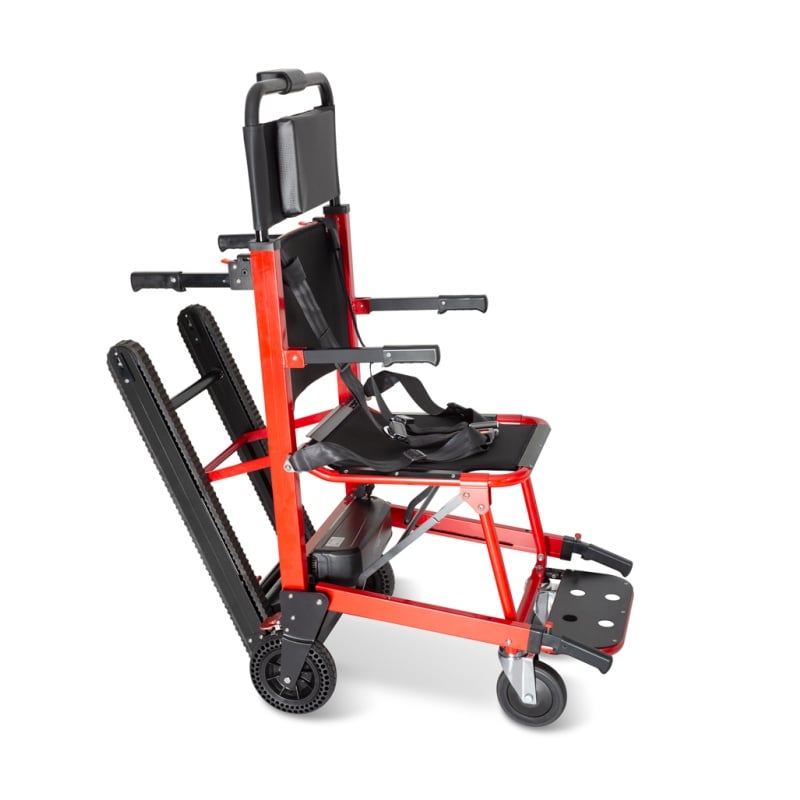
Home  chair lifts are essential  devices designed  to assist individuals  with mobility challenges  in  navigating between different levels of their homes. These products not only offer  a practical solution  for  enhancing accessibility but also contribute to the overall  safety and comfort of users. For B2B buyers, including purchasing managers and distributors, understanding the  key specifications, quality control  measures, and sourcing  options for  home  chair lifts  is  crucial when evaluating suppliers. This article will  provide insights into these  aspects, helping you make informed  purchasing decisions.  For a range of related products, you might also want to explore Funeral Home Products.

Why choose XieHe home chair lift

Key Specifications to Look for in Home Chair Lifts

When selecting a home chair lift, several key specifications should be evaluated to ensure the product meets safety and  functionality  standards. Weight capacity  is  paramount; it must accommodate the maximum weight  of  the intended user.  Most models can support between 250 to 400  pounds, but it's critical to confirm  this based  on user requirements.

Dimensions  are also vital. Measure the space where the  chair lift will be installed to  ensure it fits properly, considering both the chair's dimensions and  the staircase's width. Additionally, the slope degree of the stairs must be compatible with the chair lift's operating range.

Speed and travel distance are other important factors. A chair lift should provide a comfortable  speed, typically around 10 to 20 feet per minute, and the travel distance  must cover the full height  of the stairs without any issues.  Consider also the Stair Solution for additional options in enhancing accessibility.

Finally, consider safety features, such as seat belts, obstruction sensors, and emergency brakes. These elements are essential for  user safety  and should be  verified during product evaluations.

Frequently Asked Questions

Our Blog Posts

What Our Partners Say

Quality Control Measures in Home Chair Lift Manufacturing

Quality Control Measures in Home Chair Lift Manufacturing

Quality control is critical in the  manufacturing of  home chair lifts, as it directly impacts the safety and reliability of the product. A comprehensive quality  control process typically includes multiple stages:

Raw Material Inspection: Before production begins, manufacturers should inspect raw materials to ensure they meet specified standards. For chair lifts, materials like high-strength steel and durable plastics are common, and their quality can affect overall  performance.

In-Process Testing: During manufacturing,  components  should undergo  in-process testing to verify dimensions, structural integrity, and compliance  with safety standards. For instance, welds and joints  must be tested for strength  to prevent failures during use.

Final Product Testing: After assembly, each chair lift should be tested under real-world  conditions to ensure  it meets performance criteria. This includes testing weight capacity, speed, and safety  features.

Certification Compliance: Look for manufacturers that adhere to international certifications,  such as  CE,  FDA, and ISO 13485, which indicate a  commitment to quality and safety standards in production.

By prioritizing  these quality control measures, manufacturers can ensure that their home chair lifts are safe, reliable, and  compliant with  regulatory standards.

Where to Source Reliable Home Chair Lifts Wholesale

Where to Source Reliable Home Chair Lifts Wholesale

Finding a reliable source for home chair  lifts involves evaluating potential  suppliers based  on several criteria. Start by  considering  manufacturers with a proven track record in producing medical and mobility equipment. Companies like  Zhangjiagang  Xiehe Import & Export Co., Ltd. offer a range of certified products, ensuring compliance with international  standards.

Next, assess the manufacturing capabilities  of  potential suppliers. Look for companies that can  provide customization options, as  this allows you to cater to specific market needs. Ask about  their production  capacity and whether they can meet your order volumes within acceptable lead times.

Additionally, it's beneficial to request product samples  to assess quality firsthand. This will allow you to test the chair lift for  comfort, safety, and functionality before committing to a larger order.

Lastly, consider the supplier's geographical reach. A  manufacturer with a  robust export network, like Xiehe, can facilitate shipping logistics and provide better support  for international clients.

Cost Factors to Consider When Purchasing Home Chair Lifts

Cost Factors to Consider When Purchasing Home Chair Lifts

Several cost factors influence  pricing  when purchasing home chair lifts. First,  the base  price  of the  lift is affected by  features like weight capacity, speed, and custom options. Higher-capacity lifts or those  with  advanced safety features typically  command higher prices.

Material costs  also play a significant role. The choice  of  materials not only affects durability but also impacts manufacturing costs. For example, a lift made from  high-grade steel will generally be more expensive than one made from lower-quality materials.

Shipping and handling costs  should not be overlooked, especially if sourcing from international suppliers. Be  sure to  factor in these costs when budgeting for your purchase.

Lastly,  consider the total cost of ownership, which includes maintenance and potential repairs. Investing in  a higher-quality chair lift may initially seem  more expensive but can  lead to savings in long-term maintenance  and  increased user satisfaction.

The Advantages of Materials Used in Home Chair Lifts

The Advantages of Materials Used in Home Chair Lifts

The choice of materials in home chair  lifts significantly affects their performance, durability, and safety. High-strength  steel is commonly used for frame construction due to  its excellent tensile  strength and resistance to deformation. This material can support higher weight capacities while maintaining structural integrity.

Additionally, aluminum is often employed for its lightweight characteristics, making installations easier and reducing overall energy consumption. Aluminum's resistance to  corrosion  can  also extend the lifespan  of outdoor models.

Upholstery materials  are  equally  important. High-quality, durable  fabrics or vinyl are preferred for  comfort and ease of cleaning. These materials can withstand wear and  tear while providing a pleasant user experience.

Finally, the use of advanced plastic composites in  non-structural components can  reduce weight without compromising safety. These materials are often UV resistant  and can maintain their appearance over time, which is beneficial for products used in varying environmental conditions.

When sourcing home chair lifts, ensure that the materials used align with your  specific application  requirements and user preferences.

By understanding these key  aspects of home chair lifts, B2B buyers can make informed decisions, ensuring they  select products that meet the needs of their clients while maintaining high standards of safety and quality.