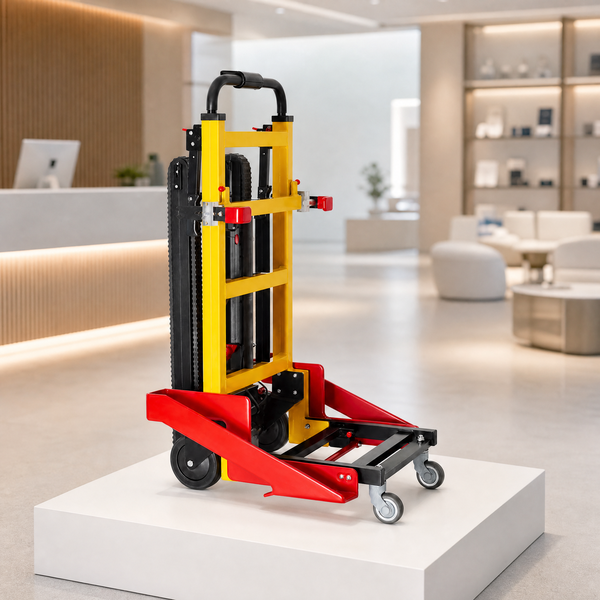
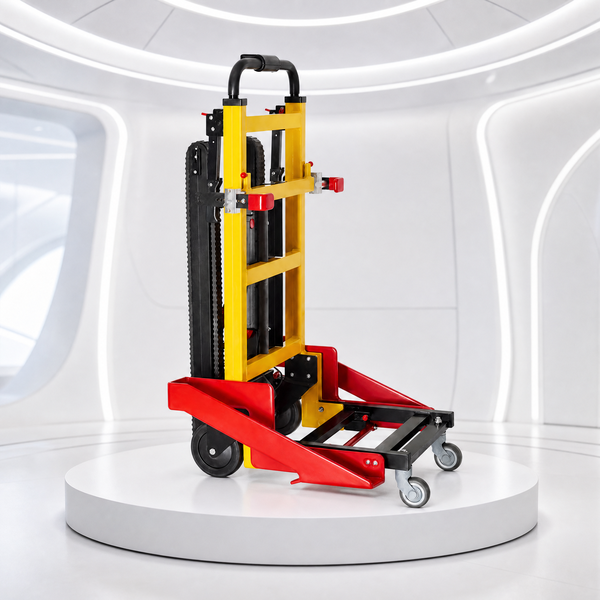
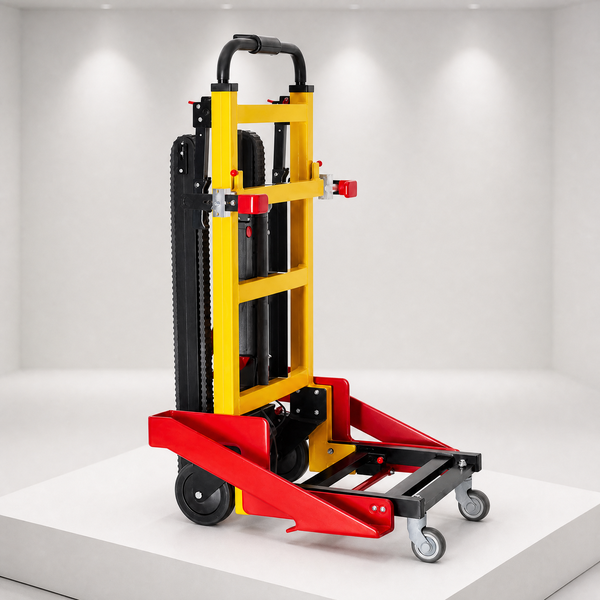
Choosing the Right Handicap Chair Lift for Your Needs

Zhangjiagang Xiehe Import & Export Co., Ltd.

application/handicap-chair-lift, application/handicap-chair-lift, 
Inquiry
Inquiry

handicap chair lift

When considering accessibility solutions for buildings and facilities, a  handicap  chair lift is  an essential product that  enhances mobility for individuals with disabilities. These lifts allow users to navigate between different levels safely and  conveniently, avoiding  the challenges posed by stairs.  B2B  buyers, such  as purchasing  managers  and facility managers, need to ensure that they select  the right handicap chair  lift  for their specific needs. This article will guide you through the critical  factors  to consider when  choosing a handicap  chair lift, sourcing  suppliers, evaluating specifications,  understanding cost factors, and installation guidance.

Why choose XieHe handicap chair lift

Our Products

What to Consider When Choosing a Handicap Chair Lift for Your Project

Selecting the right handicap chair lift  involves several key considerations. First, evaluate the intended application: will it be installed in a residential, commercial, or industrial setting? Each environment may have unique requirements  that affect the lift's design and  functionality.

Next, assess  the  load capacity  and dimensions of the lift. Ensure  it accommodates the maximum weight of users and fits the available space,  including the necessary clearance and  turning radius. Additionally, consider  the lift's travel height and the number of stops it will  make. For instance, if you're looking for a reliable option, the YXH-1H Folding Stretcher could be a great choice.


Another crucial  factor is the power source. Handicap chair lifts can be powered  by electricity or battery. Electric lifts are  typically more powerful, while battery-operated models can be beneficial in areas without easy  access to electrical outlets.

Finally, look for  features that enhance user safety and  comfort, such as non-slip surfaces, safety belts, and  emergency stop buttons. Customization options may also be available, allowing you to tailor the lift to meet specific requirements.


Frequently Asked Questions

Our Blog Posts

What Our Partners Say

Wholesale Sourcing Tips for Reliable Handicap Chair Lift Suppliers

Wholesale Sourcing Tips for Reliable Handicap Chair Lift Suppliers

When sourcing  handicap chair lifts wholesale,  reliability and quality are paramount. Start by identifying  suppliers with a proven track record in the industry.  Check for certifications such as CE, FDA, or  ISO 13485,  which indicate adherence to quality and safety standards.

Next, evaluate the supplier's manufacturing capabilities. Inquire about their production processes, quality control measures, and customization options. A supplier that can  work closely with you to tailor the lift to your specifications will  be invaluable.

Additionally, consider the  supplier's experience in exporting to your region. Understanding  international shipping practices, tariffs, and  regulations can streamline  the procurement process. Establishing clear communication channels with  potential suppliers is also crucial;  make sure  they can provide timely updates on production status and delivery timelines.

Finally, request  references  or  case studies from previous clients  to gain insights into their  reliability and customer service.

Key Specifications to Evaluate in Handicap Chair Lifts for Bulk Orders

Key Specifications to Evaluate in Handicap Chair Lifts for Bulk Orders

When evaluating handicap chair  lifts for bulk orders, focus on several key specifications to ensure  compliance with safety standards and user  requirements.

Weight Capacity: Check the maximum load the lift can safely accommodate.  This is critical to prevent accidents and ensure longevity.

Dimensions: Confirm the  lift's overall dimensions, including width, height, and depth. This will determine compatibility with your installation site.


Travel Height: The maximum height the lift can  travel  is essential for buildings with multiple floors.  Ensure it meets your building's requirements.

Speed: Evaluate the lift's  operational speed. A balance between speed and safety is necessary  for user comfort.

Safety Features: Look for emergency stop buttons, safety  belts,  and non-slip surfaces. These features  enhance  user safety and compliance with  regulations.

Power Supply: Understand whether the lift  operates  on direct electricity or batteries, as this will impact installation and maintenance.

These specifications should align with  your project requirements  and user needs to ensure a successful installation.

Understanding the Cost Factors of Handicap Chair Lifts for Buyers

Understanding the Cost Factors of Handicap Chair Lifts for Buyers

Pricing for handicap chair lifts can vary  significantly based on several factors. Understanding these can help buyers make informed purchasing decisions.

Specifications:  Customized features such as additional safety options or  unique dimensions can  increase costs. Determine which  specifications are essential for your project and which can be adjusted to fit your budget.

Material Quality: The materials used in  the lift's construction will also affect the price. High-quality  materials may  incur higher upfront costs but often result in better durability and  lower maintenance costs over time.

Supplier Reputation: Established  suppliers with a  solid reputation  may charge a premium for their products due to their track record of quality  and reliability. However, this  can be  worth the investment in the long run.


Shipping and Handling: Consider the logistics of shipping, including costs associated with transportation and  handling. These can add significantly to the overall expense, especially for bulk orders.

Installation Services: Some suppliers may  offer installation services at an additional cost. Weigh this against your  own capabilities to handle installation in-house.

Understanding these cost factors will help you budget effectively  and select a supplier that offers the best value for your needs.

Installation Guidance for Efficient Setup of Handicap Chair Lifts

Installation Guidance for Efficient Setup of Handicap Chair Lifts

Proper installation of handicap chair lifts  is crucial for safety and functionality. Here are some essential guidelines to follow:

Site Assessment: Before installation, conduct a thorough assessment of the site. Measure the available space and ensure that it meets  the lift's requirements  for clearance and access.


Follow Manufacturer Instructions: Always adhere to the manufacturer's installation  guidelines. This includes understanding electrical  requirements,  structural support needs, and safety protocols.


Professional Assistance: If your team lacks experience with lift installations, consider hiring professional installers. They can ensure compliance  with safety  regulations and provide an efficient setup.

Testing: After  installation, conduct rigorous testing to ensure the lift operates smoothly and safely. Check all  safety features, including  emergency stops and alarms, to ensure they function correctly.

User Training: Provide training for  users on how to operate the lift  safely. This includes  demonstrating  the use of safety features and emergency protocols.


By following these  guidelines, you can  ensure a safe and efficient installation process, enhancing the usability of the handicap chair lift for all users.