Choosing the Right Basket Stretcher for Emergencies

Zhangjiagang Xiehe Import & Export Co., Ltd.

application/basket-stretcher, application/basket-stretcher, 
Inquiry
Inquiry

basket stretcher

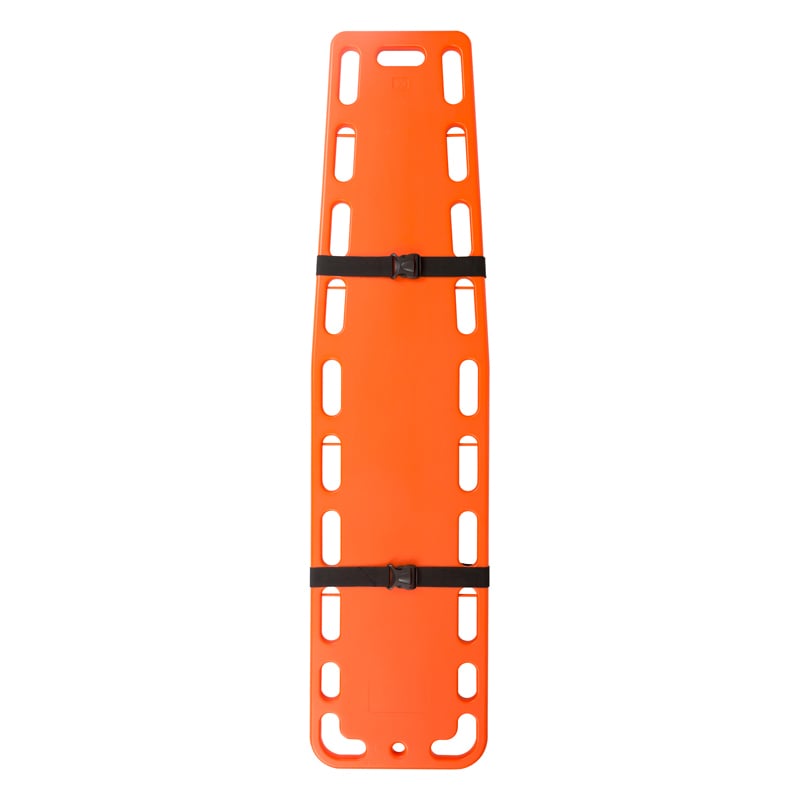
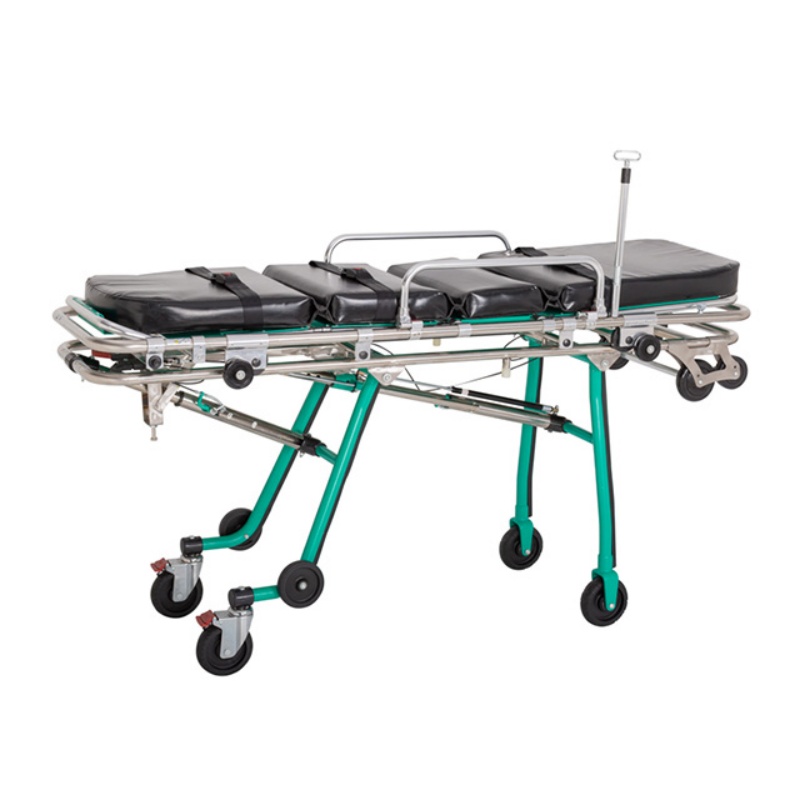
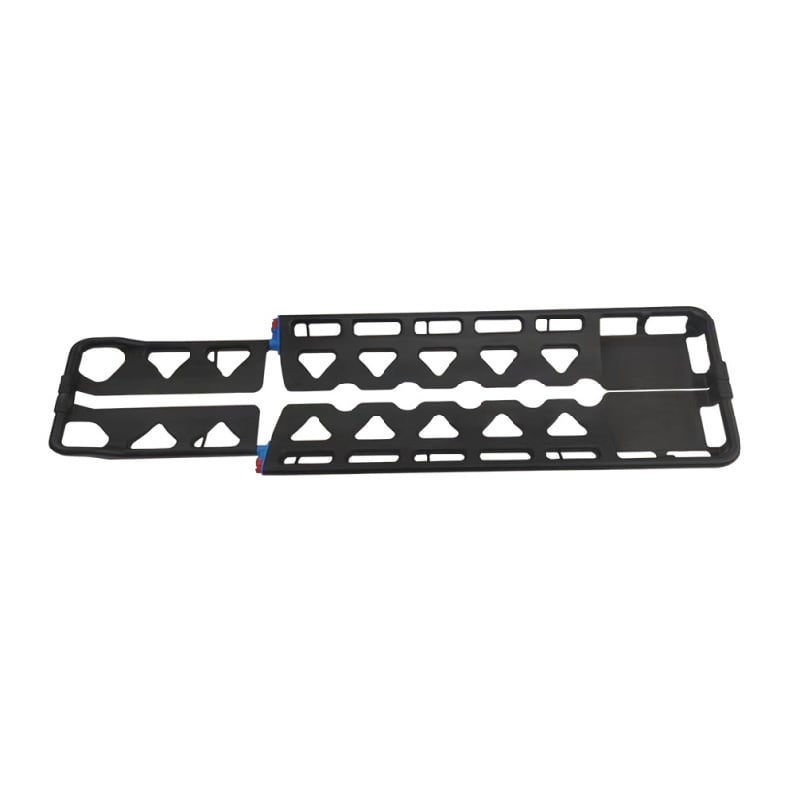
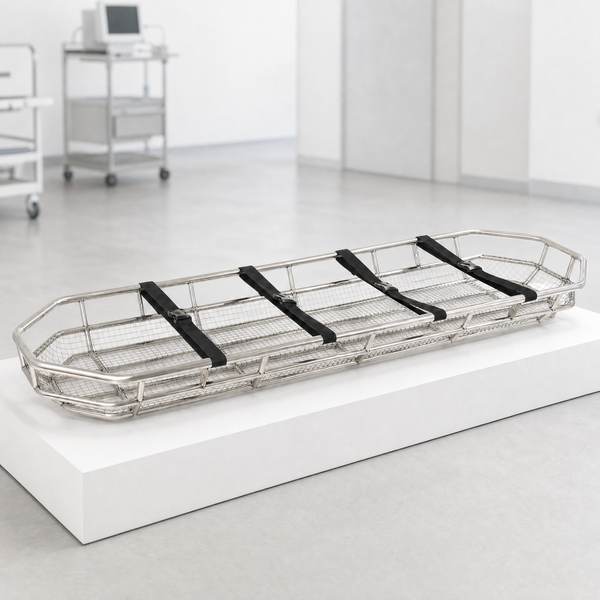
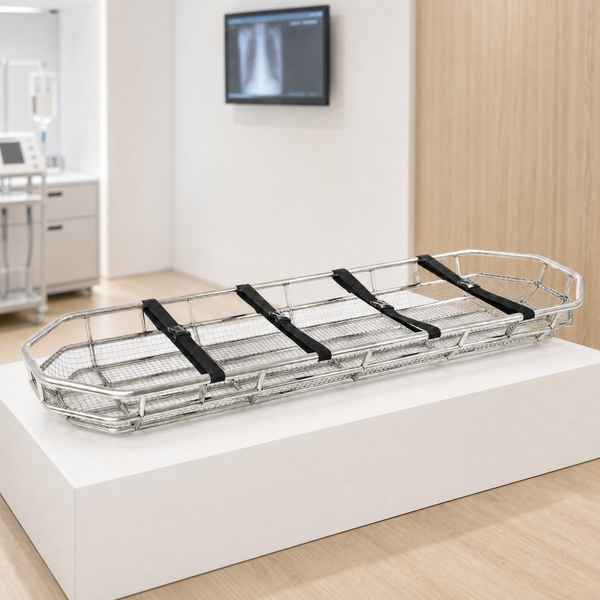
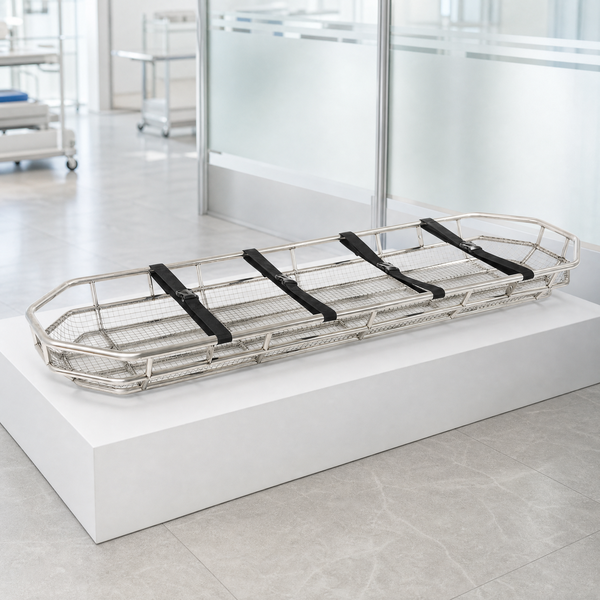
A basket stretcher is a vital piece of emergency  equipment designed for transporting patients in challenging environments, such  as during natural disasters or in  difficult-to-access locations. For B2B  buyers, particularly purchasing  managers and first  responders, key concerns typically revolve around safety, durability, and  compliance with industry standards.  This  article will address the critical  aspects to  consider when choosing  a basket stretcher,  evaluate  quality  indicators, and provide  insights on finding reliable suppliers, along with solutions to  common installation challenges. Additionally,  we’ll explore  the  importance of CE/FDA certification in ensuring product reliability.

Why choose XieHe basket stretcher

Choosing the Right Basket Stretcher for Emergency Medical Needs

When selecting a basket stretcher, the primary considerations include the stretcher's material, weight capacity, and size. Most basket stretchers are constructed from lightweight, durable materials like aluminum or  high-density polyethylene, which ensure both portability and strength.

Material: Choose materials that offer high resistance to  environmental factors. For instance, a  stretcher made from aluminum  can be both lightweight and corrosion-resistant, making it suitable  for  various outdoor applications.

Weight Capacity: Assess the maximum weight limit  of the stretcher.  It’s  essential to ensure that  it can safely accommodate  the  intended patient  load, including any additional gear or support equipment.

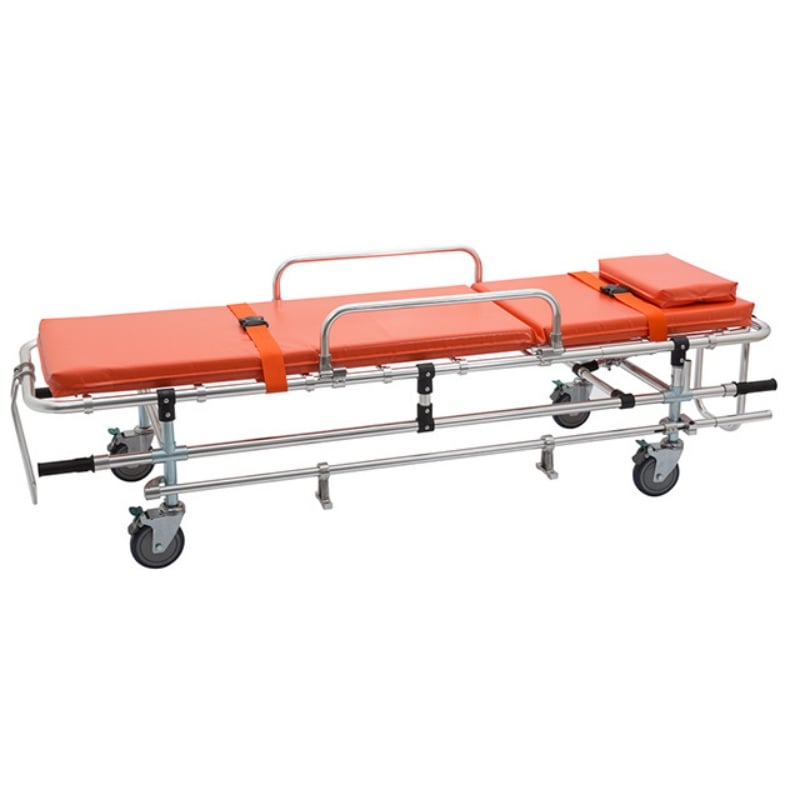
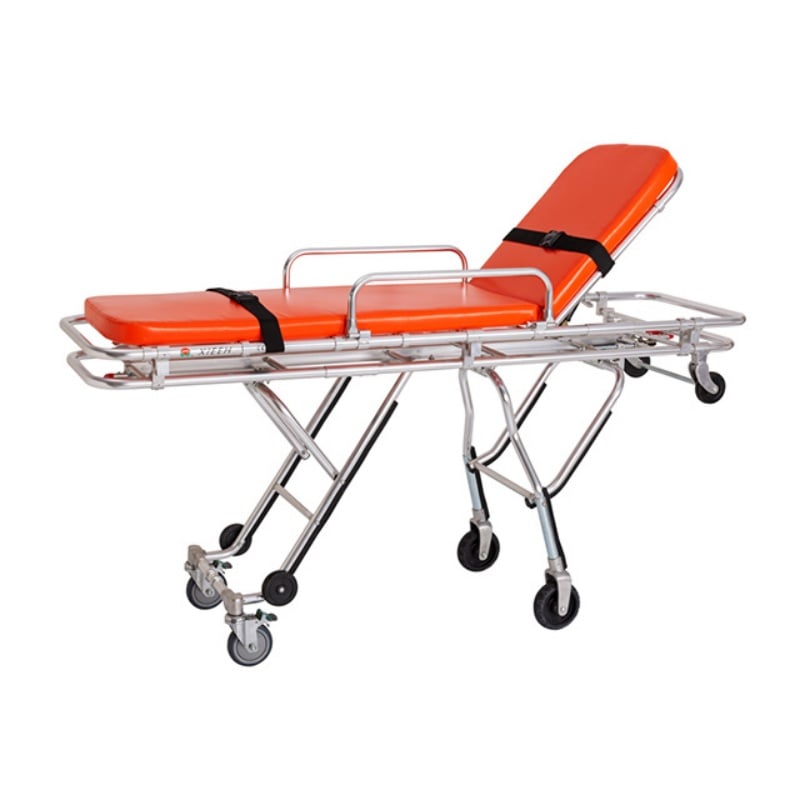
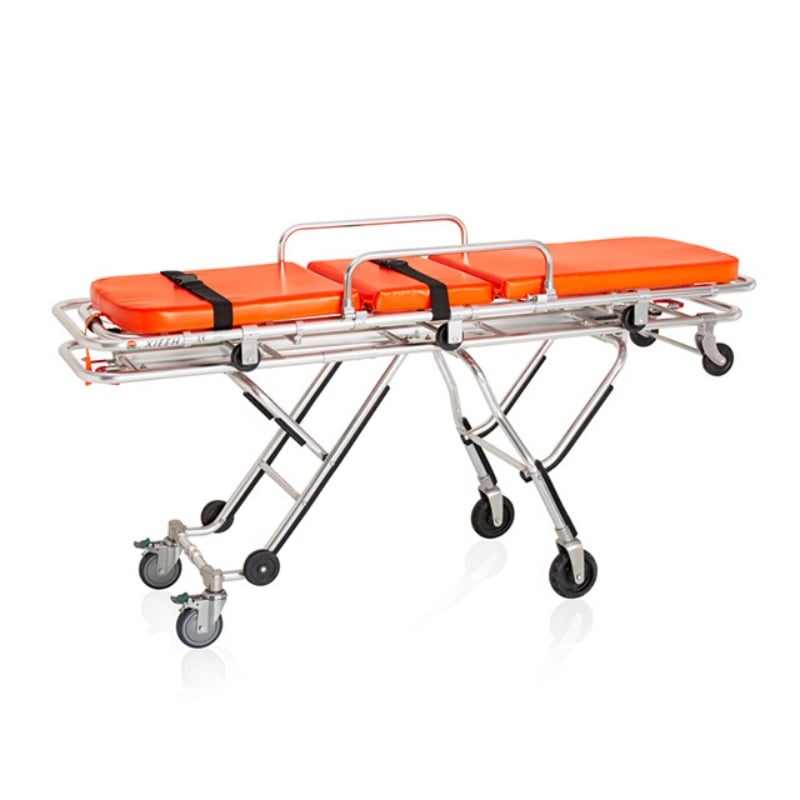
Size and Dimensions: The size of the stretcher should be  appropriate for the environment where it  will be used. A compact design may be necessary for confined spaces, while  a  larger stretcher might be required for open areas. For larger operations, consider integrating a Stretcher solution that fits your needs.

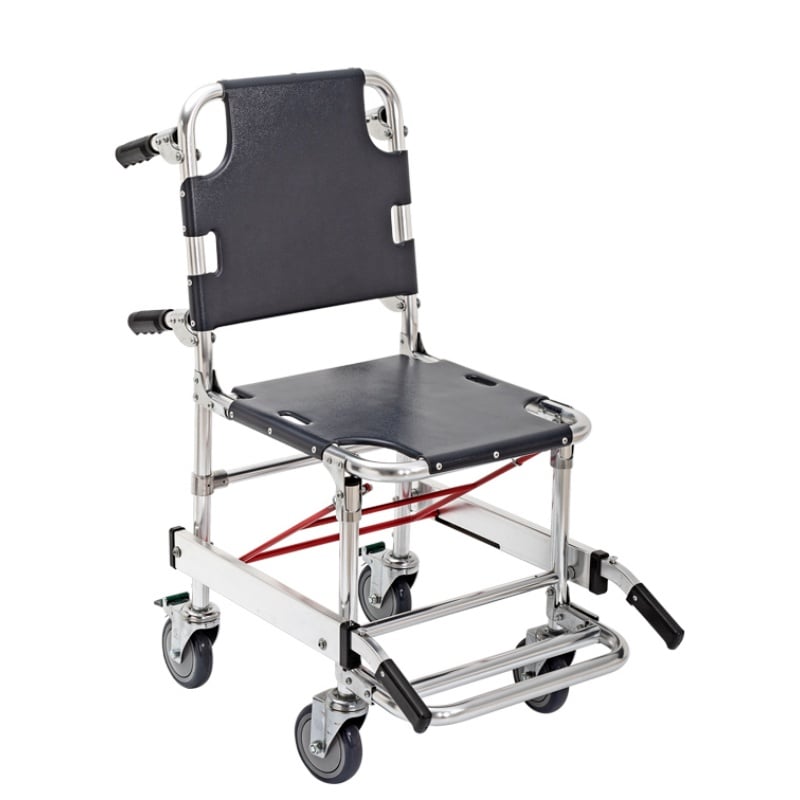
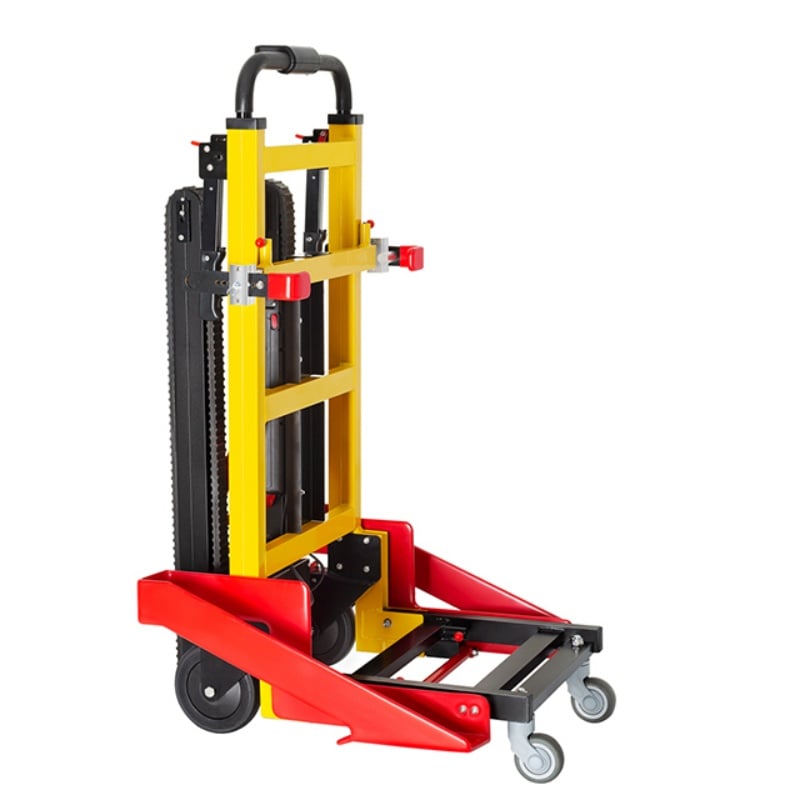
Integration with Rescue Systems:  Consider whether the stretcher is compatible with existing rescue equipment or systems, such as hoists or retrieval  systems. If you're exploring different options, check out our Stair Solution for effective integration.

These factors will guide you toward a basket stretcher that meets your operational needs effectively.

Frequently Asked Questions

Our Blog Posts

What Our Partners Say

Sourcing Reliable Suppliers for Bulk Orders

Sourcing Reliable Suppliers for Bulk Orders

Quality evaluation of basket stretchers should focus on several critical attributes,  including workmanship, certifications, and user reviews.

Workmanship: Inspect the stitching,  seams, and overall  construction.  High-quality stretchers will have  reinforced seams and robust construction to withstand the rigors  of emergency  use. Any signs  of weak points may  indicate potential  failures under load.

Certifications: Ensure that the stretcher is CE/FDA certified, which indicates compliance with health and safety regulations. Certification is a strong indicator of product quality and reliability.

User Reviews and Case Studies: Gather feedback from other users about their experiences  with  specific  models. Reviews can provide insights into the stretcher's real-world performance and durability over  time.

Testing Standards: Inquire about the testing standards  used by the manufacturer to evaluate  their products. This  includes load testing and environmental stress tests that simulate real-life conditions.

By focusing on these aspects, buyers can make informed  decisions and reduce the  risk of purchasing  inferior products.

Key Specifications to Consider When Selecting a Basket Stretcher

Key Specifications to Consider When Selecting a Basket Stretcher

Finding  trustworthy suppliers is crucial for ensuring the quality of the  basket  stretchers  you intend to purchase. Here are  steps to identify reliable suppliers:

Industry Reputation: Research suppliers with a solid reputation in the emergency and medical equipment industry. A supplier with a long-standing presence is likely to have proven their reliability and product quality.

Certifications  and Compliance: Confirm that the  suppliers’  products are compliant with relevant international standards (e.g., CE, FDA). This  not only ensures  quality but also supports  legal compliance in your region.

Customization Capabilities: Look for suppliers who offer customization options to  tailor the stretcher to specific operational needs. This can include modifications to  dimensions, materials, or features.

Customer Support: Evaluate the level of customer support provided. A reliable  supplier should offer comprehensive support, including after-sales  service, warranty information, and technical assistance.

Distribution Network: Suppliers with a broad distribution network are often better  equipped to handle logistics  and provide timely deliveries.

By conducting thorough research and due diligence,  you can ensure you partner  with a supplier that aligns with your quality and operational  requirements.

How to Assess Basket Stretcher Manufacturing Standards

How to Assess Basket Stretcher Manufacturing Standards

Installing basket stretchers can  sometimes  present challenges, particularly  in emergency situations. Here are common issues and their solutions:

Space Constraints: In confined areas, maneuvering the stretcher can be difficult. To address this, consider  using compact models specifically designed  for  tight spaces. Additionally,  training personnel on effective handling techniques can improve efficiency.

Securing the Patient:  Ensuring the patient is secured properly during transport is critical.  Look for stretchers equipped with safety harnesses or straps that can be adjusted for a snug fit. Regular training on proper  securing  techniques can  reduce risks during transport.

Compatibility with Equipment: Some models may not be  compatible with existing rescue gear. Before  installation, verify compatibility with your current equipment, such as rescue helicopters or ground vehicles, to avoid operational delays.

Environmental Challenges: Weather conditions may affect the installation process. Ensure that the stretcher is designed for  use in various environmental  conditions, and train personnel on how to adapt their installation techniques  accordingly.

By anticipating these challenges and implementing  effective solutions, you can enhance the overall efficiency and safety of patient transport operations.

Understanding Cost Factors Involved in Purchasing Basket Stretchers

Understanding Cost Factors Involved in Purchasing Basket Stretchers

CE/FDA  certification plays  a crucial role in the manufacturing of basket stretchers, signifying compliance with safety and quality standards. Here are the key  benefits:

Guaranteed  Quality: Certification  ensures that the product  has undergone rigorous  testing and  meets predefined safety and performance criteria. This gives buyers confidence  in the reliability  of the stretcher.

Regulatory Compliance: For  organizations operating in regions with strict health and safety regulations, using certified products is  often a legal requirement. This can help avoid potential liabilities.

Market Acceptance: Basket stretchers  that are CE/FDA certified are more likely to be accepted by hospitals, emergency services, and  other healthcare providers, facilitating smoother procurement processes.

International Trade Facilitation: Certification  can ease the export and import processes,  allowing suppliers to reach a broader market  without facing regulatory  hurdles.

By prioritizing CE/FDA certified products, buyers ensure that they are investing in high-quality equipment that meets essential safety and operational standards.

In summary, selecting the right  basket stretcher involves careful consideration of material and design, thorough evaluation of quality indicators, and establishing partnerships with reliable suppliers. Understanding the associated challenges and the importance of certification will help buyers make informed decisions that enhance emergency response capabilities.