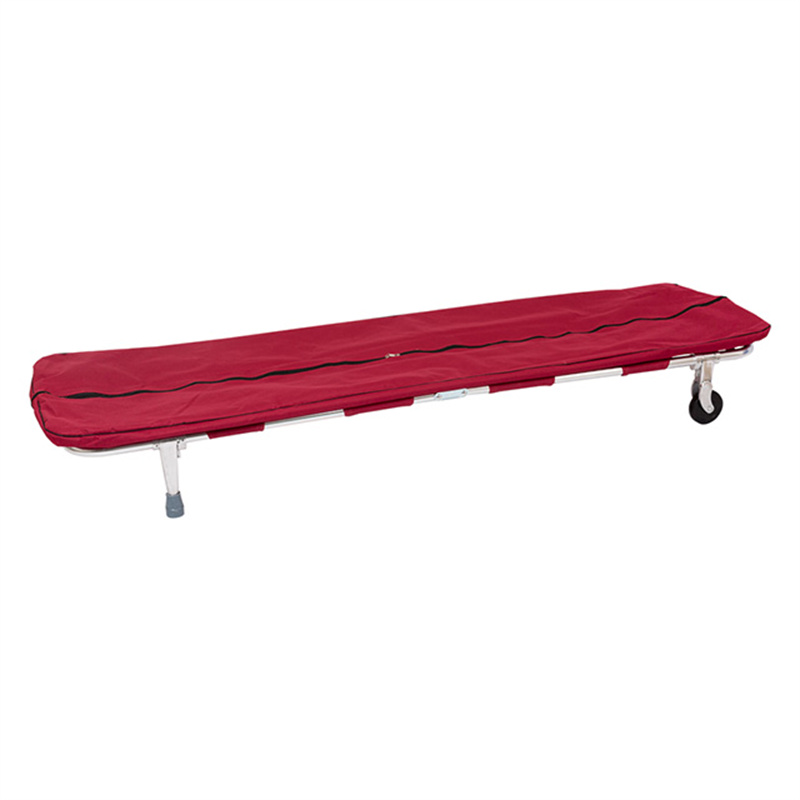
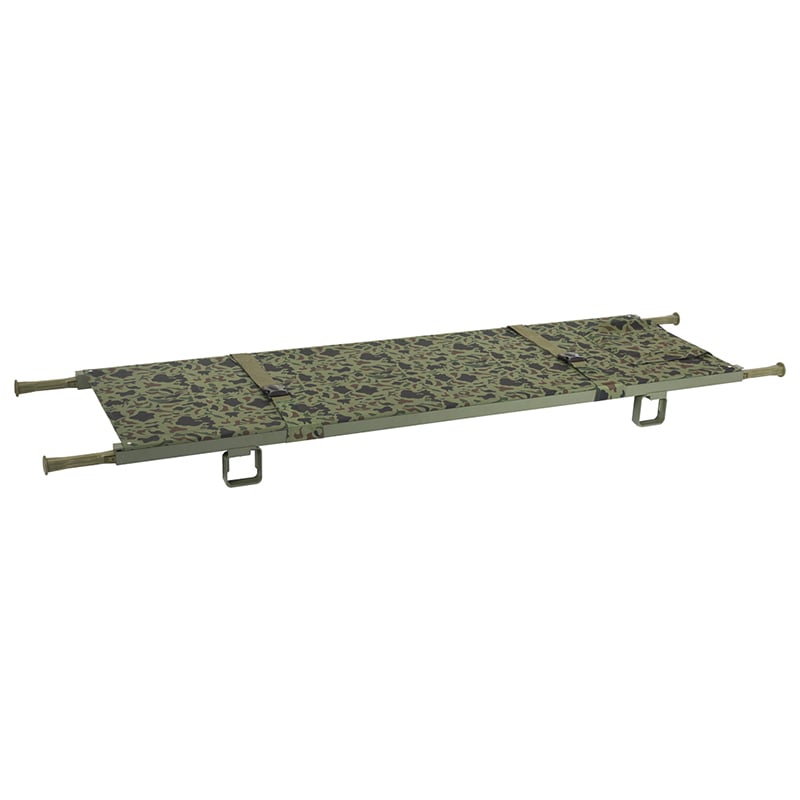
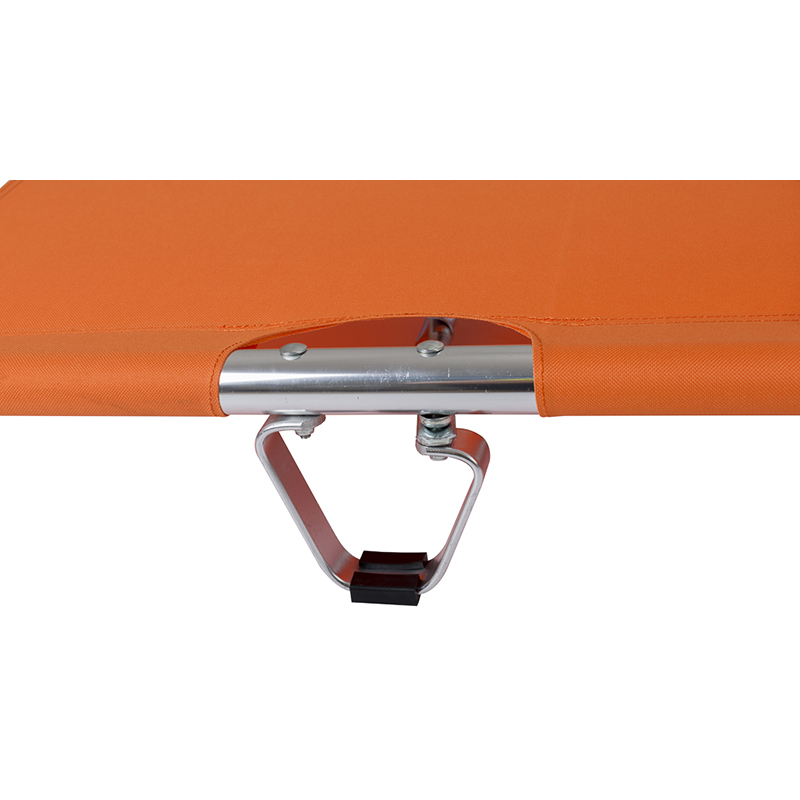
Key Specifications for Rescue Basket Stretchers

Zhangjiagang Xiehe Import & Export Co., Ltd.

application/rescue-basket-stretcher, application/rescue-basket-stretcher, 
Inquiry
Inquiry

rescue basket stretcher

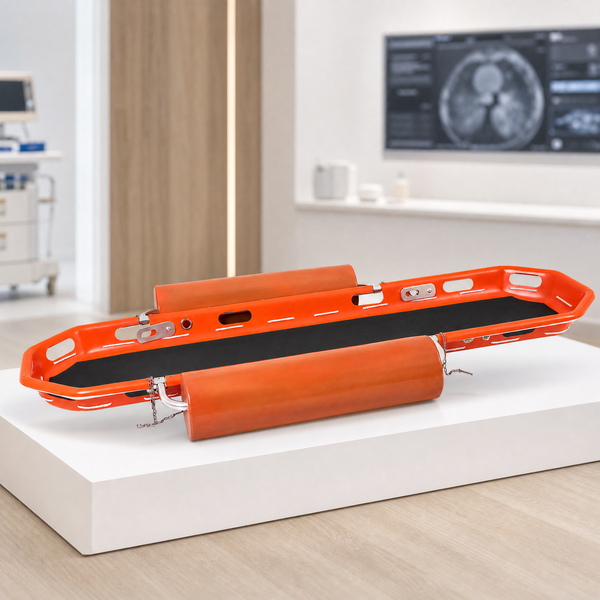
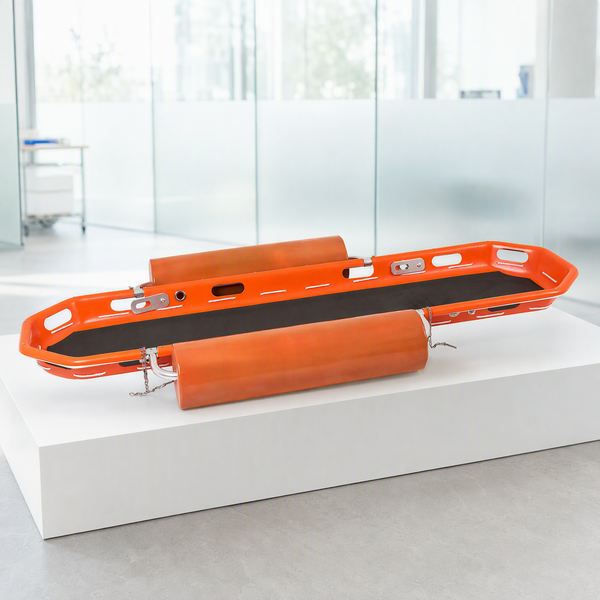
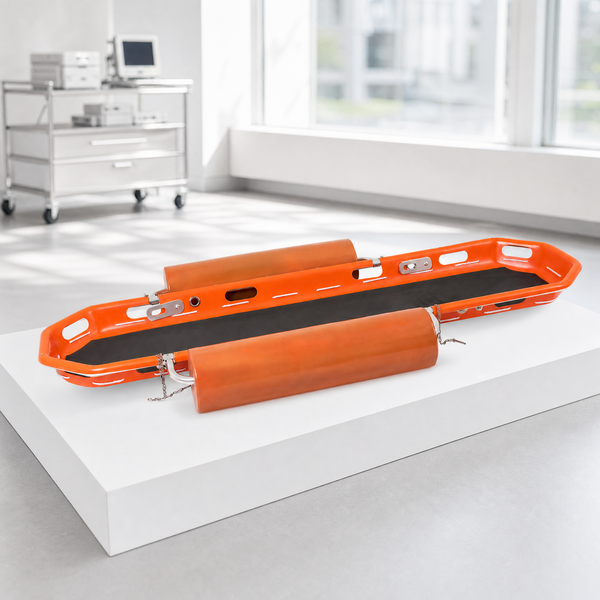
Rescue basket stretchers  are essential tools used in emergency medical situations to transport patients safely,  especially in  challenging environments like mountains, disaster  zones, or urban  areas.  For purchasing managers, distributors, and  medical  personnel,  understanding  the  key specifications,  reliability factors,  and cost  considerations is crucial for making informed decisions. This article will guide you  through  the  critical aspects of  sourcing rescue basket stretchers, including their specifications,  reliability indicators, cost factors, installation guidance,  and common issues with solutions.

Why choose XieHe rescue basket stretcher

Key Specifications to Consider When Sourcing Rescue Basket Stretchers

When sourcing  rescue basket stretchers, several key specifications should be evaluated to ensure the product meets operational  needs.

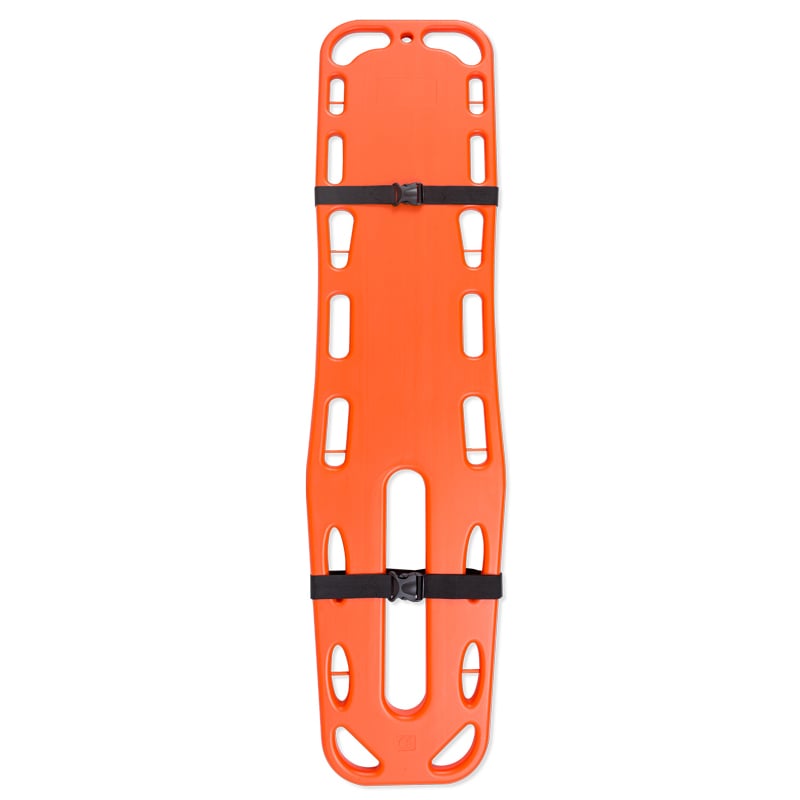
Material: The stretcher should be made from lightweight yet durable materials such as aluminum or high-strength plastic, which can withstand harsh conditions while being easy to carry.

Weight Capacity: Verify the maximum weight capacity  required for  your specific application. Standard rescue stretchers typically support weights ranging from 250 to 600 pounds. This ensures the stretcher can safely accommodate patients of varying sizes.

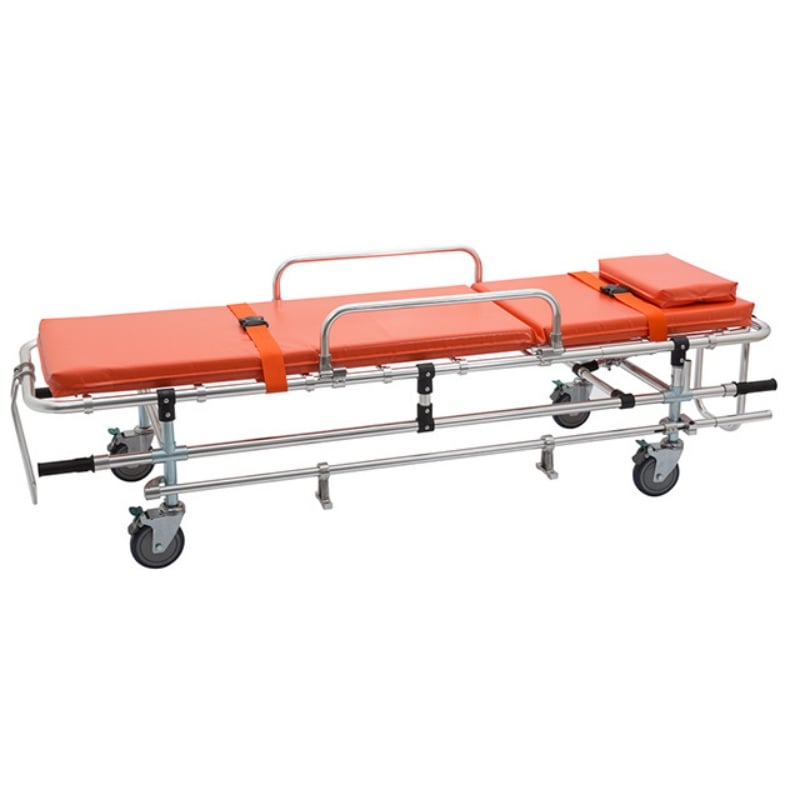
Dimensions: The dimensions of the stretcher play a vital role  in its usability. A standard stretcher is usually around 80 inches long and 24 inches wide, but custom sizes may be necessary depending on the patient demographics or intended operational environment.

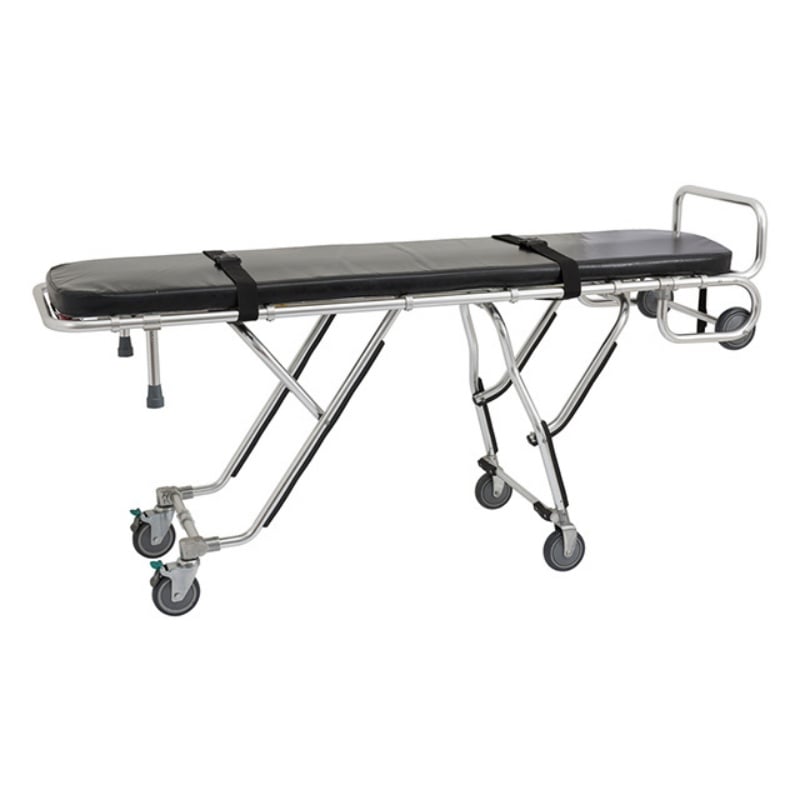
Load Distribution: A well-designed basket  stretcher  will  have a  structure that evenly distributes weight, preventing tipping during transport. Look for stretchers with reinforced corners and a wide base.

Safety Features: Check  for built-in safety features such  as securing straps, reflective surfaces, and  the  ability to attach to a rescue line.  These  features enhance patient safety during  transport.

Understanding these specifications helps buyers ensure that  the chosen stretcher  meets the specific demands of their rescue operations. Additionally, for those looking for a comprehensive range of products, Funeral Home Products can provide further insights into various equipment options.

Frequently Asked Questions

Our Blog Posts

What Our Partners Say

What Makes a Reliable Rescue Basket Stretcher?

What Makes a Reliable Rescue Basket Stretcher?

Reliability in rescue basket  stretchers is determined  by several factors,  essential in emergency medical scenarios.

Certification and Compliance: Ensure that the stretcher meets international safety standards, such as CE, FDA, or ISO 13485 certifications. These certifications indicate that the  product has undergone rigorous testing  and adheres  to quality control protocols.

Manufacturing Quality: Reliable manufacturers implement strict quality control processes. Look for companies that have a proven track record in producing medical and emergency equipment. This may include routine inspections during the production process and  final product testing.

Customization Options: A manufacturer  that offers customization can cater to specific needs, such as color coding for different  medical teams  or adding  features like a  head support or specialized carrying handles, enhancing functionality during emergencies.

User Feedback: Analyzing user reviews and  feedback can provide insights into the stretcher's performance in real-world scenarios. Reliable products  often have positive testimonials regarding durability and ease  of  use.

By focusing on these reliability indicators, buyers can select stretchers that will  perform well under pressure.

Cost Factors for Rescue Basket Stretchers

Cost Factors for Rescue Basket Stretchers

Understanding the  cost factors associated with rescue basket stretchers can help  buyers make informed financial decisions.  Key considerations include:

Material Costs: The choice of materials significantly impacts the overall cost. Lightweight and durable materials may have a higher  upfront cost but can lead to long-term savings due to reduced shipping costs and enhanced  durability.

Customization Fees: Custom features or branding may add to the initial price. Buyers should  weigh the benefits of customization against the  additional costs.

Volume Discounts: Purchasing in bulk often results in cost savings. Buyers  should inquire about minimum order quantities (MOQ) and potential  discounts for larger orders.

Shipping and Handling: Factor in shipping costs, which can vary based on the destination and order size. It’s  advisable to confirm these costs during  the procurement process.

Warranty  and  Maintenance Costs: Consider  the warranty period  and what it covers. A  longer warranty may indicate  higher product confidence from the supplier and  can save costs on potential repairs or replacements.

Understanding these factors empowers buyers to budget effectively for their rescue equipment  purchases. For those looking for specific models, exploring options like the Stretcher can also be beneficial.

Installation Guidance for Effective Use of Rescue Basket Stretchers

Installation Guidance for Effective Use of Rescue Basket Stretchers

Proper installation and handling of rescue basket stretchers are crucial for maximizing their effectiveness during emergencies. Here  are some guidelines:

Read  Manufacturer Instructions: Before use, always consult the manufacturer’s installation  and operational manual. This document  will  provide specific instructions  tailored  to the stretcher model.

Training Personnel: Ensure that all personnel involved in patient transport are trained in the  correct usage of the stretcher. This includes securing  the patient properly and understanding  how to  maneuver the stretcher safely in  various environments.

Regular Inspections: Conduct regular inspections of  the stretchers to ensure all components are in good working order. Check for wear and tear, especially on straps and locking mechanisms, which are critical for patient safety.

Practice Scenarios: Simulate various rescue scenarios to familiarize staff with the stretcher’s handling. This practice can  prepare teams for real-life situations and ensure a swift, effective response.

Maintenance Protocols: Establish  a cleaning and maintenance  protocol to extend the life of the stretcher and ensure hygiene standards are  upheld. Regularly inspect and replace any worn-out parts.

Following these installation guidelines helps ensure  the effective use of rescue basket stretchers  in emergencies.

Common Problems with Rescue Basket Stretchers and Their Solutions

Common Problems with Rescue Basket Stretchers and Their Solutions

Even with high-quality rescue basket stretchers, users may encounter common problems. Here are some  issues and recommended solutions:

Wear and Tear: Over time, components  such as straps and fabric may show signs of wear. Regular inspections can help identify these issues early.  Replace worn components promptly to maintain  safety.

Compatibility Issues: Ensure that the stretcher fits well with  other  emergency equipment, such as helicopters or ambulances. Buyers should confirm dimensions  and design compatibility with  their existing equipment before purchase.

Weather Resistance: Exposure to harsh weather can affect  the material integrity of the stretcher. Look for stretchers specifically designed with weather-resistant features for outdoor  use.

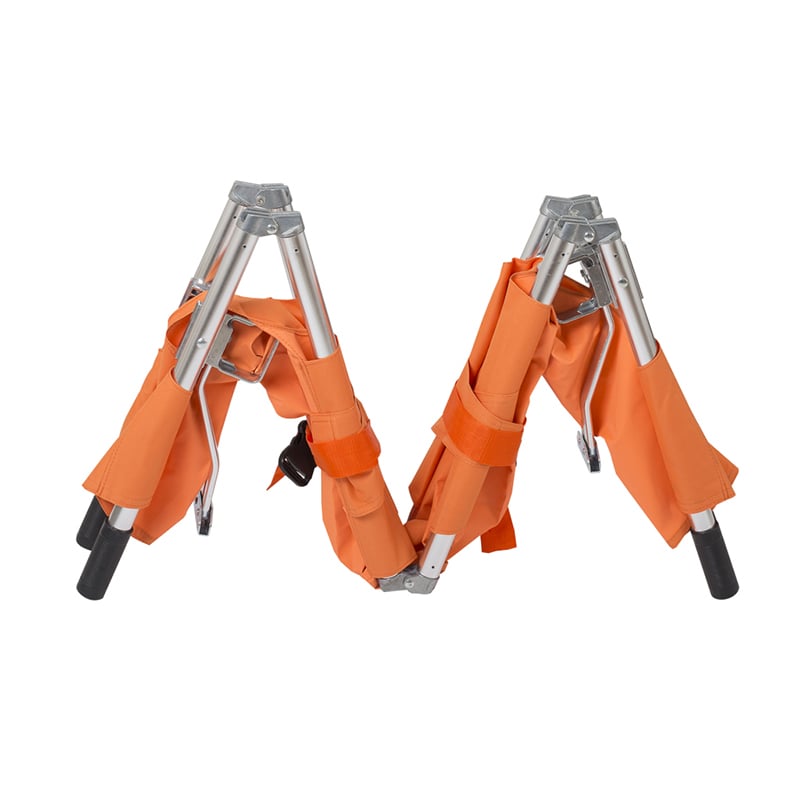
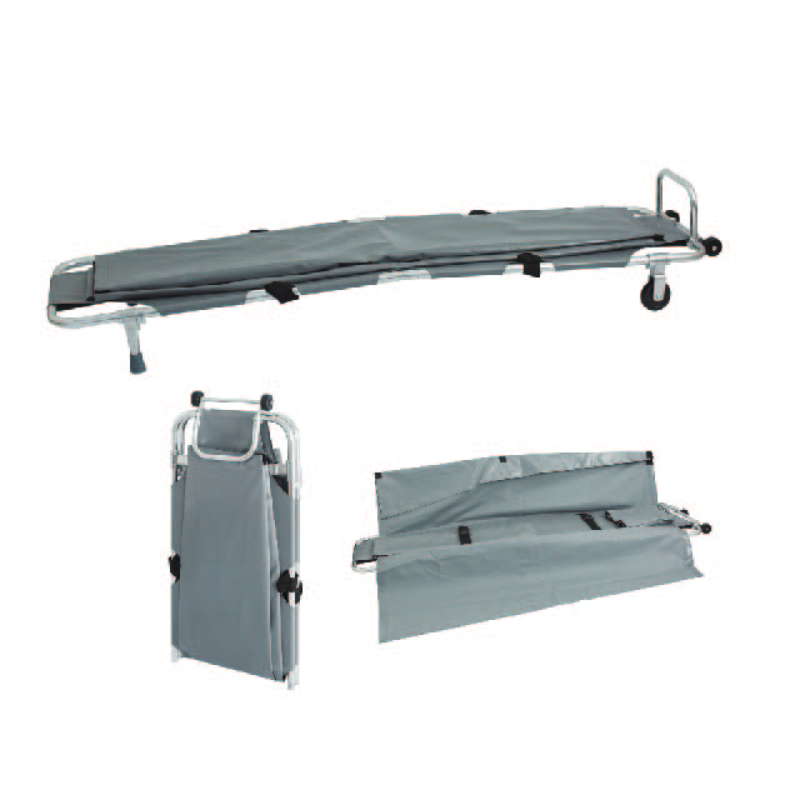
Storage Challenges: Rescue stretchers can take up  significant  space  when not in use. Consider purchasing foldable models or those  that can be easily stored to optimize space  in emergency vehicles or storage areas.

Patient Comfort: In some cases, patients may experience discomfort while being  transported. Adding cushioning or padding can enhance patient comfort, especially during extended transport times.

Addressing these common  problems can improve the overall effectiveness and longevity  of rescue basket stretchers, ensuring they are  ready when needed most.