Reliable Ambulance Spinal Boards for Emergency Services

Zhangjiagang Xiehe Import & Export Co., Ltd.

application/ambulance-spinal-board, application/ambulance-spinal-board, 
Inquiry
Inquiry

ambulance spinal board

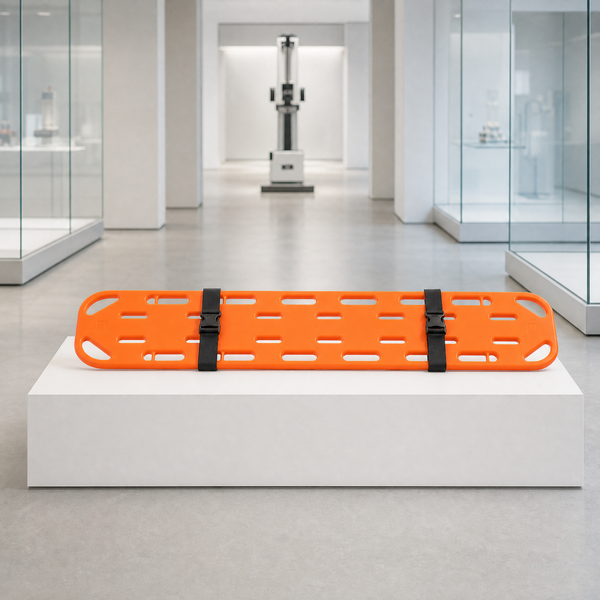
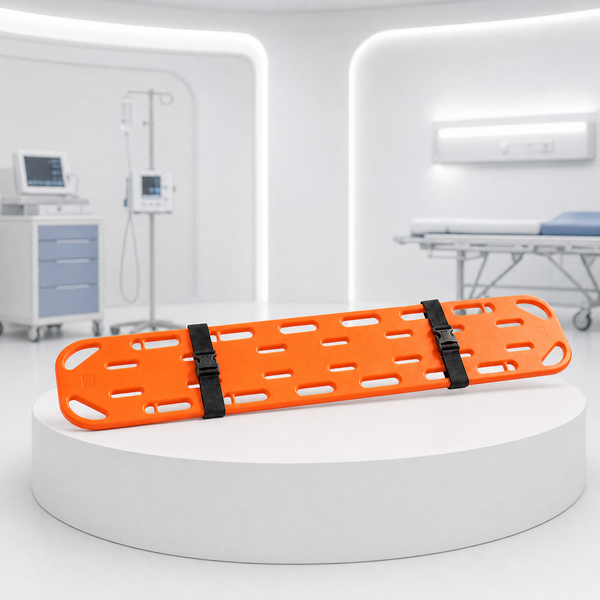
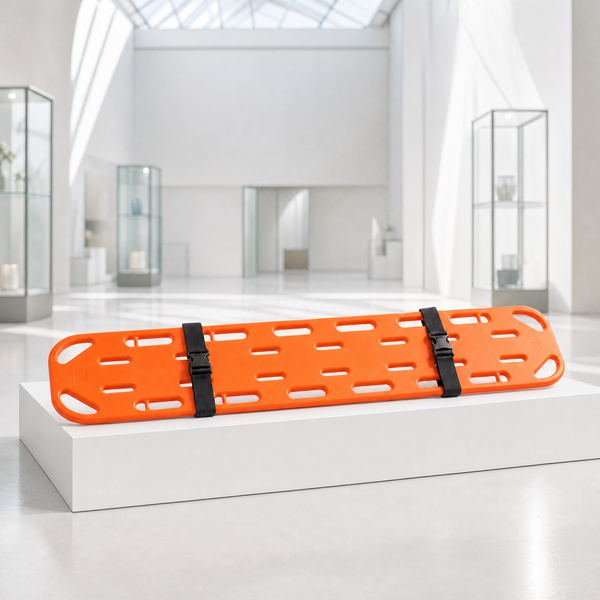
Ambulance spinal  boards are critical  devices used in emergency  medical situations to  stabilize and  transport patients  with  spinal  injuries.  As a B2B buyer, understanding the  specifications, quality factors, and supplier options for  ambulance spinal boards  is essential to ensure patient  safety and compliance with medical standards. This article will delve into the key specifications  to consider when selecting a spinal board,  how to evaluate quality for purchase, methods for comparing different boards, cost  factors for  bulk  orders, and strategies for  finding  reliable suppliers. For comprehensive options, you might also consider exploring our Funeral Home Products.

Why choose XieHe ambulance spinal board

Our Products

Where to Find Reliable Suppliers of Ambulance Spinal Boards

When selecting ambulance  spinal boards, several key specifications should be taken into account to ensure they meet the  required safety and usability standards.

Material: Most spinal boards are made from high-density polyethylene (HDPE)  or other durable materials that can withstand  significant weight and stress. The choice  of material affects the board's weight, durability,  and resistance to chemical exposure. HDPE, for example,  is lightweight, easy to clean, and resistant to various disinfectants.

Dimensions: The dimensions of the spinal board are crucial, as they must accommodate different patient sizes  while ensuring effective immobilization. Standard sizes typically  range from 182 cm to 210 cm in length and  45  cm to 60 cm in width. Buyers should verify dimensions to ensure compatibility with stretcher systems and other emergency equipment, including Stretcher systems.

Weight Capacity: It is vital to confirm the weight capacity of the spinal board, which can vary between models. Most boards are designed to support patients weighing up to 250 kg (approximately 550  lbs), but this should be verified based on  the specific application and target patient demographics.

Lifting Points and Straps: Effective immobilization requires sufficient lifting points  and securing straps.  Boards with multiple attachment  points  allow for versatility in securing patients, and strong, adjustable straps ensure safety during transportation.

Design Features: Some boards come with additional features  such  as X-ray translucency, which allows for imaging  without removing the patient from the board, and integrated handles for easier maneuvering.

Understanding these specifications will help buyers make informed decisions that align with their operational needs and patient care protocols.

Frequently Asked Questions

Our Blog Posts

What Our Partners Say

Top Applications for Ambulance Spinal Boards in Emergency Services

Top Applications for Ambulance Spinal Boards in Emergency Services

Quality evaluation is essential when purchasing ambulance spinal boards to ensure  they  meet safety standards and  perform reliably in emergency situations. Here are some critical factors to consider:

Certifications: Look for boards that are CE, FDA, or ISO 13485 certified, as these certifications indicate compliance with  international safety  and quality standards. This  ensures that  the products have undergone rigorous testing and meet the necessary  regulatory requirements.

Manufacturing Processes: Understand the manufacturing capabilities of the supplier. A manufacturer with advanced production processes and quality control measures is more likely to deliver  consistent and reliable  products. Buyers should inquire about the production equipment and the quality assurance testing that  takes place during manufacturing.

Sample Testing:  Before placing  a bulk order, request samples to evaluate the board's performance in real-world scenarios. Test the board under actual conditions to assess its  weight  capacity, stability, and ease of use.


Customer Reviews and Feedback: Research  reviews from other buyers and healthcare professionals. Insights into the product's performance in the field can provide valuable information  about durability and usability.

Warranty and Support: A robust warranty and customer support are indicators of a manufacturer's confidence in their product quality. Ensure that the supplier offers support in case of defects or issues that may arise post-purchase.

By focusing on these quality evaluation  factors, buyers can mitigate risks and ensure  they are investing in reliable spinal boards.

Cost Factors to Consider When Purchasing Ambulance Spinal Boards

Cost Factors to Consider When Purchasing Ambulance Spinal Boards

Comparing ambulance  spinal boards requires a systematic approach to ensure that the selected product meets specific operational needs. Here are steps to effectively compare options:

Create a Comparison Matrix: Develop  a comparison matrix that includes key  specifications, features, and prices of various models. This visual  representation will simplify the evaluation process and highlight the most suitable options.

Assess Compatibility: Ensure that the spinal boards are  compatible with existing emergency response equipment, such as stretchers and transport vehicles. Compatibility  issues can lead to inefficiencies  during critical times.


Evaluate Customization Options: Some manufacturers  offer customization options for  their spinal boards. If specific requirements  exist (such as color coding for different departments), it’s beneficial  to inquire about these capabilities.

Analyze Cost vs. Benefit: While price is a significant factor, consider the overall value of the board. Assess how the features and quality of the product justify the cost. A lower-priced board may not be the best choice if it compromises safety or durability.

Gather  Feedback  from Users: If possible, gather insights from healthcare professionals who have used  different spinal boards. Their practical experience  can guide purchasing decisions based  on  usability and effectiveness.

By systematically comparing ambulance spinal boards using these  strategies, buyers can  identify the most suitable options for their needs.

Best Practices

Best Practices

When purchasing ambulance  spinal boards  in bulk, various cost  factors should be taken into  consideration  to ensure  budget compliance and effective resource allocation:


Volume Discounts: Many suppliers  offer discounts for bulk orders. Inquire about pricing tiers based on order quantity, as significant savings can often be achieved when purchasing larger quantities.

Shipping and  Handling:  Factor in shipping costs, which can vary based on order size  and  destination. Understanding shipping options and associated costs will help buyers accurately budget for total expenses.


Customizations and Modifications: If custom features  or branding are desired, these may incur additional costs. Buyers should clarify what modifications are available and how they will influence  the overall price.

Payment Terms: Discuss payment options with suppliers, as flexible terms can help manage cash flow. Some manufacturers may offer deferred  payment plans or financing options for  larger orders.

Long-Term Contracts: Establishing  a long-term relationship with a supplier can result in better pricing and terms. Consider negotiating  a contract that ensures consistent supply  and pricing over time, which can lead to cost savings.

Being aware of these cost factors allows buyers to make informed decisions and optimize their purchasing strategies.

Key Features and Options

Key Features and Options

Finding reliable suppliers for ambulance spinal boards is crucial to ensuring quality and  compliance with medical standards. Here are some  strategies to identify trustworthy manufacturers:

Industry Trade Shows and Conferences:  Attending medical and emergency  service trade shows can provide opportunities to meet suppliers, view products firsthand, and gauge their reputation within the  industry.


Online  Marketplaces  and Directories: Utilize B2B platforms and directories that specialize in medical supplies. Look  for suppliers with verified reviews and  ratings from previous buyers to assess their reliability.

Networking and Referrals: Leverage professional networks,  including  medical associations and  emergency service organizations, to seek recommendations for reputable suppliers. Colleagues in the industry can provide valuable insights based on their experiences.

Supplier Certifications: Ensure that potential suppliers hold necessary certifications such as CE,  FDA, or ISO. This demonstrates their commitment to maintaining quality standards in manufacturing.

Request  Proposals: Once potential  suppliers have been identified, request detailed proposals that outline  product specifications, pricing, lead times,  and terms of service. This will allow for a thorough comparison and evaluation.

By following these strategies, buyers can navigate the supplier landscape  effectively and find reliable partners  for their ambulance spinal board needs.