Choosing Quality Wheeled Stretchers for Emergency Use

Zhangjiagang Xiehe Import & Export Co., Ltd.

application/wheeled-stretcher, application/wheeled-stretcher, 
Inquiry
Inquiry

wheeled stretcher

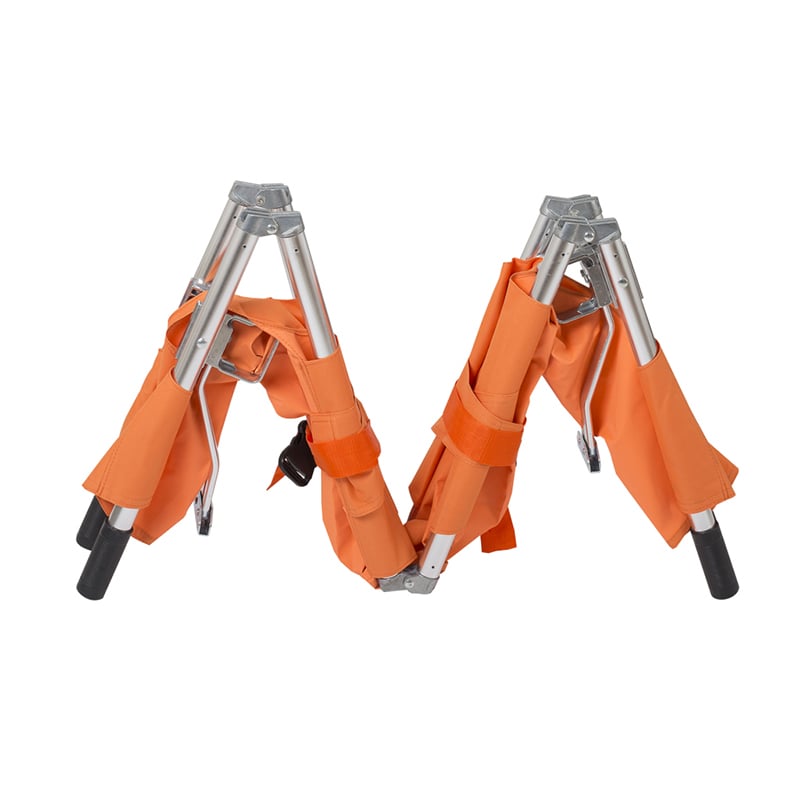
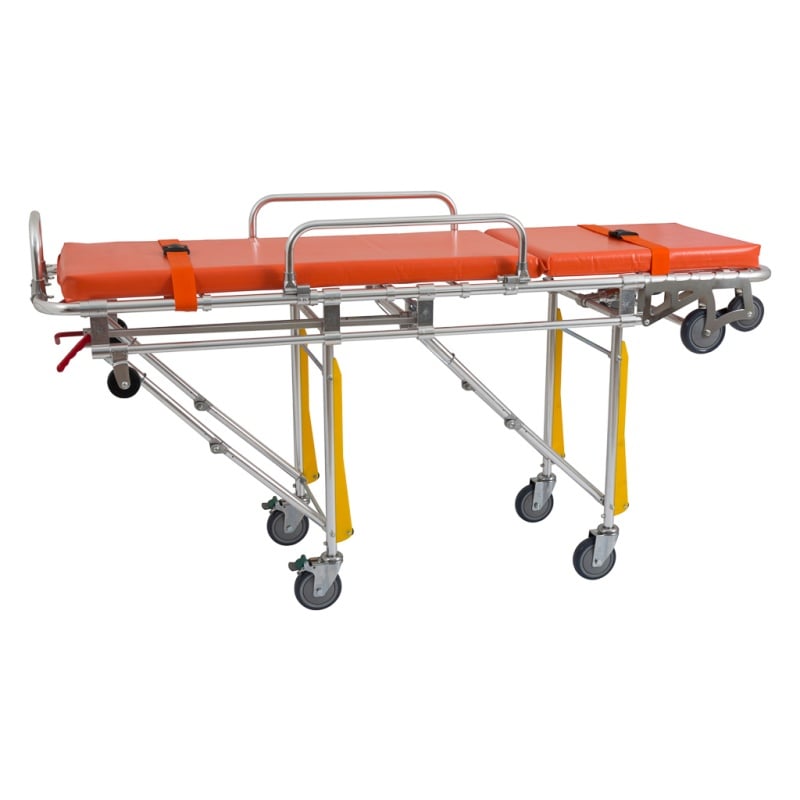
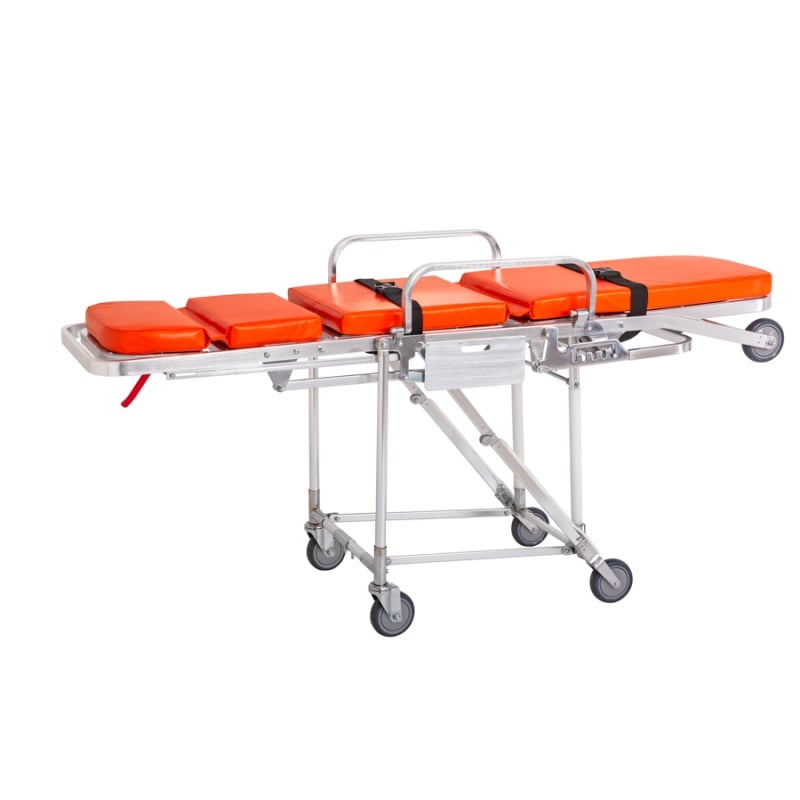
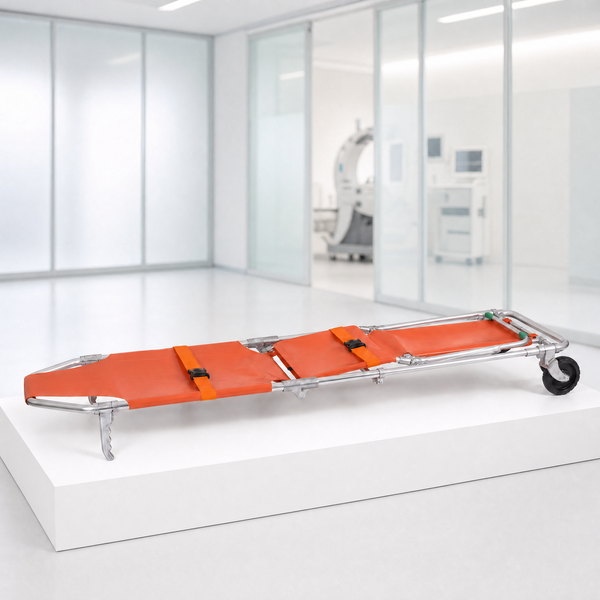
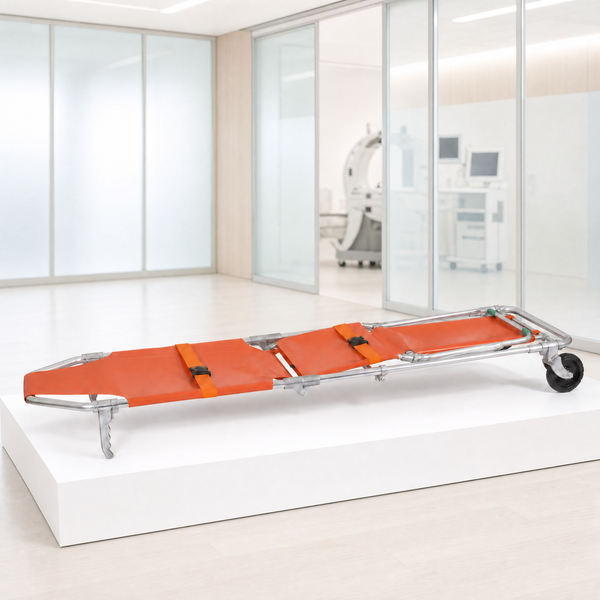
Wheeled stretchers  are essential medical devices  designed  for  the safe transport of  patients  in emergency  situations. Selecting the right wheeled  stretcher  involves careful consideration of  various factors,  including  supplier reliability, product specifications, materials, and  installation requirements. This article aims  to guide B2B buyers, such as purchasing  managers  and healthcare professionals, in making  informed decisions when  sourcing  wheeled stretchers.

Why choose XieHe wheeled stretcher

How to Choose a Reliable Supplier for Wheeled Stretchers

Choosing a  reliable  supplier for wheeled stretchers  is crucial to ensure quality and compliance  with health and safety  standards. Start by  assessing the supplier’s certifications, such as CE, FDA,  and  ISO  13485, which indicate adherence to  international  manufacturing standards. A reputable supplier  should also provide transparency regarding their production processes and quality control measures.

Evaluate the  supplier's experience in the industry. A company with a  proven track record, such as Zhangjiagang Xiehe Import Export Co., Ltd., which supplies a variety of emergency and medical equipment globally, can offer insights into  product quality  and application suitability. Additionally, consider their customization capabilities, as the ability to tailor products to specific  requirements can enhance utility in different emergency scenarios. For example, they may provide options such as the YXH-1H Folding Stretcher for versatile applications.

Lastly, review feedback from existing customers and distributors to  gauge reliability and service quality. A supplier with a strong  network and  positive customer testimonials is more likely to provide dependable products and support.

Frequently Asked Questions

Our Blog Posts

What Our Partners Say

Key Considerations

Key Considerations

When sourcing wheeled  stretchers, key considerations include product specifications, weight capacity, and material  quality. It is  essential to verify the weight  capacity of  the stretcher,  ensuring  that it  meets the demands of your specific application. Stretchers must safely transport a  wide range  of patient weights, including those in critical conditions.

Material choice is  another vital  factor. Common materials include aluminum  for lightweight  designs and stainless steel for durability. Each material offers different advantages, such as corrosion resistance  in humid environments or ease  of maneuverability. Additionally, the stretcher’s  dimensions should  align with the intended transport environment, ensuring compatibility with ambulances, hospital  corridors, and emergency response vehicles.

Another consideration is the stretcher's  features, such as adjustable height, foldability, and wheel quality. These features influence ease of use and patient comfort, making them critical in high-stress situations. For instance, stretchers like the YXH-5P Stair Stretcher offer unique advantages in stair navigation.

Installation Guidance for Wheeled Stretchers in Emergency Settings

Installation Guidance for Wheeled Stretchers in Emergency Settings

Proper installation and usage  of wheeled  stretchers in emergency settings can significantly impact their effectiveness. Begin by ensuring  that all components are correctly assembled according to the manufacturer’s specifications. Familiarize your team  with operating procedures, including how to unfold and  position the stretcher for patient loading and unloading.

In emergency environments, quick  access  and  efficient use of wheeled stretchers are paramount. Conduct training sessions  to ensure that all  personnel understand the proper techniques for maneuvering and securing patients safely.  Emphasizing  the importance of clear communication and teamwork during patient  transport can  enhance operational  efficiency and improve  patient outcomes.

Regular maintenance checks are also essential. Inspect wheels, locking mechanisms, and structural integrity to  ensure that the  stretcher  remains in optimal working condition. Develop a checklist for staff to follow during routine inspections, addressing any wear and  tear promptly to maintain safety standards.

Exploring the Benefits of Materials Used in Wheeled Stretchers

Exploring the Benefits of Materials Used in Wheeled Stretchers

The choice of materials used in wheeled stretchers directly  affects their functionality, durability, and overall performance. Common materials include:

Aluminum: Lightweight and corrosion-resistant, aluminum is ideal for stretchers  requiring frequent mobility. Its  strength-to-weight  ratio allows for easy handling while ensuring sufficient load-bearing capacity.

Stainless Steel: Known  for its durability and resistance to rust and corrosion, stainless steel is suitable for heavy-duty applications. It can  withstand  harsh  environments, making it a preferred choice for  emergency medical  equipment.

High-Density Plastic: Often used  for the stretcher surface, high-density plastic is lightweight yet strong, offering a comfortable  resting surface for patients. It is also easy to  clean, ensuring hygiene standards are maintained.

Each material's  benefits should  be matched with the operational environment and  intended usage. For example, a  lightweight stretcher may be more beneficial for  rapid emergency  response, while a heavier-duty model may be necessary for hospital transfers.

Cost Factors to Consider When Sourcing Wheeled Stretchers

Cost Factors to Consider When Sourcing Wheeled Stretchers

When sourcing wheeled stretchers,  several cost  factors must be considered to ensure  you receive the best value for your investment. Begin by comparing base prices among different suppliers, keeping  in  mind that lower costs may sometimes compromise  quality.

Customization options can influence pricing significantly.  Stretchers  designed to meet specific requirements, such as additional safety features or specialized materials, may  incur higher costs. Nevertheless, these investments can lead to better long-term performance and user satisfaction.

Additionally, consider the total cost  of ownership, which includes not only the initial purchase price but also maintenance, potential repairs, and replacement parts. A more expensive, high-quality stretcher  may ultimately prove more cost-effective over time due to its durability and lower maintenance needs.

Finally,  inquire  about  bulk pricing or discounts for larger  orders. Many suppliers, including Zhangjiagang Xiehe Import Export Co., Ltd., may offer competitive rates for high-volume  purchases, providing  an opportunity for budget savings while ensuring a reliable supply of necessary equipment, including options like the YXH-5L Stair Stretcher.

By understanding these key  aspects, B2B  buyers  can make informed decisions when sourcing wheeled stretchers, ensuring they meet operational needs while adhering to budget constraints.