Sourcing Emergency Stretcher Boards for Wholesale

Zhangjiagang Xiehe Import & Export Co., Ltd.

application/stretcher-board, application/stretcher-board, 
Inquiry
Inquiry

Stretcher board

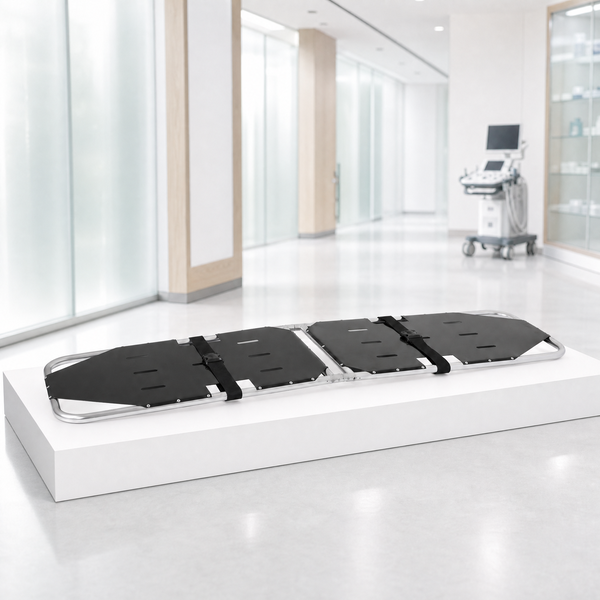
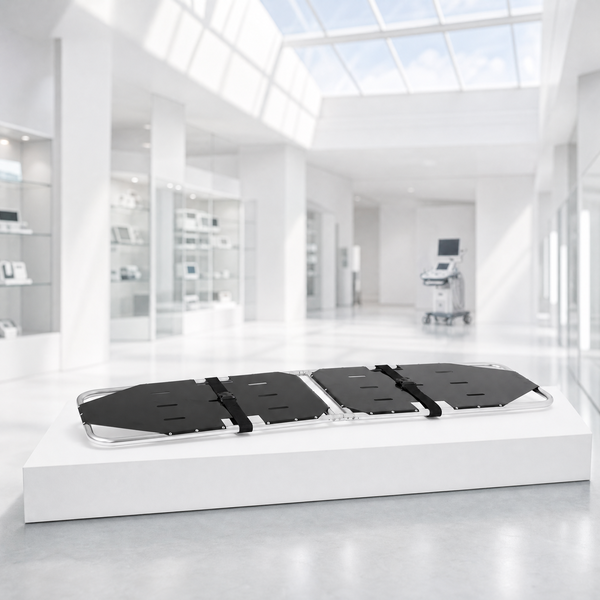
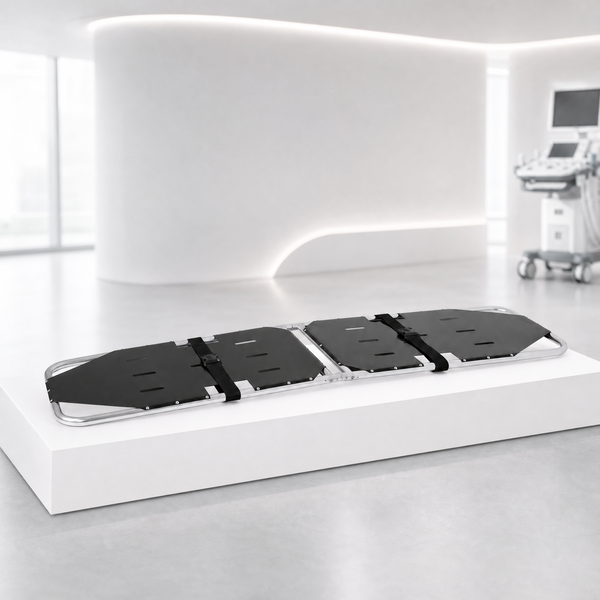
When  sourcing  stretcher boards  for  emergency  situations, it  is crucial to understand the specific needs and  requirements  that  will ensure the safety  and efficacy of patient transport. As  a vital component in emergency medical services  and hospital  settings, stretcher boards must meet various  standards and specifications  to perform optimally. This article will address key  considerations when sourcing XieHe spine board stretcher for wholesale orders,  helping  purchasing managers and  distributors navigate product specifications, quality assurance, and supplier  selection.

Why choose XieHe Stretcher board

What to Consider When Sourcing Stretcher Boards for Wholesale Orders

When sourcing XieHe stretcher boards, several factors should be  considered to meet the  operational needs of healthcare  providers  and emergency services effectively. The primary concerns include the board’s load capacity, material durability, ease of use, and compliance with relevant safety standards. One important aspect is to also consider the type of vacuum stretcher that will be used for various applications.  

Material Selection:  Stretcher boards are typically made  from lightweight yet robust materials such as high-density  polyethylene (HDPE) or aluminum. The choice  of material affects both the board's weight and its ability  to withstand various environmental conditions. HDPE offers excellent water resistance and is easy to clean, while aluminum  provides enhanced strength without adding significant weight. 

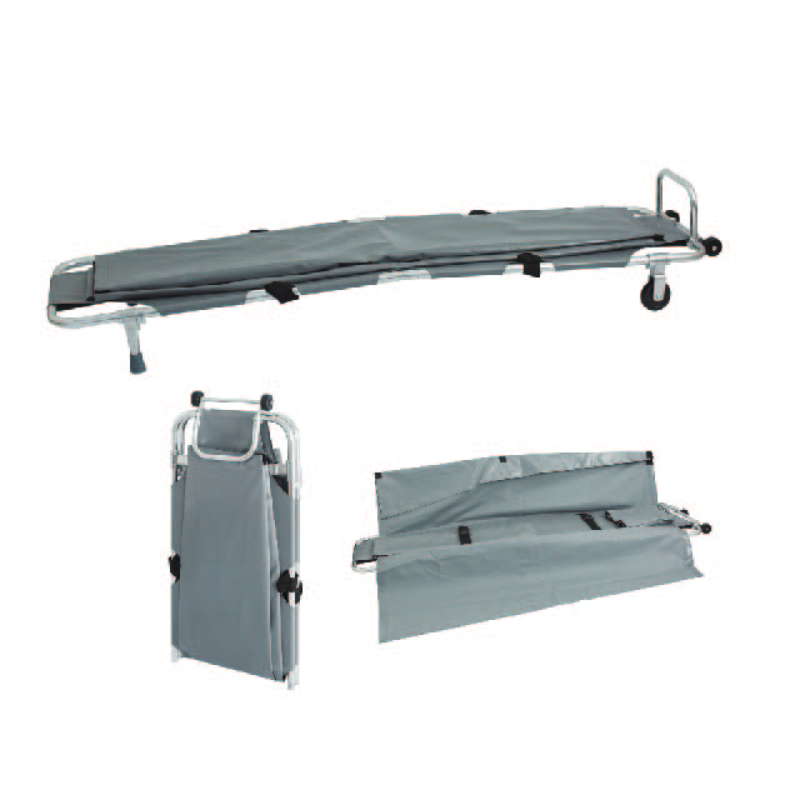
Design Features: Look for designs that enhance user experience, such as foldable options for easy storage and transport, and  features like integrated straps or handles for secure patient placement.  Consideration should also be given to the dimensions of the stretcher board to ensure compatibility with existing medical equipment. 

Compliance and Certifications: Ensure that the stretcher boards are manufactured in compliance  with international standards such as CE, FDA, and ISO 13485. These certifications indicate that the  products meet quality management and safety standards essential  for medical devices.  

Customization Options: Many suppliers offer customization services, allowing  you to tailor  the stretcher boards to specific operational needs. This may include branding, color selection, or modifications to the design to accommodate particular medical protocols. 

Frequently Asked Questions

What materials are used in the stretcher board?

Our stretcher boards are made from high-strength, medical-grade polyethylene or fiberglass with smooth, radiolucent surfaces for durability, easy cleaning, and compatibility with imaging.
Yes. Our stretcher boards are produced in facilities certified to CE, FDA, and ISO 13485 standards, ensuring compliance with international medical device regulations.
Yes. We offer customization options including size, color, patient straps, head immobilizers, and branding to meet specific clinical or emergency requirements.
Standard lead time is usually 4–8 weeks depending on order size and customization. Expedited production may be available—contact our sales team with order details.
Yes. We serve a global network across 120 countries, provide distributor partnerships, and offer after-sales support including spare parts, technical advice, and warranty service.

Our Blog Posts

What Our Partners Say

Key Specifications for Emergency Stretcher Boards in Your Projects

Key Specifications for Emergency Stretcher Boards in Your Projects

Understanding the technical specifications of stretcher boards is essential for making informed purchasing decisions. Key  specifications include:   

Weight Capacity: Most stretcher  boards should support a weight capacity of at least 150  kg (330  lbs). 

Dimensions :  The standard size for stretcher boards is approximately 180  cm (71  inches) in length and 40 cm (15.7 inches) in width. 

Surface Treatment: A non-slip surface is  critical for preventing patient movement during transport. 

Durability and Maintenance :  Consider the expected lifespan of the stretcher board and the maintenance requirements. 

Performance in Extreme Conditions: Some stretcher boards are designed for specialized  environments, such as underwater rescue operations or extreme weather conditions. 

By confirming these specifications, buyers  can ensure they select stretcher boards that meet  their operational needs effectively.

How to Choose the Right Stretcher Board for Your Needs

How to Choose the Right Stretcher Board for Your Needs

Choosing the right XieHe stretcher board involves  assessing both the operational requirements  and the specific features that meet those needs. Here are some factors to consider:   

Application Context :  Identify the environments where the stretcher board will be used, whether in an urban emergency setting, a remote location, or a hospital. 

User Training: Ensure  that the users are trained on the specific features of the  stretcher boards, including how to  secure patients safely. 

Compatibility with Other Equipment: If the  stretcher  board will be used in conjunction with other  equipment, such as  stretchers or transport vehicles, verify compatibility to avoid  operational issues. 

Feedback from End Users: Engage with healthcare professionals who use the stretcher  boards regularly to gather insights on usability and performance.  

Cost Considerations :  While pricing is a critical factor, it’s essential to evaluate the total cost of ownership,  including durability, maintenance, and required accessories. 

Taking these considerations into account will help buyers select the most suitable plastic scoop stretcher for their specific applications.

Where to Find Reliable Suppliers for Stretcher Boards

Where to Find Reliable Suppliers for Stretcher Boards

Finding reliable suppliers is crucial for sourcing high-quality stretcher boards. Here  are some strategies to identify potential suppliers: 

Industry  Trade  Shows and Conferences: Attend medical  and emergency service trade shows  to  connect with  manufacturers and suppliers. This provides  a platform to see the products firsthand and engage with  representatives about customization options.  

Online Marketplaces and Directories: Utilize B2B platforms and supplier directories to search for reputable manufacturers. Look for  suppliers with strong customer reviews and  proven track records in the industry. 

Manufacturer Certifications: Ensure the suppliers you consider have the necessary certifications, such as CE, FDA, and ISO 13485. This can serve as a quality assurance indicator that the products meet international safety standards.  

Networking within the Industry: Engage with peers  in the medical and emergency services field to gather recommendations  for trusted suppliers. Personal referrals can lead  to reliable partnerships.  

Request for Quotations  (RFQ) :  Prepare and  send RFQs to multiple suppliers to compare pricing, quality, and lead times. This process helps  ensure competitive pricing and allows  for a thorough evaluation of potential partners.  


Applications of Stretcher Boards in Emergency and Medical Settings

Stretcher boards play a  vital role in various emergency and medical applications, ensuring the safe and efficient transport of patients. Key  applications include: 

Emergency Medical Services (EMS): Stretcher boards are used by paramedics to  transport patients from the scene of an accident to ambulances. Their lightweight design and  secure fastening systems ensure patient safety during transit. 

Hospital Transfers: Within hospital settings, stretcher boards facilitate the movement of patients between departments, such  as from the emergency room to surgical units. Their compatibility with other medical equipment enhances workflow efficiency. 

Search and Rescue  Operations: In rescue scenarios, stretcher boards provide a reliable means of transporting injured individuals from difficult terrains. Their robust  construction and lightweight materials enable quick deployment in urgent situations. 

Rehabilitation: In physical therapy and rehabilitation settings, stretcher boards assist therapists in moving patients safely during treatment. Their  design allows for easy  maneuverability, supporting both patient comfort and safety. 

Mass Casualty Incidents: During large-scale emergencies, stretcher boards are essential for efficiently transporting multiple patients. Their stackable designs and ease of use help  streamline operations in  crisis situations.