Key Specifications to Review
When evaluating stair chairs for seniors, several specifications are crucial for ensuring the product meets safety and usability standards.
Weight Capacity: Most stair chairs have a specified weight limit, typically ranging from 250 to 400 pounds. It's essential to select a model that can safely accommodate the intended users, as exceeding this limit can lead to mechanical failures or accidents.
Seat Dimensions: The width and depth of the seat affect comfort and usability. A seat height of around 18 to 20 inches is standard for many users, but it's advisable to assess the specific needs of the target demographic.
Material Quality: Stair chairs are often constructed from various materials, including aluminum, steel, and high-density plastic. Each material offers different benefits in terms of weight, durability, and corrosion resistance, which should align with the intended use environment.
Safety Features: Look for features such as seat belts, non-slip surfaces, and automatic braking systems. These features enhance user safety and should be a priority during the selection process.
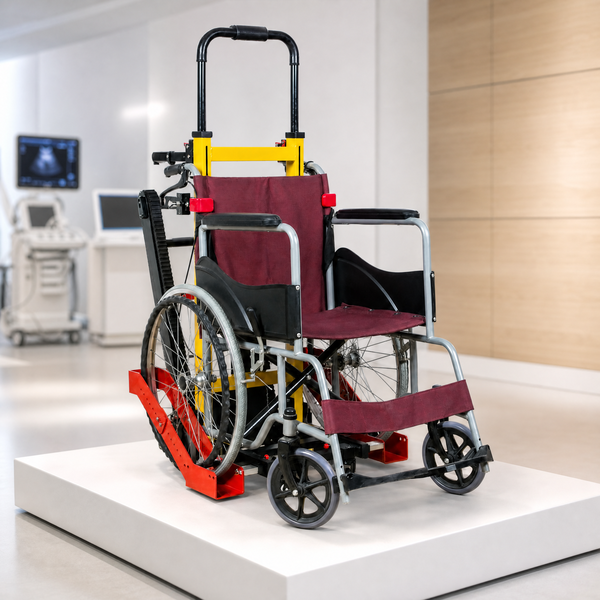
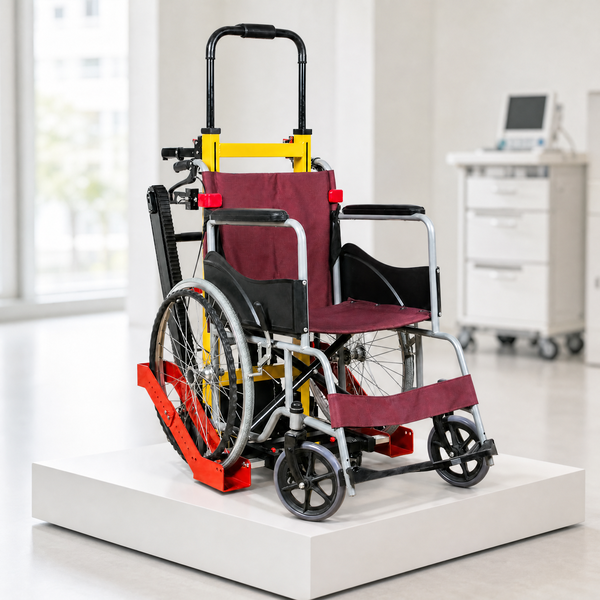
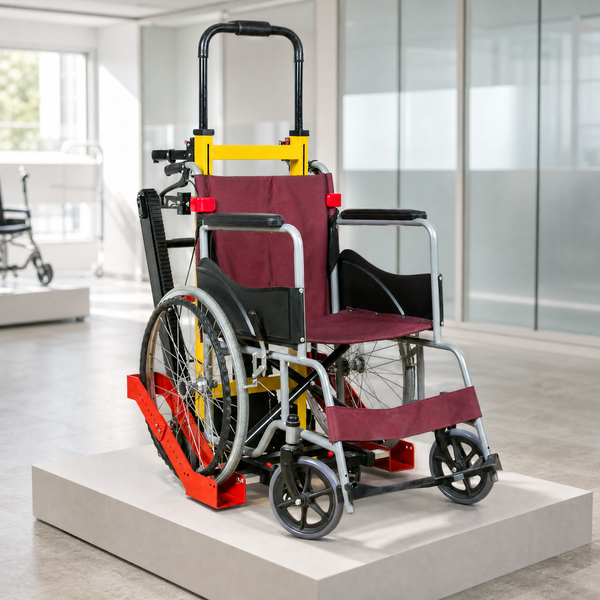
Mobility Mechanism: Understanding whether the chair operates manually or is powered is critical. Electric stair chairs provide ease of use, while manual options may require more strength but can be more reliable in power outages. For example, the YXH-5P Stair Stretcher is a great option that combines reliability and ease of use.
Certification and Compliance: Ensure that the stair chairs comply with relevant safety standards, such as CE, FDA, and ISO certifications. This not only assures quality but also meets regulatory requirements in various markets.
 EN
EN