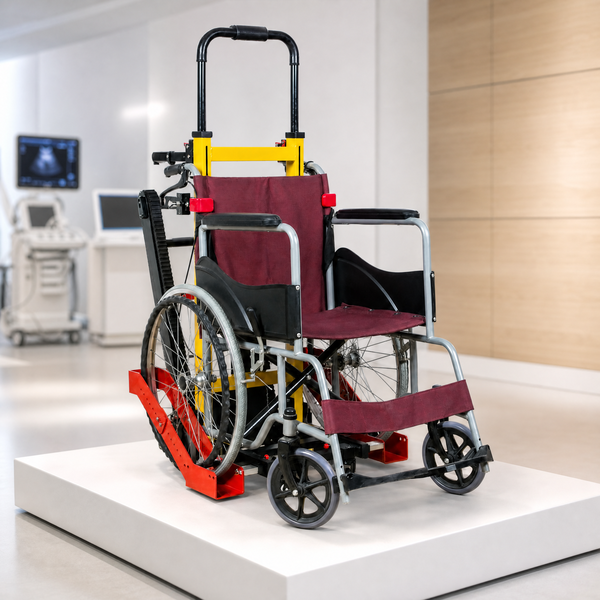
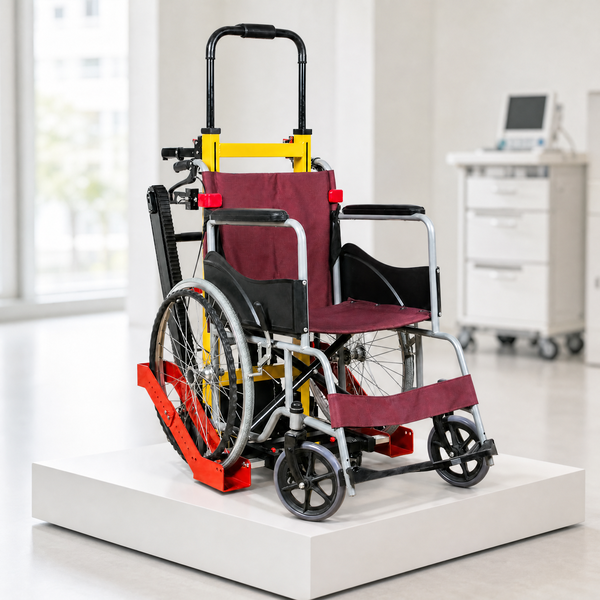
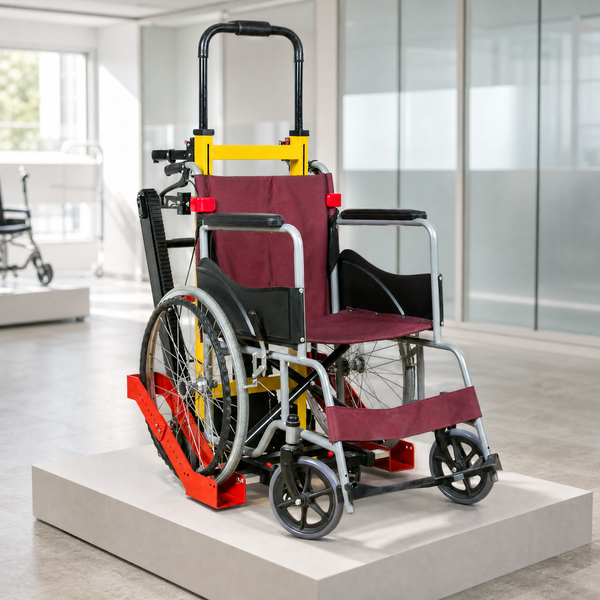
Stair Chairs for Seniors: Key Specifications & Tips

Zhangjiagang Xiehe Import & Export Co., Ltd.

application/stair-chairs-for-seniors, application/stair-chairs-for-seniors, 
Inquiry
Inquiry

stair chairs for seniors

Stair chairs for  seniors are essential mobility aids designed to  enhance the independence and safety of elderly  individuals  when navigating stairs. These products are particularly relevant to purchasing managers, distributors, and engineers in  the healthcare and mobility sectors, as  they address critical concerns regarding safety, ease of  use, and  effective support for seniors.  This article will  explore the key  specifications, bulk order considerations, best practices,  common issues, and  cost factors associated  with stair chairs  for seniors, providing  buyers  with the knowledge they need  to make  informed  purchasing decisions.

Why choose XieHe stair chairs for seniors

Our Products

Key Specifications to Review

When evaluating stair chairs for seniors, several specifications are crucial for ensuring the product meets safety  and usability standards.

Weight  Capacity: Most stair  chairs have a specified weight limit, typically ranging from  250 to 400 pounds. It's essential to select  a model that can safely accommodate the intended users, as exceeding this limit can lead to mechanical failures or accidents.

Seat Dimensions: The width and depth of the seat affect comfort and usability. A seat height of around 18 to 20 inches is standard for many users,  but it's advisable to assess the specific needs of the target demographic.

Material Quality: Stair chairs are often constructed from various materials, including aluminum, steel, and high-density plastic. Each material offers different benefits  in terms of weight, durability, and corrosion resistance, which  should align  with the intended use environment.

Safety Features: Look for features such as seat belts, non-slip surfaces, and automatic braking systems.  These  features enhance user safety and  should be a priority during  the selection process.

Mobility Mechanism: Understanding whether the chair operates manually or is powered  is critical. Electric stair chairs  provide ease of use, while manual options  may require  more strength but can be more reliable in power outages. For example, the YXH-5P Stair Stretcher is a great option that combines reliability and ease of use.

Certification and Compliance: Ensure that the stair chairs comply with relevant safety standards, such as CE, FDA, and ISO  certifications. This not only assures quality but also meets regulatory  requirements in various markets.

Frequently Asked Questions

Our Blog Posts

What Our Partners Say

Bulk Order Considerations for Stair Chairs for Seniors

Bulk Order Considerations for Stair Chairs for Seniors

When planning to purchase stair chairs in bulk,  several factors  must be considered  to optimize the procurement process:

Minimum Order Quantity (MOQ): Different suppliers may have varying MOQs. Understanding this  will help in negotiating terms and ensuring that the quantities align with your inventory management practices.

Customization Options: Many manufacturers,  including  Zhangjiagang Xiehe Import Export Co., Ltd., offer customization in terms of  colors, materials, and additional features. Clarifying  these  options  upfront can enhance  product appeal to end-users.

Lead Times: Bulk orders often have  different lead times than single orders. Confirming  production schedules  and shipping timelines will help avoid supply chain  disruptions.

Shipping and Packaging: Discuss packaging methods that ensure safe transportation  without damage. Efficient packaging can also reduce shipping costs, a critical factor in bulk purchasing.

Quality  Assurance: Establish quality inspection protocols before bulk orders are finalized. This may include  requesting samples for approval and discussing the manufacturer’s quality control processes.

Best Practices

Best Practices

Implementing best practices in the selection and  use of stair chairs  for seniors can significantly enhance user satisfaction and safety:

User Assessment: Conduct thorough assessments of  potential users to determine their specific needs, including mobility levels and physical  limitations. This ensures selection of the  most suitable model.

Installation Guidelines:  Provide clear installation instructions to ensure that the stair chair is set up correctly, as improper installation can lead to malfunction or user injury.

Training: Offer training sessions for caregivers and  users on  how to operate the stair chair effectively. Familiarity with the product  can significantly improve safety and  usability.

Regular  Maintenance: Establish a maintenance schedule to periodically check the  stair chair's condition. Regular inspections can  identify  wear  and tear before they  become serious  issues.

Feedback Loop: After deployment, create a feedback mechanism to gather insights from users and caregivers. This information can guide future purchasing decisions and product improvements.

Common Problems with Stair Chairs and Practical Solutions

Common Problems with Stair Chairs and Practical Solutions

Despite their benefits, stair chairs can encounter various issues that may affect performance:

Mechanical Failures: Regular use can lead to wear and  tear on mechanical components. Establishing a preventive maintenance program can help identify potential issues before they result in failures.

User Resistance:  Some seniors may be hesitant to use stair chairs due to  fear or discomfort. Providing education on the  benefits and safety features can encourage  acceptance.

Space Constraints: In some  homes,  stairways may not easily accommodate  stair chairs. Solutions such as compact models  or custom designs can address  this  limitation.

Power  Issues: For  electric models, consider battery  backup options in case of power outages. This ensures continued  usability and safety for users.

Improper Use: Educating users  and caregivers about the  correct usage of  stair chairs can prevent accidents and misuse, enhancing  safety and longevity.

Cost Factors to Consider When Buying Stair Chairs for Seniors

Cost Factors to Consider When Buying Stair Chairs for Seniors

Understanding the  cost factors involved in purchasing stair chairs for seniors is vital  for effective budgeting:

Initial Purchase Price: This includes the base cost  of the stair chair,  which can vary  significantly based on features, materials,  and brand reputation.

Transportation Costs: Calculate  shipping fees, especially for bulk orders, as these can add  a substantial amount to the overall cost. Consider local suppliers to reduce these  expenses.

Installation Costs: Depending on the complexity of the installation, additional labor costs may be incurred. It’s often beneficial to work with experienced installers.

Maintenance and Repairs:  Factor in potential long-term maintenance costs.  Investing in high-quality products may reduce these expenses over time. For instance, the YXH-1H Folding Stretcher is known for its durability and low maintenance needs.

Customization Costs: While  customization can enhance product  appeal, it  may also increase costs.  Be clear on what  features are essential versus those that are optional.

By considering  these aspects, purchasing  managers and distributors can  ensure that  their investment in stair chairs for seniors meets the needs of their customers while remaining within budget.