Choosing the Right Soft Stretcher for Emergencies

Zhangjiagang Xiehe Import & Export Co., Ltd.

application/soft-stretcher, application/soft-stretcher, 
Inquiry
Inquiry

soft stretcher

When  it comes  to emergency preparedness,  a soft stretcher is  an essential  tool for transporting  injured individuals safely and efficiently. These versatile  devices are designed for a variety  of scenarios, from  medical emergencies to rescue operations. For  B2B buyers, particularly  purchasing managers, distributors, and healthcare professionals, understanding  the key features,  benefits, and application of  soft stretchers  is crucial. This article will guide you through  selecting the right soft  stretcher for your needs, highlighting important considerations to  ensure  you make an  informed purchase.

Why choose XieHe soft stretcher

Choosing the Right Soft Stretcher for Your Emergency Needs

Selecting the appropriate soft stretcher involves understanding the specific requirements of your application.  Key factors to consider  include the stretcher’s material, weight  capacity,  dimensions, and design features. Soft stretchers  are typically made from durable, lightweight materials such as nylon or polyester, providing flexibility while ensuring strength. 

When evaluating a soft stretcher,  consider the following specifications:

Weight  Capacity: Ensure the stretcher can support the maximum weight you  expect to transport. A stretcher with inadequate weight capacity may compromise safety. Dimensions: The size of the stretcher should be suitable for the intended users and the environments  in which it will be deployed. Compact models  may be necessary for tight spaces, while larger models may be better for outdoor use. Material Quality: Look for stretchers with high-quality, tear-resistant fabrics that are easy to clean and maintain. This is particularly important for use  in healthcare settings, where hygiene is  a priority.

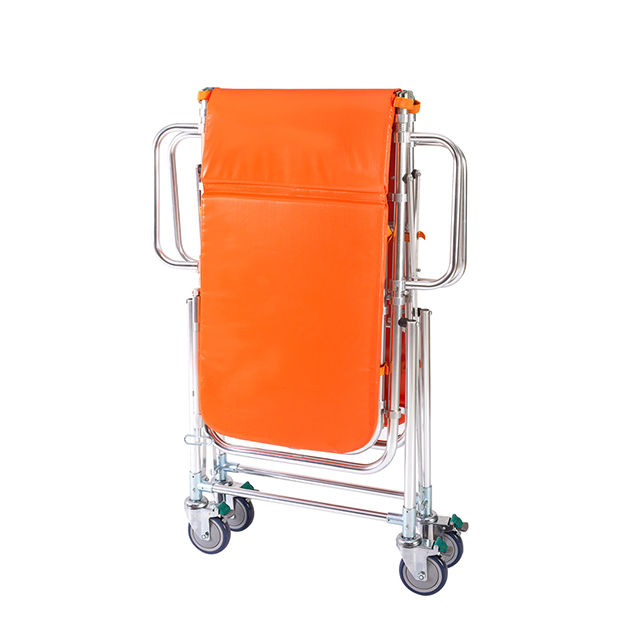
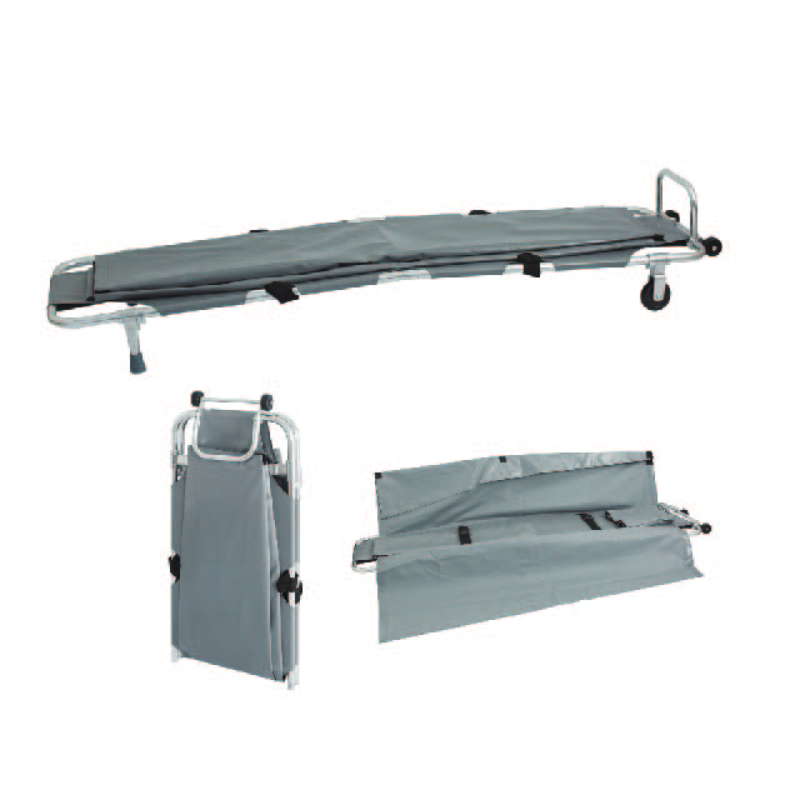
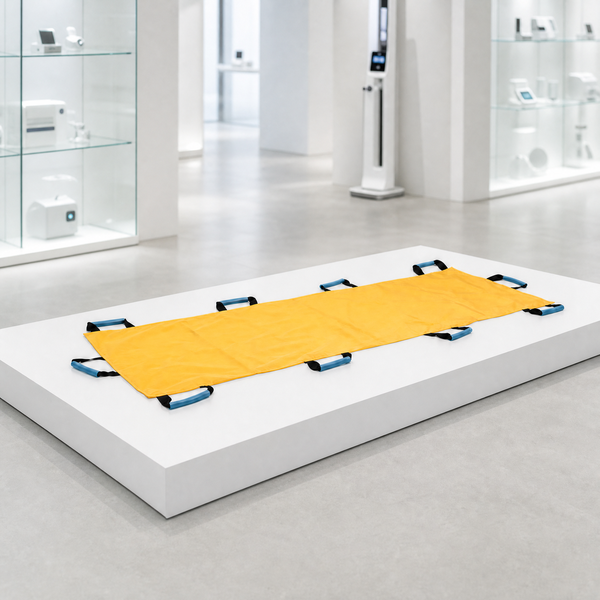
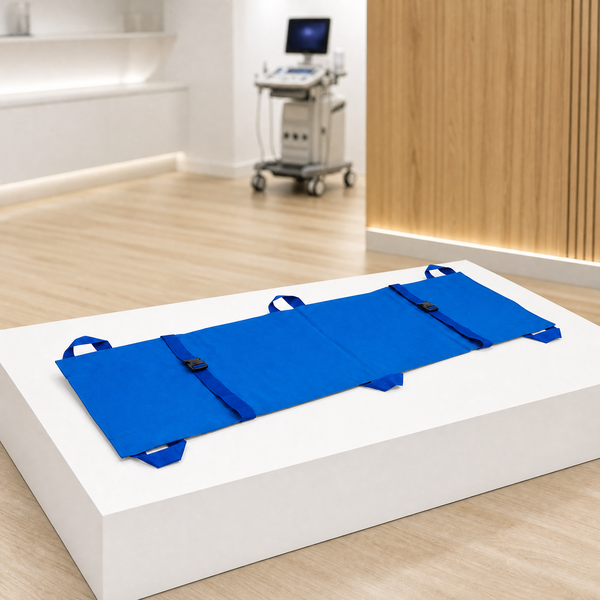
Choosing  the  right soft stretcher depends on the context of its use—whether for emergency  medical services, disaster relief,  or industrial applications. For example, the YXH-1H Folding Stretcher is a versatile option that meets various needs.

Frequently Asked Questions

Our Blog Posts

What Our Partners Say

Features and Benefits for Contractors

Features and Benefits for Contractors

For contractors  involved in construction or industrial operations,  soft  stretchers offer several advantages. Their lightweight and flexible design make them easy to store  and  transport on-site. Key features include:

Portability: Soft stretchers can  be rolled or folded for compact storage, making them ideal for contractors who require mobility and efficiency.  Ease of Use: Many soft stretchers come equipped with handles  and straps  to facilitate quick and secure transport, allowing workers to  respond  rapidly  to emergencies. Versatility: They  are  adaptable  for various applications, including rescue  missions and medical evacuations, providing contractors with a  multi-functional tool.

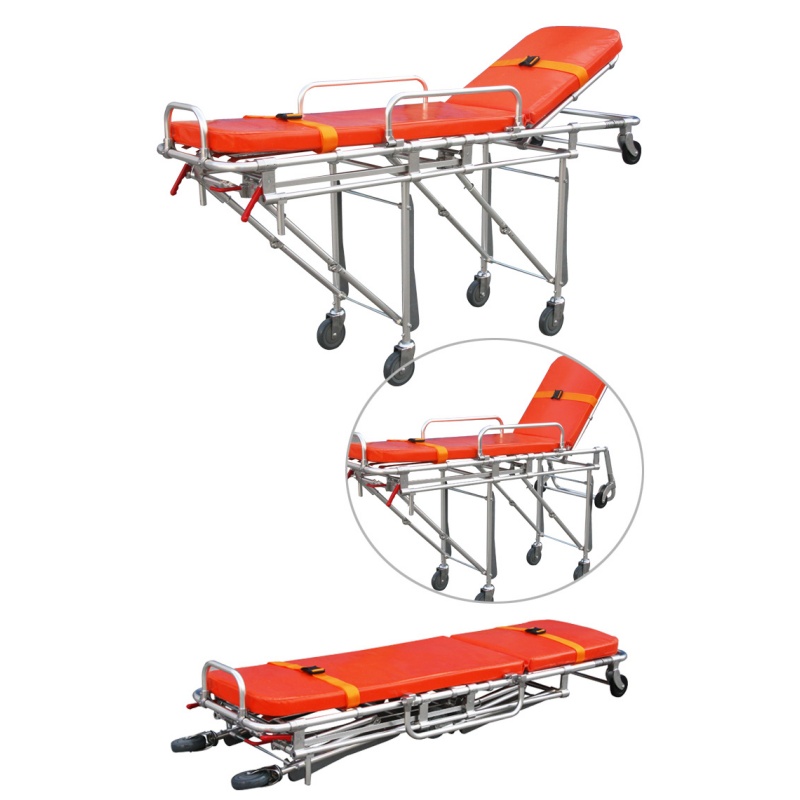
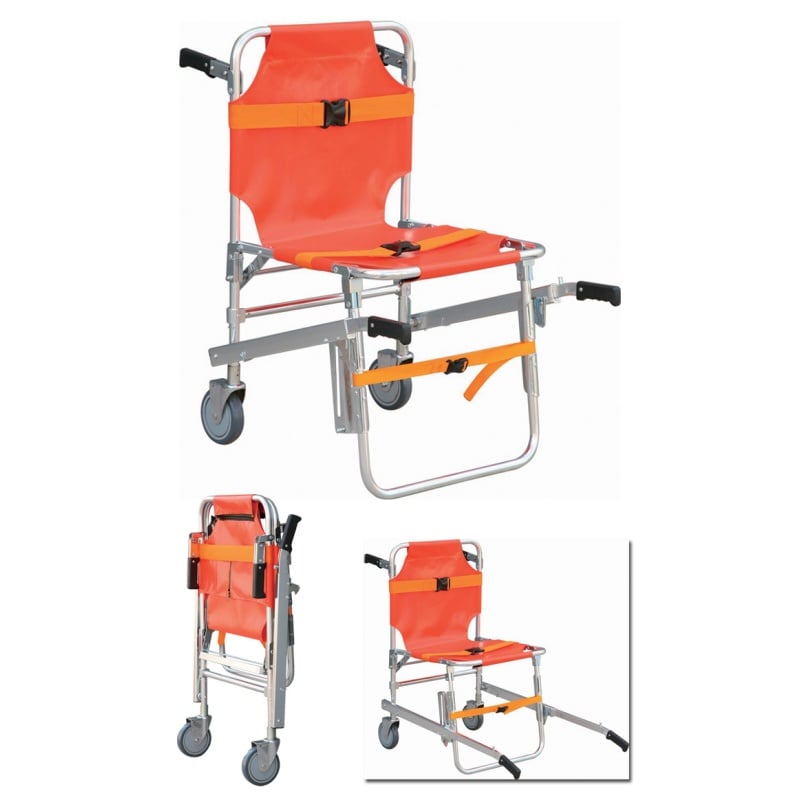
By investing in high-quality soft stretchers, contractors can enhance safety protocols and  ensure that their  teams are prepared for any  emergency. For instance, the YXH-5P Stair Stretcher is particularly useful in tight spaces.

Installation Guidance for Soft Stretchers in Emergency Situations

Installation Guidance for Soft Stretchers in Emergency Situations

Proper  installation and usage of soft stretchers are critical for ensuring  the safety of both the patient and the personnel involved in  the transport. Here are a few  recommendations for  effective use in emergency situations:

Assess the Situation: Before  using a soft stretcher, evaluate the scene to  determine the safest way to approach the patient. Ensure  that the  area is clear of hazards.

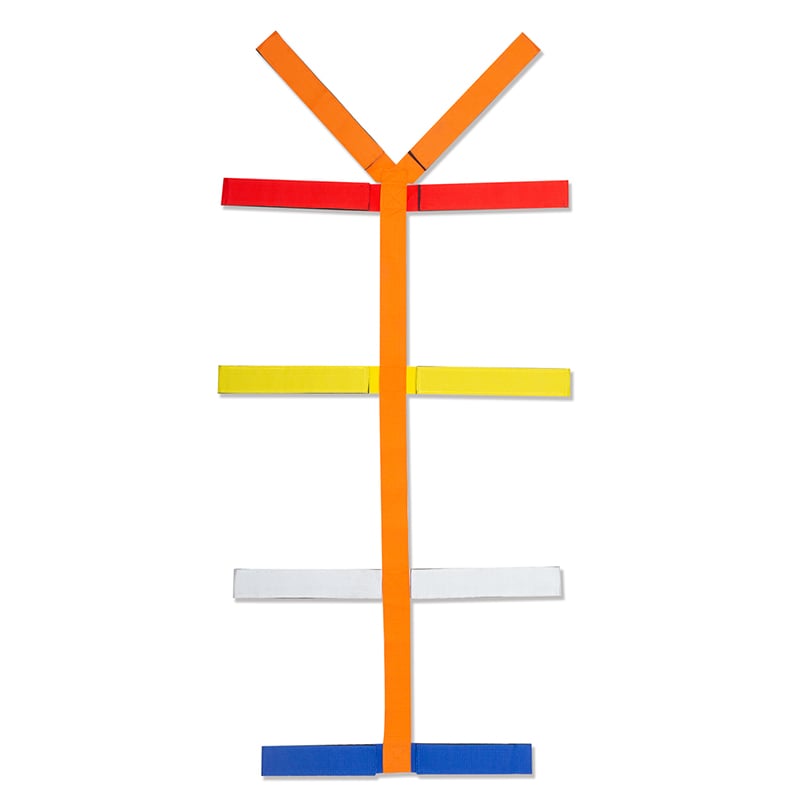
Secure  the Stretcher: When preparing to use a soft stretcher, lay it flat  and  secure the patient properly using straps or buckles. This prevents movement during transport, reducing  the risk of further injury.

Team  Coordination: Ensure all personnel involved  in the lifting and transport are on the same page. Use clear communication to coordinate movements, especially when navigating through tight spaces or uneven terrain.

Correct installation and  proper  handling techniques  are paramount in  achieving effective and safe patient transport with soft stretchers.

Common Problems with Soft Stretchers and Practical Solutions

Common Problems with Soft Stretchers and Practical Solutions

While soft stretchers are invaluable tools, users may encounter a few common  issues. Here  are some potential problems and  their solutions:

Wear and  Tear: Over time, the fabric of a soft stretcher may become frayed  or damaged. Regular inspections  for signs of wear are essential. Address any  issues  immediately  by either repairing or replacing the  stretcher to maintain safety standards.

Weight Distribution: Improper weight distribution  can lead to instability during transport. Ensure that the patient is positioned correctly and that their weight is evenly distributed  across the stretcher. Using additional support such  as padding  can help balance the load.

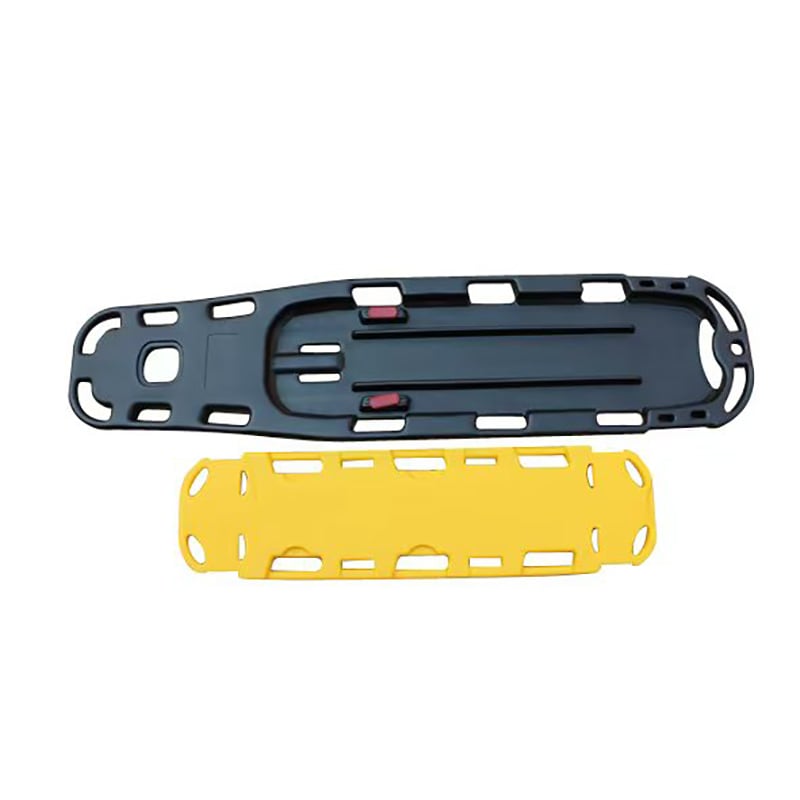
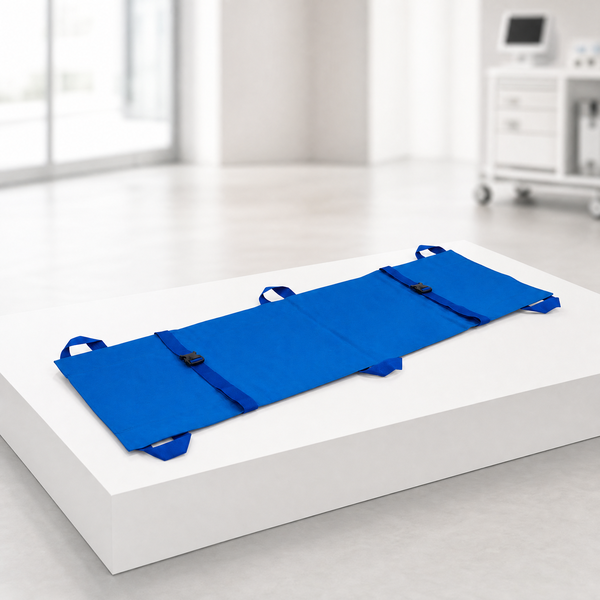
Cleaning Challenges: Soft stretchers used in medical environments can become  contaminated. Select models that are machine washable or can be easily disinfected to comply with hygiene standards. The YXH-4F Scoop Stretcher is a great option for easy cleaning.

By anticipating  these common issues  and implementing proactive solutions, users can  extend the life and effectiveness  of their soft stretchers.

Applications of Soft Stretchers in Healthcare and Emergency Services

Applications of Soft Stretchers in Healthcare and Emergency Services

Soft  stretchers serve a wide range of applications in  both healthcare  and emergency services.  Their  adaptability makes them suitable for various situations:

Healthcare Settings: In hospitals or  clinics, soft stretchers are  often used to  transport  patients between departments. Their design  enables safe and comfortable movement, minimizing the risk of exacerbating injuries.

Emergency Response:  First responders  utilize soft stretchers in disaster relief or accident  scenarios. They can  be deployed quickly in various environments, from urban settings to challenging outdoor terrains, making them  essential for swift patient care.

Industrial Use: In  construction or manufacturing industries, soft stretchers can assist in transporting injured workers from  hazardous sites to safety. Their lightweight design allows for  easy maneuverability in confined spaces.

Understanding the diverse applications  of soft stretchers helps healthcare providers and emergency services ensure they are prepared for any situation that may arise.