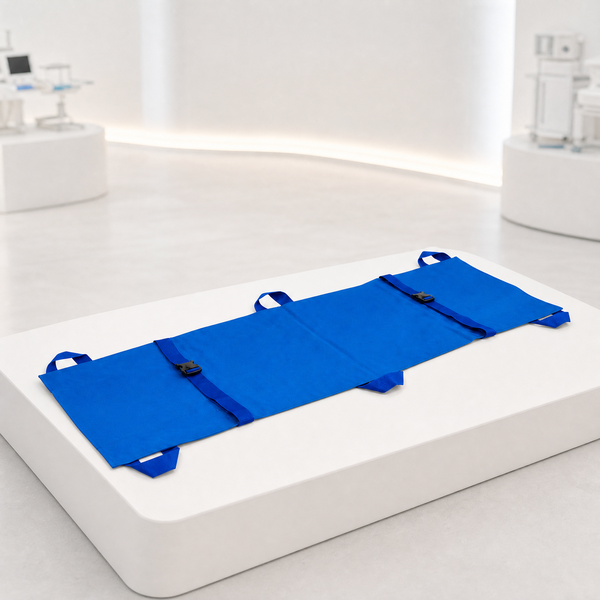
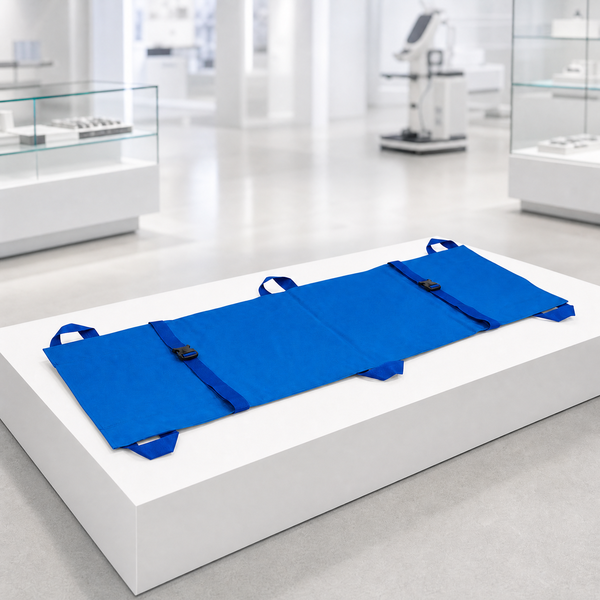
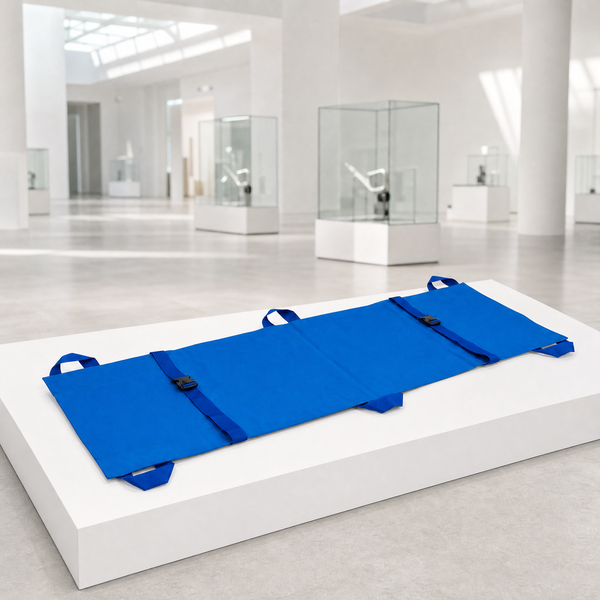
Wholesale Soft Carry Stretchers for Emergency Use

Zhangjiagang Xiehe Import & Export Co., Ltd.

application/soft-carry-stretcher, application/soft-carry-stretcher, 
Inquiry
Inquiry

soft carry stretcher

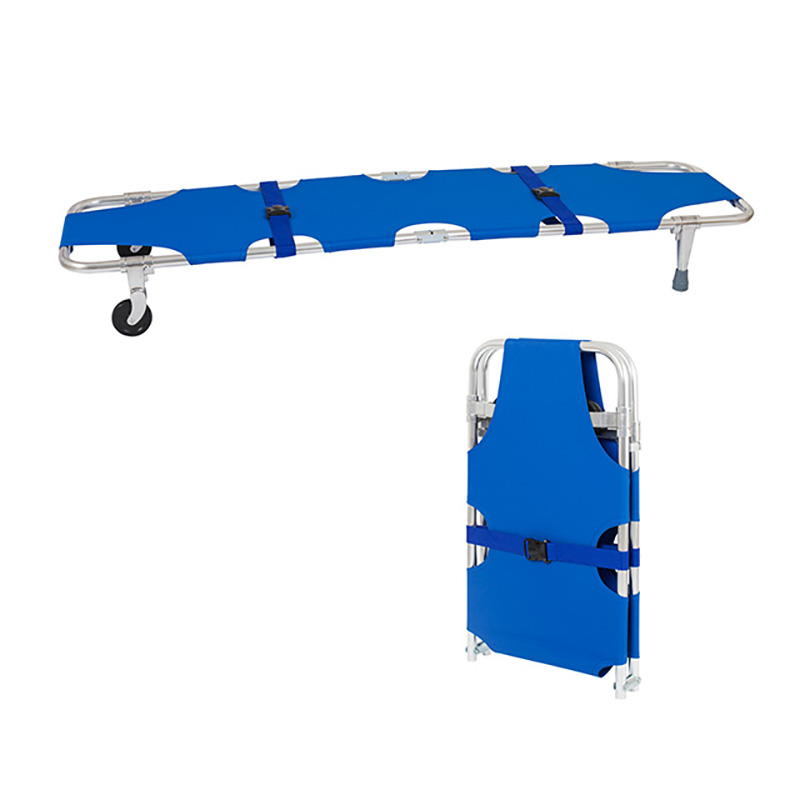
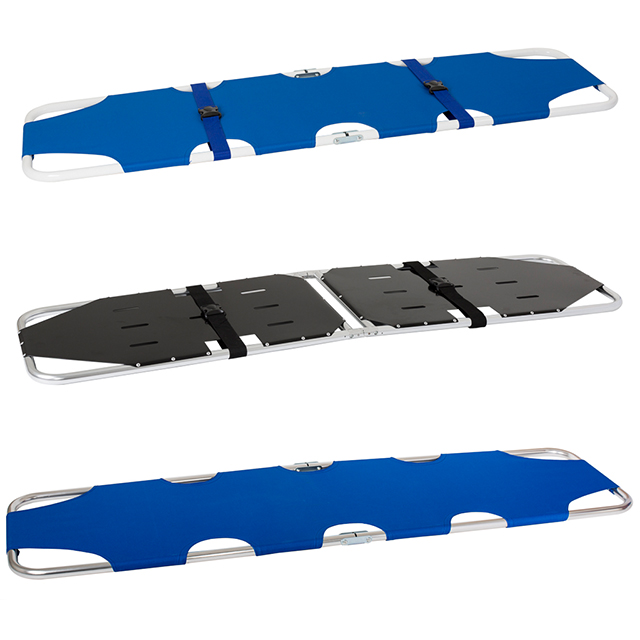
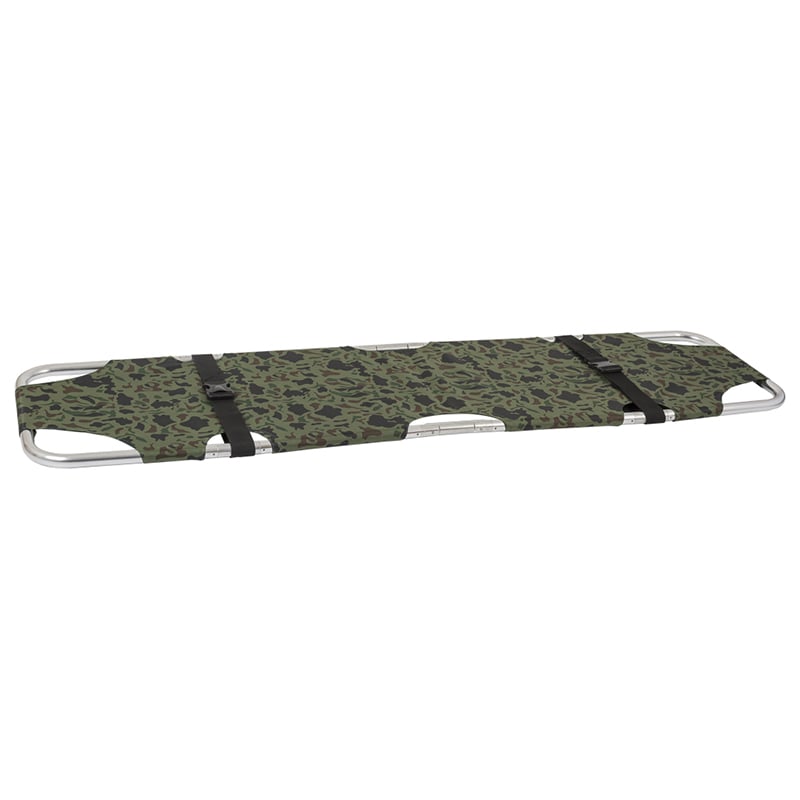
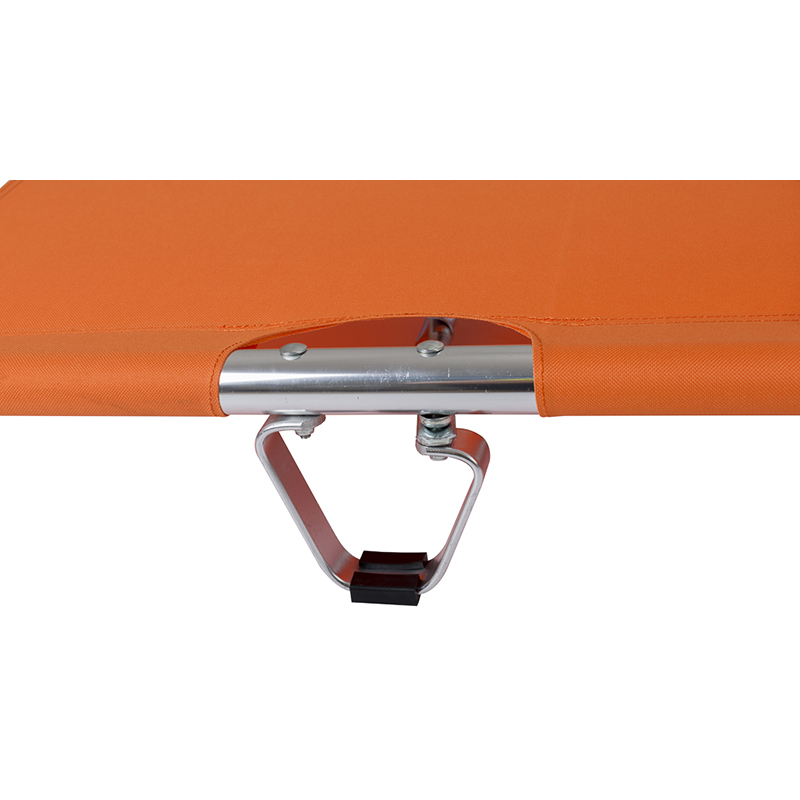
Emergency medical situations require reliable and efficient equipment, making soft  carry stretchers an essential  tool for first responders. These  stretchers are designed to provide a lightweight  and portable  solution for transporting patients safely. When considering a purchase, B2B buyers often prioritize factors like  quality, cost, and application suitability.  This article will  explore  key aspects of  soft  carry  stretchers, including  sourcing,  pricing considerations,  applications, common  issues, and installation guidance  to  help  inform  your purchasing decisions.

Why choose XieHe soft carry stretcher

Where to Source Reliable Soft Carry Stretchers Wholesale

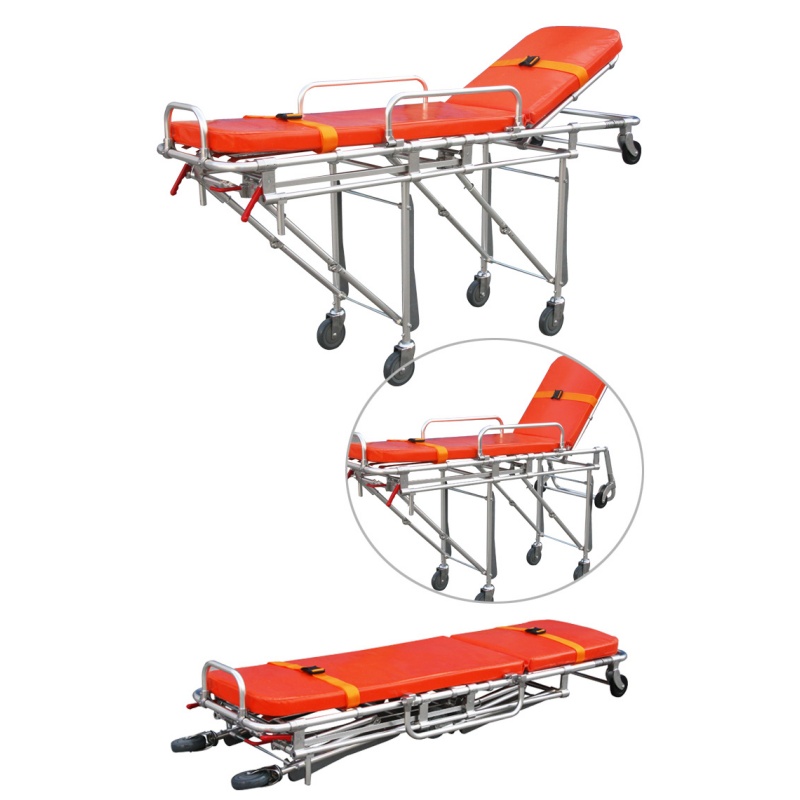
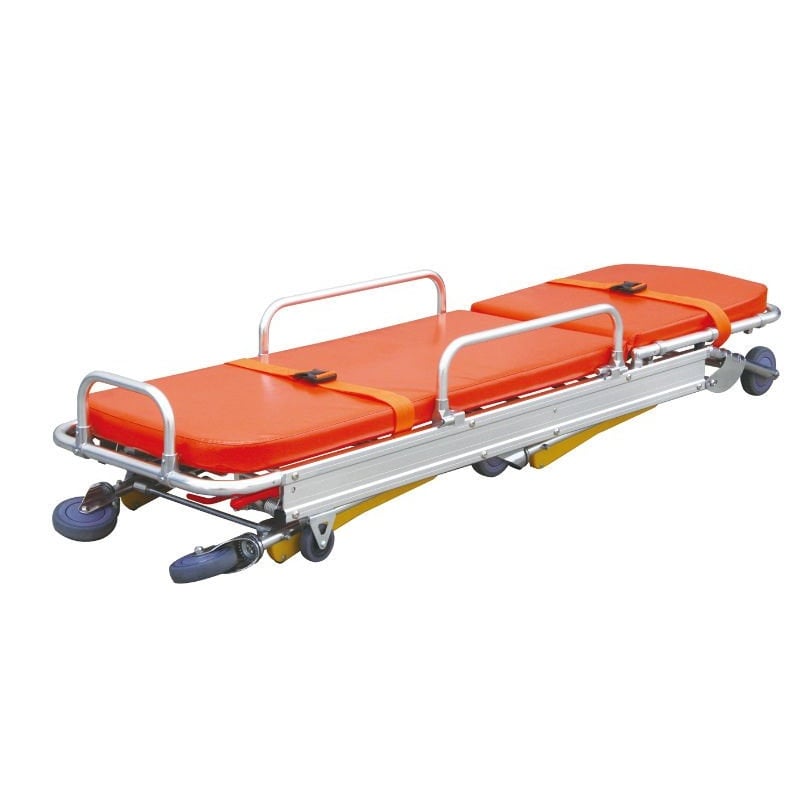
Identifying a trustworthy supplier for  soft carry stretchers is crucial for ensuring quality and reliability  in emergency situations.  Look for  manufacturers with relevant certifications such as CE,  FDA, and ISO 13485, which indicate adherence to  international quality standards. Zhangjiagang Xiehe Import Export Co., Ltd., for example,  is a recognized supplier offering a range of emergency  stretchers, including soft carry options, tailored to meet diverse market needs. One of their popular products is the YXH-1H Folding Stretcher, known for its portability and reliability.

When sourcing, consider the following:

Reputation: Research potential suppliers through industry reviews, testimonials, and their history of  working with  distributors in your region. Customization Options: Ensure that the supplier can accommodate specific  requirements, such as material  preferences, size variations, and branding needs. Production Capabilities:  Assess the  manufacturer’s ability to meet  your order volume  and delivery timelines. A supplier with a robust production process  is more likely to fulfill large orders efficiently.

Engaging with suppliers  who have  a global footprint can also  provide insights into market trends and innovations in stretcher technology.

Frequently Asked Questions

Our Blog Posts

What Our Partners Say

Cost Factors to Consider When Purchasing Soft Carry Stretchers

Cost Factors to Consider When Purchasing Soft Carry Stretchers

The  pricing of soft carry stretchers can vary significantly based on several factors. Buyers should  consider the following  when evaluating costs:

Material Quality: The choice of fabric—such as  nylon or polyester—affects durability and weight, which in turn influences  pricing. Higher-quality  materials often come at  a premium but can provide better performance and longevity. Customization: Custom features, such as additional padding, color  options, or branding, can increase the unit price.  Define your requirements clearly to  get accurate quotes.  Order  Volume: Many manufacturers offer bulk discounts. Understanding your minimum order quantity (MOQ) can help in negotiating  a better price. Shipping and Handling: Factor in logistics costs, which can  include freight  charges, import duties, and  packaging. Suppliers with experience in international shipping may provide cost-effective  solutions.

When preparing  for an  RFQ, it’s advisable to list specific  requirements, including desired quantities and any customization needs, to receive accurate and comprehensive pricing.

Applications of Soft Carry Stretchers in Emergency Situations

Applications of Soft Carry Stretchers in Emergency Situations

Soft  carry  stretchers are versatile tools in various  emergency scenarios. Their applications include:

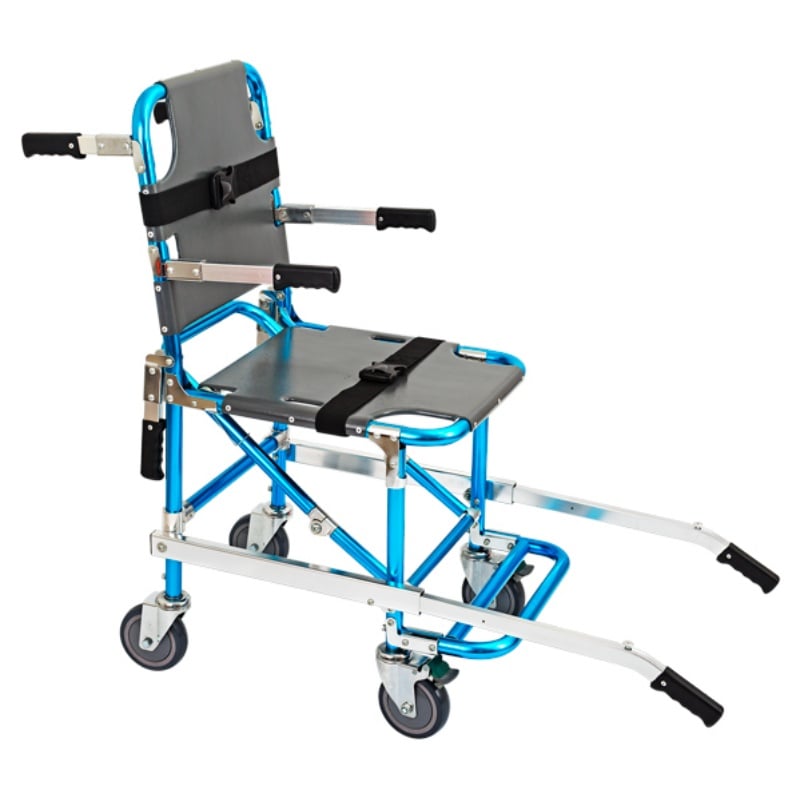
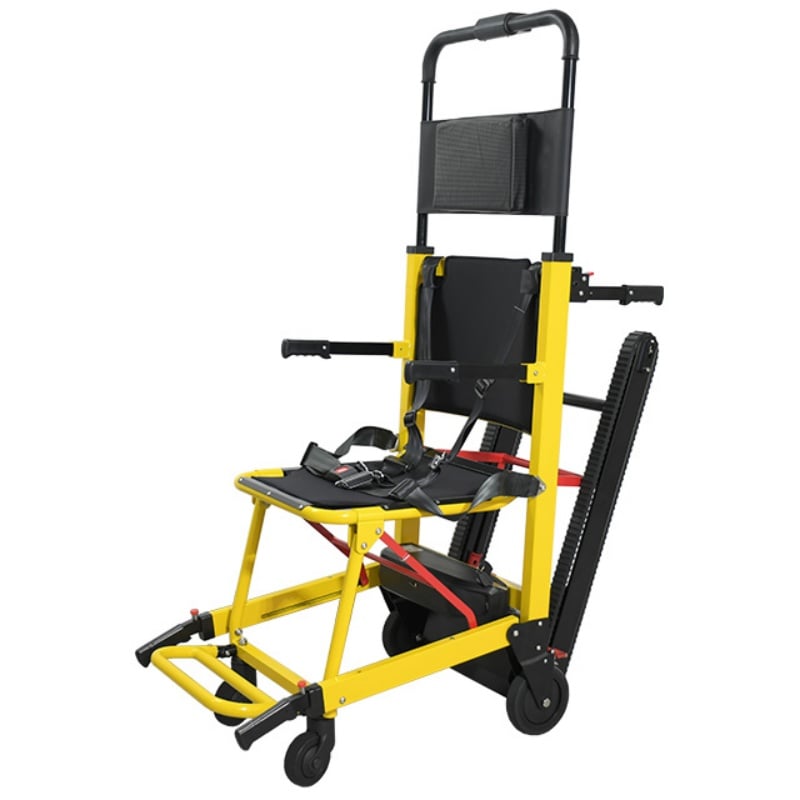
  Medical Emergencies: Ideal for transporting patients in non-critical conditions, these stretchers  can be deployed in ambulances, hospitals, or on-site rescue operations. Disaster Response: In  situations like natural disasters where mobility is  essential,  soft carry stretchers can be folded  and carried easily to access areas that might be difficult to reach with  traditional  stretchers. Sporting Events: Medical teams often use these stretchers to quickly transport injured athletes  off the  field  to ensure  timely medical care. Consider the YXH-5N Stair Stretcher for events requiring quick and efficient transportation of patients.

The lightweight and compact  design of  soft carry stretchers makes  them suitable for  use  in tight spaces and challenging environments, which is a significant advantage for emergency personnel.

Common Problems with Soft Carry Stretchers and Effective Solutions

Common Problems with Soft Carry Stretchers and Effective Solutions

While soft carry stretchers  are  designed for durability, they can  encounter issues that affect their performance. Here are common problems and potential solutions:

Wear and Tear: Frequent use can lead to fabric  fraying or  stitching failure. To mitigate this, conduct regular inspections and ensure  that your supplier offers  replacement parts or repair services. Weight Capacity:  Each stretcher has a maximum load capacity. Overloading can compromise safety and durability. Always  confirm the specifications and  educate users about  weight limits. Storage and Maintenance: Improper  storage can  lead to  damage. Ensure  that stretchers are kept in a dry, cool area away from direct sunlight, and periodic cleaning according to manufacturer guidelines can extend  their lifespan.

By addressing these common concerns proactively, you  can enhance the reliability and  longevity of your soft carry  stretchers.

 
Installation Guidance for Optimal Use of Soft Carry Stretchers

Installation Guidance for Optimal Use of Soft Carry Stretchers

Proper installation and usage of  soft  carry stretchers are vital for ensuring safety and efficiency in emergency situations. Here are some key considerations:

Familiarization with the Product: Ensure that all users are trained on how to deploy and  secure the stretcher correctly. This includes understanding any safety features and how to adjust straps for patient security. Regular  Inspections: Before each use, inspect the stretcher for any signs of damage, such as tears in  the fabric or compromised buckles.  Address any issues immediately to avoid failures during critical moments. Weight Distribution: When loading a patient,  ensure balanced weight distribution on the  stretcher. This prevents tipping and makes  transport smoother and  safer. User Protocols: Establish protocols for  how many personnel should be involved in lifting and  carrying the stretcher, especially when dealing with heavy or unresponsive patients. This minimizes the risk of  injury to both  the patient and the responders.

By implementing these practices, you can maximize the efficiency  and effectiveness  of soft  carry stretchers  in your emergency response efforts.

In  summary, understanding the nuances of soft carry stretchers—from sourcing to application and maintenance—empowers B2B buyers  to make informed decisions that enhance their operational readiness and patient care capabilities.