Short Spinal Boards for Emergency Medical Use

Zhangjiagang Xiehe Import & Export Co., Ltd.

application/short-spinal-board, application/short-spinal-board, 
Inquiry
Inquiry

short spinal board

Short  spinal boards are essential tools for emergency  medical services,  providing a safe and effective way  to transport patients with  suspected spinal injuries.  When considering short  spinal boards for wholesale purchase, buyers often focus  on factors  like durability, weight capacity, and ease  of use. This article  will help purchasing managers, distributors,  and  other  B2B buyers understand how  to evaluate short  spinal boards, compare suppliers,  and ensure  they make informed decisions when sourcing these  critical medical devices.


Why choose XieHe short spinal board

Our Products

How to Compare Short Spinal Boards for Wholesale Purchases

When comparing short spinal boards,  it's important to consider several key specifications  that can influence their performance and suitability for various applications. These specifications include dimensions, weight capacity, materials, and design features.

Dimensions: The length and  width of  the spinal board  should accommodate a wide range of patient sizes. A standard size typically ranges from  72 to 84 cm in length.  Ensure the board can comfortably support patients without excessive overhang.

Weight Capacity: Most short spinal boards should support  a minimum weight capacity of 250 kg  (approximately 550 lbs). This ensures they are suitable for  a variety of patients, including those with higher body weights.

Materials: Common  materials used in the construction of short spinal boards include polyethylene and fiberglass. Polyethylene boards  are lightweight and resistant to moisture, while fiberglass offers added durability. Evaluate the material based on  the expected usage frequency  and environmental conditions where the board will be used.

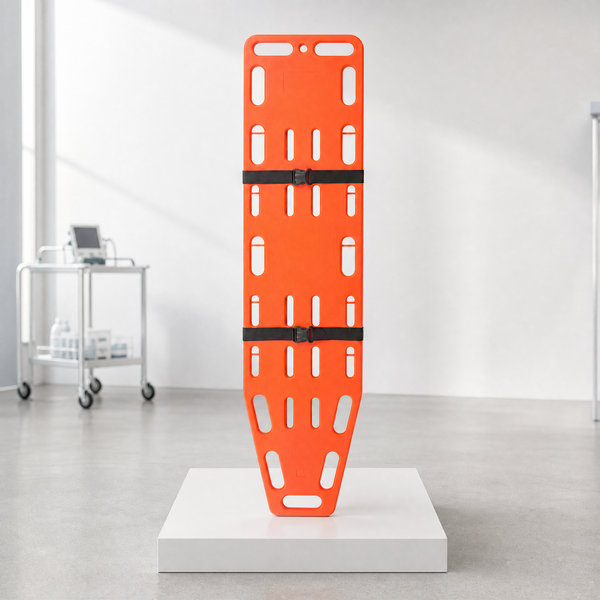
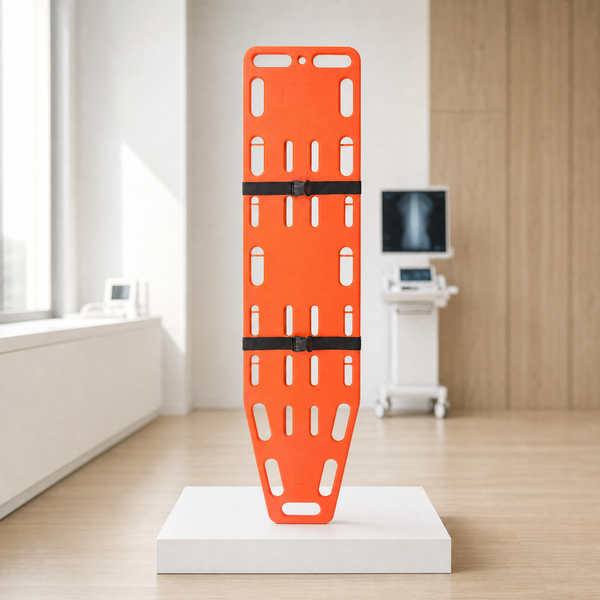
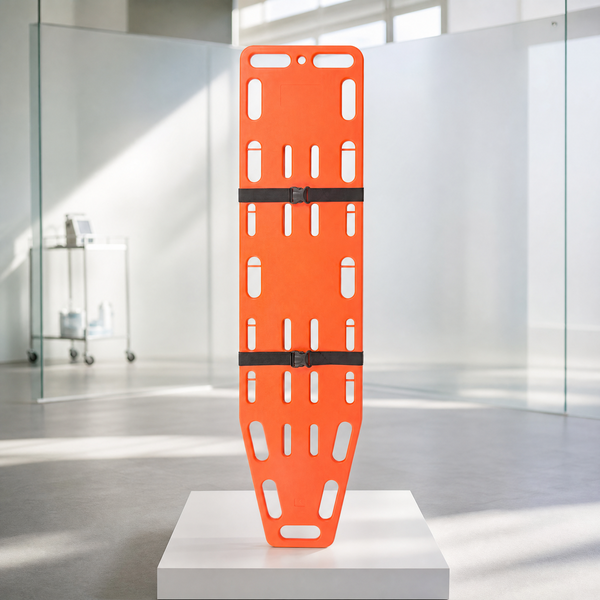
Design Features: Look  for boards with features such  as handholds for easy lifting, a non-slip surface for patient safety, and compatibility with various immobilization devices. Some boards may also come with straps  or head immobilizers, which enhance patient security during transport. For instance, consider our Stretcher options that provide excellent support.

By  focusing on these specifications, buyers can ensure they select  short spinal boards that meet their operational requirements and provide  optimal patient care.

Frequently Asked Questions

Our Blog Posts

What Our Partners Say

Understanding the Cost Factors of Short Spinal Boards

Understanding the Cost Factors of Short Spinal Boards

The  cost of short spinal boards  can vary widely based on several factors. Understanding these factors can help you  budget effectively and make informed purchasing decisions.

Material Costs: Boards made from high-quality materials, such as  reinforced polyethylene or fiberglass,  may have higher upfront costs but can offer better  durability and longer service  life.

Manufacturing Processes: The complexity of the manufacturing  process affects costs. Boards manufactured with advanced techniques, such  as injection molding,  may have higher initial costs but can  result in  better uniformity and quality.

Customization: If you require custom features such as specific colors, branding, or additional safety features, this will increase the overall cost. Customization can be beneficial for branding or specific operational needs, so weigh the benefits against the additional costs.

Order Quantity: Bulk purchasing often leads  to lower per-unit costs. Evaluating your supply  needs and negotiating with suppliers based  on volume can significantly impact your overall expenditure.


Shipping Costs: Consider the logistics of shipping, especially if sourcing from international  suppliers. Shipping costs can add significantly to the total price, so  it’s wise to factor this into your budget.

Understanding these cost components will enable buyers to make strategic purchasing decisions that align with  their budget and operational needs.

Where to Source Reliable Suppliers for Short Spinal Boards

Where to Source Reliable Suppliers for Short Spinal Boards

Finding reliable suppliers for short spinal boards involves thorough  research and evaluation of potential partners. Here are key  strategies to identify trustworthy suppliers:


Industry Directories and Trade Shows: Utilize industry-specific directories and attend trade shows to connect with manufacturers and distributors. These platforms provide opportunities to meet suppliers directly, assess their products, and  discuss your needs.

Certifications and Compliance: Ensure the suppliers hold relevant certifications, such as CE, FDA, or ISO 13485, which indicate compliance with international safety and quality standards. This is crucial  for medical equipment, as it  ensures the products meet regulatory requirements.

Supplier Reputation: Research the  supplier’s reputation in the industry by looking for reviews,  testimonials, and case  studies. Feedback from other customers can provide insights into the supplier’s reliability and  product quality.

Sample Evaluation: Before committing to a large order,  request samples to evaluate the quality and functionality of the short  spinal boards. Testing samples under actual operating conditions can help confirm their suitability for your needs.

Customer Support: A reliable  supplier should offer excellent customer service,  including responsive communication and support for any issues that may arise post-purchase.  Assess their willingness  to assist with inquiries or  concerns.


By following these steps, buyers can identify  suppliers who provide high-quality short spinal boards and support their operational needs  effectively.

Installation Guidance for Effective Use of Short Spinal Boards

Installation Guidance for Effective Use of Short Spinal Boards

Effective installation and use of short spinal boards are critical for ensuring patient safety and comfort.  Here are key points to consider:

Proper Setup: Ensure that the spinal board is set up correctly before use. This includes checking  for any visible damage  and making sure that  all  accessories,  such as straps or immobilizers, are included and functional.

Securing the Patient: When using the board, always secure  the  patient  using straps. Ensure that  the straps  are  snug but not excessively  tight, as this can cause discomfort or restrict circulation.

Training Personnel:  All personnel involved in using short spinal boards should undergo training. Proper training ensures  that staff can safely and effectively immobilize patients, reducing the risk of further injury.

Regular Inspections: Establish a routine for inspecting  the equipment for wear and tear. Regular maintenance checks can help identify any potential issues  before they affect patient care.

By adhering to these guidelines, healthcare providers can maximize the effectiveness of short spinal boards in  emergency situations, ensuring both patient  safety and operational efficiency.

 
Applications of Short Spinal Boards in Emergency Situations

Applications of Short Spinal Boards in Emergency Situations

Short spinal boards  are utilized in various emergency situations, primarily  for transporting  patients with suspected spinal injuries. Their applications include:


Emergency Medical Services (EMS): Paramedics use short spinal boards to immobilize patients during transport to  medical facilities. This  helps prevent  further injury and  ensures that patients are  stabilized during transit.

Sports  Medicine: In sports-related injuries, short spinal boards can be crucial for safely transporting injured athletes. They provide a quick and effective means of  immobilization on the field, ensuring that players receive timely medical attention.

Hospital Settings: In hospitals, short spinal boards can be used for transferring patients between departments, such as from the emergency room to radiology. Their compact design makes them suitable for tight spaces,  where standard-sized boards may not fit.

Disaster Response: In disaster  scenarios, where time is critical, short spinal  boards can facilitate rapid patient evacuation and transport. Their lightweight construction allows responders to carry them easily, even in challenging environments.

Understanding these applications can help buyers select  the appropriate type and quantity of short spinal boards based on their specific operational  requirements. By investing in high-quality  boards, organizations can enhance their emergency  response capabilities and ensure  better patient outcomes.