Essential Guide to Scoop Stretchers for EMTs

Zhangjiagang Xiehe Import & Export Co., Ltd.

application/scoop-stretcher-emt, application/scoop-stretcher-emt, 
Inquiry
Inquiry

scoop stretcher emt

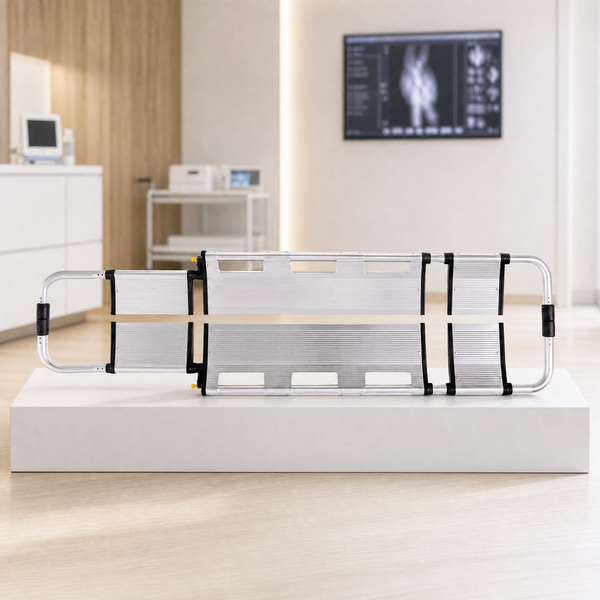
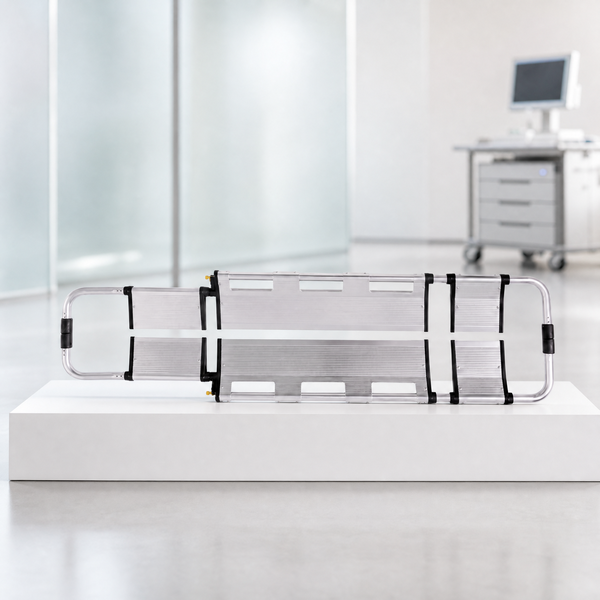
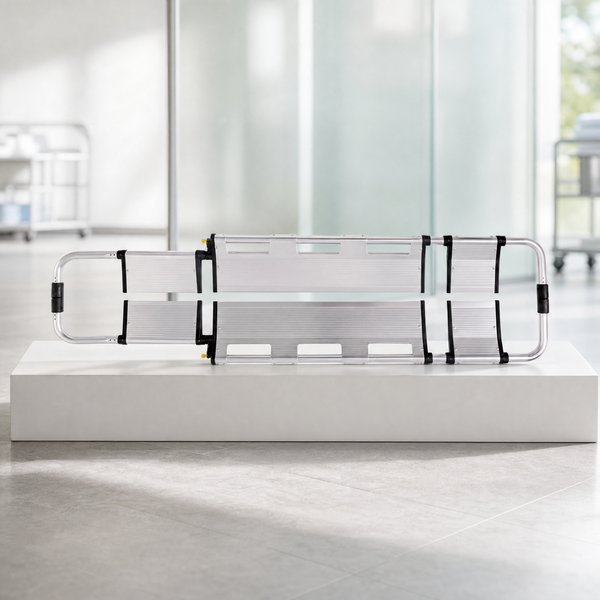
A scoop stretcher is  an  essential piece of emergency medical equipment designed for  the safe  transport  of patients in critical situations. It allows  emergency  medical technicians (EMTs) to efficiently transfer patients from one  location to another without compromising their safety.  Key concerns  for  B2B buyers include  the stretcher's specifications, material quality, and suitability  for various emergency scenarios. This  article will provide vital insights  on  scoop stretchers, addressing  specifications, best practices, common problems,  applications, and the  importance of selecting a trusted  manufacturer.

Why choose XieHe scoop stretcher emt

Our Products

Key Specifications to Consider

When evaluating scoop stretchers, several key specifications should be prioritized:

Material Composition: Most scoop stretchers are made from high-strength, lightweight materials such as aluminum or high-density polyethylene. These materials provide durability while remaining easy  to handle during emergencies.

Weight  Capacity: It's  crucial  to verify the weight capacity of the stretcher, which typically ranges from 200 to 600 pounds.  Ensure the selected model  meets the requirements for the patient  demographics in your service  area. Choosing the right stretcher is essential for safe operations.

Dimensions: Standard dimensions should accommodate a variety of patient sizes. Buyers must consider the width and length to  ensure that the stretcher  fits into ambulances or other emergency vehicles.

Ease of Use: Look for features like quick-release  mechanisms,  adjustable height, and secure locking  systems. These elements facilitate swift deployment and ensure patient security during transport.

Portability: The stretcher  should  be lightweight  and easy to fold or disassemble for  efficient storage and  transportation. Scoop stretchers are particularly designed for this purpose.

Compliance: Ensure the stretcher  meets relevant safety standards and certifications, such as CE, FDA, and  ISO 13485, which indicate adherence to quality management systems.

Understanding these specifications allows buyers to make informed decisions tailored to their specific operational needs.

Frequently Asked Questions

Our Blog Posts

What Our Partners Say

Best Practices Explained

Best Practices Explained

To maximize the effectiveness and safety of scoop stretchers, consider the following best practices:

Regular Training: EMTs and other personnel should undergo regular training on the proper use of scoop stretchers. Familiarity with the equipment can significantly  enhance response  times and safety.

Pre-Use Inspection: Before deployment, conduct a thorough inspection of the stretcher. Check  for  any signs of wear,  damage, or malfunction, such as loose fasteners or compromised structure.

Patient Positioning: Proper patient positioning is critical. Ensure that the patient is securely strapped in and  that  their head and neck are appropriately  supported  to minimize movement  during transport.

Cleaning and Maintenance: Regular cleaning and maintenance are essential for ensuring the longevity of the stretcher. Use appropriate disinfectants to maintain  hygiene, especially after  transporting patients with infectious conditions.

Customization: Consider customizing the stretcher for specific needs,  such as adding  additional straps or padding  for  certain patient  populations, which can enhance  safety and comfort.

Implementing these best practices can lead to improved patient  outcomes and operational efficiency during emergency situations.

Common Problems with Scoop Stretchers and Effective Solutions

Common Problems with Scoop Stretchers and Effective Solutions

Despite their design for resilience, scoop stretchers can encounter  common issues:

Stability Concerns: A poorly  balanced stretcher can lead to instability during  transport. Ensure that the  stretcher is  fully engaged and  locked before moving the patient.

Difficulty in  Operation: Some  users may find the locking mechanisms challenging to operate,  particularly in high-stress situations. Training and familiarization can mitigate this issue, but consider choosing a model  with intuitive  features.

Material  Wear and Tear: Over time,  the  materials may degrade. Regular inspections should be conducted to identify any signs of wear, particularly in high-use environments. A replacement schedule for aging equipment should  be established.

Limited Weight Capacity: Selecting a stretcher with insufficient weight capacity can lead to dangerous situations.  Always confirm the  weight  requirements  based on your  operational demographics and choose accordingly.

By proactively addressing these issues, organizations can significantly enhance the reliability of their scoop stretchers.

Applications of Scoop Stretchers in Emergency Medical Services

Applications of Scoop Stretchers in Emergency Medical Services

Scoop stretchers are versatile tools used across various emergency medical scenarios:

Motor  Vehicle Accidents: In the event of a car crash, scoop stretchers  allow EMTs to efficiently  and safely transfer patients from vehicles without exacerbating injuries.

Sports Injuries: Scoop stretchers are  often  utilized  in sports settings  where quick evacuation is  necessary, particularly for athletes suffering from spinal or limb injuries.

Home  Emergencies: For patients requiring emergency care at home, scoop stretchers  facilitate safe transfer to medical  facilities, ensuring minimal  movement of the patient.

Mass Casualty Incidents: In situations involving multiple  casualties, scoop stretchers can  expedite patient transport,  allowing for rapid triage and treatment.

Transporting from Difficult Locations: Scoop stretchers excel in maneuverability, making them ideal for transporting patients from challenging  environments where standard stretchers may not fit.

Understanding these applications helps organizations prepare for various emergency  scenarios  and select appropriate equipment.

Why Trusted Manufacturers Matter for Your Purchase

Why Trusted Manufacturers Matter for Your Purchase

Selecting a reputable manufacturer for scoop  stretchers is crucial for several reasons:

Quality Assurance: Trusted manufacturers  often adhere  to stringent quality control processes and possess relevant certifications, ensuring that the products meet  industry standards.

Customization Capabilities: Reputable manufacturers typically offer customization options to meet specific needs, which can be essential for unique operational  requirements.

Customer Support: Established manufacturers often provide comprehensive customer support, including training, maintenance advice,  and technical assistance, which can be invaluable post-purchase.

Proven Track Record: Manufacturers with  a solid reputation often  have a history of performance  and reliability in the  field, which can provide peace  of mind to buyers.

Innovation and Safety: Leading manufacturers  invest in  research and development, often resulting in  innovative designs that  enhance safety and usability.

Choosing a trusted manufacturer like Zhangjiagang Xiehe Import Export Co., Ltd.,  which is CE, FDA, and  ISO 13485 certified, can significantly impact the quality  and reliability of your scoop stretchers,  ultimately improving patient care and operational  efficiency.