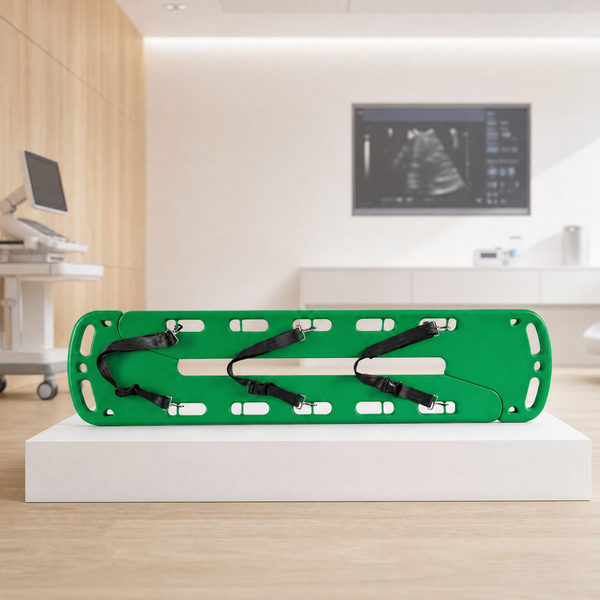
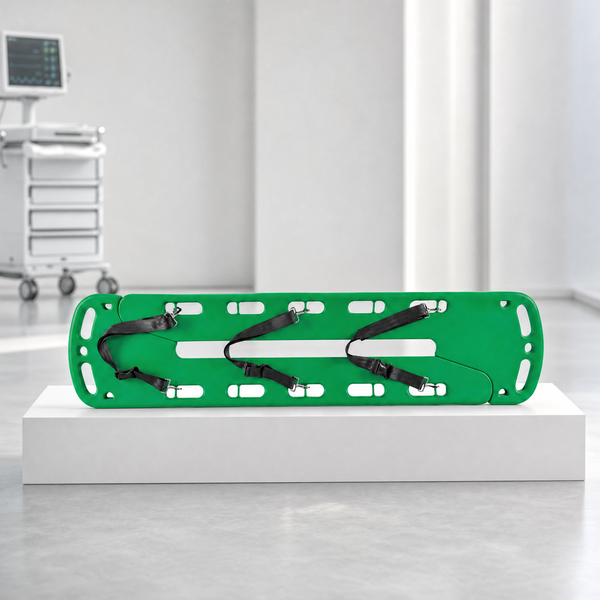
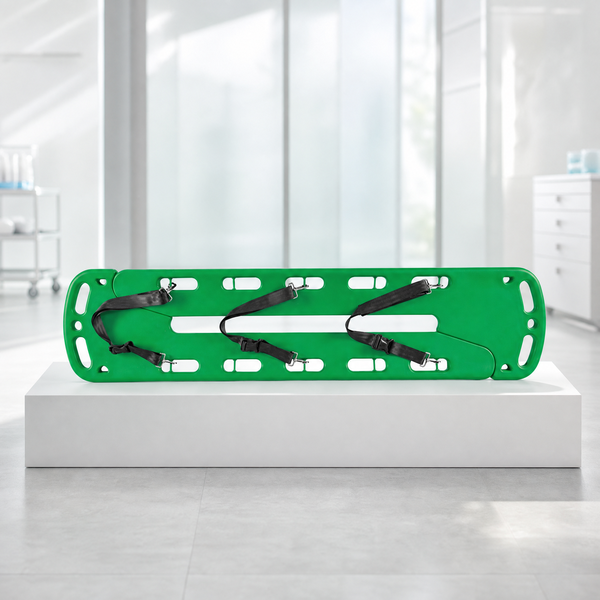
Guide to Scoop Stretchers for Emergency Transport

Zhangjiagang Xiehe Import & Export Co., Ltd.

application/scoop-stretcher, application/scoop-stretcher, 
Inquiry
Inquiry

scoop stretcher

Scoop  stretchers are essential  medical devices  used for safe and efficient patient  transport in  various emergency  situations.  For B2B buyers, such  as  purchasing  managers  and distributors, understanding the specifics of  scoop stretchers is  crucial for making informed  purchasing decisions.  This article addresses key  considerations, including  supplier reliability, cost factors, applications  across industries, material advantages, and  guidance  on selecting the right model.

Why choose XieHe scoop stretcher

Our Products

Where to Find Reliable Suppliers for Scoop Stretchers in Bulk

When  sourcing scoop  stretchers in bulk, reliability is paramount. Buyers  should prioritize suppliers with established reputations  and certifications such  as CE, FDA, and ISO 13485, which indicate adherence to international quality standards. A  manufacturer like Zhangjiagang Xiehe Import Export Co., Ltd. offers a solid foundation, as they specialize in emergency stretchers and have a  global network of over 30  distributors  across  120  countries. For instance, they provide a range of Funeral Home Products that are essential for various emergency scenarios.

Evaluating potential suppliers  involves reviewing their production capabilities  and quality  control processes. Requesting product samples can  also provide insight into the  manufacturing quality  and material used. Additionally, verify  customer testimonials and seek recommendations from industry peers  to ensure you  are selecting a trustworthy supplier.

Frequently Asked Questions

Our Blog Posts

What Our Partners Say

Cost Factors to Consider When Purchasing Scoop Stretchers Wholesale

Cost Factors to Consider When Purchasing Scoop Stretchers Wholesale

Several factors influence the cost of scoop stretchers, and understanding these can help buyers negotiate better pricing. Key factors include:


Material Quality: The choice between lightweight materials like  aluminum and more durable options can significantly affect pricing. Higher-quality materials may incur a higher upfront cost but can lead to  long-term savings through durability.


Customization: Customized scoop stretchers tailored to specific applications  or branding may come  at a premium. Buyers should assess  whether customization is necessary for their operations and weigh  the associated costs.

Order Quantity: Bulk purchasing typically leads  to discounts, but each supplier may have a minimum order quantity  (MOQ) that affects  pricing.  Buyers should  inquire about bulk  pricing  tiers  to optimize their procurement budget.

Shipping Costs: Depending on the supplier's location and the buyer's shipping requirements, transportation costs can vary.  Understanding the shipping terms and potential tariffs is crucial for calculating the total cost.

By thoroughly analyzing these  factors, buyers can  make informed decisions that align with their budget and operational  needs.

Exploring Applications of Scoop Stretchers in Various Industries

Exploring Applications of Scoop Stretchers in Various Industries

Scoop stretchers are versatile  medical devices  used across several industries, including:

Emergency  Medical Services  (EMS): In EMS, scoop  stretchers are crucial for transporting patients  with suspected spinal injuries, as their design allows for safe and efficient loading without moving the patient  excessively. They are often part of a broader range of emergency equipment, such as the First Aid Products.

Hospital  Settings: Hospitals  utilize scoop stretchers in emergency departments and during patient  transfers between units. Their capabilities enable healthcare professionals to stabilize patients while  minimizing movement.

Industrial Applications: In industries where personnel may be at risk of injury, scoop stretchers can  be part  of safety protocols for transporting  injured workers to  medical facilities.

Military and  Disaster  Response: Scoop stretchers are invaluable in military operations and disaster response efforts, providing rapid transport for injured personnel in challenging environments.

Understanding the applications  of scoop  stretchers helps buyers select models that best meet  the specific needs of their target market.

Material Advantages of Our Scoop Stretchers for Durability

Material Advantages of Our Scoop Stretchers for Durability

The material used in the construction of scoop stretchers plays a vital role in their performance and longevity.  For instance, aluminum is commonly employed due  to its lightweight yet durable  properties,  making it ideal for emergency  scenarios where mobility is essential. Meanwhile, high-strength plastics  are often used for their resistance to corrosion and  ease  of cleaning.


Buyers should  consider the following material  advantages:

Weight: Lightweight materials facilitate easier handling and  transport, which is especially important in emergency situations.

Durability: Selecting materials that can withstand harsh environmental  conditions  ensures the scoop  stretcher remains functional  over time.

Ease of  Maintenance: Materials that resist staining and are easy to disinfect are essential in medical  settings to maintain hygiene standards.

When evaluating scoop stretchers, buyers should  confirm the materials  used and consider how they align with the intended application and operating environment.

Comparing Different Scoop Stretcher Models for Optimal Selection

Comparing Different Scoop Stretcher Models for Optimal Selection

Choosing the right  scoop stretcher model involves comparing specifications and  features tailored to specific applications. Key considerations include:

Weight Capacity: Review each model’s weight  capacity  to ensure it meets the requirements of  the potential patient demographic. A model with  a higher weight limit may be necessary for certain healthcare or  industrial applications.

Dimensions: The dimensions of the scoop stretcher should  be compatible with the intended use, whether in an ambulance or a hospital  setting. Ensure  the stretcher can fit through standard doorways and is suitable for the vehicles  used.

Ease of Use:  Consider features such as quick-release mechanisms and adjustable  design, which can enhance usability for medical personnel during emergencies.

Portability and Storage: Assess the portability of the model, including its  foldability and  storage requirements. This is vital for organizations with limited space.


Safety Features: Look for models equipped with safety straps and non-slip surfaces  to secure patients during transport effectively. Additionally, incorporating a reliable Ambulance Stretcher can further enhance patient safety during transfers.

By carefully comparing  these factors, buyers  can select the most appropriate  scoop stretcher model that fulfills their operational requirements while ensuring patient safety and comfort.