Wholesale Guide for Ambulance Scoop Stretchers

Zhangjiagang Xiehe Import & Export Co., Ltd.

application/ambulance-scoop-stretcher, application/ambulance-scoop-stretcher, 
Inquiry
Inquiry

ambulance scoop stretcher

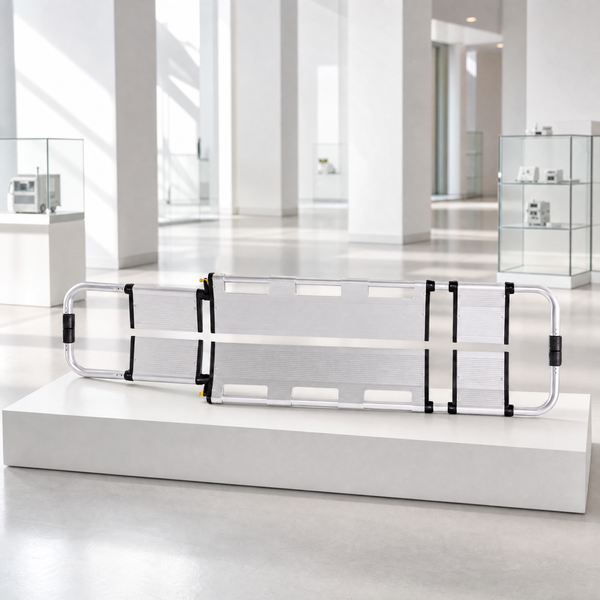
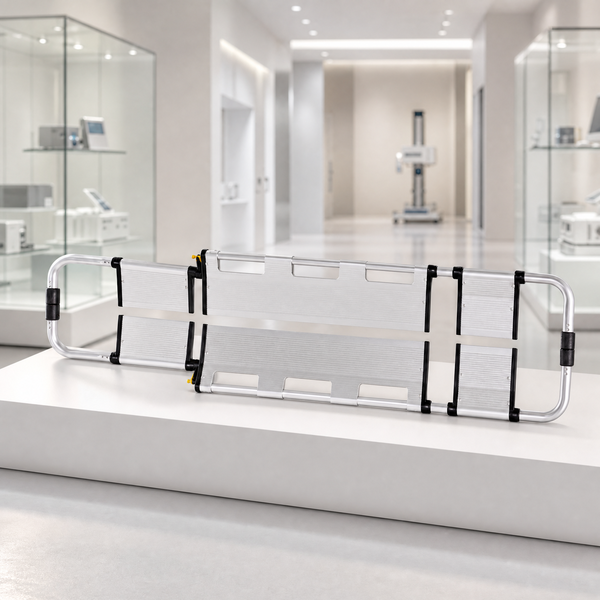
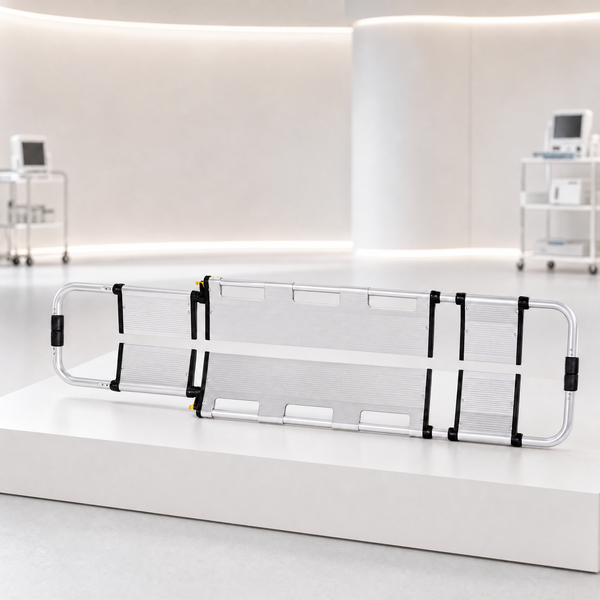
Ambulance scoop stretchers are  critical  tools in emergency medical services, designed  to  facilitate the safe and efficient transport of injured or incapacitated patients.  These specialized stretchers allow medical personnel to  scoop a patient  from the  ground without  moving them excessively,  minimizing  further injury. As  a  B2B buyer,  understanding the specifications, materials, and common issues associated with ambulance scoop stretchers is vital in  making informed purchasing decisions. This  article aims to provide practical insights for purchasing managers,  distributors, and  healthcare professionals  on key factors to consider  when sourcing these essential medical devices.

Why choose XieHe ambulance scoop stretcher

Our Products

Wholesale Purchasing Guide for Ambulance Scoop Stretchers

When considering bulk purchases of ambulance scoop stretchers, several factors must be evaluated. First, identify the specific  needs of your organization, such as the expected patient load,  frequency of use, and compatibility  with existing medical  equipment. Next,  consider the specifications required  for your scoop stretchers. Key  specifications include:

Dimensions: Ensure that the stretcher fits within your ambulances and can accommodate various patient sizes. Weight Capacity: Confirm that the  stretcher can support the maximum weight of patients you anticipate  transporting. Material Specifications: Look  for stretchers  made from durable, lightweight materials that  are easy to clean and  disinfect. Additionally, inquire about the  manufacturer's minimum order quantities (MOQ) and lead times for  production and delivery.  This information can help you manage  inventory effectively. Before  finalizing your purchase, request samples  for thorough inspection to  ensure they meet your quality standards and operational needs. For instance, the YXH-4F Scoop Stretcher is a reliable option to consider.

Frequently Asked Questions

Our Blog Posts

What Our Partners Say

Understanding the Material Advantages of Scoop Stretchers

Understanding the Material Advantages of Scoop Stretchers

Ambulance scoop stretchers are  typically constructed from high-strength materials  like aluminum  or high-density plastic.  Each material offers distinct advantages:

Aluminum: Lightweight yet robust, aluminum stretchers are easy  for medical personnel to maneuver, especially  in emergency situations.  They often feature a corrosion-resistant  finish, enhancing durability.


High-Density Plastic:  These stretchers are typically more affordable and  can be molded into various  shapes for ergonomic designs.  They are resistant to  chemicals  and easy to sanitize, making them ideal for  hospital  environments.

Buyers should consider how these materials  will affect the stretcher's performance based on the  intended application. For instance, stretchers used in rugged environments may require more robust materials, while those in  controlled hospital settings could prioritize ease of cleaning. The YXH-1H Folding Stretcher is another option worth exploring for different environments.

Common Problems Faced with Scoop Stretchers and Their Solutions

Common Problems Faced with Scoop Stretchers and Their Solutions

Despite their utility, ambulance scoop stretchers can  encounter several issues. Understanding these problems and their solutions can aid  in making  informed purchasing  decisions.

Mechanical Failure: Wear  and tear on locking mechanisms can lead to failures. Regular maintenance checks and choosing stretchers with reliable locking systems can prevent this issue.

Weight Distribution: Improper weight  distribution can  lead  to instability during transport. Ensure that the stretcher design allows  for even weight distribution and that medical staff  are trained in proper lifting techniques.

Compatibility Issues: Some stretchers may not fit well  in  certain ambulance designs. Before purchasing, verify compatibility with your existing vehicles  and equipment.

Cleaning and Maintenance: Stretchers must be regularly cleaned and inspected for damage. Opt for stretchers that are  easy to disassemble for cleaning or those that have smooth surfaces  to facilitate quick sanitation.


By  addressing these  common issues upfront,  buyers can select products that minimize long-term problems and enhance operational efficiency.

 
Where to Find Reliable Suppliers of Ambulance Scoop Stretchers

Where to Find Reliable Suppliers of Ambulance Scoop Stretchers

Finding  a trustworthy supplier is crucial for ensuring that you receive high-quality  ambulance scoop stretchers. Here are key strategies to locate reliable suppliers:

Industry Trade Shows: Attending  medical equipment trade shows can provide direct  access  to manufacturers and suppliers. This environment allows  buyers to assess product quality and  ask questions about materials and manufacturing processes.

Online Marketplaces and Directories:  Utilize B2B platforms that specialize in  medical equipment. Look  for suppliers that have strong  reviews and a proven track record in the industry.

Certifications  and Compliance: Ensure suppliers have relevant certifications such as CE,  FDA, or ISO 13485, which verify compliance with international  quality standards. These certifications are indicators of a supplier’s commitment to quality and safety.

Networking  with Peers: Engage with other healthcare professionals or organizations to get recommendations  on suppliers they trust. Personal experiences  can provide valuable insights into product reliability and  supplier service.

By employing these strategies,  buyers can identify reputable suppliers that align with their operational needs and  standards.

Cost Factors to Consider When Buying Scoop Stretchers in Bulk

Cost Factors to Consider When Buying Scoop Stretchers in Bulk

Understanding the  cost factors associated  with purchasing ambulance scoop stretchers in  bulk is essential for budget planning. Key elements to consider include:

Base Price: The initial cost per stretcher is  a significant factor. However, lower-priced options may compromise quality, so  balance cost with expected performance and  durability.

Customization Options: Custom features such as branding, specific colors, or additional  accessories can impact price. Discuss with suppliers about available customization capabilities and related  costs.

Shipping and Handling: Bulk orders may incur higher shipping costs.  Inquire  about shipping options and whether the supplier can offer consolidated shipping to reduce expenses.

Warranty and Support: Consider the  warranty offered by the manufacturer. A  longer warranty may indicate higher confidence in product quality and can provide peace of mind for bulk purchases.

Payment Terms: Understand the payment  structures, including any discounts for larger orders  or flexible payment plans  that can help  manage cash flow during procurement.

By analyzing these cost factors, buyers can make better purchasing decisions that align with their financial  constraints while  ensuring they  receive  quality products.