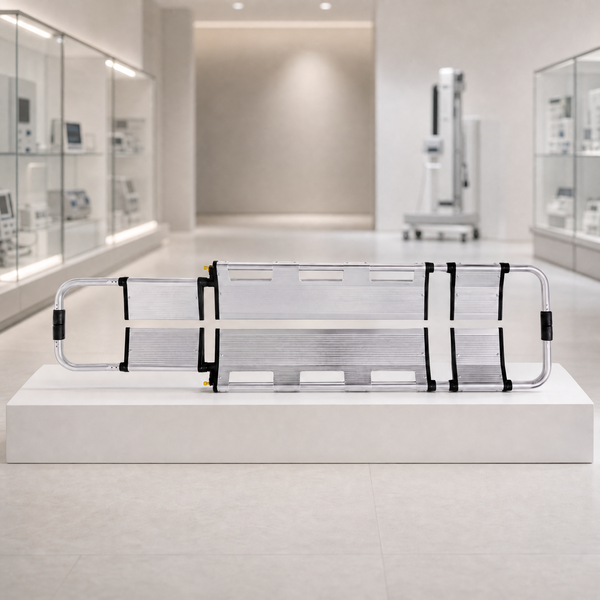
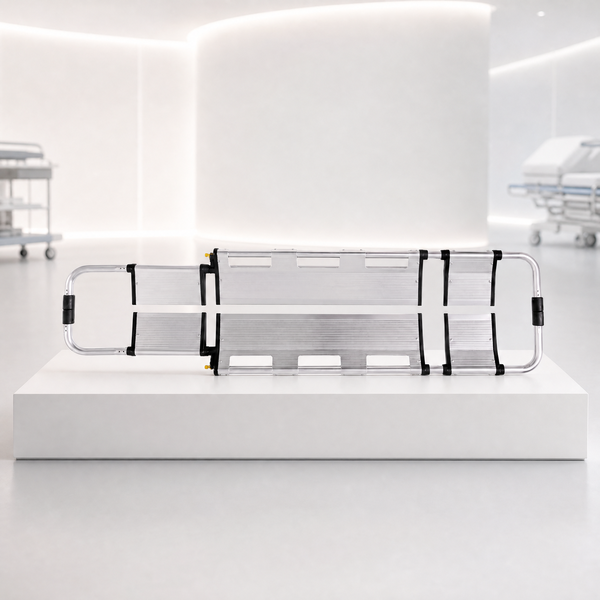
Choosing the Right Scoop Stretcher Ambulance

Zhangjiagang Xiehe Import & Export Co., Ltd.

application/scoop-stretcher-ambulance, application/scoop-stretcher-ambulance, 
Inquiry
Inquiry

Scoop stretcher ambulance

Scoop stretchers are essential tools in emergency medical services, designed for the safe and efficient transfer of patients. As a critical component of ambulance equipment, understanding the various features and specifications of scoop stretcher ambulances is vital for purchasing managers and procurement teams. This article addresses key considerations, including how to choose the right scoop stretcher, compare specifications, understand pricing for bulk purchases, installation guidance, and common problems encountered with these stretcher. By the end, you'll have a clearer picture of how to make informed purchasing decisions.

Why choose XieHe Scoop stretcher ambulance

Our Products

Choosing the Right Scoop Stretcher Ambulance for Your Needs

Selecting the right scoop stretcher involves understanding your specific operational needs and requirements. Key factors include the stretcher's weight capacity, dimensions, and material. Most patient scoop stretcher are constructed from lightweight aluminum or high-strength plastic to ensure durability while minimizing weight. 

Consider the typical patient weight and size you will be handling; the stretcher should comfortably accommodate these dimensions without compromising safety. Additionally, assess the stretcher's foldability and ease of storage, as this affects transport and deployment efficiency in emergency situations. 

Customization options are also important. Many manufacturers, including Zhangjiagang Xiehe Import Export Co., Ltd., offer tailored solutions that can integrate with existing ambulance systems, ensuring compatibility and optimal performance. 

Frequently Asked Questions

What is a scoop stretcher ambulance used for?

A scoop stretcher ambulance is used to lift and transfer injured patients with minimal movement, ideal for suspected spinal or pelvic injuries during emergency transport.
Our scoop stretchers are produced under CE, FDA, and ISO 13485 certified processes, ensuring medical safety and quality compliance.
Yes. We offer customization options for size, materials, colors, and accessory fittings to meet specific medical and regional requirements.
Constructed from durable, lightweight materials (aluminum or composite), our scoop stretchers typically support standard medical load capacities; specific models list exact limits.
Contact our sales team to place orders or discuss distributor arrangements. We currently serve over 30 distributors across 120 countries and support export documentation.

Our Blog Posts

What Our Partners Say

Comparing Scoop Stretcher Ambulance Specifications and Features

Comparing Scoop Stretcher Ambulance Specifications and Features

When comparing different scoop stretchers, focus on several key specifications that influence their performance: 

Weight Capacity: Most scoop stretchers support a capacity of 250-500 lbs. Ensure that the stretcher chosen meets or exceeds your anticipated needs. 

Materials: The choice of materials affects both the weight and durability. Aluminum is commonly used for its strength-to-weight ratio, while plastic options may offer corrosion resistance and ease of cleaning. 

Dimensions: Confirm that the stretcher's length and width will fit comfortably in your ambulances and accommodate a wide range of patient sizes. 

Locking Mechanisms: Evaluate the reliability of the locking systems that secure the two halves of the stretcher together. A robust mechanism is crucial for patient safety during transport. 

Portability Features: Assess features like carry handles or wheels for ease of transport, especially in challenging environments. 

By examining these specifications, you can determine which model best suits your operational requirements. 

Understanding Pricing for Bulk Scoop Stretchers

Understanding Pricing for Bulk Scoop Stretchers

Pricing for bulk scoop stretchers can vary significantly based on materials, features, and order quantities. Generally, purchasing in bulk can yield significant discounts, which is advantageous for organizations looking to equip multiple ambulances or facilities. It’s crucial to consider the following factors when evaluating pricing: 

Material Costs: Higher-quality materials may incur a higher price but provide better durability and safety. 

Customization Costs: Custom features may increase the overall price. Discuss your specific needs with the manufacturer to understand the cost implications. 

Shipping and Handling: Bulk orders may also have additional shipping costs or minimum order quantities (MOQ) that affect overall pricing. 

To ensure a holistic view, request detailed quotations from suppliers, including any extra fees related to customization or shipping. This will aid in budgeting and financial planning. 

Installation Guidance for Effective Use of Scoop Stretchers

Installation Guidance for Effective Use of Scoop Stretchers

Proper installation and usage of scoop stretchers are critical for maximizing their effectiveness and ensuring patient safety. Here are some practical steps for effective use: 

Training: Ensure all personnel are trained in the correct operation of scoop stretchers. This includes understanding how to properly assemble and disassemble the stretcher and secure patients safely. 

Usage Instructions: Familiarize staff with the operational guidelines provided by the manufacturer. This includes load limits, securing mechanisms, and emergency release procedures. 

Inspection Before Use: Conduct a thorough inspection of the stretcher before each use. Check for any signs of wear, damage, or malfunction, particularly in the locking mechanisms and materials. 

Maintenance: Regular cleaning and maintenance are essential to prolong the life of the stretcher. Follow the manufacturer's recommendations for cleaning agents and procedures. 

By adhering to these guidelines, users can ensure that scoop stretchers are installed and utilized effectively, minimizing risks during patient transfers. 

Common Problems with Scoop Stretchers and Their Solutions

While scoop stretchers are generally reliable, users may encounter several common issues. Here are some potential problems and their solutions: 

Locking Mechanism Failure: If the locking mechanism fails, ensure it is regularly inspected and maintained. If a failure occurs, immediately replace the stretcher to prevent safety hazards. 

Weight Limit Exceeded: Always verify that the patient's weight does not exceed the stretcher's capacity. Training staff to assess patient weight can mitigate this risk. 

Material Degradation: Over time, exposure to harsh cleaning chemicals can degrade materials. Always use approved cleaning agents as recommended by the manufacturer to maintain integrity. 

Compatibility Issues with Ambulances: If a stretcher does not fit an ambulance compartment, consult with the manufacturer for customization options to ensure compatibility. 

By proactively addressing these issues, organizations can enhance the reliability of their scoop ambulance stretcher and ensure safe operations. 

In summary, selecting and utilizing scoop stretchers effectively requires a clear understanding of specifications, pricing, installation, and common operational challenges. By keeping these considerations in mind, B2B buyers can make informed decisions that optimize patient care in emergency medical services.