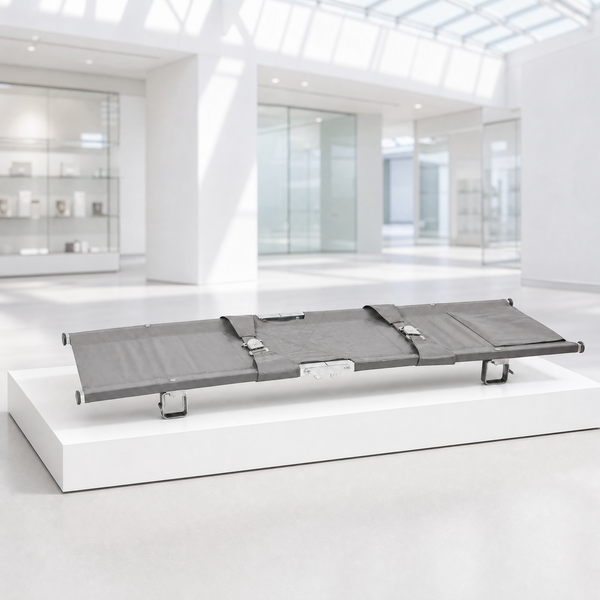
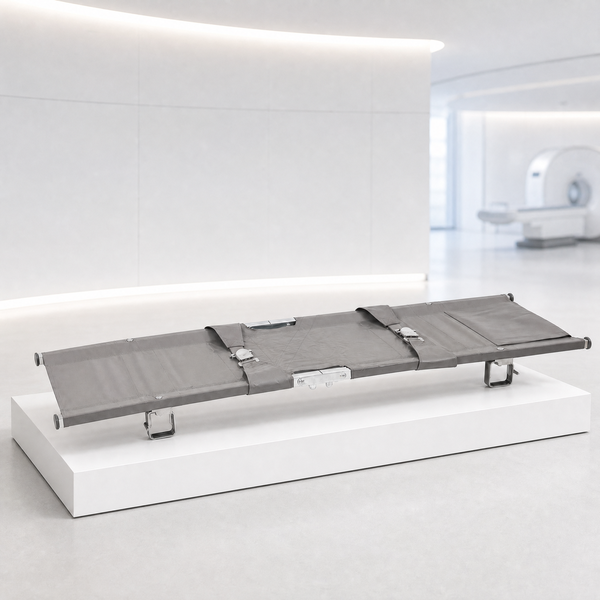
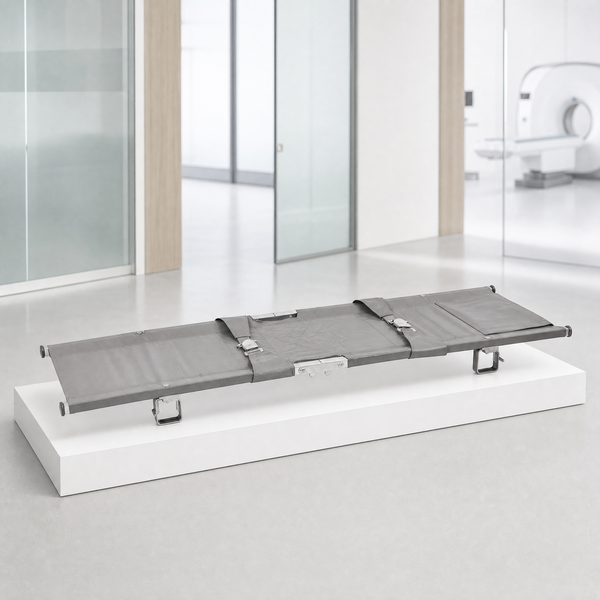
Reliable Portable Stretchers for Emergency Use

Zhangjiagang Xiehe Import & Export Co., Ltd.

application/portable-stretcher, application/portable-stretcher, 
Inquiry
Inquiry

portable stretcher

Portable  stretchers are essential  tools in emergency and medical settings,  designed for  the  safe transport of patients. For B2B buyers such as  purchasing managers and distributors, understanding the key specifications,  cost factors,  and  applications  of  portable stretchers is crucial. This article  aims to  provide insights into sourcing portable  stretchers,  ensuring  that  buyers can make informed decisions tailored to  their specific  needs.


Why choose XieHe portable stretcher

Our Products

Where to Find Reliable Suppliers for Portable Stretchers in Bulk

When looking for reliable suppliers of portable stretchers, it’s vital to consider  manufacturers with  a strong track record in the industry. Start by  identifying suppliers with CE,  FDA, and ISO 13485  certifications, as  these indicate compliance with international  standards for quality and safety. Industry trade shows and online B2B platforms can also serve as excellent resources for discovering  suppliers. 

Additionally, it’s beneficial to connect  with industry networks  or forums where  you can  gather feedback on potential suppliers. Look  for companies  that have a  global presence, like Zhangjiagang Xiehe Import Export Co., Ltd., which serves over  30 distributors across 120 countries. This not only indicates reliability but  also  experience in meeting diverse market  demands. For instance, the YXH-1H Folding Stretcher is a popular choice among buyers for its quality and versatility.

Frequently Asked Questions

Our Blog Posts

What Our Partners Say

Key Specifications to Look for in Portable Stretchers for Projects

Key Specifications to Look for in Portable Stretchers for Projects

When sourcing portable stretchers, several specifications should be prioritized to ensure they meet the operational requirements. Key specifications include:

Material: Look for  stretchers made from lightweight yet durable materials, such as aluminum or high-strength plastic. This ensures ease of  transport while maintaining structural integrity during use.

Weight Capacity: Confirm the maximum load capacity of the stretcher. This is critical  to ensure it  can  safely accommodate the anticipated patient weight, which often varies in  emergency settings.

Dimensions: The dimensions of the stretcher should align with the intended transport vehicles and storage space within  medical facilities. Buyers should ask  for detailed measurements to avoid compatibility issues.

Folding Mechanism:  Evaluate  the ease of folding and unfolding the stretcher. A user-friendly design can be  crucial during emergencies  when time is of the essence.

Comfort  Features: If the stretcher  is  to be used for longer transport times, consider options that  include padding or ergonomic  designs for patient comfort.

Buyers should also request samples  to  evaluate these specifications firsthand  before committing to bulk orders. For example, the YXH-5P Stair Stretcher is known for its comfort and durability.

Cost Factors to Consider When Sourcing Portable Stretchers Wholesale

Cost Factors to Consider When Sourcing Portable Stretchers Wholesale

Several factors influence  the cost of  portable stretchers, and understanding  these can  help buyers negotiate better deals.

Material Quality: Higher-quality materials often come at a premium but  can  offer better  durability and longevity. Balance upfront costs with potential  long-term savings in replacement and maintenance.

Customization Options: Suppliers may offer  customization features that can increase costs. This includes branding, color  choices, or specific design modifications to meet  unique operational needs.

Bulk Order Discounts: Many manufacturers provide discounts for bulk orders. Buyers should inquire about minimum order quantities (MOQs) to leverage cost  savings effectively.

Shipping and Handling: The  destination and shipping methods can significantly impact total costs. Evaluate shipping options and associated  costs, as  well  as any  potential customs duties for international shipments.

Lead Times: Longer lead times may affect inventory costs. Suppliers  with efficient production capabilities, like Zhangjiagang Xiehe Import Export Co., Ltd., can help minimize  these costs by ensuring timely  delivery.

Applications of Portable Stretchers in Emergency and Medical Settings

Applications of Portable Stretchers in Emergency and Medical Settings

Portable stretchers are versatile tools primarily used  in emergency medical services (EMS), hospitals, and disaster response scenarios. In EMS, they facilitate rapid  patient transport from the scene of an  incident to  medical facilities. Their lightweight design allows  first responders to maneuver easily in  challenging environments, such as crowded areas or uneven terrains.

In hospital  settings, portable stretchers are  invaluable  for  transferring patients between departments  or during emergencies. They  can also be used in scenarios such as evacuation during fire drills or natural  disasters, showcasing their essential role  in  patient safety and care  continuity.

Moreover, portable stretchers  are utilized in outdoor events and sports, where  quick  access to medical assistance is critical. Their design must accommodate various situations, reinforcing the need to select models that are  both functional and reliable.

Steps and Tips

Steps and Tips

To ensure a smooth procurement process for portable stretchers, consider these steps and tips:

Identify Needs: Assess your specific use cases to determine the required specifications  and features of the stretchers. This includes  understanding the environments where they will be used.


Research Suppliers:  Utilize the resources mentioned earlier to compile a  list of potential suppliers. Evaluate their certifications,  product offerings, and customer reviews.

Request Samples: Before making a bulk purchase, request  samples to verify that the product meets your specifications and quality expectations.

Evaluate Pricing and Terms: Compare  quotes from multiple suppliers, paying attention to pricing structures, including any hidden  fees for customization or shipping.

Confirm Quality Assurance Processes: Inquire  about the supplier’s quality control  measures to ensure  that  the stretchers meet safety standards throughout  the production process.

Negotiate Terms:  Don’t hesitate to negotiate terms such as pricing, lead times, and payment options, especially for large  orders.

By following  these steps,  you can streamline the  process of acquiring portable stretchers that meet your operational needs while ensuring safety and reliability  in patient transport.