Key Considerations for Medical Examination Beds

Zhangjiagang Xiehe Import & Export Co., Ltd.

application/medical-examination-bed, application/medical-examination-bed, 
Inquiry
Inquiry

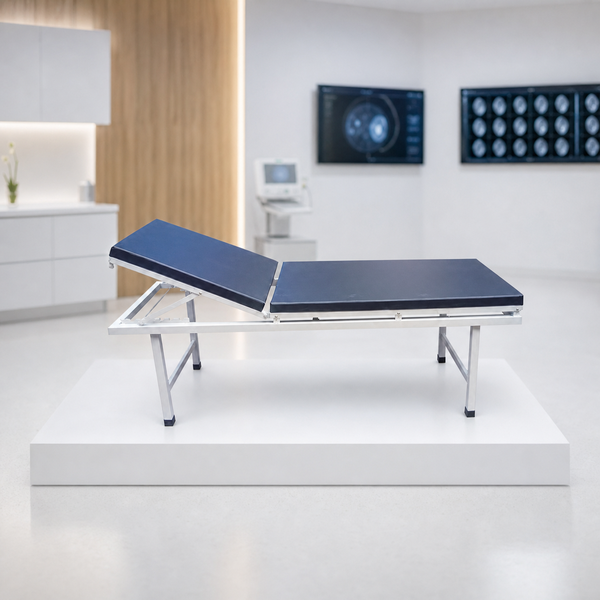
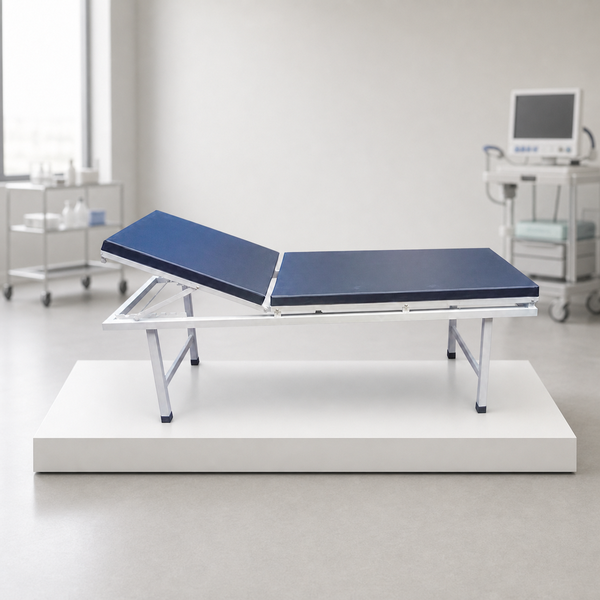
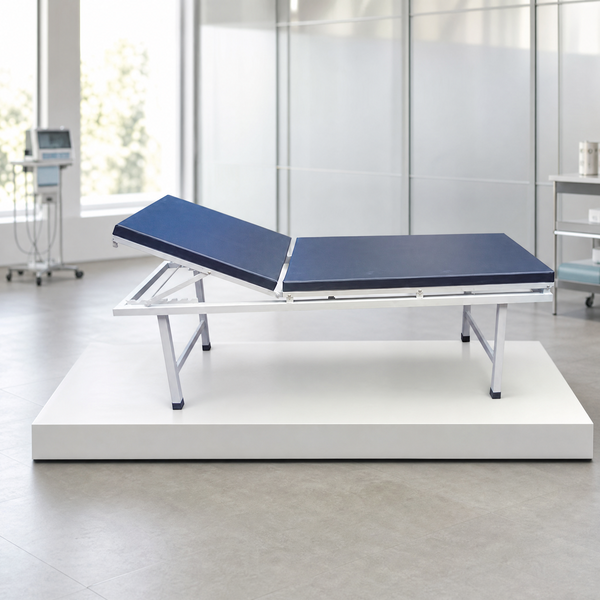
medical examination bed

Medical examination  beds  are essential  equipment  in healthcare facilities, providing a safe  and  comfortable space  for patients during examinations and treatments. For B2B  buyers, selecting the right medical examination bed involves  various considerations,  from specifications to  cost factors. This  article  will guide purchasing  managers and  healthcare facility planners through key aspects of  medical  examination beds,  enabling  them to make informed  decisions that meet their unique needs.

Why choose XieHe medical examination bed

What to Look for in Medical Examination Beds

When sourcing medical  examination beds, several critical factors should be considered. First, evaluate the bed's dimensions  and weight  capacity.  The bed must accommodate a range of patient sizes and weights,  ensuring safety and comfort during examinations.

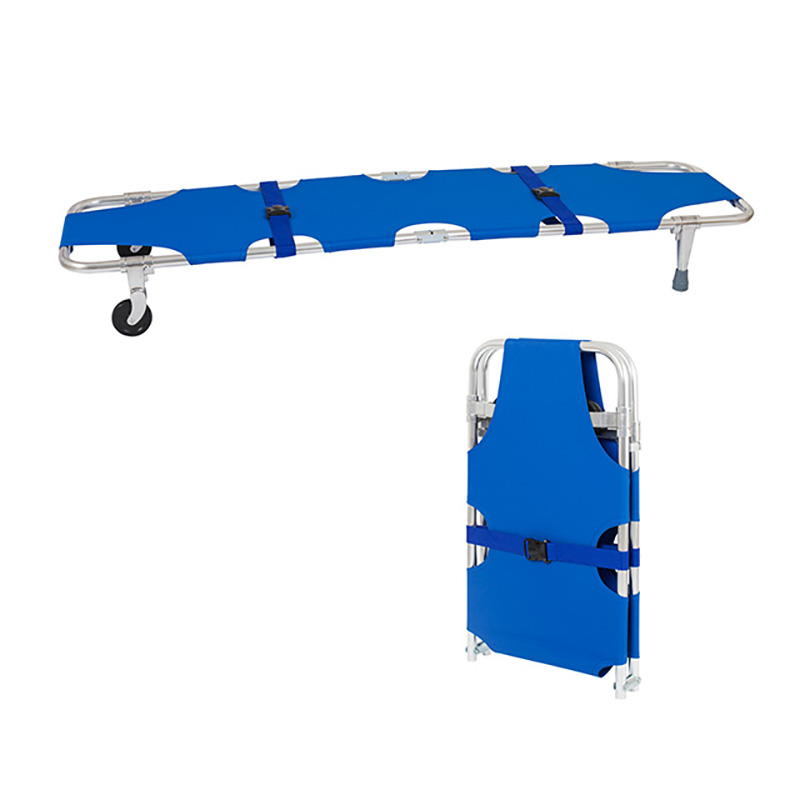
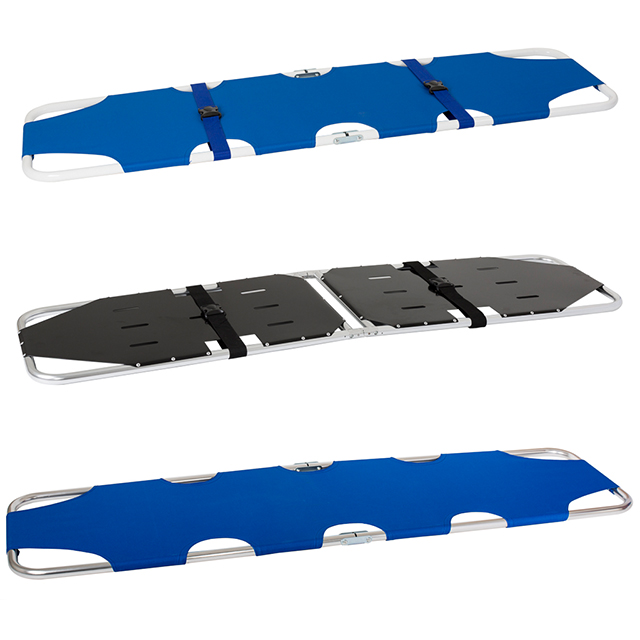
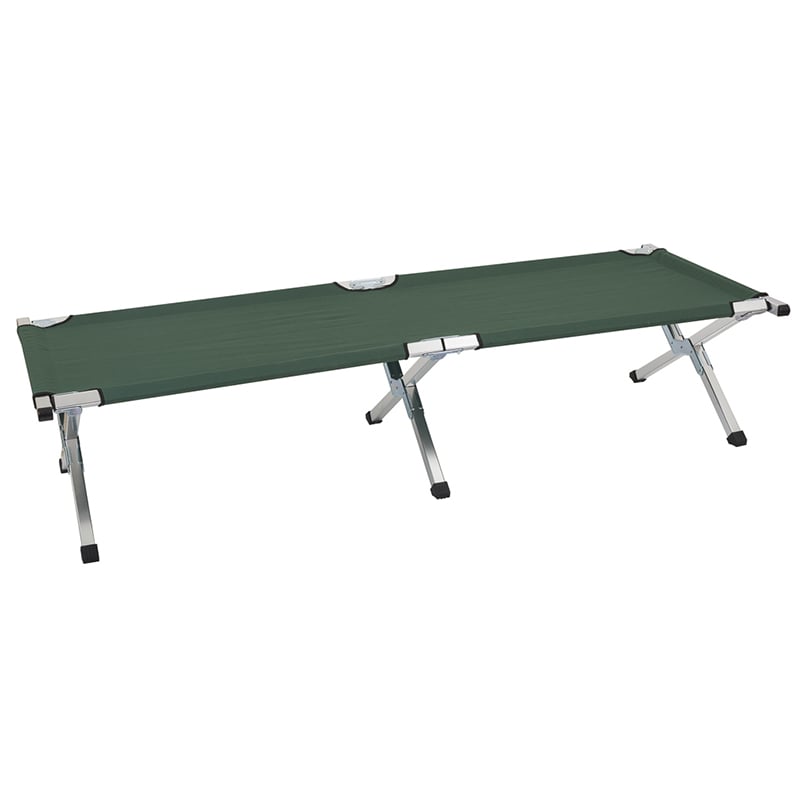
Next, consider the bed's height adjustment capabilities. A hydraulic or electric height adjustment feature can  aid healthcare professionals in achieving  optimal working heights, reducing physical strain during patient examinations.  Additionally, assess  the materials used in the bed's construction.  High-quality,  easy-to-clean materials like vinyl upholstery  over a sturdy metal frame can enhance durability and hygiene, which is crucial in medical  settings. For instance, the YXH-1H Folding Stretcher is a great example of a bed designed for ease of cleaning and durability.


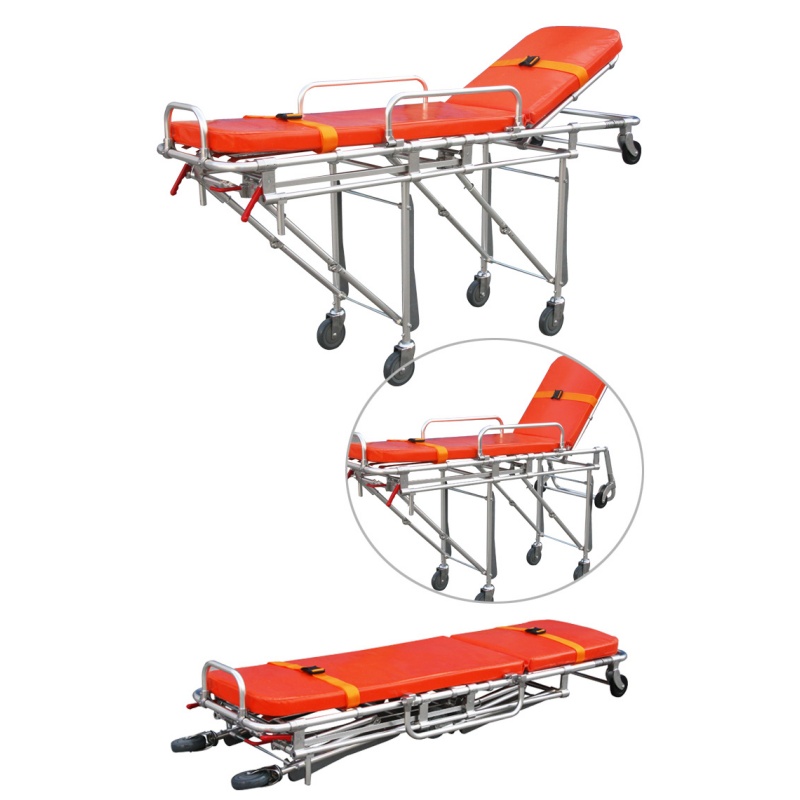
Another important aspect is the bed's mobility. Many medical  examination beds come with casters, allowing  for easy repositioning within a facility. If your healthcare facility frequently rearranges its layout  or  requires  mobility for cleaning  purposes, this feature can be highly beneficial.

Frequently Asked Questions

Our Blog Posts

What Our Partners Say

Key Specifications to Consider for Medical Examination Beds

Key Specifications to Consider for Medical Examination Beds

Understanding the key  specifications of medical examination  beds is vital for  making an informed purchase. Here are  the essential specifications to evaluate:

Weight Capacity: Most examination beds have a standard weight capacity of  250 to 500 pounds. Ensure the model selected can support the  maximum expected patient weight  in your facility. Height Range: The height of the bed should be adjustable, typically ranging from 18 to 36 inches,  to accommodate both patients and healthcare providers comfortably.  Material Quality: The  frame should be  made of durable materials, such as steel  or aluminum, while the upholstery should  be made  from high-grade, waterproof, and easy-to-clean  materials. This ensures longevity and  hygiene. Padding Thickness: Sufficient padding (typically 2 to 4 inches thick) is necessary to provide comfort during  examinations. Thicker padding can be beneficial for longer procedures. Accessories Compatibility: Check for compatibility with accessories such as armrests, stirrups, or  IV poles, which can enhance functionality based on  specific  medical needs.
Cost Factors When Sourcing Medical Examination Beds in Bulk

Cost Factors When Sourcing Medical Examination Beds in Bulk

When sourcing  medical examination beds for a healthcare institution, several cost factors come into play. The  base price of the bed is influenced by its specifications and features, but buyers should also consider  the following:

Bulk Discounts: Many suppliers offer  discounts for bulk purchases. It’s advisable to inquire about pricing  tiers based on order volume. Customization Options: Customizing beds to fit specific needs may increase costs. Custom options could include unique color choices, additional features, or specialized materials. Shipping and Handling Fees:  Shipping  costs  can vary significantly based on the destination  and the weight of the  order. It’s essential to clarify these fees  upfront to avoid surprises.  Maintenance and Warranty  Costs: Consider  any potential  maintenance costs over the bed’s lifespan. A longer warranty may indicate higher quality and potentially lower long-term costs. Lead Time: The  time it  takes for  beds to be  manufactured and delivered can also impact costs, especially  if expedited shipping is required.
Applications of Medical Examination Beds in Healthcare Settings

Applications of Medical Examination Beds in Healthcare Settings

Medical  examination beds serve  various applications across healthcare settings,  including:

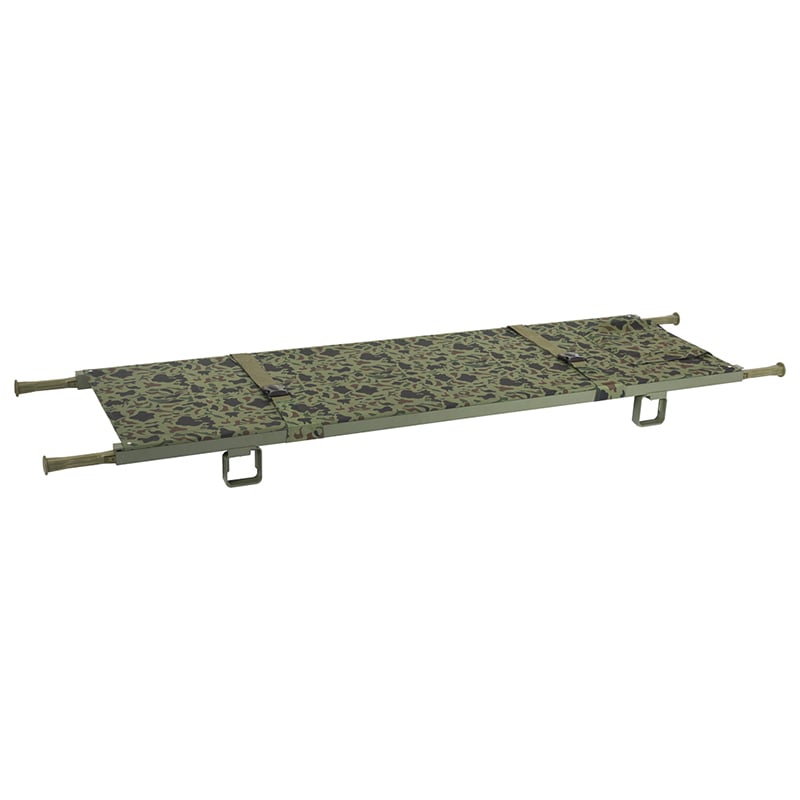
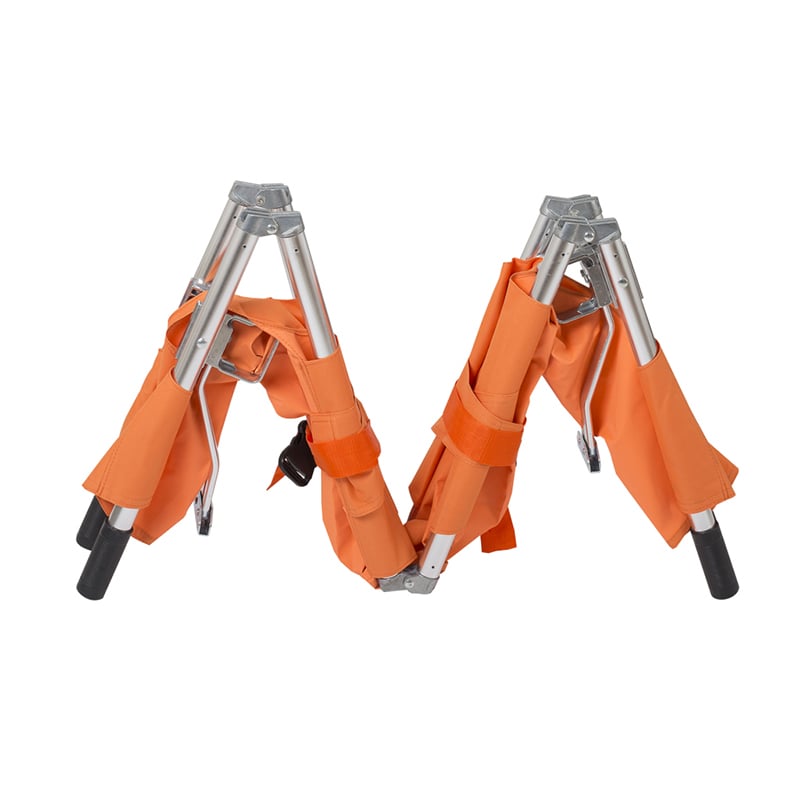
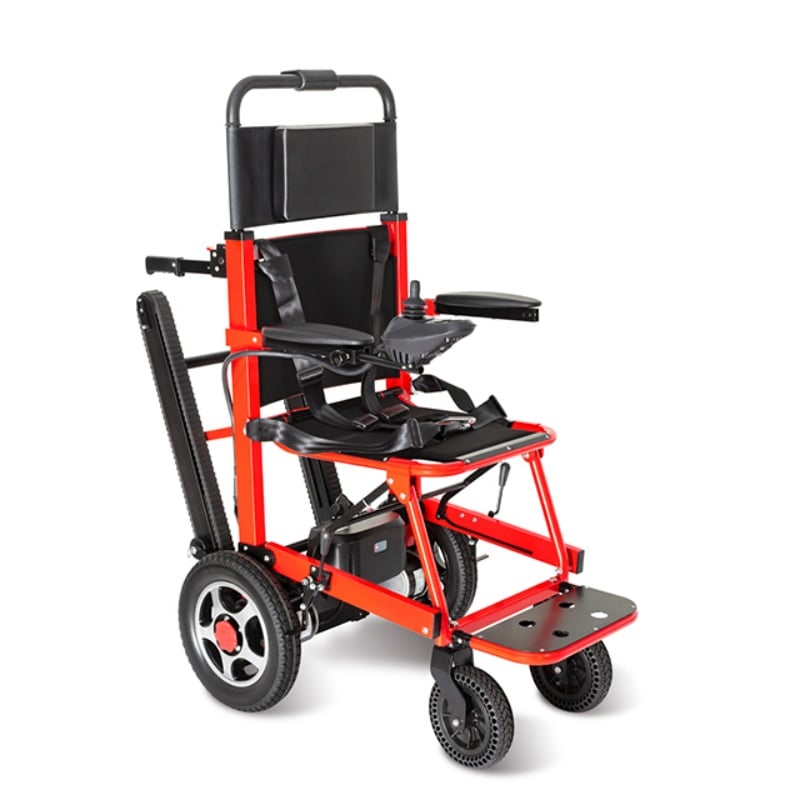
General  Practice: In  outpatient clinics,  examination beds are commonly used during routine check-ups, ensuring comfort  and accessibility for patients. Specialist Clinics: In fields such  as gynecology, pediatrics,  or dermatology, specialized examination beds equipped with specific  features (like stirrups or  adjustable  backrests) can enhance  patient care. Emergency Services: In emergency departments, portable examination beds provide essential support during patient assessments and  triage. Rehabilitation:  Physical therapy and rehabilitation clinics utilize examination beds  for assessments and  treatment sessions, requiring beds  that can adjust for different therapy techniques. For example, the YXH-5M2 Stair Stretcher is particularly useful in rehabilitation settings where mobility and adjustment are critical.

Choosing the  right medical examination bed for each  application can significantly enhance patient comfort and treatment outcomes.

How to Compare Different Medical Examination Beds for Your Needs

How to Compare Different Medical Examination Beds for Your Needs

When comparing different medical  examination beds, consider  the following steps to ensure you select  the most suitable option:

Identify Your Requirements: Begin by assessing  the specific needs of your facility, including patient demographics, space constraints,  and intended applications. Research Manufacturers: Investigate various manufacturers,  focusing on their production capabilities, certifications (like  CE,  FDA, and  ISO 13485), and  reputation in the market. Request Product Samples: Before making a bulk  order,  request samples or demonstration models to evaluate the quality, comfort, and functionality firsthand. Review Customer Feedback: Look for reviews  from other healthcare facilities that have  purchased the beds. This feedback can provide insight into performance and durability. Evaluate  Warranty and Support:  A reliable  warranty and customer support can be invaluable. Ensure the manufacturer offers adequate support for maintenance and any issues that may arise.

By conducting thorough research  and analysis, healthcare  buyers  can make well-informed decisions that meet their operational requirements and improve patient care outcomes.