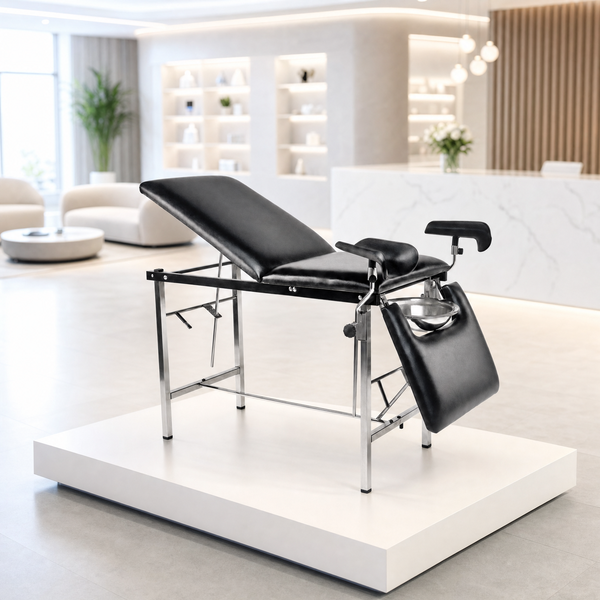
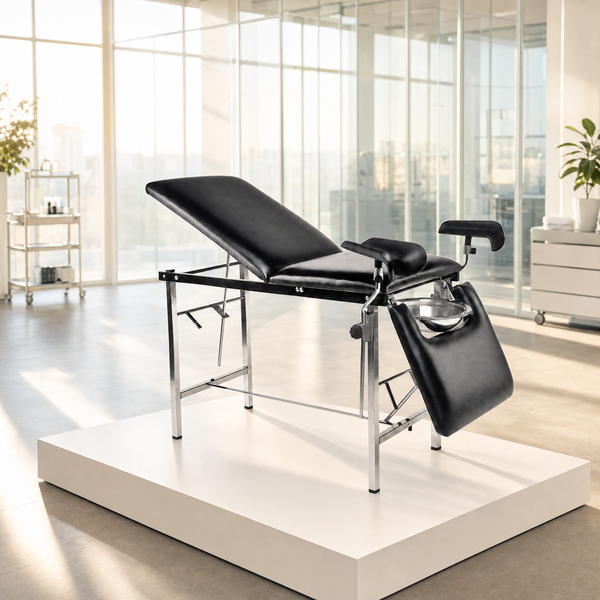
Key Specifications for Gynaecology Examination Beds

Zhangjiagang Xiehe Import & Export Co., Ltd.

application/gynaecology-examination-bed, application/gynaecology-examination-bed, 
Inquiry
Inquiry

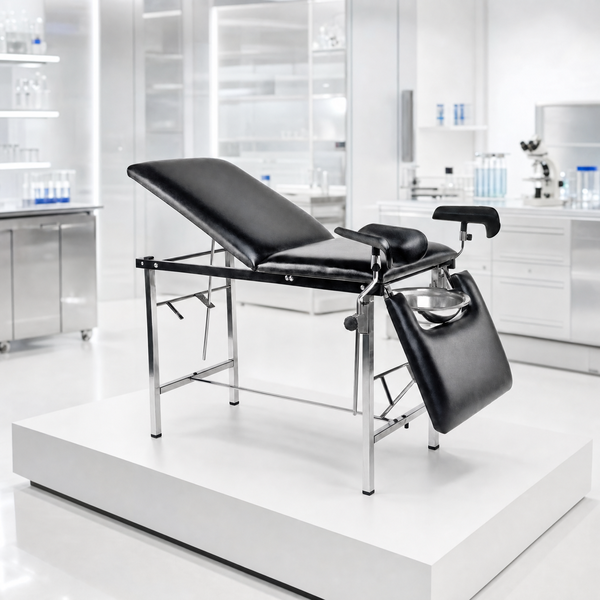
gynaecology examination bed

When  sourcing a gynaecology examination bed,  buyers need  to  consider  various factors that ensure the  product meets  clinical  requirements and  safety standards.  This article will  help purchasing  managers, distributors,  and medical equipment  buyers navigate  key specifications, supplier  reliability, and cost  factors associated with procurement. Understanding these elements will facilitate informed  decision-making, ensuring  that the chosen examination bed is suitable for use in hospitals and  clinics.

Why choose XieHe gynaecology examination bed

Key Specifications to Evaluate When Sourcing Gynaecology Examination Beds

When evaluating gynaecology  examination beds, several key  specifications should  be prioritized:

Weight Capacity: The bed should accommodate a range  of patient weights, typically ranging from 150  kg to 250 kg. A higher weight capacity ensures safety and functionality for diverse patient demographics.

Adjustability: Look  for beds that offer adjustable height, backrest, and leg support. This feature  enables healthcare providers to optimize patient comfort and accessibility during examinations.

Material Quality: The bed frame should be constructed from durable materials like stainless steel or high-grade aluminum to ensure longevity and resistance to corrosion. The upholstery  should be made  from easy-to-clean and disinfectant-resistant materials.

Safety Features: Safety rails, locking mechanisms, and anti-slip surfaces are essential to prevent  accidents. Additionally, consider beds  with adjustable stirrups  for added patient safety and comfort.

Dimensions: The overall dimensions of the  bed should be considered to ensure it fits within the designated examination room space. Standard  widths often range from 60 cm to 80 cm.

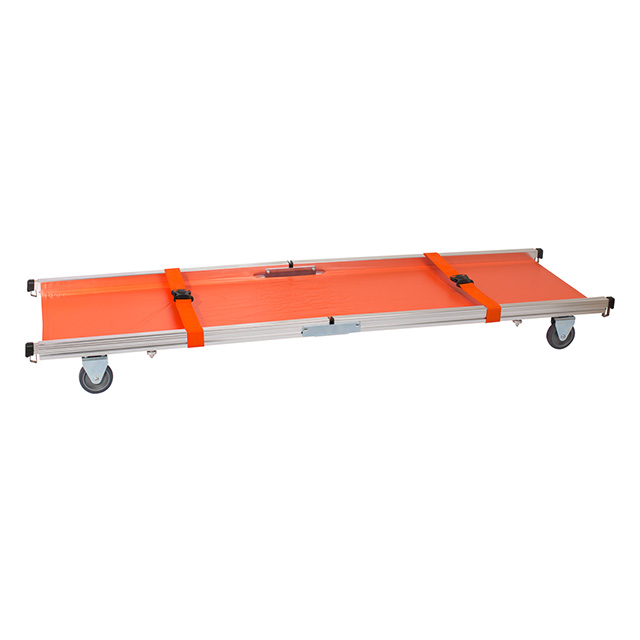
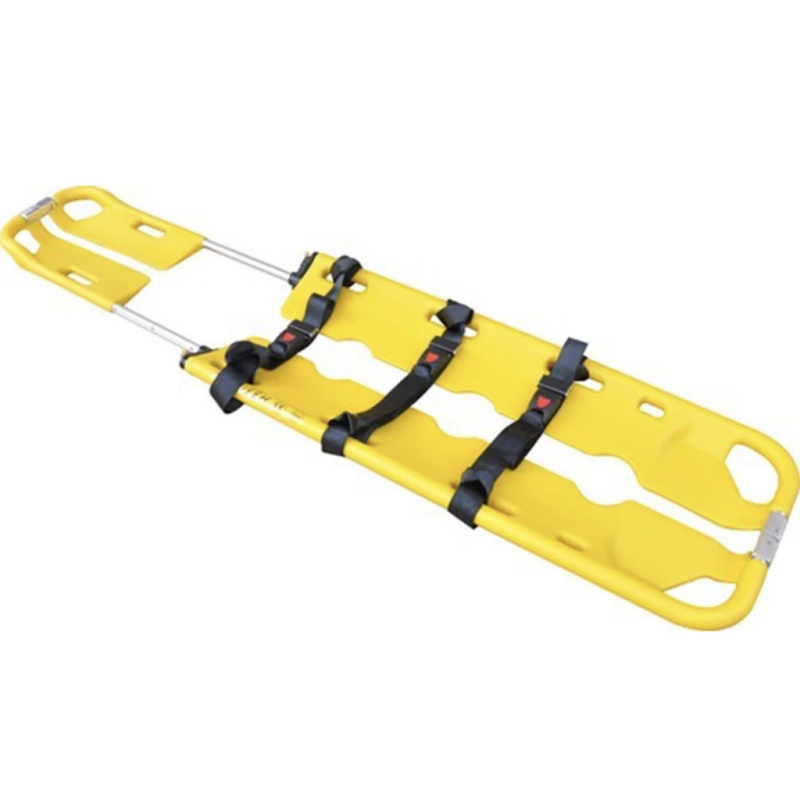
Understanding these specifications will help buyers select a gynaecology examination  bed that meets both clinical  and patient needs. For example, the YXH-1H Folding Stretcher is designed with optimal dimensions and weight capacity for various clinical settings.

Frequently Asked Questions

Our Blog Posts

What Our Partners Say

Where to Find Reliable Suppliers for Gynaecology Examination Beds

Where to Find Reliable Suppliers for Gynaecology Examination Beds

Finding a reliable supplier is crucial for ensuring  the quality and compliance of gynaecology examination beds. Here are some avenues to explore:

Industry Trade Shows: Participating in medical equipment trade  shows  can  provide direct access to manufacturers and suppliers. This is an excellent opportunity to inspect products firsthand and discuss customization options.

Online  B2B Marketplaces: Platforms  like Alibaba,  Global Sources, and Made-in-China facilitate  connections with manufacturers and distributors  worldwide. Reviews and ratings can help evaluate supplier reliability.

Professional Networks: Joining industry associations  or forums can lead to recommendations  for trusted suppliers.  Networking  with other  professionals in the healthcare sector often reveals valuable insights about reputable manufacturers.

Certifications and Compliance: Look for suppliers with relevant certifications such as CE, FDA, and ISO 13485. These certifications indicate adherence to international safety and quality standards, providing an additional layer  of trust.

By leveraging these resources,  buyers can  identify suppliers  that align  with their quality requirements and procurement  objectives.

What to Look for in Gynaecology Examination Beds

What to Look for in Gynaecology Examination Beds

When selecting gynaecology  examination  beds, it's essential to consider  the following factors:

Customization Options: Many suppliers offer customization to  meet specific clinical requirements. Buyers should inquire about available configurations, such as color choices, additional features, or tailored dimensions.

Ease of Maintenance: Look for beds designed for easy cleaning and  maintenance. Removable  and washable  upholstery  can significantly reduce the risk of infection and ensure long-term hygiene.

Stability and Durability: The construction  should be robust enough to withstand frequent use. Buyers should check for warranties or guarantees that reflect the manufacturer's confidence  in their product quality.

User-Friendliness: Consider the bed's design and  functionality  from a healthcare provider's perspective.  Controls for adjustments  should  be intuitive and accessible.

Transportability: If the examination bed needs to be moved frequently, assess its weight and mobility features, such as wheels or collapsible sections.

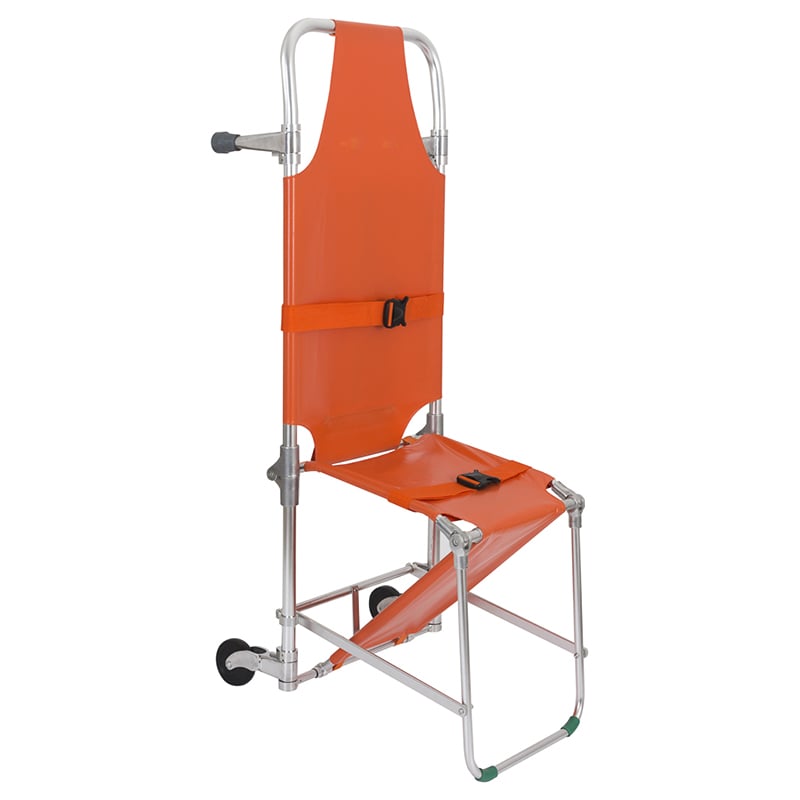
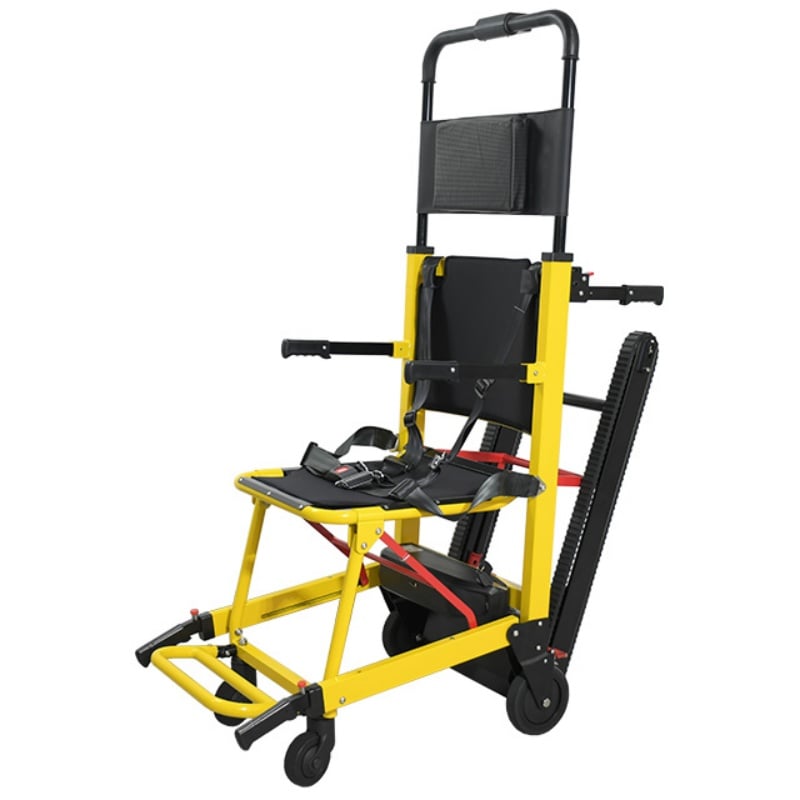
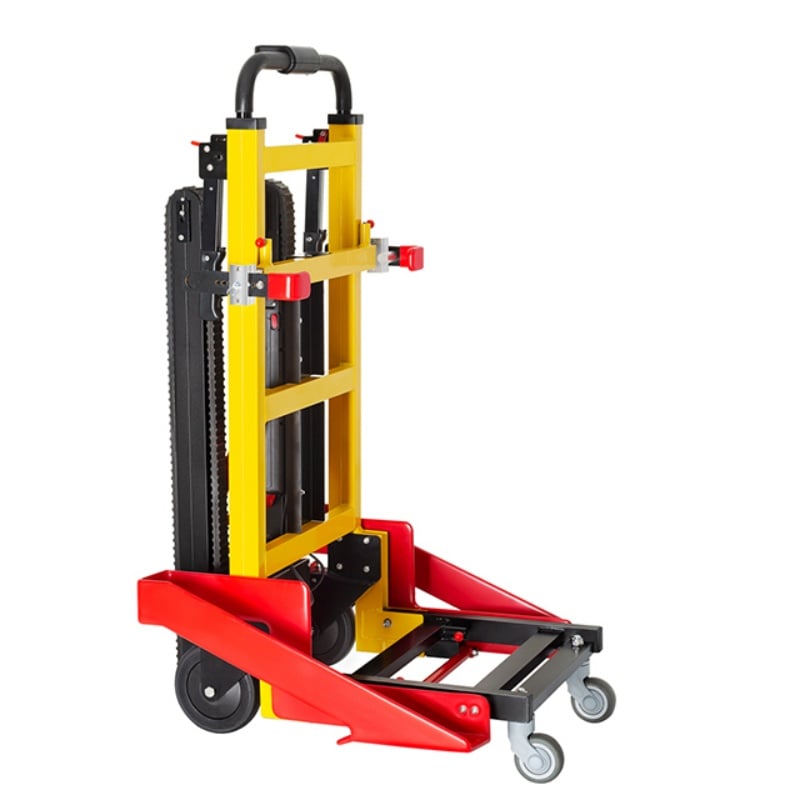
These considerations will  aid buyers in selecting a  gynaecology examination bed that is not only functional but also  meets the operational demands of  their healthcare facilities. The YXH-5P Stair Stretcher is a great example of a versatile option that provides excellent transportability.

Step-by-Step Process

Step-by-Step Process

To streamline the procurement process for gynaecology examination beds, follow these steps:

Define  Requirements:  Collaborate with clinical staff to determine  the specific needs and preferred features for the examination beds.

Research  Suppliers: Utilize  the resources mentioned earlier to compile a list of potential suppliers, ensuring they meet quality and  compliance standards.

Request Quotations:  Prepare  a detailed Request for Quotation (RFQ) that includes product specifications, quantities, and any customization needs. This will facilitate accurate and comparable  pricing.

Evaluate Samples: Before finalizing an order,  request samples or  prototypes. Testing them in  actual clinical settings can reveal practical issues not apparent from specifications alone.

Negotiate Terms: Discuss pricing, lead times, and delivery terms with the  chosen supplier. Ensure clear communication about quality expectations and  after-sales support.

Finalize the Order: Once satisfied with the supplier, proceed  with the  order  while ensuring all agreed terms are  documented.

Following  this structured approach will enhance the efficiency of the procurement process.

Understanding Cost Factors for Gynaecology Examination Beds Procurement

Understanding Cost Factors for Gynaecology Examination Beds Procurement

Several cost factors impact the overall pricing of gynaecology examination beds:

Material and Construction Quality:  Higher quality materials and robust construction methods typically lead to  higher costs. However, investing in durable materials can reduce long-term replacement and maintenance  expenses.

Custom Features: Customization options  can significantly affect  the price. Features such as additional adjustability, specialized upholstery, or integrated technology will add to the cost.

Supplier Reputation  and Certifications: Established suppliers with reputable certifications may charge premium prices due to their proven  track record in quality and compliance.

Quantity Discounts: Purchasing in bulk often leads to  significant cost savings. Evaluate the  total  cost of  ownership rather than just  the unit price.

Shipping and Handling: Consider logistics costs, including shipping, customs,  and handling  fees, particularly when sourcing from  international suppliers.

By understanding these factors,  buyers can  make informed financial decisions  while  ensuring they meet their clinical needs effectively.