Key Specifications of Examination Couches

Zhangjiagang Xiehe Import & Export Co., Ltd.

application/examination-couch, application/examination-couch, 
Inquiry
Inquiry

examination couch

Examination couches are  essential pieces of  furniture in medical environments, designed  to provide  comfort  and accessibility for patients during  examinations. When sourcing examination couches,  B2B buyers  often  have concerns about  specifications, materials,  customization options, and pricing.  This article aims  to  clarify these considerations, helping  purchasing managers, distributors,  and  healthcare facilities make  informed  decisions.


Why choose XieHe examination couch

Key Specifications of High-Quality Examination Couches

When evaluating  examination couches, several key specifications should be considered to ensure that they meet your facility’s needs:

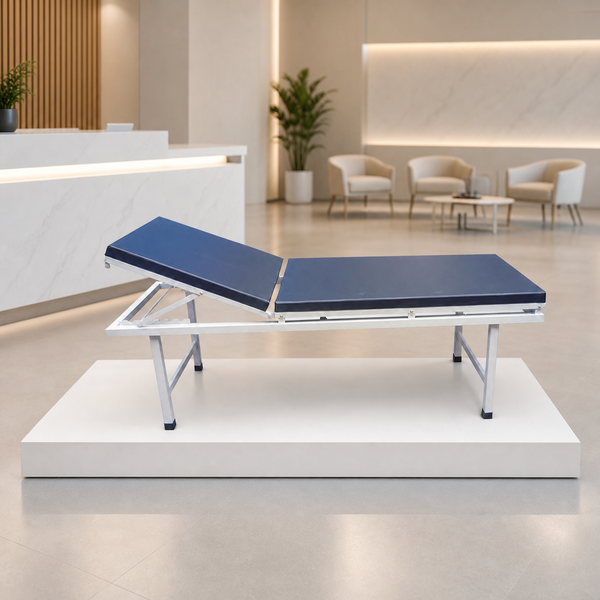
Dimensions: The length and width of  the examination couch should  accommodate a variety  of patient sizes while also fitting within the designated  space in your facility. Standard widths usually range from 60 to 80 cm, and lengths can vary from 180 to 210 cm.

Weight Capacity: It’s crucial to verify the  maximum load the couch can support. Most examination couches  are designed to hold between 150 kg and 250 kg,  but heavier-duty options are  available for specific needs.

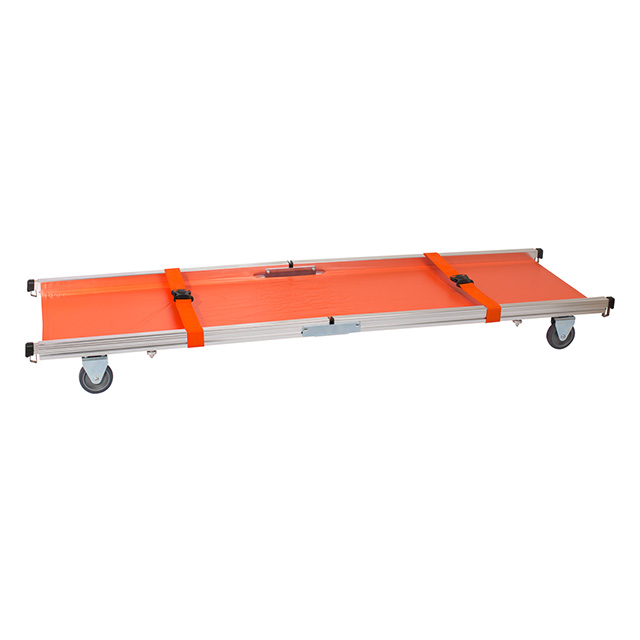
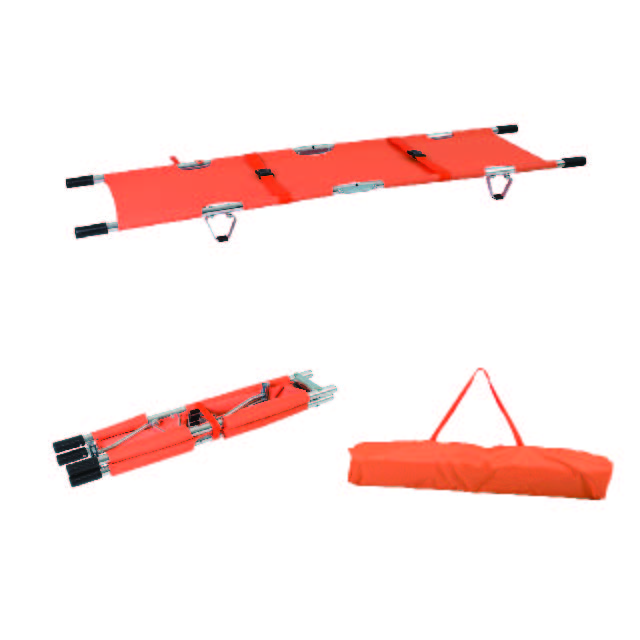
Material: The upholstery material impacts both comfort and hygiene. Vinyl is commonly used due to its  easy-to-clean properties, while foam density should be sufficient  to provide comfort without compromising durability. Additionally, some options like the YXH-1H Folding Stretcher are designed with high-quality materials that enhance durability and functionality.

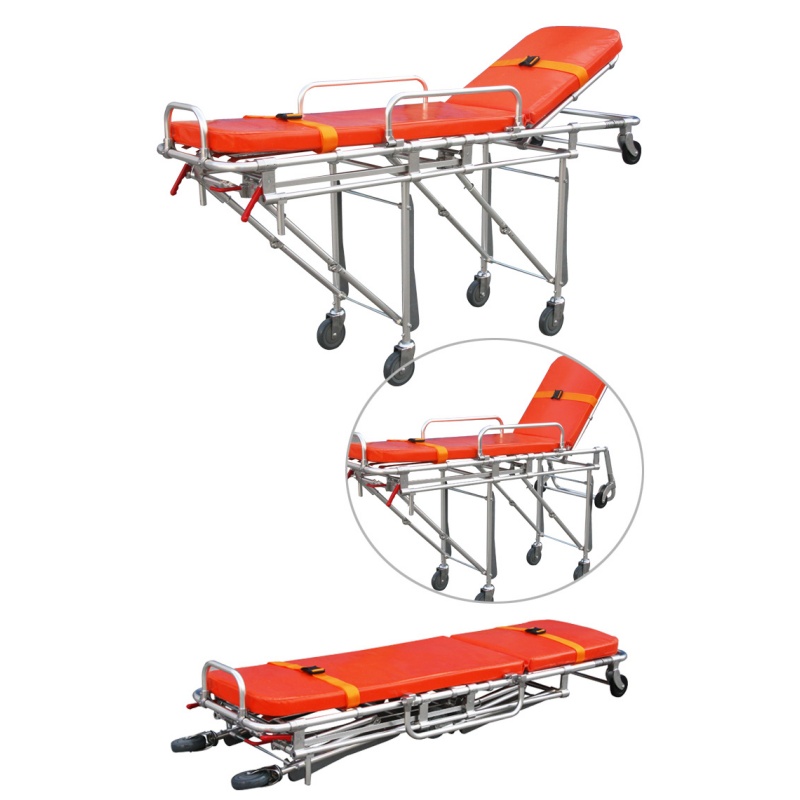
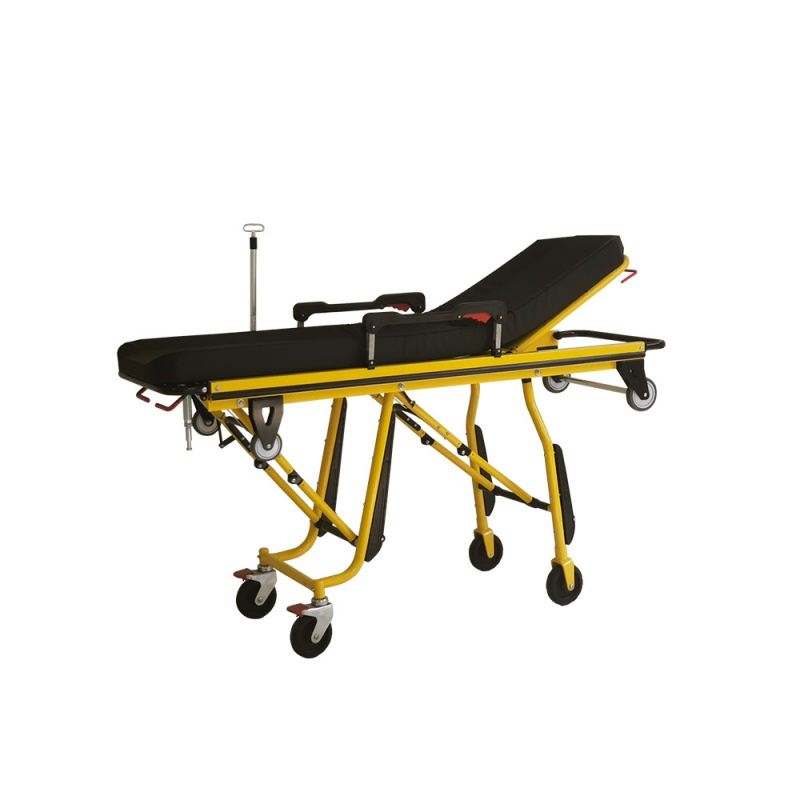
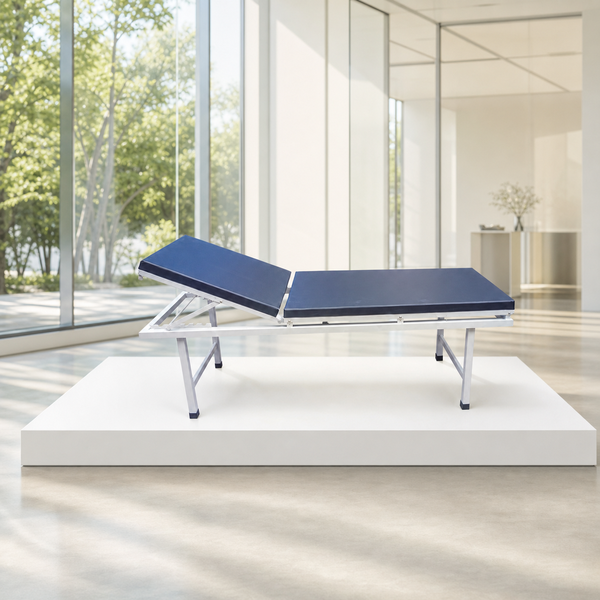
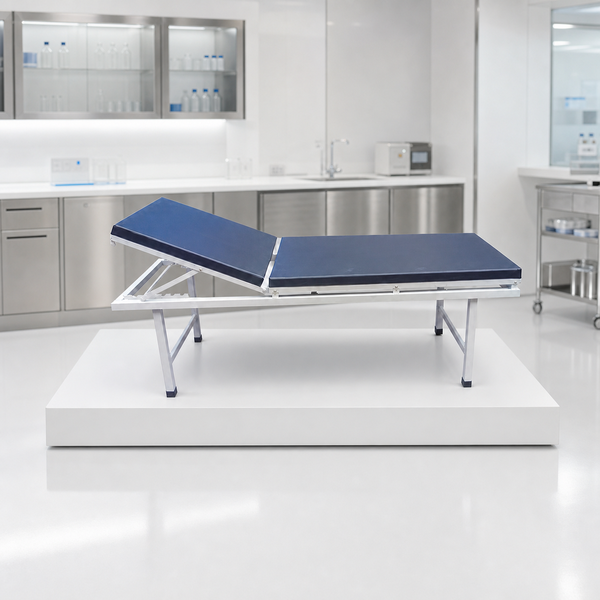
Adjustability: Some models  offer adjustable height and backrest features, enhancing patient comfort and accessibility for medical professionals. Manual  and electric adjustment  mechanisms are available; electric options often provide  smoother operation but may require additional  maintenance.

Mobility: If the examination couch needs to be moved frequently, consider models  with wheels or a lightweight design for ease  of transport.

By focusing on  these specifications, buyers can ensure they select an examination couch that meets  their operational needs.

Frequently Asked Questions

Our Blog Posts

What Our Partners Say

A Buyeru2019s Guide

A Buyeru2019s Guide

When purchasing  examination couches, it’s important to consider various factors that can influence  your decision:

Customization: Many manufacturers, including Zhangjiagang Xiehe Import and Export Co., Ltd., offer customization options. This  can include specific dimensions, colors, and additional features tailored to your facility's requirements. Discuss your needs upfront to ensure  that the final product aligns with  your expectations.

Certifications: Ensure that the examination couches meet relevant safety and health standards. Look for CE, FDA,  or ISO  13485 certifications that confirm  compliance with international norms, which is crucial for medical equipment.

Supplier Evaluation: Research potential suppliers thoroughly. Assess their manufacturing  capabilities, quality control processes, and reputation in the industry. A supplier with robust experience and a strong network can provide peace of  mind  regarding product reliability and support.

Lead Time:  Discuss  lead  times  for production and delivery. Custom orders may take  longer than standard models, so ensure to plan accordingly to avoid disruptions in your operations.

After-Sales Support: Inquire about warranty and support options. A  reputable supplier will offer assistance for maintenance and repairs,  ensuring the longevity of your investment.


By following these guidelines, buyers can navigate the purchasing process more effectively.

 
Understanding the Costs Involved in Purchasing Examination Couches

Understanding the Costs Involved in Purchasing Examination Couches

The cost  of examination couches can vary significantly based on several factors:

Material Quality: Higher quality materials often result in increased durability and  comfort,  which can  raise the initial cost. Vinyl upholstery, for example, may be more expensive  but offers  better hygiene and maintenance  benefits.

Customization Features: Custom features such as adjustable height, specialized upholstery, or additional accessories can  contribute to higher costs. Determine which features are essential for your application to balance functionality and budget.

Quantity: Bulk orders  often come  with discounts. If your facility requires multiple units, discuss volume pricing with your supplier to maximize savings.


Shipping  and Handling: Consider logistics costs, especially if you are ordering from  an international supplier. Shipping fees can add significantly  to the total cost, so clarify these  details upfront.

Maintenance and Lifespan: While the initial  purchase  price is important, consider the long-term value.  Investing in  higher-quality couches may reduce maintenance costs and extend their lifespan, resulting in lower overall expenditure.

Understanding these cost factors will  enable buyers to make budget-conscious decisions.

Expert Guidance

Expert Guidance

For buyers  seeking expert guidance in selecting examination couches, consider the following actionable  tips:

Sample Approval: Before  committing to a large order, request samples to evaluate the couch's comfort, material quality, and functionality.  Testing under  actual conditions  can  reveal potential issues that may not be  apparent in specifications alone.

Check Compatibility: Ensure the examination couch fits  well with existing  medical equipment in your facility. Dimensions  and adjustments should allow  for seamless integration without obstructing workflows.

Quality Control Inspection: Establish a  clear quality inspection process upon receiving the couches. Check for material defects, ensure that all features function correctly, and verify compliance with the agreed specifications.

Feedback  from Users: Gather input from healthcare  professionals  who will be using the couches. Their insights can guide you in  making the best choice for patient comfort and functionality.


By adhering to these expert recommendations, buyers can enhance their purchasing decision's  effectiveness.

 
Common Problems with Examination Couches and Their Solutions

Common Problems with Examination Couches and Their Solutions

Buyers should be  aware of potential issues  that can arise with examination couches and how to address them:

Material Wear and Tear:  Over time, upholstery may wear out or become stained. Regular maintenance, including cleaning protocols and  scheduled inspections, can prolong the life of the upholstery.  Opting for high-quality, durable materials can also mitigate this issue.

Mechanical Failures: For adjustable models, mechanical or  electrical failures can occur. Ensure that users are trained on proper operation and encourage reporting of any issues promptly. Having a warranty or service agreement in place can facilitate quick repairs  when needed.

Stability Issues: If a couch feels unstable or wobbly, this can be a safety  concern. Verify that all assembly instructions are followed correctly and consider periodic checks of the structural  components to ensure stability.

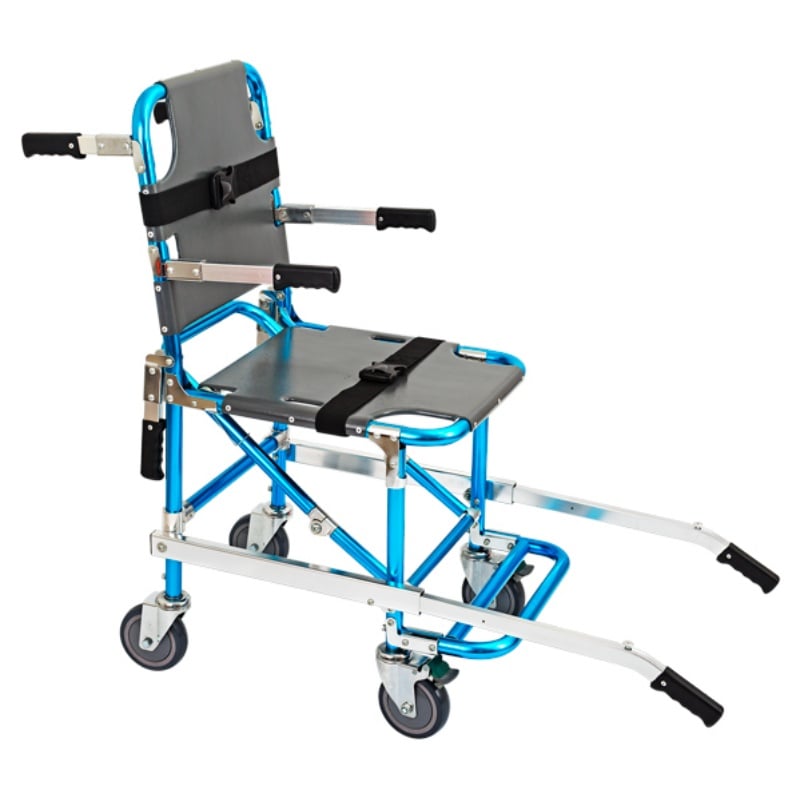
Incompatibility with Equipment: If the couch  doesn't fit well with your existing equipment, it can hinder  workflow. Prior to purchase,  ensure compatibility  by evaluating the layout of your medical space and consulting with the supplier for recommendations. Additionally, considering models like the YXH-5P Stair Stretcher can help in ensuring that your equipment works seamlessly together.

By recognizing these common  problems and their solutions, buyers can  ensure that their examination couches serve their  intended purpose effectively. 

By understanding the specifications, costs, and common challenges associated with examination couches, B2B buyers can make  informed  decisions that enhance their  operational efficiency and patient care.