Choosing KED Immobilization Devices for Emergency Care

Zhangjiagang Xiehe Import & Export Co., Ltd.

application/ked-immobilization, application/ked-immobilization, 
Inquiry
Inquiry

ked immobilization

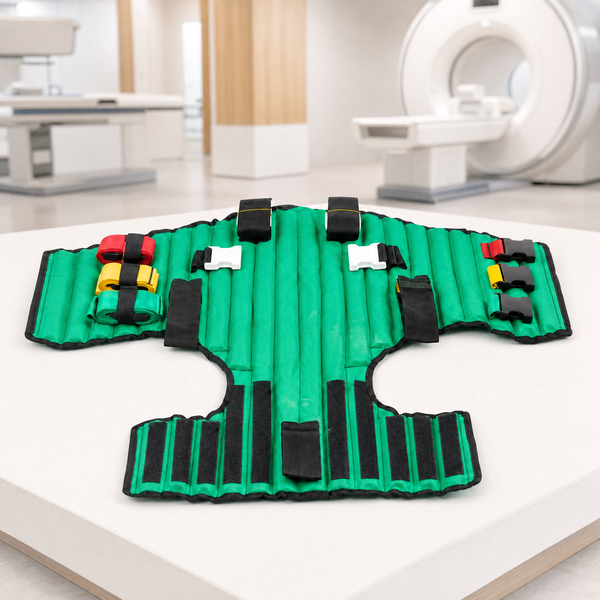
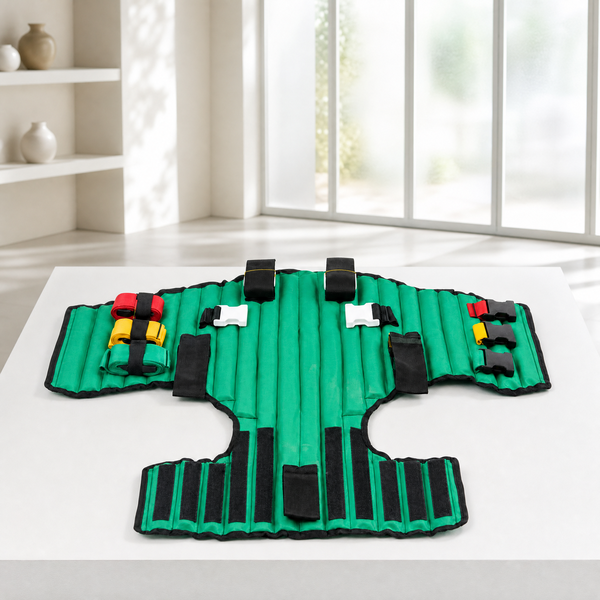
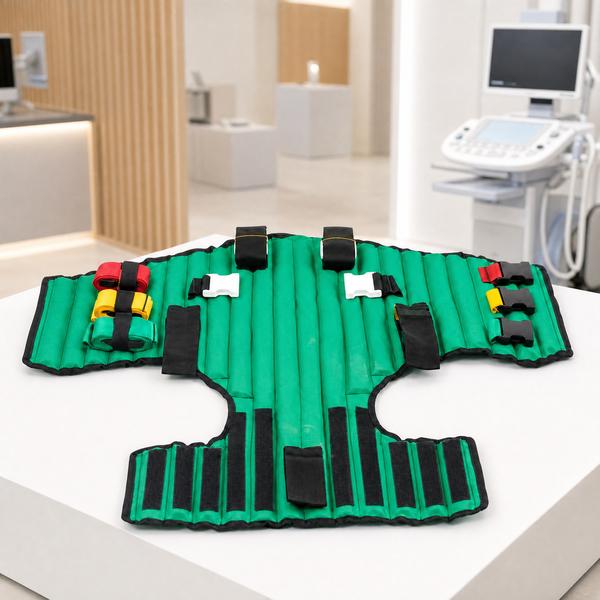
KED immobilization devices are essential tools in  emergency medical situations,  designed to secure  patients after trauma or injury. For purchasing managers, distributors, and medical personnel, understanding the nuances of  these devices  is crucial for making  informed decisions. This  article  will  guide  you through selecting  the right KED  immobilization equipment, key specifications  to  consider, installation guidance, cost factors,  and the various  applications  of  KED immobilization  in emergency  situations.

Why choose XieHe ked immobilization

Our Products

How to Choose the Right KED Immobilization for Your Needs

Selecting the appropriate KED immobilization device requires careful  consideration of several factors. First, evaluate the specific needs  of your  medical  facility or emergency response team. Consider factors such as the  types of injuries most commonly encountered,  the patient demographics  (e.g., pediatric  vs. adult), and the environments  in which the device will be used.

Furthermore, assess the product’s compatibility with other  emergency equipment, such as stretchers and spinal boards. Devices  should be easy to integrate within your existing  protocols,  allowing  for  swift and efficient  patient handling. Lastly,  prioritize devices that are  lightweight yet durable, ensuring ease of  transport without compromising on  strength. For this purpose, choosing the right Stretcher to complement your KED immobilization devices can be beneficial.

Frequently Asked Questions

Our Blog Posts

What Our Partners Say

Key Specifications to Consider

Key Specifications to Consider

When evaluating KED immobilization devices, several  key specifications should be taken into  account:

Material: The device's material should provide adequate support while  remaining lightweight. Common materials include high-density polyethylene (HDPE) and durable nylon, which offer a balance of strength and flexibility.

Dimensions: Ensure that  the device’s dimensions are appropriate for a range of patient sizes. A versatile KED immobilization device should accommodate both adults and children, allowing for flexibility in emergency situations.

Strapping System: The  effectiveness  of the  immobilization often depends on  the strapping system. Look  for a device with  adjustable straps that  can secure the patient comfortably and effectively without causing additional injury.

Certification: Verify that the device meets relevant medical standards and certifications such as CE,  FDA, or ISO 13485. These  certifications are indicative of a manufacturer’s commitment to quality and safety.

Weight Capacity: Consider the maximum load that the  device can safely support. This is particularly important in emergency scenarios  where time is of the  essence.

Understanding these specifications will not  only aid in  selection but also ensure  that the chosen device  meets your operational requirements.

Installation Guidance for KED Immobilization Equipment in Projects

Installation Guidance for KED Immobilization Equipment in Projects

Proper installation of KED immobilization devices is crucial  for optimal performance. Begin  by reviewing the manufacturer's guidelines, which  typically  include step-by-step instructions. Training  for personnel on the  correct usage and installation  processes is equally important.

Ensure that the devices  are stored in easily accessible locations, and  conduct  regular checks  to confirm that they  are in good working order. Set  aside time  for periodic training sessions, allowing staff to practice using the devices under simulated conditions. This hands-on experience can be invaluable  during real  emergencies.

Additionally, keep an inventory checklist to track the  condition and availability of each device. This proactive  approach can help  mitigate issues that arise from equipment shortages or  malfunctions during critical moments.

Cost Factors to Consider When Sourcing KED Immobilization Devices

Cost Factors to Consider When Sourcing KED Immobilization Devices

When sourcing KED immobilization devices, various cost factors come into  play. Start by evaluating the initial purchase price, but do not overlook the total  cost  of ownership, which includes maintenance, training, and replacement costs.

Bulk Pricing: Many manufacturers offer discounts for bulk purchases, which can significantly lower the unit cost. Consider  your projected needs over the next  few years to determine if bulk purchasing is feasible.

Shipping and Handling: Factor in shipping costs, especially for international orders.  Ensure that your  supplier  provides transparent shipping terms and that you account for any  potential customs  fees.

Warranty  and Support: A product with a good warranty  can save money in the long run. Look for manufacturers who offer  comprehensive  support and service agreements, as this can  reduce downtime and  replacement costs.

Customization Fees:  If customization is necessary, understand the  associated costs upfront. Customized features may add to the  price but can enhance the device's suitability for your specific applications. Multifunctional Rescue Stretcher is an example of a device that can be tailored for specific needs.

By considering these  cost factors, you can make more informed budgeting decisions that align with your organization's financial capabilities.

Understanding Applications of KED Immobilization in Emergency Situations

Understanding Applications of KED Immobilization in Emergency Situations

KED immobilization devices  are pivotal  in various emergency scenarios, particularly  for spinal immobilization during transport.  They are commonly used in cases of suspected spinal injuries, where preventing further injury is critical.

In addition to trauma cases, KED devices are effective  for securing patients with head or neck injuries, allowing for  safe transport to medical facilities.  Their versatility makes  them suitable for both indoor  and outdoor settings, such as sports events, construction sites, or remote locations.

Moreover, KED immobilization devices are designed to be user-friendly, facilitating  rapid application by emergency responders.  This ease of use is vital  in high-pressure environments where every second  counts.

Understanding  these applications can help organizations ensure that their emergency response  teams are well-equipped to handle various medical situations effectively.

In  summary, selecting the right KED immobilization device involves careful consideration of product  specifications, cost factors,  and installation processes. By prioritizing these aspects, your organization can enhance  its emergency response capabilities while ensuring the  highest levels of patient care.