Choosing the Right KED Device for Your Needs

Zhangjiagang Xiehe Import & Export Co., Ltd.

application/ked-device, application/ked-device, 
Inquiry
Inquiry

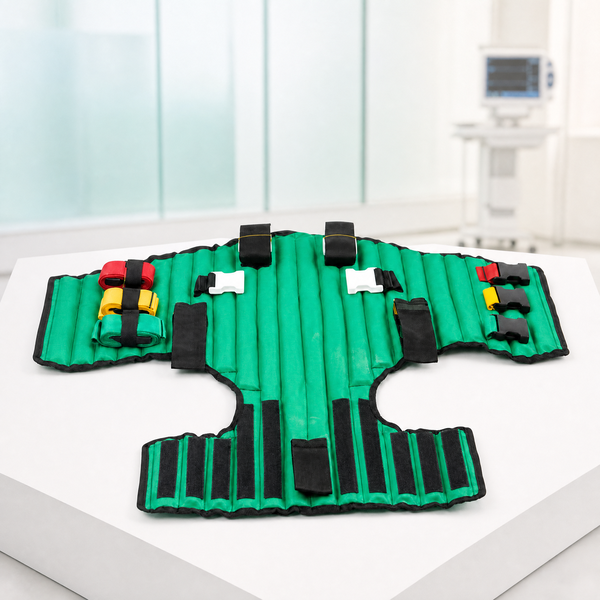
ked device

Choosing  the right KED  device is crucial for emergency medical situations, ensuring effective patient immobilization during transport. As a B2B  buyer, you  may have  concerns regarding the  product  specifications,  manufacturing standards, and  pricing, particularly  when outfitting hospitals or emergency  response  teams.  This article will guide  you through  essential considerations  for selecting  a KED device, including  evaluating manufacturing standards,  understanding features and benefits,  and addressing common challenges.

Why choose XieHe ked device

Our Products

What to Consider When Choosing a KED Device for Your Needs

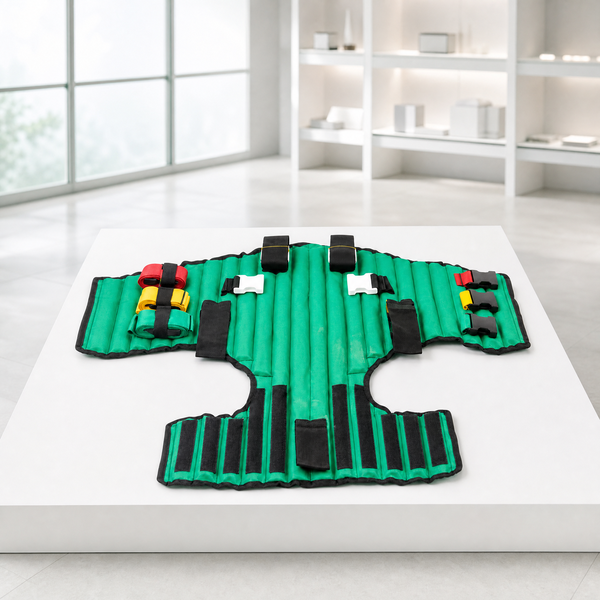
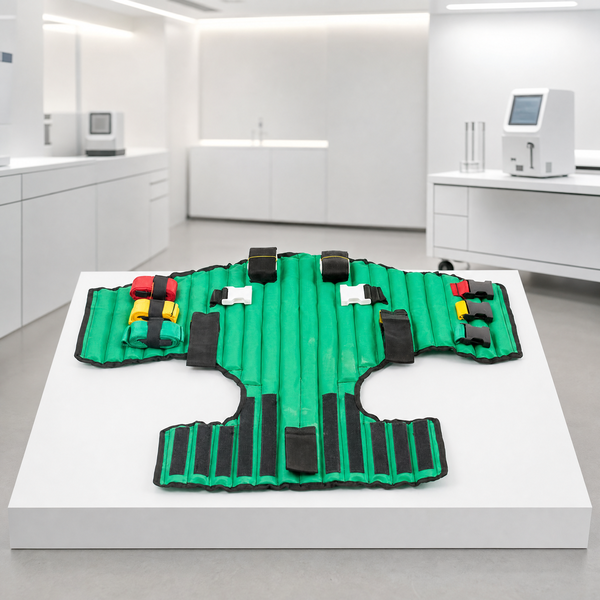
When  selecting a KED  (Kendrick Extrication Device), it’s essential to consider the specific needs of  your application.  Key factors include the device's  size, material,  and  weight capacity. The KED should accommodate various patient sizes  and provide adequate immobilization  without causing additional harm.

Material  selection is particularly important; look for  durable, easy-to-clean fabrics that can withstand frequent  use in emergency situations. Additionally, ensure that the device is compatible with other equipment you may own, such as stretchers or backboards. Understanding  the operational environment—whether it’s in  an ambulance, emergency room,  or field setting—will also help you  choose a KED that meets your requirements effectively. For example, a well-designed Stretcher can greatly enhance the efficiency of patient transfer during emergencies.

Furthermore,  consider customization  options that  allow you to tailor the device  to specific patient populations, such as pediatric or bariatric patients. These considerations will help ensure that the KED device you choose meets the diverse needs of your healthcare team.

Frequently Asked Questions

Our Blog Posts

What Our Partners Say

Evaluating KED Device Manufacturing Standards

Evaluating KED Device Manufacturing Standards

Manufacturing standards are critical  when  evaluating KED  devices.  Look for certifications such as CE, FDA, and ISO 13485,  which indicate compliance with international quality management systems and safety  regulations. These  certifications ensure that the device has  undergone rigorous testing and  meets the necessary safety and performance criteria.

In addition to certifications, inquire about the manufacturer’s quality control processes. Reputable manufacturers, like Zhangjiagang Xiehe Import Export Co.,  Ltd., implement stringent  quality checks  at various production stages, from raw material sourcing to final product  assembly. Understanding the production capabilities and equipment used can also provide insight into the reliability and durability  of the KED  device.

Finally, consider the manufacturer’s experience in the industry. A company with a proven  track record in producing emergency medical  devices  is likely to  have the  expertise needed to deliver high-quality products.

Features and Benefits Explained

Features and Benefits Explained

KED  devices offer several features that enhance their usability  and effectiveness in emergency situations. Key benefits include:

Multi-Point Strapping System: This feature  ensures proper stabilization of the patient's head and neck, which is crucial during  transport. Look for devices that  allow  for adjustments to accommodate different patient sizes.

Lightweight Design:  A lightweight KED  device reduces the physical strain on emergency personnel while allowing for easy transport. Make sure the device is also compact enough to fit within your emergency response vehicle.

Easy-to-Clean Material: Given the nature of emergency medical work, the material should be resistant to stains and easy to sanitize, ensuring that it can  be reused safely.

Compatibility with Other Devices: A well-designed  KED device should integrate seamlessly  with other immobilization equipment, such as backboards and stretchers, allowing for efficient patient transfer.

Customizable Options: Many  manufacturers offer customization options for specific medical needs, which can enhance the functionality  of the KED device.

By understanding these  features and  their benefits, you can select a KED device  that not only meets  your  operational requirements but also enhances  patient care.

Understanding Pricing for KED Devices in Bulk

Understanding Pricing for KED Devices in Bulk

When purchasing KED devices,  especially for organizations  requiring multiple units, pricing can  vary significantly based on several  factors. Bulk purchasing often allows for discounts,  but the  final cost can  still be influenced by  the following:

Material Quality: Higher-quality materials may  come at a premium but contribute to the device's longevity and effectiveness.

Customization Options: Custom features may increase the initial investment, but they can improve  usability and patient care in the long run.

Volume Discounts:  Many manufacturers offer tiered pricing based on order quantities. Inquire about minimum order quantities (MOQs) and negotiate pricing based on your specific  needs.

Lead Time:  Be aware that shorter lead times  may incur additional  costs. Planning your order well in advance can help reduce expenses.

Shipping and Handling: Factor  in shipping costs, especially if  you  are ordering from an international supplier. Understanding the total landed cost will give you a more accurate picture of your investment.

By considering these factors when evaluating pricing, you can make a more informed purchasing decision that aligns with your budget and operational needs.

Common Problems with KED Devices and Effective Solutions

Common Problems with KED Devices and Effective Solutions

Despite the effectiveness of KED devices, users  may encounter common issues that can impact their functionality. Here are some  typical problems along with solutions:

Improper Fit: If  the  KED device does not fit the patient correctly,  it may not  provide adequate immobilization. To mitigate this, ensure you select devices that offer adjustable components and test them during training scenarios.

Material Wear: Over time, wear and tear can affect the  device’s integrity. Regular inspections and maintenance,  including cleaning and checking for damage, can prolong the life of the KED device.

Complex Assembly: Some emergency personnel may find the assembly process challenging under  pressure. Training sessions focusing on the quick deployment of the KED device can enhance proficiency and reduce response times.

Integration Issues: Compatibility with other  medical equipment is essential. Before purchasing the  KED  device,  confirm its compatibility  with existing scoops and immobilization  tools to  avoid operational delays.

By being aware  of these potential issues and preparing solutions in advance, you  can enhance the effectiveness of KED devices in emergency medical situations, ultimately  leading to better  patient outcomes.