Key Factors in Choosing Emergency Stretchers

Zhangjiagang Xiehe Import & Export Co., Ltd.

application/ked-rescue, application/ked-rescue, 
Inquiry
Inquiry

ked rescue

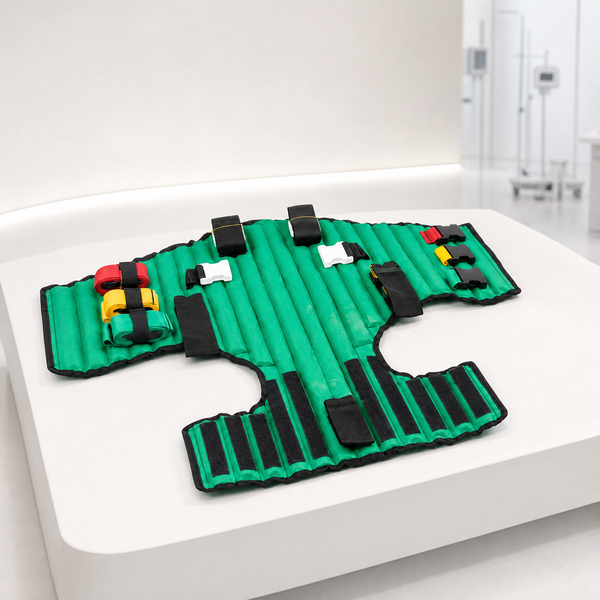
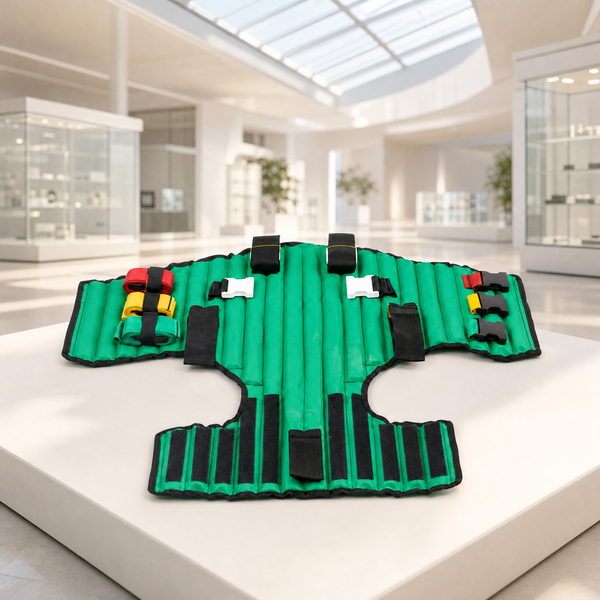
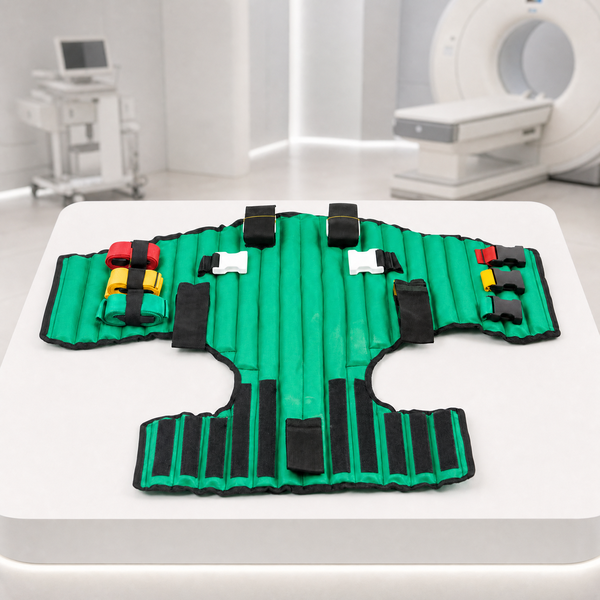
Emergency stretchers, crucial for swift patient transportation  during medical emergencies,  come with diverse features tailored for specific  needs. Selecting the right ked rescue  stretcher is  essential  to ensure safety, comfort, and  efficiency in critical  situations. B2B  buyers, such as purchasing managers and healthcare  administrators, often face concerns  regarding product specifications,  quality assurance,  and  application suitability. This article aims to provide detailed insights into choosing,  sourcing, and  utilizing  emergency stretchers effectively, ensuring  that your organization can  make informed purchasing decisions. For comprehensive information on various products, you may explore our Funeral Home Products.

Why choose XieHe ked rescue

Our Products

How to Evaluate the Quality of Emergency Rescue Equipmen

Selecting the right emergency stretcher involves assessing a variety of factors tailored  to your specific requirements. First, consider the  type of emergency scenarios in which the stretcher will be used. For example, different models may be better suited for outdoor rescues versus hospital transfers.


Next, evaluate the weight capacity  and dimensions of the stretcher. It is critical to choose a model that can safely accommodate the expected patient load. Additionally, the stretcher design should  allow for easy maneuverability  in tight spaces  and  provide adequate support in various settings.


Material selection is also vital. Emergency stretchers are commonly constructed from lightweight, durable materials like aluminum and high-strength plastics to enhance portability while ensuring strength.  Look for stretchers with anti-corrosive finishes to  withstand rigorous use in  challenging environments. For instance, models like the Manual Stair Chair provide additional options for transporting patients.

Lastly, consider  any customization options. Your  organization may  require specific features such as  adjustable height, integrated safety straps, or  specialized handling mechanisms. Always consult with  your supplier to ensure the stretcher aligns  with  your operational needs.

Frequently Asked Questions

Our Blog Posts

What Our Partners Say

Key Specifications for Customizable Emergency Rescue Products

Key Specifications for Customizable Emergency Rescue Products

When sourcing emergency stretchers, establishing a reliable supply  chain is crucial. Start by evaluating  potential suppliers' certifications, such as  CE, FDA, and ISO  13485, which  indicate compliance with international safety  and quality standards. This will help ensure that the  products  meet  stringent manufacturing and safety benchmarks.

Inquire about the supplier’s experience and  capabilities in producing emergency stretchers. A supplier with a robust track record in the industry will  be more likely to provide high-quality products and support. Additionally, ask  about their production capacity and lead times to ensure they can  meet your  demand.

Before finalizing a purchase, review customer feedback and testimonials. Engaging with other clients can  provide  insights into the  supplier's reliability and product performance. Lastly, request samples to  assess the quality and suitability  of the stretcher for your specific applications.

 
Cost Factors to Consider for Wholesale Emergency Stretchers

Cost Factors to Consider for Wholesale Emergency Stretchers

Understanding the specifications of emergency stretchers is essential for  making informed purchasing decisions. Key specifications  to consider include:

Weight Capacity: This indicates the maximum load the  stretcher can safely carry. It's important to ensure that it  aligns with your patient demographics and any additional equipment that may be needed during transport.

Dimensions: The size of the stretcher affects its portability and  storage. Ensure that the dimensions fit the intended usage  environment, be it an  ambulance, hospital, or  outdoor setting.

Material Composition: High-quality stretchers often  use a combination of aluminum frames and high-density  fabric or plastic materials. This ensures durability and ease of cleaning.

Foldability and  Storage: Many emergency stretchers offer foldable designs for compact storage and transport. Consider  the ease of folding and unfolding, especially  in time-sensitive situations.

Safety  Features: Look for features such as safety straps, reflective surfaces, or securing  mechanisms that enhance patient safety  during transport.

By evaluating these specifications, you can better align your choice of stretcher  with your  operational needs and ensure compliance  with safety standards.

 
Common Problems with Emergency Rescue Equipment and Their Solutions

Common Problems with Emergency Rescue Equipment and Their Solutions

Proper installation and setup of emergency stretchers are critical for their  effective use in different environments. For instance, in hospital  settings, stretchers should be  positioned in easily accessible  locations to facilitate rapid  response. Ensure  that staff is trained in operating the stretchers efficiently, particularly in high-pressure situations.

In outdoor or  field settings,  consider  the terrain  and accessibility. Stretchers designed for rugged environments may feature additional  support structures or wheels for easier movement  across uneven ground. When installing these stretchers, ensure they are placed on stable surfaces  to prevent accidents.

If using stretchers  with adjustable  components, familiarize staff with the  adjustment mechanisms  to ensure optimal use.  Regular training sessions can help reinforce proper handling techniques  and address any challenges staff may face during emergencies.

 
Applications of Emergency Stretchers in Various Industries and Scenarios

Applications of Emergency Stretchers in Various Industries and Scenarios

Emergency stretchers have  versatile applications across various sectors, with healthcare  being the most  prominent. In hospitals and  clinics, they are essential for transporting patients between departments, particularly in emergencies. Their use can significantly reduce response times,  improving patient outcomes.


Beyond  healthcare, emergency stretchers are also valuable in disaster response, outdoor  adventures, and military operations. In disaster scenarios, stretchers  must be durable and lightweight for efficient transport over challenging terrains. In these contexts,  stretchers equipped  with features for rapid  deployment and ease  of use are invaluable.

Additionally, industries such  as construction or manufacturing may use emergency stretchers  for workplace accidents. Ensuring that these environments have appropriate equipment  can mitigate  risks and enhance overall safety protocols.

In summary, understanding the specifications, sourcing confidently, and recognizing the applications of emergency stretchers will empower organizations to make informed  decisions that enhance safety and efficiency  in critical  situations.